Is Double Cleansing Necessary for Dry Skin? Japanese Expert Advice
CleansingBy Miho Tanaka
title: Is Double Cleansing Necessary for Dry Skin? Japanese Expert Advice
meta_description: Is double cleansing necessary for dry skin? Learn Japanese dermatologist advice on oil cleansers, milk options, morning wash rules, and barrier defense.
slug: is-double-cleansing-necessary-for-dry-skin-types
category: cleansing
hero_image: /images/stock/woman-washing-face-splashing-water.jpg
hero_image_alt: Woman washing face with gentle splashing water representing barrier-conscious cleansing
published_at: 2026-11-22
updated_at: 2026-11-22
author: Editorial Team
Is Double Cleansing Necessary for Dry Skin? Japanese Expert Advice
Double cleansing (daburu senshō)—the two-step ritual of using an oil-based makeup remover followed by a foaming facial wash—originated in Japan. Designed historically to remove heavy theatrical white makeup and waterproof mineral powders, double cleansing became the global cornerstone of modern J-Beauty routines.
However, for individuals with naturally dry, tight, or mature skin, adhering rigidly to a strict two-step cleansing ritual every single evening can lead to lipid depletion. When two separate surfactant formulas strip away intercellular ceramides, the skin barrier weakens, prompting tightness, redness, and dehydration.
Does dry skin truly require double cleansing, or should you adapt the ritual? This guide examines the dermatological mechanics of double cleansing, explains how Japanese skincare scientists formulate for dry skin types, and provides practical rules for modifying your evening wash.
Quick answer: Is Double Cleansing Necessary for Dry Skin? Japanese Expert Advice
Double cleansing is not mandatory every evening for dry skin types. While dissolving stubborn waterproof sunscreen and heavy makeup requires an oil- or balm-based cleanser, following it immediately with a second foaming wash is often unnecessary and overly drying. Japanese dermatologists recommend that dry complexions use single-phase 2-in-1 cleansers labeled "no double cleansing needed" (*W-senshō fuyō*), switch to emollient cleansing milks, or reserve double cleansing exclusively for days when wearing long-wear waterproof foundation.
The Biological Purpose of Double Cleansing
To understand whether double cleansing suits your skin profile, one must understand the distinct chemical functions of each cleansing phase.
Step 1: The Lipophilic Phase (Oil / Balm)
Non-polar cosmetic ingredients—such as silicone-based makeup, chemical UV filters, waterproof mascara, and oxidized sebum—are insoluble in pure water. An oil or balm cleanser dissolves these lipophilic impurities through like-dissolves-like chemistry, allowing them to melt away without aggressive skin rubbing.
Step 2: The Hydrophilic Phase (Foaming Cleanser)
Water-based facial foams target polar impurities: sweat salts, dead corneocyte flakes, airborne dust particles, and any residual surfactant film left behind by the first cleanser.
The Double Cleansing Dilemma for Dry Complexions
When performed carelessly, double cleansing exposes dry skin to two consecutive rounds of surfactant action. Even mild cleansing agents interact with stratum corneum lipids, washing away essential ceramides, cholesterol, and natural moisturizing factor (NMF) amino acids.
Scroll horizontally to view full table
Skin Condition
Standard Double Cleansing Need
Recommended Evening Protocol
Morning Cleansing Approach
Oily / Acne-Prone
High (Clears excess sebum and pores)
Lightweight cleansing oil + amino acid foam
Mild foaming wash
Combination Skin
Moderate (Focus on T-zone)
Cleansing gel/oil + targeted gentle foam
Lukewarm water or light foam on T-zone
Dry / Dehydrated
Conditional (Only for heavy makeup)
Emollient oil/milk alone (W-senshō fuyō)
Lukewarm water rinse alone
Compromised / Sensitive
Low (Avoid multiple wash steps)
Rinse-off cleansing milk or micellar wipe
Splash with lukewarm water
Japanese Dermatological Modifications for Dry and Sensitive Complexions
Rather than abandoning oil cleansing entirely, Japanese cosmetic formulation offers smart alternatives engineered specifically to protect dry skin barriers.
1. Look for "W-Sensho Fuyo" (No Second Wash Needed)
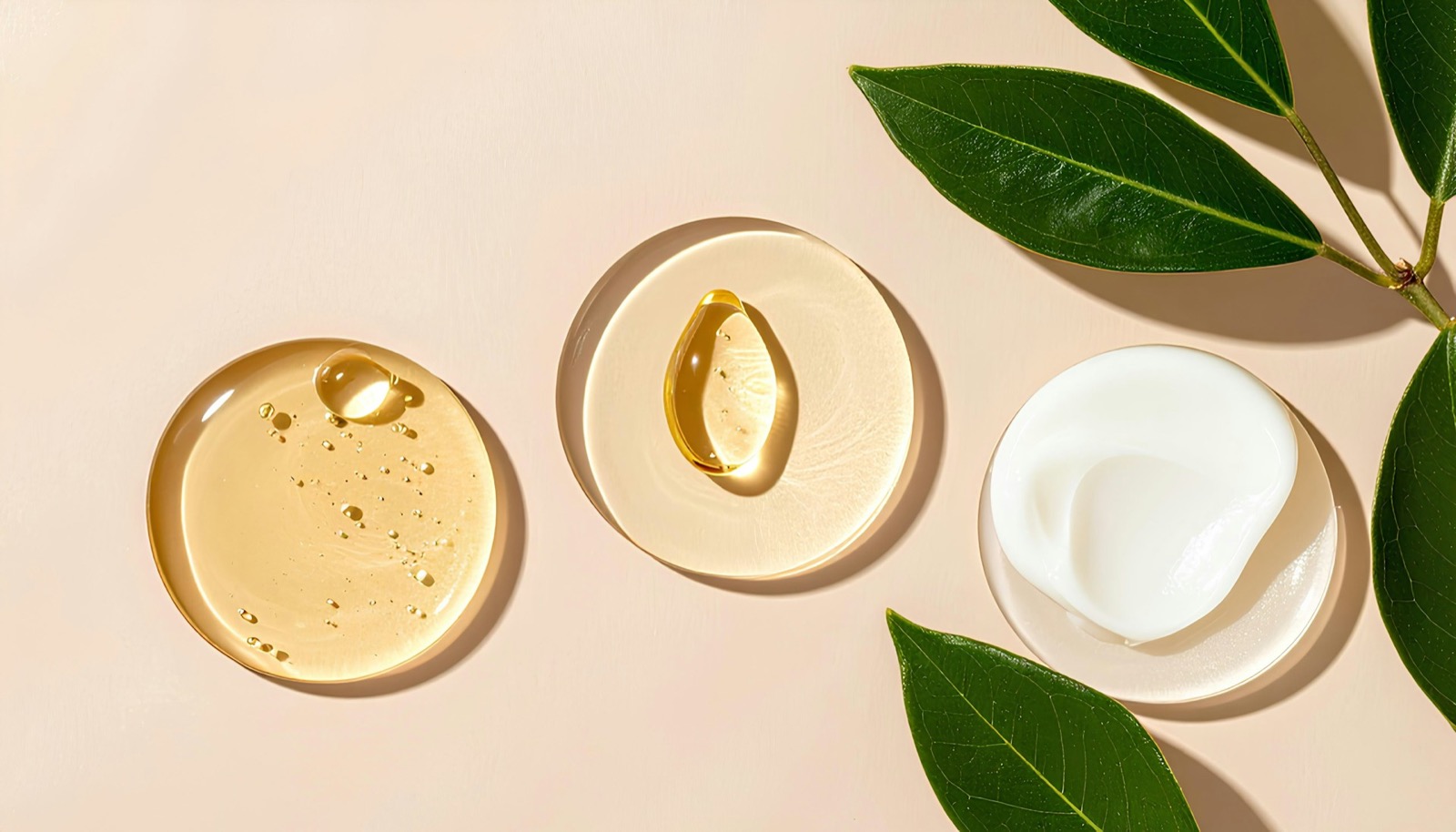
In Japanese drugstores, many modern cleansing oils and melting balms carry the label W-sensho fuyo (double cleansing unnecessary). These formulas feature advanced self-emulsifying polyglyceryl surfactants that bind both to oil and water simultaneously. When splashed with water, the cleanser turns milky and rinses away completely cleanly without leaving an oily residue, avoiding the need for a second lathering wash.
Maintaining protective surface lipids prevents transepidermal water loss after washing. Research in PLOS ONE affirms: 'The stratum corneum (SC) provides a permeability barrier that limits the inflow and outflow of water.'[1] Utilizing self-emulsifying single-step formulas preserves this biological water barrier while thoroughly dissolving cosmetic pigments.
2. Transition to Cleansing Milks and Creams
For dry complexions wearing light daily makeup or non-waterproof sunscreen, cleansing milks (kurenjingu miruku) and rich cold creams provide adequate cleansing power. Composed of 60% to 70% moisturizing water-soluble humectants and gentle plant-derived squalane or mineral oil, they lift daily impurities while leaving an emollient protective cushion on the skin.
3. Morning Water-Only Cleansing
Unless you wake up with excess surface sebum or applied heavy occlusive ointments overnight, dry skin types do not need a morning foaming cleanser. Rinsing thoroughly with lukewarm water (32°C to 34°C) successfully washes away nocturnal perspiration and dust without stripping sebum produced during sleep.
Step-by-Step Gentle Cleansing Protocol for Dry Skin
If you wear waterproof sunscreen or long-wearing base makeup that demands an oil cleanser, follow these four rules to prevent dehydration:
1. Observe the 60-Second Rule
Do not massage cleansing oil or balm into the skin for extended periods. Extended friction pushes dissolved makeup pigments and surfactants deeper into open pores. Keep total facial massage time under 45 to 60 seconds.
2. Master the Emulsification Step
Before splashing your face completely clean, wet your hands with a few drops of lukewarm water and gently massage your face. The oil will transform into a milky white emulsion. This phase is critical: it encapsulates the dissolved makeup and oil within microscopic surfactant micelles, allowing them to rinse away smoothly without requiring vigorous rubbing.
3. Keep Water Temperature Below 34°C
Hot shower water strips stratum corneum lipids within seconds. Always adjust the tap to body-lukewarm water that feels slightly cool against the skin.
4. Hydrate Within 30 Seconds
Immediately after gently pressing a soft cotton towel to your face, apply your hydrating lotion (keshōsui). Applying humectants while the stratum corneum is still hydrated captures surface moisture and prevents post-wash evaporation.
Signs to Stop and When to Seek Medical Advice
If your current cleansing routine is too aggressive for your skin type, your barrier will exhibit clear warning signals.
Discontinue double cleansing immediately and simplify your routine if you observe:
Immediate Post-Wash Tightness: A feeling that your facial skin is stretched taut or dry within two minutes of stepping out of the bathroom.
Squeaky-Clean Sensation: The feeling of squeakiness indicates that the natural acid mantle and sebum shield have been stripped bare.
Persistent Erythema and Stinging: Mild redness across the cheeks or a prickling sensation when applying basic hydrating toner.
Dry Flakiness Around Eyebrows and Nose: Superficial desquamation caused by surfactant-induced lipid depletion.
If severe facial redness, cracked fissures, or weeping eczematous patches develop after washing, discontinue all foaming cleansers, switch to pure water rinsing and petrolatum, and consult a board-certified dermatologist. Bring your cleansing products and ingredient lists for clinical review.
FAQ
Q1. Should I double cleanse if I only wore non-waterproof sunscreen?
A. A single gentle cleanser is usually sufficient for non-waterproof mineral or daily sunscreens.(Details)
Daily non-waterproof Japanese sunscreens formulated for incidental indoor or commuter exposure are easily removed with a single gentle amino-acid foaming wash or a cleansing milk. Unless the sunscreen bottle specifically specifies "waterproof" or "requires oil-based makeup remover," double cleansing is not necessary for dry complexions.
Q2. Is washing with only water in the morning enough for dry skin?
A. Yes, splashing with lukewarm water preserves overnight natural moisturizing factors for dry skin.(Details)
Overnight, skin produces beneficial natural sebum that reinforces the moisture barrier. In the absence of heavy night masks or acne medication, dry skin types benefit significantly from washing with lukewarm water alone in the morning. This maintains optimal hydration levels throughout the day.
Q3. What does 'W-sensho fuyo' mean on Japanese cleansers?
A. It indicates a 2-in-1 formula that thoroughly emulsifies and rinses away without a second wash.(Details)
Written phonetically as *W-sensho fuyo*, this Japanese designation translates to "double cleansing unnecessary." Cleansers bearing this claim utilize balanced self-emulsifying surfactant systems that dissolve makeup completely and rinse off cleanly with water, leaving zero residue and removing the need for a secondary foaming wash.
Q4. Can dry skin use cleansing oils containing mineral oil?
A. High-purity cosmetic mineral oil is chemically inert and very safe for dry skin.(Details)
Yes. Japanese cosmetic-grade mineral oil is highly refined, chemically inert, and formulated so it does not clog pores. Unlike plant oils that can occasionally oxidize, mineral oil does not turn rancid or degrade barrier lipids, making it an effective, gentle vehicle for breaking down stubborn makeup without irritation.
Q5. How do I know if my skin is being stripped by over-cleansing?
A. Shiny tightness without oiliness, persistent rough texture, and lotion stinging are classic indicators.(Details)
Over-cleansed skin often looks unnaturally shiny yet feels parched and tight underneath (the "false glass skin" effect). If ordinary alcohol-free lotions begin to sting upon contact, or if you develop dry flakiness alongside enlarged, dehydrated pores, your cleansing ritual is stripping your lipid barrier.
Summary
Context-Dependent Care: Double cleansing is a specialized technique for removing heavy waterproof makeup and sebum, not a mandatory daily chore for dry skin.
Embrace Single-Step Solutions: Choose 2-in-1 Japanese cleansers labeled W-senshō fuyō, or opt for nourishing cleansing milks that rinse cleanly without a second foaming step.
Guard Surface Lipids: Limit cleansing contact time to under 60 seconds, emulsify thoroughly with lukewarm water, and avoid high-temperature shower rinses.
Listen to Barrier Signals: If your skin feels tight or stings after washing, simplify your cleansing routine to protect natural stratum corneum lipids.
International Journal of Cosmetic Science. The Impact of Surfactant Cleansing on Stratum Corneum Barrier Integrity and Intercellular Lipids. 2016;38(4):317-327.
Japanese Dermatological Association (JDA). Physiological Guidelines for Facial Cleansing and Barrier Preservation in Sensitive Skin.https://www.dermatol.or.jp/
Disclaimer: This article is for general information and education about Japanese cosmetics and their labels. It is not a substitute for professional medical advice, diagnosis, or treatment. Skincare results vary from person to person. Product formulas, availability, prices, and regulations change, and products sold in Japan can differ from versions sold elsewhere, so always check the current label. Do a patch test before introducing a new product, and consult a doctor or dermatologist if you have a skin condition or specific concerns.