Japanese Body Scrub: Salt vs Sugar for Gentle Exfoliation
CleansingBy Seibun Lab Editorial Team
title: Japanese Body Scrub: Salt vs Sugar for Gentle Exfoliation
slug: japanese-body-scrub-salt-vs-sugar-gentle-care
category: cleansing
category_label: Cleansing
published_at: '2026-11-23'
updated_at: '2026-11-23'
meta_description: Compare Japanese salt vs sugar body scrubs for smooth skin. Learn crystal shapes, bath softening rituals, and how to exfoliate without stripping ceramides.
description: Compare Japanese salt vs sugar body scrubs for smooth skin. Learn crystal shapes, bath softening rituals, and how to exfoliate without stripping ceramides.
lead_image: /images/stock/skincare-textures-cream-scrub-gel-comparison-1.webp
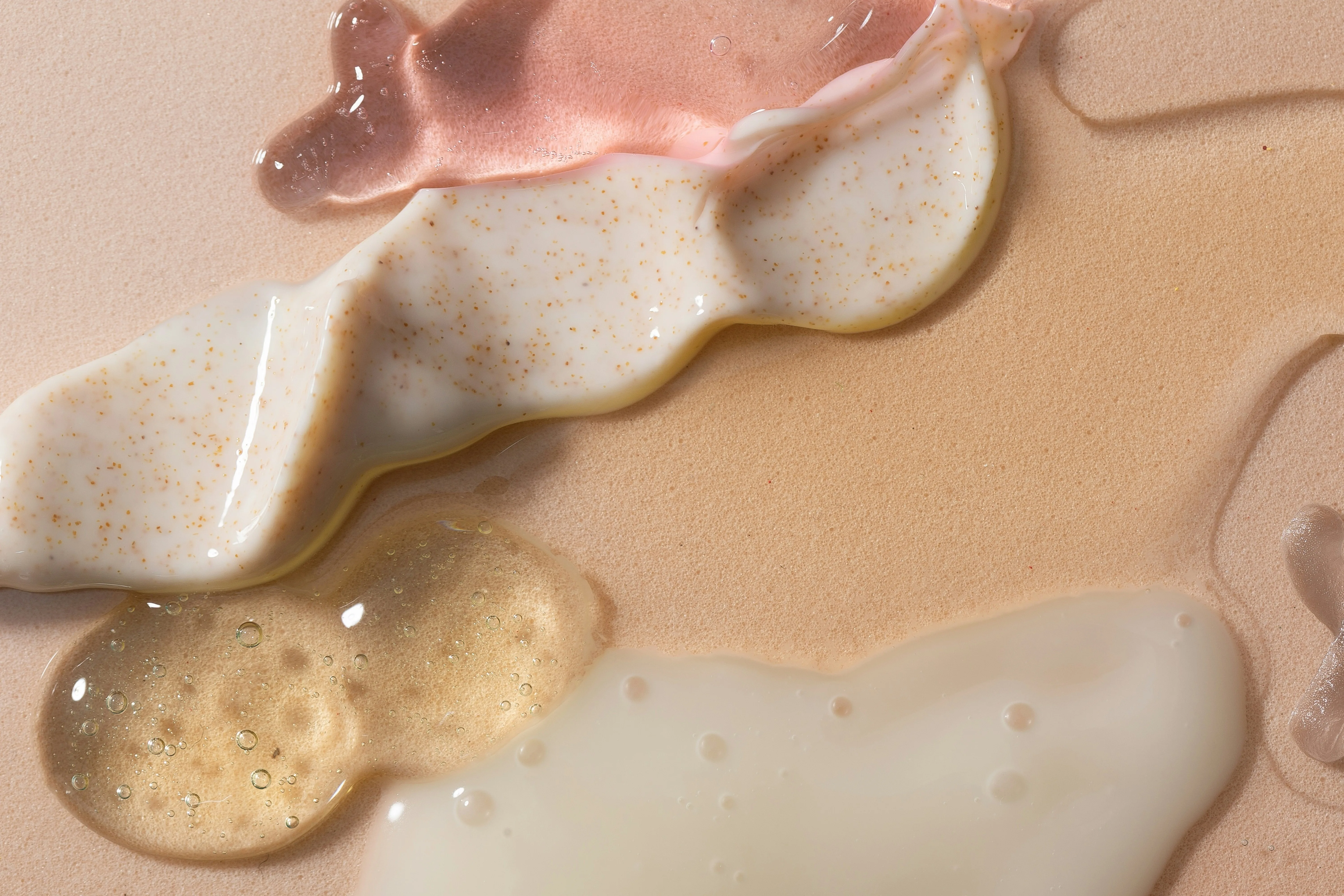
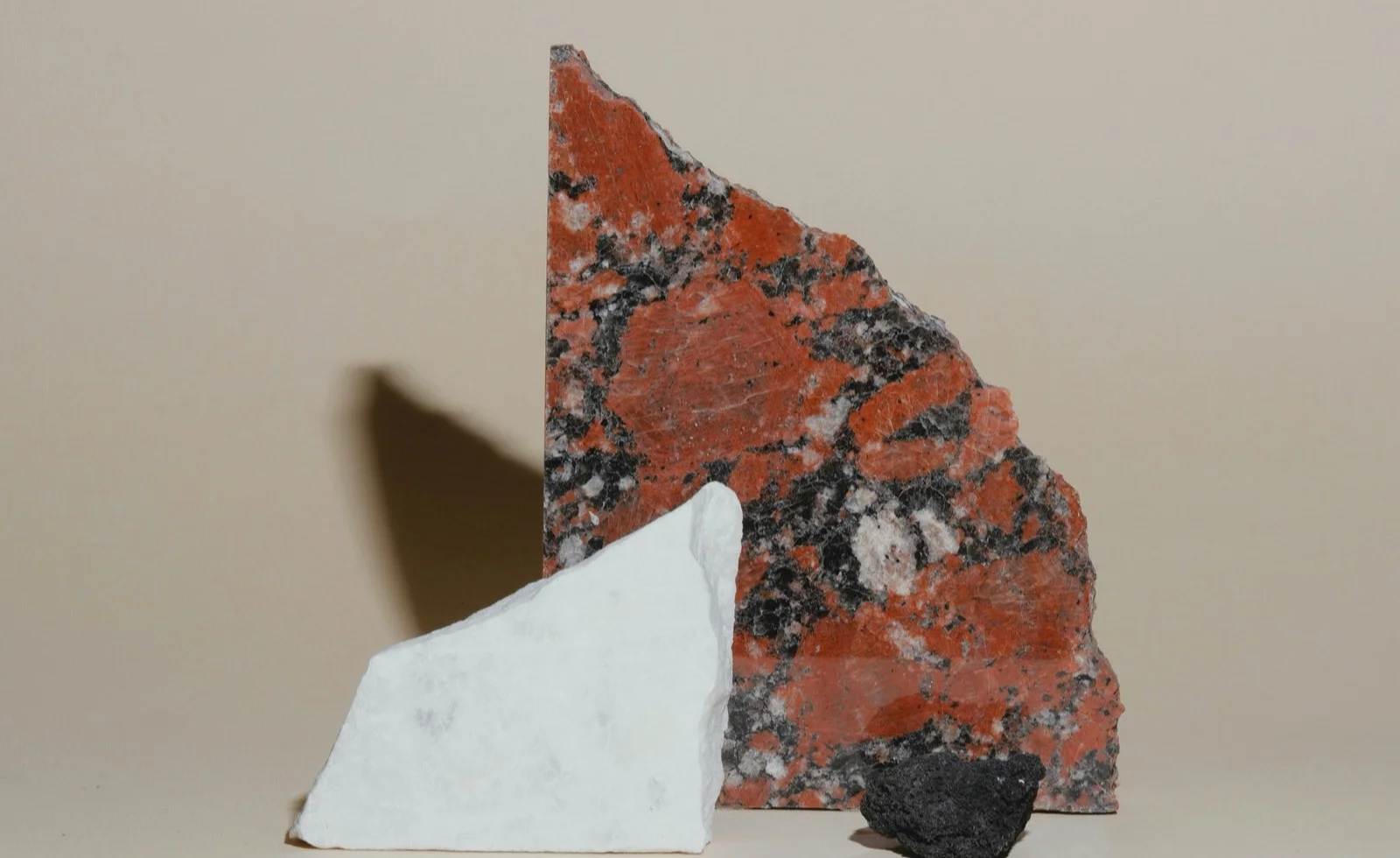
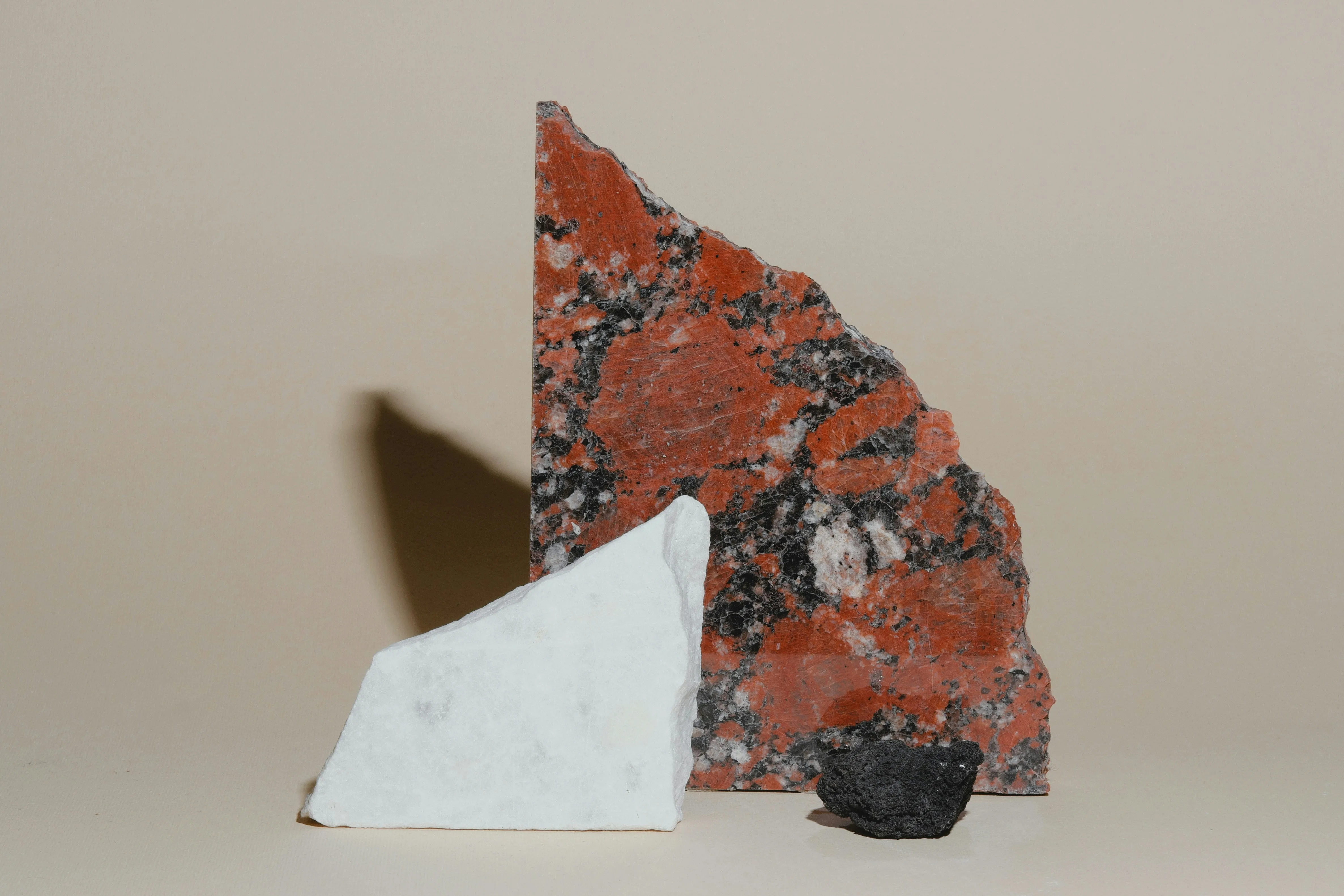
lead_image_alt: Japanese body scrub textures comparing fine mineral salt and melting sugar crystals
thumbnail: /images/stock/skincare-textures-cream-scrub-gel-comparison-1.webp
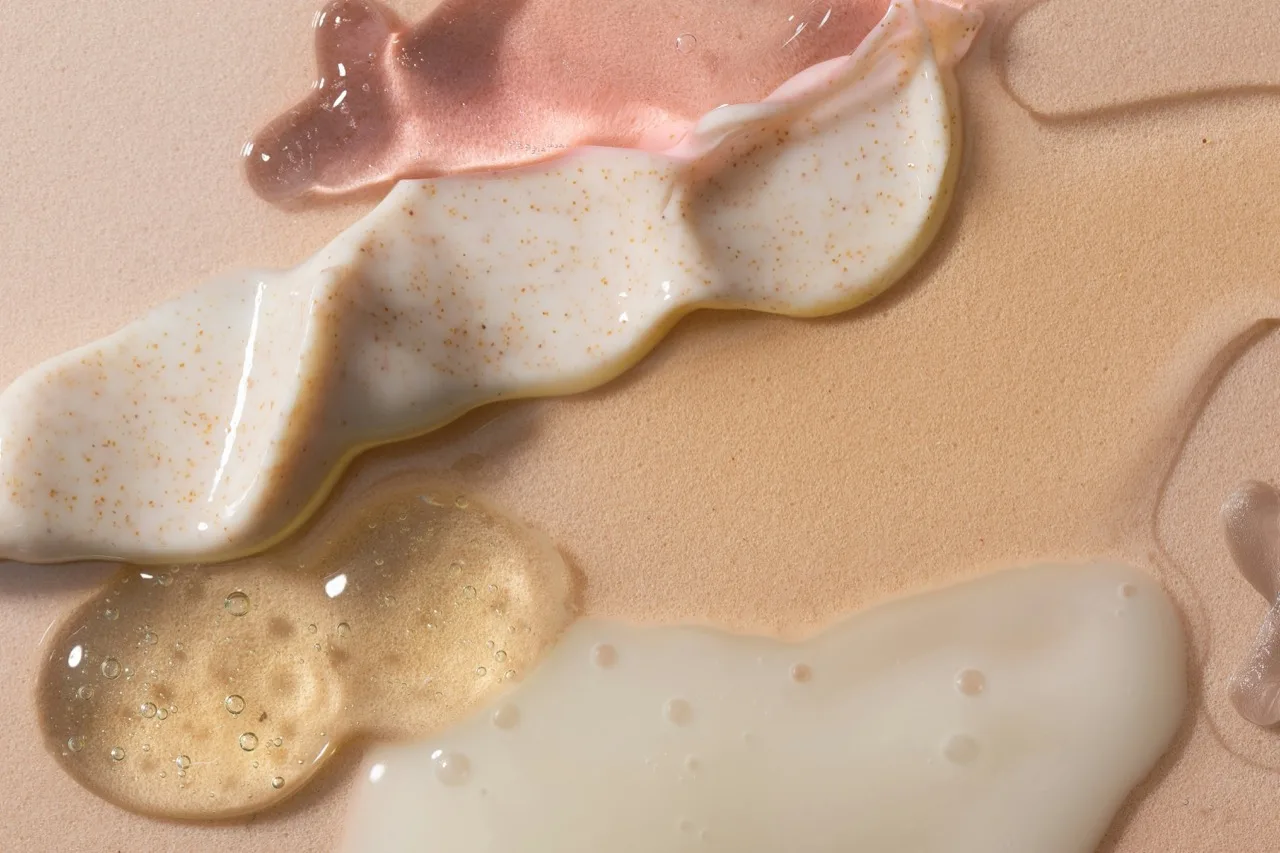
thumbnail_alt: Japanese body scrub textures comparing fine mineral salt and melting sugar crystals
author: Editorial Team
publish: true
Japanese Body Scrub: Salt vs Sugar for Gentle Exfoliation
Stepping into a Japanese bathhouse (sento) or private cedar bath (ofuro), body care is approached as an unhurried, mindful sensory journey. In Japanese bathing methodology, exfoliation is never a rushed, aggressive scrubbing session on dry, cold skin. Instead, skin smoothing is deeply integrated with the thermal relaxation of soaking.
When browsing Japanese beauty counters and drugstores, you will inevitably encounter two distinct exfoliating pillars: mineral salt scrubs (soruto suku-rabu) and melting sugar scrubs (shugaa suku-rabu). Each offers radically different crystalline physics, moisture dynamics, and dermatological benefits. Understanding how to alternate between salt and sugar ensures silky, luminous skin while safeguarding essential barrier ceramides against unnecessary friction.
The Japanese Bath Philosophy: Softening Before Smoothing
The fundamental principle governing Japanese body exfoliation is "thermal pre-softening" (yu-mushi):
Soak First, Scrub Second: Western routines often involve applying body scrubs quickly in a standing shower. In contrast, Japanese rituals dictate soaking in a hot 38°C to 40°C bath for 10 to 15 minutes before applying any exfoliant.
Natural Keratin Loosening: Warm bath steam and water saturation naturally soften hardened dead skin layers, loosening intercellular bonds. When the scrub is finally applied, aged keratin rolls away effortlessly with featherlight hand pressure.
Zero Aggression: Japanese bathers avoid coarse loofahs or stiff bristle brushes. Body scrubs are massaged solely with the warm, flat pads of the palms, ensuring zero mechanical gouging of delicate living tissue.
Crystal Dynamics: Mineral Salt vs Melting Sugar Physics
The functional divide between salt and sugar scrubs stems from their molecular geometry and interaction with water. The delicate lipid matrix of the epidermal stratum corneum experiences progressive natural functional deceleration over time[1], making crystal selection essential for skin health:
1. Japanese Sea Salt Scrubs: Mineral-Rich Refining
Derived from mineral-rich Japanese coastal waters (such as Seto Inland Sea or Okinawa marine salts):
Angular Crystal Facets: Salt crystals have rigid cubic structures that provide substantial mechanical friction, making them highly effective at buffing away thick, stubborn calluses on elbows, knees, and heels.
Osmotic Toning: The high mineral salinity (magnesium, potassium, calcium) draws stagnant fluid from outer tissue through osmosis, creating a firming, invigorating sensation after bathing.
Ideal Targets: Thick, resilient skin zones, rough texture on outer arms, and summertime refreshing body rituals.
2. Japanese Sugar Scrubs: Melting Humectant Cushion
Formulated with micro-milled sucrose suspended in botanical oils (camellia, rice bran, and jojoba):
Rounded, Soluble Edges: Sugar crystals possess soft, rounded edges that do not micro-scratch thin skin. Crucially, sucrose dissolves at body temperature as you massage, gradually transforming from an exfoliant into a silky moisturizing syrup.
Natural Moisture Magnet: Sugar is a natural humectant that pulls ambient water into the stratum corneum rather than dehydrating it.
Ideal Targets: Sensitive complexions, dry winter skin, collarbones, décolleté, and delicate hip curves.
Comparison Table: Japanese Salt Scrub vs Sugar Scrub
To help choose the ideal scrub for your bath routine, consider this comparative guide:
Scroll horizontally to view more
Comparison Factor
Japanese Sea Salt Scrub (Soruto)
Japanese Sugar Scrub (Shugaa)
Exfoliating Particle
Marine sodium chloride crystals (mineral-rich)
Fine sucrose crystals (moisture-binding)
Particle Hardness
Firm, slowly dissolving, angular edges
Gentle, rapidly melting with body warmth
Dermatological Action
Intensive smoothing, pore unclogging, toning
Gentle softening, deep humectant hydration
Target Body Areas
Heels, elbows, knees, hips, buttocks
Arms, legs, chest, neck, dry winter patches
Optimal Seasons
Humid summer, post-workout, oily skin states
Dry autumn/winter, year-round sensitive care
Sensory Sensation
Invigorating, warming, purifying tingling
Comforting, cushiony, velvety afterglow
The Japanese Technique: Light-Touch Circular Lathering
To achieve salon-smooth skin at home without barrier disruption, adopt these four Japanese technique steps:
1. Step 1: Steam Pre-Soak
Enjoy a relaxing 10-minute soak in a warm ofuro bath to let steam thoroughly soften the stratum corneum.
2. Step 2: Palm Contact Application
Scoop a generous dollop of scrub into clean hands. Flatten your palms against damp skin and glide in wide, slow circular motions. Let the weight of your hands guide the particles; never grind or press knuckles into the skin.
3. Step 3: Dissolution Cue
For sugar scrubs, continue massaging until the granules completely dissolve into an emollient film. For salt scrubs, stop massaging after 30 to 45 seconds to prevent over-abrasion.
4. Step 4: Immediate Three-Minute Moisture Seal
Rinse thoroughly with lukewarm water (32°C to 34°C). Within three minutes of stepping out of the bath, smooth a ceramide body milk across damp limbs to lock in hydration.
Pairing weekly body exfoliation with daily broad-spectrum UV protection creates a resilient defense against sun-induced dryness[2], shielding freshly smoothed skin from ultraviolet photo-damage.
Immediate Stinging on Razor nicks: Never apply mineral salt scrubs over freshly shaved, waxed, or epilated legs. Salt provokes intense burning on micro-cuts.
Diffuse Red Flushes or Welts: If skin remains blotchy, warm, or sensitive to clothing friction hours after bathing, you have scrubbed with excessive force or frequency.
Barrier Breakdown: Unrefined exfoliating grains and concentrated mineral salts may trigger contact irritation in individuals with compromised barrier integrity[3]. Avoid scrubbing areas affected by active eczema, psoriasis, or open scrapes.
If burning sensations, rash, or persistent rough flaking continues beyond 72 hours, consult a licensed dermatologist.
FAQ
Q1. How often should I use a Japanese body scrub?
A. Once a week for salt scrubs, or once to twice weekly for sugar scrubs.(Details)
Because the body’s epidermal turnover cycle requires roughly 28 days, excessive exfoliation thins healthy stratum corneum layers. Using scrubs once weekly provides balanced renewal without compromising barrier defenses.
Q2. Can I use a salt scrub on newly shaved legs?
A. No, wait at least 24 to 48 hours after shaving before using salt scrubs.(Details)
Shaving creates invisible micro-abrasions along hair follicles. Concentrated sodium chloride contacting these tiny nicks causes severe stinging and can trigger painful irritation. Use melting sugar scrubs instead if gentle smoothing is needed.
Q3. Should I wash with body soap before or after using a scrub?
A. Wash with body soap first, then apply your scrub to clean, softened skin.(Details)
Cleansing first removes daily surface dirt and sweat. Applying the scrub afterward allows botanical oils in the scrub base to remain on the skin after rinsing, providing a nourishing protective veil.
Q4. Is sugar scrub better for sensitive or eczema-prone skin?
A. Yes, sugar crystals are far gentler and dissolve naturally during massage.(Details)
Sugar’s rounded facets and hygroscopic nature prevent the harsh micro-tears that salt crystals can inflict on thin, sensitive skin. However, avoid scrubbing active, inflamed eczema flare-ups altogether.
Q5. Can I soak in the bathtub with body scrub on my skin?
A. Many Japanese scrubs are dual-formulated to double as aromatic bath salts.(Details)
Certain Japanese salt scrubs are designed so that after massaging your body, you can step directly into the hot bath water without rinsing. The salt and botanical essential oils dissolve into the tub, transforming it into an onsen-like soak.
Conclusion: Polished Radiance Rooted in Bathing Harmony
The Japanese approach to body exfoliation is an art of balanced listening. By distinguishing between the vigorous, mineral-rich refining power of coastal salt scrubs and the gentle, melting hydration of botanical sugar scrubs, you can customize your body care to match seasonal climates and skin needs. Grounded in the tranquil warmth of the ofuro bath, this mindful ritual rewards you with petal-soft, beautifully luminous skin from head to toe.
References
The Japanese Dermatological Association. Sunburn Q&A on Photoaging and Biological Alterations in Aging Skin (Q5). https://www.dermatol.or.jp/qa/qa2/q05.html (Accessed 2026-11-23)
The Japanese Dermatological Association. Dermatological Q&A on Sunscreen Application for Long-Term Prevention (Q25). https://www.dermatol.or.jp/qa/qa3/q25.html (Accessed 2026-11-23)
The Japanese Dermatological Association. Dermatological Q&A on Contact Irritation and Scalp Friction Mechanisms (Q1). https://www.dermatol.or.jp/qa/qa4/q01.html (Accessed 2026-11-23)
Disclaimer: This article is for general information and education about Japanese cosmetics and their labels. It is not a substitute for professional medical advice, diagnosis, or treatment. Skincare results vary from person to person. Product formulas, availability, prices, and regulations change, and products sold in Japan can differ from versions sold elsewhere, so always check the current label. Do a patch test before introducing a new product, and consult a doctor or dermatologist if you have a skin condition or specific concerns.