title: Japanese Moisturizing Hand Wash: Gentle Liquid Soap Guide slug: japanese-hand-wash-gentle-moisturizing-liquid category: cleansing category_label: Cleansing published_at: '2026-11-23' updated_at: '2026-11-23' meta_description: Discover how Japanese moisturizing liquid hand washes protect the skin barrier. Learn amino-acid surfactants, dense foam pumps, and anti-dryness habits. description: Discover how Japanese moisturizing liquid hand washes protect the skin barrier. Learn amino-acid surfactants, dense foam pumps, and anti-dryness habits. lead_image: /images/stock/hands-dispensing-gel-from-bottle.webp lead_image_alt: Gentle Japanese moisturizing liquid hand wash dispensed from convenient pump bottle thumbnail: /images/stock/hands-dispensing-gel-from-bottle.webp thumbnail_alt: Gentle Japanese moisturizing liquid hand wash dispensed from convenient pump bottle author: Editorial Team publish: true
Japanese Moisturizing Hand Wash: Gentle Liquid Soap Guide
In Japan, hand hygiene is deeply ingrained from early childhood as a foundational ritual of daily health (te-arai). Whether returning home from school, commuting on busy public transit, or preparing meals, washing hands with soap and water is practiced diligently multiple times each day.
However, the reality of washing hands ten to fifteen times daily brings a significant dermatological challenge: chronic moisture barrier depletion. Frequent contact with alkaline cleansers and hot tap water strips away essential sebum and intercellular lipids, leading to dry, stinging palms and painful winter fissures (tegire). To resolve this friction between hygiene and skin health, Japanese cosmetic formulators have pioneered gentle, skin-buffering liquid hand washes that cleanse away contaminants while actively shielding natural cutaneous moisture reserves.
The Modern Handwashing Culture: Beyond Basic Sanitization
Japanese consumers have largely moved away from aggressive, industrial-strength disinfectant detergents for domestic use. Instead, modern handwashing philosophy centers on gentle thoroughness:
- Mechanical Lift Over Harsh Stripping: Dermatologists emphasize that thorough rinsing with rich lather for 20 to 30 seconds physically dislodges viruses, transient bacteria, and environmental dirt far more safely than harsh chemical sanitizers that degrade the skin barrier.
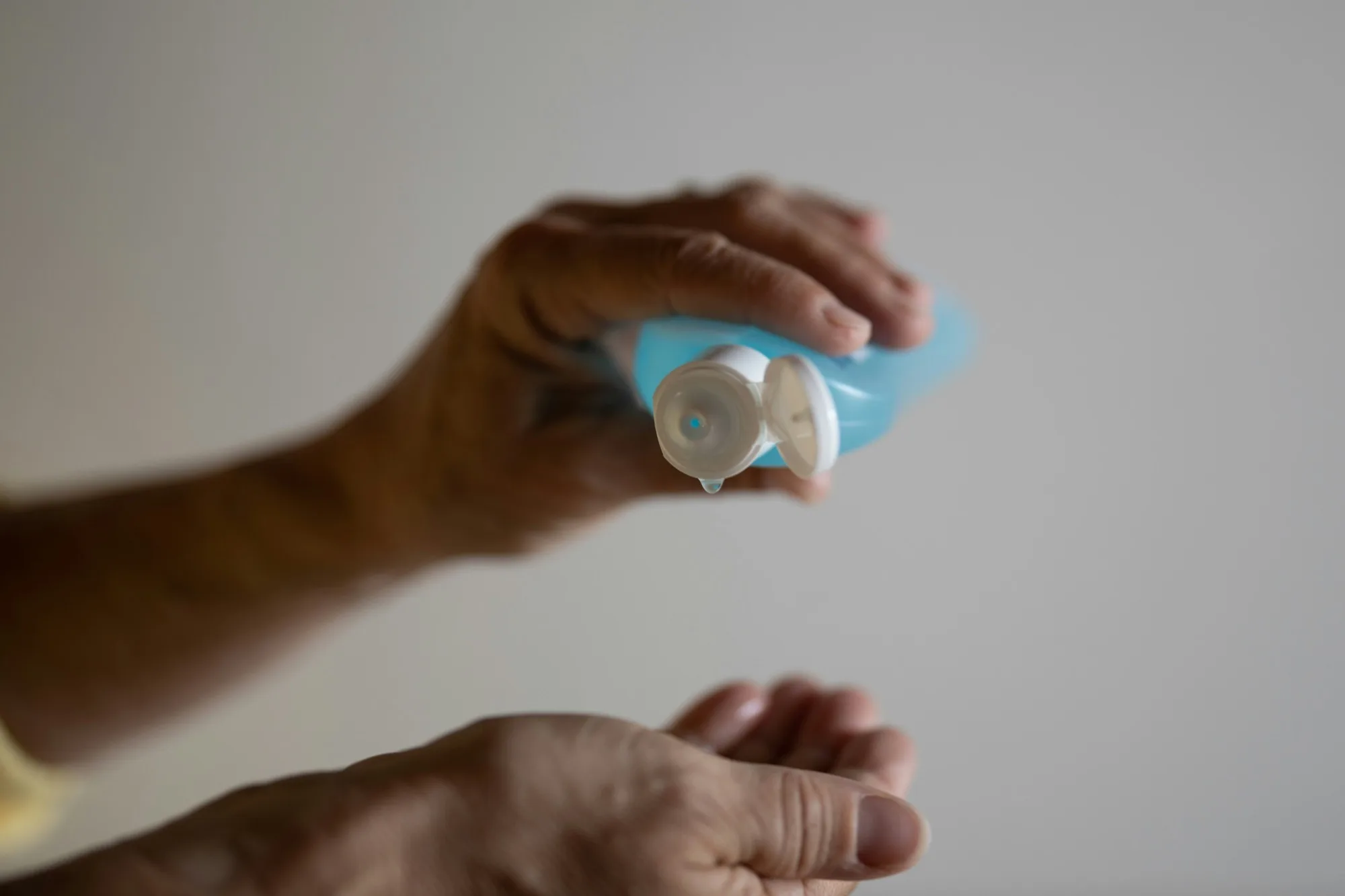
- The Rise of Self-Foaming Pumps (Awa-Type): Walk into almost any Japanese family restroom or preschool, and you will find instant-foaming pump dispensers. These devices remove the need to aggressively rub hands together to generate lather, instantly producing a micro-dense cushion of foam.
- Skincare-Grade Ingredients: Leading Japanese hygiene brands now incorporate skincare humectants—including hyaluronic acid, botanical squalane, and ceramides—turning everyday handwashing into an active conditioning step.
Surfactant Architecture: Amino Acids, Weak Acidity, and Barrier Lipids
The technological secret behind Japanese moisturizing hand washes lies in surfactant selection. The delicate lipid matrix of the epidermal stratum corneum experiences progressive natural functional deceleration over time[1], making gentle cleansing vital for hand longevity:
1. Weak-Acidic Formulation (Jyakusansei)
Human skin naturally maintains an acidic mantle between pH 4.5 and 5.5. Traditional cold-process soap bars are naturally alkaline (pH 9.0 to 10.0), which temporarily neutralizes this protective acid shield:
- Japanese weak-acidic hand washes match physiological skin pH, preventing the swelling and loss of stratum corneum barrier lipids.
- Preserves resident beneficial microflora that defend hand tissue from colonization by opportunistic environmental pathogens.
2. Mild Amino-Acid Surfactants
Instead of aggressive sulfates (such as sodium lauryl sulfate), Japanese formulations utilize amino-acid based cleansers such as cocoyl glutamate and potassium cocoyl glycinate:
- Selectively bonds with surface grime, perspiration salts, and excess oils while leaving cellular structural ceramides intact.
- Rinses cleanly with minimal water contact, leaving zero tight, parched residue.
3. Integrated Lipid Replenishment
Formulas often blend botanical glycerin, trehalose, and fermented rice extracts directly into the liquid soap base, replenishing natural moisturizing factor (NMF) components during the lathering process.

Comparison Table: Japanese Foaming Pump vs Traditional Bar Soap vs Gel Sanitizer
To understand how different hand cleansing options impact skin barrier health, consider this comparative breakdown:
Scroll horizontally to view more
| Cleansing Method | Primary Cleaning Mechanism | Skin Friction Level | Impact on Barrier Ceramides |
|---|---|---|---|
| Japanese Foaming Hand Wash | Micro-bubble amino-acid lather lifts dirt | Ultra-low (dense foam cushions palm friction) | Preserves barrier lipids; maintains acidic mantle |
| Traditional Alkaline Bar Soap | Fatty acid sodium salts emulsify surface oils | Moderate (requires manual friction to generate foam) | Temporarily raises pH; can strip natural sebum |
| Alcohol-Based Hand Sanitizer | 60–80% ethanol evaporates, coagulating proteins | None (rubbed onto dry skin without water) | Strips surface moisture; frequent use accelerates dryness |