title: Clean J-Beauty Brands Focusing on Sustainability slug: clean-j-beauty-brands-focusing-on-sustainability category: how-japan-works meta_description: Explore emerging clean J-beauty brands focusing on sustainability. Learn about upcycled botanicals, circular agriculture, and refillable eco-packaging. date: 2026-11-19 author: Editorial Team hero_image: /images/stock/mindful-skincare-ritual-indoor-greenery-calm.jpg hero_alt: Mindful indoor botanical skincare arrangement symbolizing sustainable clean J-beauty
Clean J-Beauty Brands Focusing on Sustainability
A new wave of clean J-beauty brands is reimagining sustainability by combining traditional Japanese philosophies of resource stewardship (*mottainai*) with biotechnology. Rather than relying on simple green marketing claims, these brands prioritize agricultural upcycling (turning sake lees, pressed yuzu rinds, and forest thinning wood into active skincare), zero-waste circular farming, and mono-material refill pouches that reduce virgin plastic use by up to 85 percent. The result is high-efficacy, skin-compatible beauty that respects both human skin barriers and ecological ecosystems.
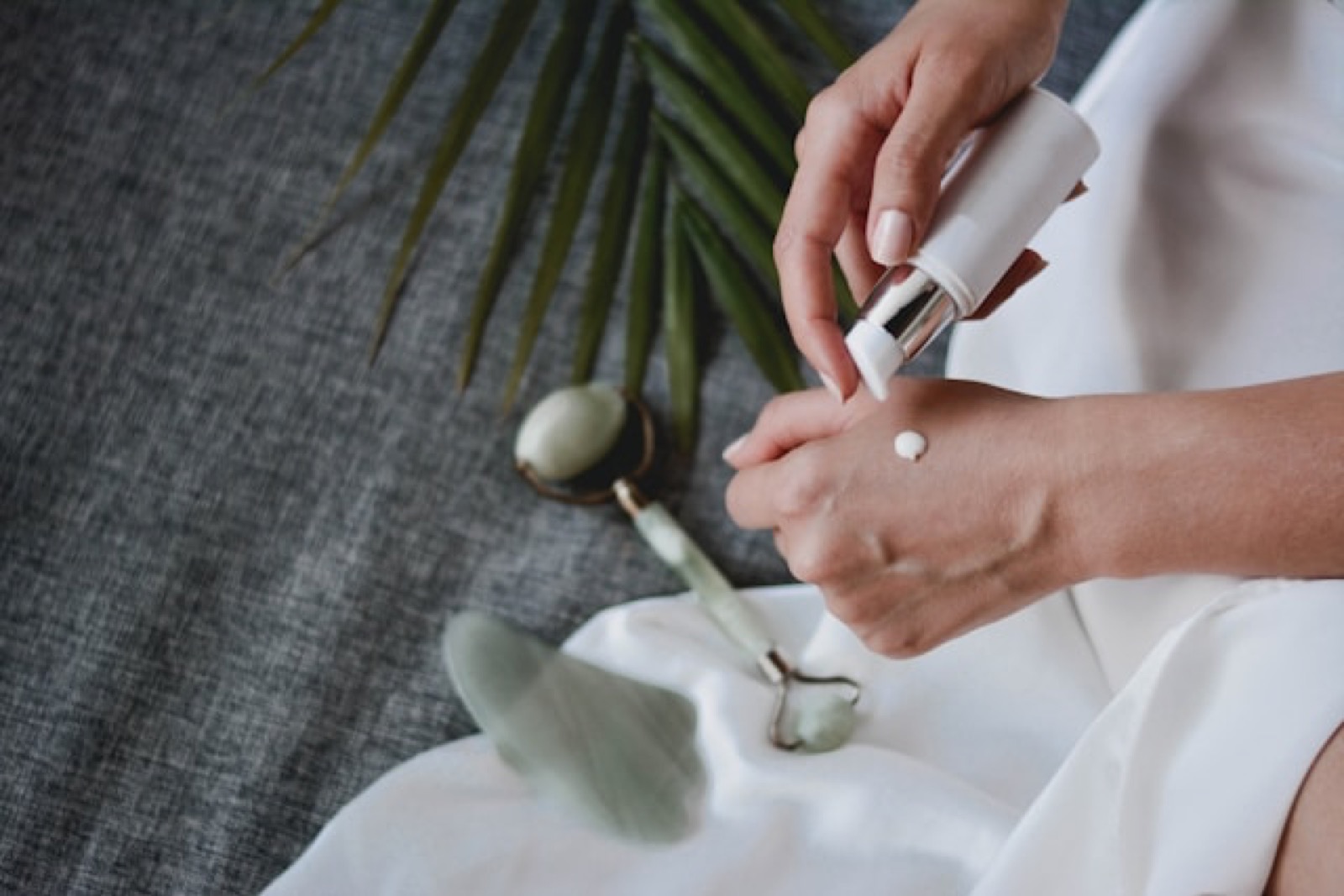
While Western clean beauty historically emerged as a consumer reaction against synthetic preservatives and laboratory chemicals, Japan's approach to clean beauty follows a distinct philosophical path. In modern manufacturing sustainability reflects the ability to continue the same over a long period of time[1] without depleting natural ecological foundations.
In Japan, this environmental awareness is rooted in mottainai—a traditional cultural ethos expressing deep regret over wasting valuable resources. Today, innovative Japanese independent houses and established cosmetic laboratories are channeling this mindset into next-generation clean formulations, transforming regional agricultural byproducts and renewable forest resources into gentle, high-performance skincare.
1. The Japanese Concept of Clean: Mottainai Meets Biotechnology
Western clean beauty standards often emphasize long "free-from" exclusion lists, banning ingredients based on hazard perceptions. In contrast, Japanese sustainable beauty focuses heavily on positive circular impact:
Japanese eco brands adopt a circular economy, a model of production and consumption that minimizes resource depletion[2] by keeping materials within sustainable closed-loop cycles. Key values shaping this movement include:
- Zero-Waste Agricultural Partnerships: Direct contracts with organic regional farmers to repurpose harvest surpluses.
- Traceable Regional Provenance: Formulating with specific domestic botanicals rather than unverified generic imports.
- Microbiome Gentleness: Preserving natural skin flora while utilizing gentle, biodegradable preservation systems.
2. Upcycled Bioactives: From Farm Waste to Skin Barrier Riches
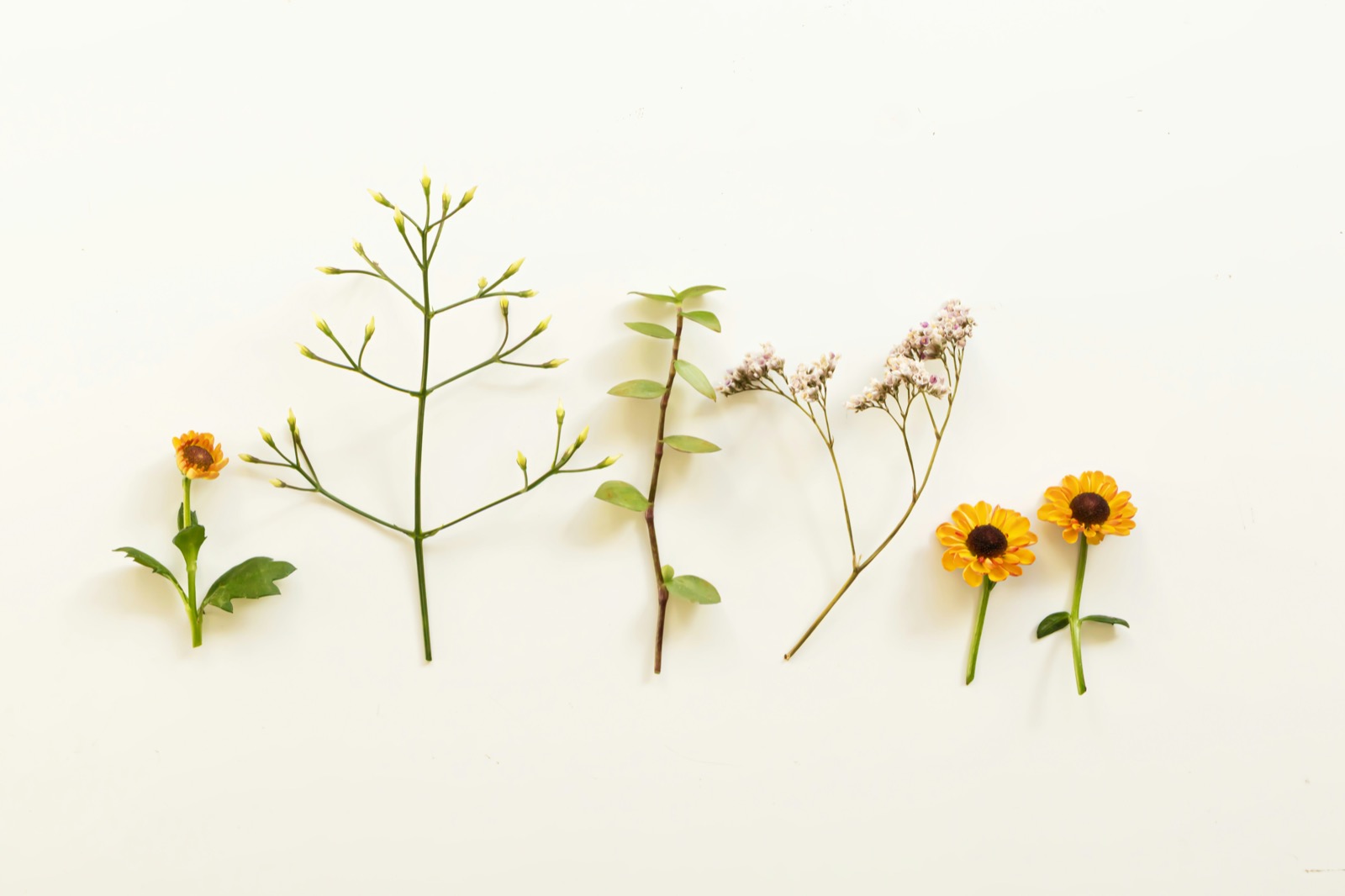
The heart of Japan's sustainable beauty renaissance is agricultural upcycling. Botanical formulators practice upcycling, the process of transforming by-products into high-value active ingredients[3] that would otherwise be discarded as compost or industrial waste:
1. Sake Lees (Sake Kasu)
During traditional sake brewing, pressed fermented rice solids remain after the clear liquid is extracted. Historically used in local cooking, cosmetic chemists discovered that sake lees are dense with amino acids, kojic acid precursors, and glucosylceramides that hydrate and soften the skin.
2. Citrus Peels (Yuzu and Iyokan)
The Japanese juice and culinary industries discard hundreds of tons of aromatic citrus rinds annually. Sustainable brands distill cold-pressed essential oils and ceramides from these discarded peels, yielding antioxidant-rich flavonoids and fragrant limonene without cultivating additional farmland.
3. Forest Thinning Wood (Shinrin-Yoku Science)
To prevent catastrophic forest fires and maintain healthy mountain ecosystems, Japanese forestry services regularly thin dense cedar and hinoki cypress groves. Japanese beauty brands extract wood oils rich in phytoncides from these felled branches, creating soothing topical formulas that capture the restorative atmosphere of Japanese forest bathing.
Natural plant extracts nourish the stratum corneum, the outermost layer of the epidermis[4], providing bio-compatible hydration without synthetic silicones or petroleum wax fillers.
3. Comparing Western Clean Beauty vs. Sustainable J-Beauty
To understand how Japanese sustainable beauty stands apart on the global stage, compare their core formulation philosophies:
Scroll horizontally to view full table
| Dimension | Sustainable Japanese J-Beauty | Standard Western Clean Beauty |
|---|---|---|
| Core Philosophy | *Mottainai* (waste reduction) & circular farming | "Clean Beauty" ingredient exclusion lists |
| Ingredient Sourcing | Upcycled domestic agricultural byproducts | Certified organic & fair-trade global botanicals |
| Preservative Strategy | Gentle biotechnology & hurdle preservation | Food-grade acids (sodium benzoate, potassium sorbate) |
| Packaging Innovation | Lightweight refill pouches & mono-materials | Heavy glass jars & post-consumer recycled (PCR) resin |
| Texture Standards | Ultra-lightweight watery lotions & fluid milks | Rich botanical balms, facial oils, and butters |
| Skin Barrier Focus | Long-term barrier equilibrium & gentle hydration | Active clean botanicals for rapid radiance |