Cruelty-Free Japanese Cosmetics: Drugstore Reality & Laws
How Japan WorksBy Miho Tanaka
title: Cruelty-Free Japanese Cosmetics: Drugstore Reality & Laws
h1: Cruelty-Free Japanese Cosmetics: Drugstore Reality & Laws
description: Discover the reality of cruelty-free Japanese cosmetics. Learn about PMDA regulations, quasi-drug animal testing rules, export laws, and ethical J-beauty.
meta_description: Discover the reality of cruelty-free Japanese cosmetics. Learn about PMDA regulations, quasi-drug animal testing rules, export laws, and ethical J-beauty.
category: how-japan-works
slug: cruelty-free-japanese-drugstore-cosmetics-reality
publish: false
published_at: 2026-11-19
hero_image: /images/stock/drugstore-aisle-skincare-selection.jpg
hero_image_alt: Aisle of Japanese drugstore cosmetics featuring diverse skincare and makeup selections
Cruelty-Free Japanese Cosmetics: Drugstore Reality & Laws
As global beauty shoppers increasingly prioritize ethical purchasing, the question of whether popular Japanese skincare and makeup brands are "cruelty-free" has become a central point of discussion. When stepping into a Matsumoto Kiyoshi or Plaza in Tokyo, international visitors often notice an immediate puzzle: internationally recognized bunny logos (such as Leaping Bunny or PETA certification) are virtually nowhere to be found on drugstore packaging. At the same time, many Japanese drugstore formulas boast gentle, plant-derived ingredients and low-irritation claims.
The reality of animal testing in Japan is nuanced, shaped by complex domestic regulations, corporate sustainability shifts, and international trade dynamics. In terms of statutory framework, although japanese law does not require non-medicated cosmetics to be tested on animals, it does not prohibit it either, creating regulatory ambiguity[1]. This contrasts sharply with European regulations, which established a near-total ban on the sale of animal-tested cosmetics throughout the eu starting in 2009 and 2013[1]. Navigating the Japanese drugstore aisle requires understanding how domestic cosmetic laws operate, why bunny logos are absent, and which Japanese brands maintain strict ethical commitments against animal testing.
Quick answer: Are Japanese drugstore cosmetics cruelty-free?
Domestic Japanese law does not mandate animal testing for standard cosmetics, and most major Japanese beauty brands (including Shiseido, Kose, and Kao) have voluntarily phased out animal testing for domestic formulations. However, because Japan lacks a legal ban and many large conglomerates historically exported products to mainland China where animal tests were required by local authorities, most large Japanese brands cannot obtain Western certifications like Leaping Bunny. Despite this, several domestic drugstore brands (such as Chifure, Canmake, and Cezanne) maintain strict non-testing policies.
Navigating Japanese drugstore aisles requires understanding how local safety regulations differ from Western cruelty-free certification schemes.
The Legal Reality: Does Japan Ban Cosmetic Animal Testing?
To understand ethical beauty in Japan, one must examine the governing regulatory body: the Pharmaceuticals and Medical Devices Agency (PMDA) operating under the Ministry of Health, Labour and Welfare (MHLW).
Unlike the European Union, the United Kingdom, India, or South Korea—all of which passed nationwide statutory bans on cosmetic animal testing—Japan has never instituted a comprehensive legislative ban. However, the absence of a legal ban does not mean animal testing is routine for daily Japanese cosmetics:
No General Mandate: Japanese law does not require cosmetic companies to test standard lotions, creams, or makeup on animals before bringing them to market.
Corporate Phase-Outs: Under sustained international pressure from animal welfare advocacy groups, major Japanese conglomerates like shiseido and mandom have ended much, but not all, of their animal testing across domestic production lines[1].
The Exception Clause: Most major corporate policies contain a specific caveat: animal testing is abolished except in rare circumstances where it is mandated by government authorities in export countries, or when no validated alternative exists to prove human safety for novel chemicals.
General Cosmetics vs. Quasi-Drugs: The Regulatory Divide
A unique aspect of the Japanese market is the legal distinction between two product classes: General Cosmetics (keshohin) and Quasi-Drugs (iyakubugaihin).
+-------------------------------------------------------+
|          JAPANESE REGULATORY PRODUCT CATEGORIES       |
+---------------------+---------------------------------+
| General Cosmetics   | Quasi-Drugs (Iyakubugaihin)     |
+---------------------+---------------------------------+
| Hydration, cleansing| Medicated actives & claims      |
| Pre-approved list   | Government-approved active doses|
| No animal tests     | Novel actives historically tested|
| Rapid market launch | Rigorous safety documentation   |
+---------------------+---------------------------------+
1. General Cosmetics (Keshohin)
Standard daily products—such as hydrating lotions, cleansing oils, and color cosmetics—are formulated using ingredients from an established safety database. Because these raw ingredients have decades of documented human safety, manufacturers do not conduct animal testing when releasing new general cosmetics into the Japanese market.
2. Quasi-Drugs (Iyakubugaihin)
Quasi-Drugs bridge the boundary between ordinary cosmetics and pharmaceuticals. They include popular drugstore categories like anti-acne washes, brightening lotions featuring tranexamic acid, and medicated ceramide creams. When a Japanese beauty brand creates a quasi-drug using already-approved active ingredients at standard concentrations, no new animal testing is needed.
However, if a pharmaceutical or cosmetic laboratory develops an entirely novel active ingredient never before registered in Japan, the MHLW historically required comprehensive toxicological data. In the past, this framework included in vivo safety tests, though modern validation centers are actively shifting this requirement toward non-animal cellular assays.
Scroll horizontally to view full table
Classification
Typical Examples
Standard Domestic Testing
Animal Testing Status
General Cosmetics
Hydrating toners, basic face oils, lip gloss
Dermatological patch testing, human trials
Effectively phased out across domestic brands
Standard Quasi-Drugs
Curel ceramide creams, Hada Labo Shirojyun
Pre-approved active safety records
No animal testing required for domestic release
Novel Active Quasi-Drugs
Newly synthesized proprietary molecules
Extensive toxicological dossiers for PMDA
Historically required animal data; transitioning to in vitro
Physical Exports to China
Major brands sold in mainland department stores
Historical foreign government regulatory tests
Subject to pre-2021 Chinese regulatory requirements
Why Aren't There Bunny Logos on Japanese Drugstore Shelves?
Western shoppers accustomed to scanning packaging for the Leaping Bunny (Cruelty Free International) or the PETA bunny logo will find almost none in Japanese drugstores. This absence is driven by three main factors:
1. The Global Market Clause in Certifications
Western ethical certifications maintain strict international auditing standards, as the leaping bunny applies to a company's global market, and does not certify product that use animal testing anywhere in the world[2]. Even if a Japanese brand produces 100% of its domestic Japanese catalog without animal tests, if that parent brand physically sells products in mainland Chinese retail stores—where post-market testing was historically possible—the brand cannot obtain Leaping Bunny certification.
2. The China Regulatory Shift (2021)
For decades, China required mandatory animal testing on all imported cosmetics. This created an ethical dividing line: any international brand selling physically in China could not be certified cruelty-free.
In May 2021, China updated its Cosmetic Supervision and Administration Regulation (CSAR), allowing imported "general cosmetics" (ordinary skincare and makeup) to bypass mandatory animal testing if manufactured under certified Good Manufacturing Practice (GMP). While this reform allowed several foreign brands to enter China while preserving cruelty-free standards, many large legacy Japanese corporations still market "special cosmetics" (such as sunscreens and hair dyes) that remain subject to local testing mandates.
3. Domestic Licensing and Consumer Focus
In Japan, trademark licensing for overseas certifications involves significant fees and administrative overhead. Because domestic Japanese consumer awareness has historically centered on "additive-free" (mutenka), simple ingredient profiles, and skin sensitivity rather than Western non-profit certifications, domestic brands invest in safety testing rather than foreign trademark logos.
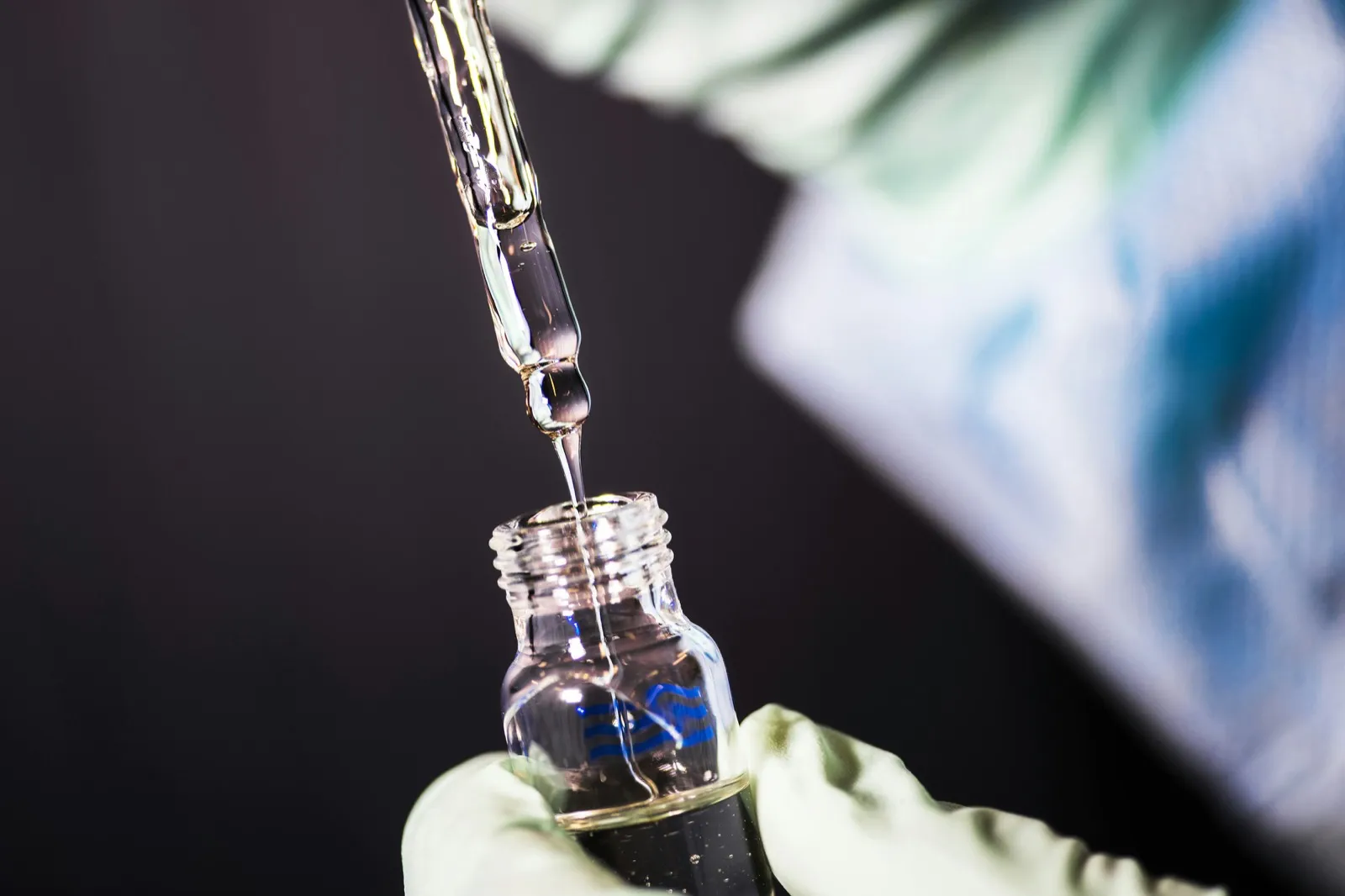
Modern Japanese cosmetic research increasingly relies on advanced in vitro testing methods to verify formula safety without animal subjects.
The Rise of In Vitro Alternatives in Japan
Japan has played a major role in developing and validating sophisticated non-animal safety assessments. To replace the need for in vivo testing, human skin equivalent tests can be used to replace animal-based corrosive and irritative studies through advanced cellular models[3].
Established under the National Institute of Health Sciences, the Japanese Center for the Validation of Alternative Methods (JaCVAM) actively coordinates with international bodies (such as ECVAM in Europe and ICCVAM in the United States) to approve non-animal testing models:
Reconstructed 3D Human Epidermis (RhE): Cultured human skin models (such as LabCyte EPI-MODEL developed in Japan) closely mimic the barrier function of the human stratum corneum, allowing researchers to evaluate skin irritation without animals.
Corneal Epithelium Models: Modern bio-engineered eye models have replaced the outdated Draize rabbit eye irritation tests.
Phototoxicity Assays: Using cultured cell lines to measure how active ingredients react when exposed to simulated solar radiation.
These scientific developments ensure that Japanese cosmetics maintain their rigorous safety standards while transitioning toward humane testing practices.
Plant-based ingredients and transparent formulation standards define the emerging clean beauty movement across Japan.
How to Shop Cruelty-Free in Japanese Drugstores
If you want to support ethical Japanese beauty, you do not have to avoid the drugstore aisle entirely. Here is how conscious consumers navigate the Japanese market:
1. Brands with Explicit No-Testing Policies
Several independent and dedicated Japanese brands maintain explicit corporate declarations that they do not conduct or commission animal testing for their products:
Chifure: A drugstore staple celebrated for transparent ingredient labeling, affordable refills, and a strict non-testing policy.
Canmake (Ida Laboratories): A cult-favorite affordable color cosmetic line that does not test on animals.
Cezanne: A sister brand to Canmake offering budget-friendly foundations, toners, and brow pencils without animal testing.
Naturaglace: A premium clean beauty brand formulated with 100% natural-origin minerals and plant oils with strict cruelty-free practices.
2. Check Corporate Sustainability Reports
When in doubt about a specific brand, search for their official Japanese CSR (Corporate Social Responsibility) declaration under terms like dobutsu jikken haishi (animal testing abolition). Most transparent Japanese brands publish detailed annual statements clarifying whether they conduct testing, hire third-party testing contractors, or maintain exceptions for foreign market regulations.
3. Support Sustainable Refill Packaging
Cruelty-free ethics often intersects with environmental responsibility. Many Japanese drugstore lines offer pouch refills that reduce plastic waste by up to 80%, providing another dimension of conscious consumerism.
Carefully checking corporate policies allows conscious shoppers to enjoy the elegance of Japanese skincare with confidence.
FAQ
Q1. Does Japanese law require cosmetics to be tested on animals?
A. No, Japanese law does not mandate animal tests for standard cosmetics.(Details)
Japanese cosmetic regulations under the PMDA do not require animal testing for general cosmetics (*keshohin*) or standard quasi-drugs (*iyakubugaihin*) formulated with pre-approved ingredients. While Japan does not have an outright statutory ban like the European Union, domestic animal testing has largely been phased out through voluntary corporate policy and the adoption of validated in vitro alternatives.
Q2. Why do few Japanese brands have the Leaping Bunny certification?
A. Leaping Bunny audits global markets, and licensing costs are rarely paid by domestic brands.(Details)
To qualify for the Leaping Bunny, a company must ensure zero animal testing across its entire global supply chain, including in foreign export markets where regulatory testing was historically required. Because major Japanese cosmetic conglomerates (such as Shiseido or Kao) sell products globally in physical Chinese retail, they cannot obtain certification. Furthermore, domestic-only Japanese brands rarely pay the licensing fees required to display Western logos.
Q3. What is the difference between general cosmetics and quasi-drugs regarding testing?
A. General cosmetics use existing safe lists, while novel active quasi-drugs historically required extensive safety filings.(Details)
General cosmetics rely on positive and negative ingredient lists with established safety histories, requiring no animal studies for new product launches. In contrast, Quasi-Drugs that introduce an entirely novel active ingredient (such as a proprietary synthesized peptide or brightening agent) historically required rigorous safety dossiers submitted to the MHLW, where animal testing was formerly the standard prior to modern cell culture validation.
Q4. Are Japanese drugstore brands like Canmake and Cezanne cruelty-free?
A. Yes, Canmake and Cezanne do not conduct or commission animal testing.(Details)
Both Canmake (manufactured by Ida Laboratories) and Cezanne maintain strict corporate policies against animal testing for both finished products and raw ingredients. They do not sell products in markets where animal testing is legally mandated, making them popular choices for cruelty-free beauty enthusiasts visiting Japanese drugstores.
Q5. What alternatives to animal testing are used in Japan today?
A. Japanese laboratories use 3D reconstructed human skin and corneal cell cultures.(Details)
Coordinated by JaCVAM, Japanese cosmetic formulators utilize validated alternative methods such as 3D reconstructed human epidermis (RhE) models (like LabCyte), human corneal epithelium assays for eye irritation, and cell-based phototoxicity tests. These modern in vitro models provide human-specific safety data without using live animals.
Summary
The landscape of cruelty-free cosmetics in Japan combines regulatory nuance with progressive corporate change:
No Federal Ban, but Voluntary Action: Japan lacks an outright legislative ban on cosmetic animal testing, yet leading brands have voluntarily abolished testing for domestic product development.
Quasi-Drug Nuance: Standard cosmetics and everyday quasi-drugs do not undergo animal testing; historical testing was primarily linked to the approval of novel chemical actives.
The Certification Gap: Absence of Leaping Bunny or PETA logos reflects global export exposure (particularly physical retail in China) and local trademark priorities rather than routine domestic animal testing.
Conscious Alternatives Exist: By researching brand declarations and supporting ethical domestic lines like Chifure, Canmake, and Cezanne, shoppers can easily build an ethical J-beauty routine.
Disclaimer: This article is for general information and education about Japanese cosmetics and their labels. It is not a substitute for professional medical advice, diagnosis, or treatment. Skincare results vary from person to person. Product formulas, availability, prices, and regulations change, and products sold in Japan can differ from versions sold elsewhere, so always check the current label. Do a patch test before introducing a new product, and consult a doctor or dermatologist if you have a skin condition or specific concerns.