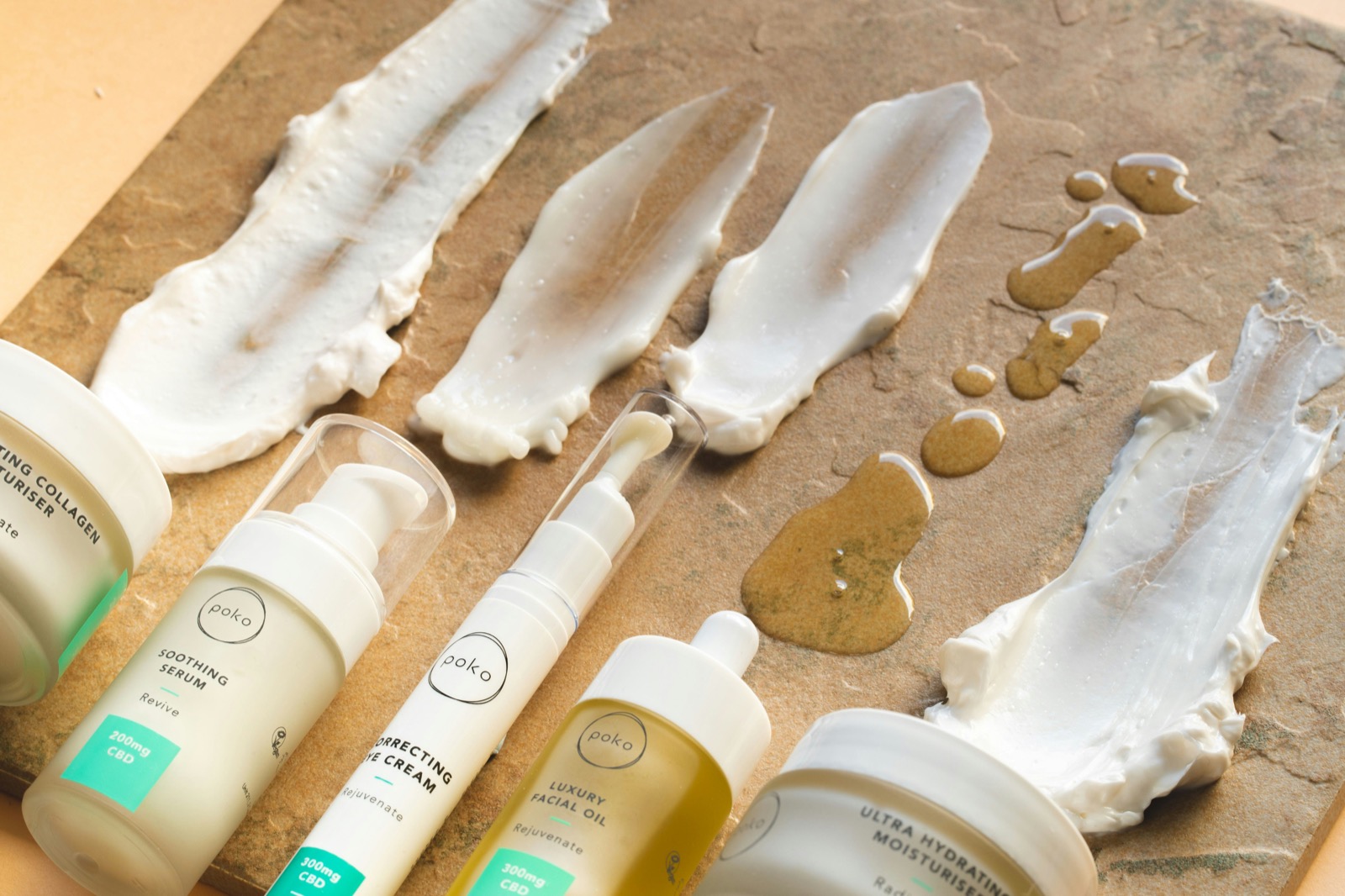
While double cleansing is celebrated today across global beauty communities, its roots do not lie in modern social media trends. The two-phase cleansing ritual is deeply anchored in Japanese cultural history and dermatology philosophy. Developed centuries ago to remove stubborn theatrical stage cosmetics, the practice revolutionized facial cleansing by replacing abrasive scrubbing with gentle chemical dissolution.
Quick answer:
Where did the double cleansing method originate?
The double cleansing method originated in Japan during the Edo period (1603–1867), when Kabuki actors and geisha used camellia seed oil followed by rice bran powder to dissolve heavy white wax foundations (*oshiroi*). Modern Japanese double cleansing pairs a lipid-based cleanser (oil or balm) to dissolve oil-soluble sunscreen, makeup, and sebum with an aqueous micro-foam wash to sweep away perspiration and airborne dust without friction.
The Cultural Origin: How Japanese Performers Invented Double Cleansing
During Japan's Edo period, classical theater performers and geisha wore distinctive white makeup known as oshiroi. This opaque white paste was formulated from ground minerals (initially lead or zinc) compounded with waxy animal or vegetable fats and pomades (bintsuke-abura) to ensure it adhered through long stage performances.
Traditional lye-based soaps and plain water could not dissolve these heavy lipophilic cosmetics. Attempting to scrub the paste off caused extreme facial irritation, micro-abrasions, and barrier breakdown. Performers discovered a two-step solution using indigenous botanicals:

- Step 1: Oil Dissolution (Tsubaki-abura): Performers massaged pure native camellia seed oil into the skin. The rich oleic acid melted the stubborn waxy foundation into an easily moveable liquid suspension.
- Step 2: Surfactant Washing (Kome-nuka): Because raw camellia oil left a heavy residue, performers washed their face using fermented rice bran enclosed in fine cotton bags (nuka-bukuro). When soaked in warm water, the rice bran released natural saponins and fine starches that absorbed remaining oil droplets and gently polished the skin.
This historic pairing established the foundational principle of Japanese skincare: purify thoroughly through chemistry rather than mechanical force.
The Chemical Principle of "Like Dissolves Like"
The enduring success of Japanese double cleansing (daburu sengan) rests on basic solubility science. Facial impurities fall into two distinct chemical categories:
- Lipophilic (Oil-Soluble) Impurities: Water-resistant sunscreen filters, silicone-based foundation primers, long-wear pigments, and oxidized squalene plugs inside pores are non-polar. Water molecules simply glide past them. Only a lipophilic solvent—such as botanical or mineral cleansing oils—can dissolve these bonds effortlessly.
- Hydrophilic (Water-Soluble) Impurities: Daily sweat salts, atmospheric dust, pollen, and exfoliated surface corneocytes are polar compounds. They require water and aqueous surfactants to lift and carry them away.
Attempting to dissolve water-resistant makeup and stubborn sebum with a single strong detergent soap requires harsh surfactants and vigorous scrubbing. Clinical dermatologists strongly advise against aggressive rubbing. Resist the temptation to scrub your skin because scrubbing irritates the skin.[1]
By utilizing double cleansing, the oil phase effortlessly liquefies makeup, while the second foaming phase washes away residual impurities with zero mechanical strain on delicate epidermal collagen fibers.
Historical Evolution: From Edo Rituals to Modern Cleansing Oils
While Japanese women practiced variations of two-step cleansing for generations using cold creams and facial soaps, the modern era of double cleansing began in 1967. Japanese makeup artist Shu Uemura formulated the first mass-market hydrophilic cleansing oil ("Unmask").
Before this breakthrough, removing cosmetic oils required intense wiping with tissues or cloth, which caused chronic mechanical micro-tears. Hydrophilic cleansing oil solved this issue by incorporating gentle non-ionic emulsifiers into botanical and mineral oil bases. When water is added, the oil instantly transforms into a light, milky fluid that rinses clean away without leaving a greasy barrier.
Throughout the 1970s and 1980s, major Japanese cosmetic houses refined this technology, introducing varied textures including melting balms, cleansing milks, and ultra-gentle foaming cleansers that cater to different skin sensitivities.
Step-by-Step Modern Japanese Double Cleansing Method
To practice authentic Japanese double cleansing at home without over-stripping your skin, follow this standardized sequence:
Phase 1: Oil Cleansing (Dissolution & Emulsification)
- Start Dry: Ensure your hands and face are completely dry. Water on wet hands will cause the oil to emulsify prematurely, reducing its capacity to dissolve waxy cosmetics.
- Gentle Glide: Dispense 2 to 3 pumps of cleansing oil into your palms. Gently glide the oil across your forehead, cheeks, and nose for 30 to 45 seconds using your fingertips. While washing, resist the temptation to scrub your skin, even to remove makeup.[2]
- The Critical Emulsification Step: Splash a small amount of lukewarm water onto your face and massage lightly. The clear oil will instantly turn milky white. This phase breaks the surface tension, encapsulating dissolved makeup inside tiny micellar droplets.
- Initial Rinse: Rinse thoroughly with lukewarm water until the slick feel is gone.
Phase 2: Water-Based Foam Cleansing (Sweeping Away Residue)
- Build a Dense Cushion: Wet your face with lukewarm water and use your fingertips to apply cleanser.[1] Work your foaming cleanser into a rich, dense lather between your palms or using a foaming net (awa net).
- Wash with Foam Cushion, Not Fingers: Place the micro-foam cushion onto your skin and press gently. Allow the elastic bubbles to roll over the face, drawing out perspiration and residue without your fingertips dragging across the skin.
- Thorough Rinse: Rinse with lukewarm water and pat dry with a soft towel.[1] Keep your water temperature moderate; limit baths and showers to five to ten minutes, using warm water.[3]
- Immediate Hydration: Within 30 seconds of drying, apply hydrating lotion (keshosui) and an emulsion (nyueki) to restore the acid mantle. DO apply moisturizer after cleansing. Although you have oily skin, it is still important to apply moisturizer to keep your skin hydrated.[2]
Comparing Double Cleansing Product Formats
Japanese drugstores offer an extensive variety of first-step cleansers tailored to different skin profiles:
Scroll horizontally to view the full comparison.
| Format | Texture & Base | Cleansing Strength | Recommended Skin Type |
|---|---|---|---|
| Cleansing Oil | Fluid botanical or ester oil blend; fast-acting hydrophilic rinse | High (Waterproof mascara, mineral sunscreen, heavy foundation) | Normal, oily, combination, or heavy makeup wearers |
| Cleansing Balm | Solid wax-oil hybrid that melts at body temperature into a silky oil | High (Long-wear makeup, oxidized sebum plugs) | Combination to dry skin seeking luxurious texture cushion |
| Cleansing Milk | Gentle water-oil emulsion with elevated humectant content | Mild to moderate (Daily non-waterproof sunscreen, tinted cream) | Sensitive, dry, or barrier-compromised skin |
| Foaming Wash (Step 2) | Amino acid or low-alkaline whipped water-based lather | Targeted aqueous sweep (Pollen, dust, sweat salts) | All skin types as the mandatory second step |