Edo Period Makeup & Beauty Secrets in Japanese History
How Japan WorksBy Miho Tanaka
title: Edo Period Makeup & Beauty Secrets in Japanese History
h1: Edo Period Makeup & Beauty Secrets in Japanese History
description: Explore Edo period makeup and beauty secrets. Discover the 1813 Kewaiden beauty text, three cosmetic colors, rice bran rituals, and J-beauty roots.
meta_description: Explore Edo period makeup and beauty secrets. Discover the 1813 Kewaiden beauty text, three cosmetic colors, rice bran rituals, and J-beauty roots.
category: how-japan-works
slug: edo-period-makeup-and-beauty-secrets-japan
publish: false
published_at: 2026-11-19
hero_image: /images/stock/micro-fine-setting-powder-and-brush-texture.jpg
hero_image_alt: Fine white setting powder and artisan brush evoking traditional Japanese cosmetics
Edo Period Makeup & Beauty Secrets in Japanese History
When walking through a bustling cosmetic floor in Tokyo today, the array of featherweight lotions, fine powders, and botanical oils reflects a grooming tradition centuries in the making. While Japan's classical Heian period (794–1185) confined beauty rituals to a tiny imperial elite hidden behind palace screens, the Edo period (1603–1867) transformed personal grooming into a vibrant, widespread cultural art. Over more than two centuries of peace and urbanization under the rule of the Tokugawa shogunate, makeup evolved from an aristocratic privilege into a daily discipline practiced by townspeople, theater performers, geisha, and merchants alike[1].
Rather than viewing cosmetics as a heavy mask to alter facial features, Edo-era aesthetics prioritized harmony, cleanliness, and skin preparation. Published in 1813 by Sayama Hanshichi, the Miyako Fuzoku Kewaiden stands as Japan's earliest comprehensive beauty manual. This landmark guide taught generations of women that true beauty starts with attentive skin cleansing and meticulous blending rather than thick paint. By examining the three traditional cosmetic colors, communal bathhouse rituals, and botanical preparations of the Edo era, beauty enthusiasts can uncover the exact cultural foundations that make modern Japanese skincare unique.
Quick answer: What were the beauty secrets of the Edo period?
Edo-period makeup centered on three symbolic colors: white (*oshiroi* face powder), black (*ohaguro* lacquered teeth and oiled hair), and red (*beni* safflower rouge). Rather than heavy coverage, women used botanical toners like loofah vine water (*hechima-sui*) and washed with rice bran pouches (*nuka-bukuro*) in bathhouses to keep skin soft. The 1813 beauty manual *Miyako Fuzoku Kewaiden* established the foundational J-beauty rule that smooth, well-hydrated skin must precede any cosmetic application.
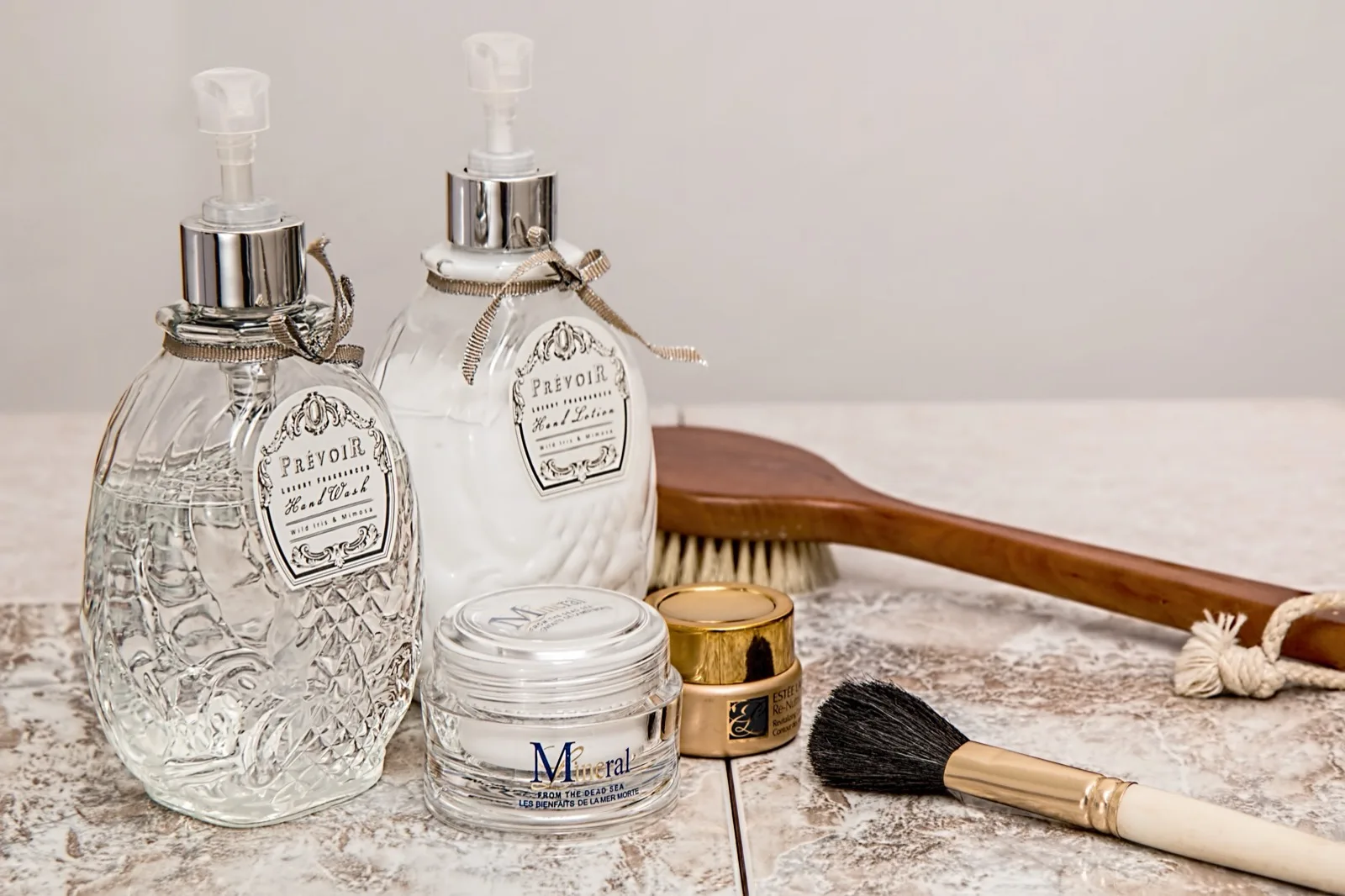
Edo beauty masters emphasized meticulous blending of fine powder to achieve a smooth, natural finish that harmonized with skin texture.
The Three Traditional Colors of Edo Makeup (San-shoku)
Unlike modern cosmetic counters that feature hundreds of eyeshadow palettes and foundation shades, Edo cosmetic aesthetics operated around a strict triad of primary colors: white, black, and red. Every formal makeup routine, from everyday townswomen to high-ranking courtesans, balanced these three symbolic tones to create visual elegance.
+-------------------------------------------------------+
|          THE EDO THREE-COLOR PALETTE (SAN-SHOKU)      |
+--------------------+----------------------------------+
| Color              | Cosmetic Medium & Role           |
+--------------------+----------------------------------+
| White (Shiro)      | Oshiroi (Face, neck, and nape)   |
| Black (Kuro)       | Ohaguro (Teeth) & Hair Pomade    |
| Red (Beni)         | Safflower Rouge (Lips & Accents) |
+--------------------+----------------------------------+
1. White (Shiro): The Art of Oshiroi Application
White powder symbolized purity, cleanliness, and elevated social standing. Applied as a classic white powder foundation traditionally used by kabuki actors, geisha, and stylish townswomen, oshiroi transformed the face into a clean, luminous canvas[2]. Women applied oshiroi not only to the face but also down the neck, across the collarbones, and over the nape of the neck (eri-ashi).
Because kimonos dipped low at the back, leaving the collar visible, an uncovered nape was traditionally considered erotic in Japanese culture, making careful powder application essential[2]. In early eras, lead-based powders were used for their smooth coverage and adhesive quality, though commoners frequently relied on rice flour (kome-no-ko) and later zinc-based alternatives. Crucially, cosmetic masters advised women to repeatedly pat and blend white powder onto damp skin until it melded naturally with the complexion, insisting that powder should appear as an extension of glowing bare skin.
2. Black (Kuro): Ohaguro and Glossy Hair
Black represented maturity, social fidelity, and enduring constancy. Its two primary expressions were elaborate hairstyles (nihongami) and tooth blackening (ohaguro).
Townswomen prepared ohaguro by applying a pungent solution of iron filings and vinegar mixed with vegetable tannins to coat their teeth in glossy lacquer[3]. During the Edo era, tooth blackening was practiced mainly by married women and established courtesans as a visible sign of maturity and matrimonial loyalty[3]. In candlelit wooden rooms, teeth coated in glossy black lacquer created a striking contrast with powdered white skin, offsetting the yellowish tint that natural teeth often displayed against pale cosmetics. Furthermore, the vegetable tannins formed a protective astringent layer that historically helped guard against tooth decay.
Upon marriage or motherhood, women adopted hikimayu, the practice of removing the natural eyebrows and painting smudge-like eyebrows on the forehead using soft charcoal ink[4]. This deliberate styling conveyed quiet dignity and emotional composure.
3. Red (Beni): The Luxury of Safflower Pigment
Red represented vitality, warmth, and protective fortune. The sole natural source for cosmetic red in Edo Japan was benibana (safflower), primarily cultivated in the Mogami river basin of Yamagata. Yellow safflower petals to isolate pure crimson carthamin, natural beni produced an intense red stain that commanded extraordinary prices across major trading cities[5].
Women stored beni dried inside small porcelain bowls or seashell halves. When activated with a moist brush, the crimson pigment was painted onto the lips, cheekbones, and the outer corners of the eyes. During the fashion-forward Bunka-Bunsei period (1804–1830), a dramatic trend emerged in Edo: concentrated safflower pigment applied heavily to the lower lip refracted light into a striking iridescent green sheen known as sasa-beni. This lustrous beetle-wing sheen signaled both supreme luxury and chic urban flair (iki).
Traditional safflower rouge was stored in miniature porcelain vessels and applied with artisan badger-hair brushes for precise color control.
Comparison: Edo Beauty Practices vs Modern J-Beauty
The techniques pioneered during the Edo period continue to shape modern Japanese cosmetic formulation, application methods, and daily skincare routines.
Scroll horizontally to view full table
Aspect
Edo Period Practice (1603–1867)
Modern J-Beauty Equivalent
Enduring Cultural Philosophy
Skin Prep
Loofah water (hechima-sui) applied repeatedly before powder
Layered hydrating lotions (keshosui) before emulsion
Plump, hydrated skin creates the only proper base for makeup
Cleansing
Rice bran bags (nuka-bukuro) in communal bathhouses
Fermented rice and enzyme facial cleansing powders
Gentle physical smoothing without stripping natural surface lipids
Hair Care
Pure camellia oil (tsubaki-abura) with boxwood combs
Silicone-free camellia hair oils and scalp-care serums
Nourishing high-oleic botanical lipids for lasting moisture and slip
Complexion
Three-color palette: white powder, black accents, red lip rouge
Sheer mineral powders, natural brow tint, understated lip color
Subtle enhancement of native facial contours rather than heavy reshaping
Aesthetic Tone
Urban refinement (iki) and understated grace
Translucent radiance (tsuya) and clean bare-skin finish
Restraint and polished elegance outshine loud, dramatic artifice
The 1813 Cosmetic Bible: Miyako Fuzoku Kewaiden
The documentation of Edo beauty reached its zenith in 1813 with the publication of Miyako Fuzoku Kewaiden (The Capital's Guide to Customs and Cosmetics). Authored by Sayama Hanshichi with expressive woodblock illustrations, this three-volume treatise served as a practical handbook for women across social classes.
What distinguished the Kewaiden from earlier court manuals was its practical focus on skincare fundamentals. The author argued that cosmetics applied over neglected, rough skin would inevitably look dry and unappealing. To achieve an enviable complexion, the manual instructed readers to prioritize the following steps:
Vigorous Warm-Water Washing: Softening the stratum corneum with steamed cloths before attempting any powder application.
Layered Botanical Dampening: Patting herbal liquids into the face to ensure the skin held enough surface moisture to bind powder without heavy grease.
Featherweight Gradation: Applying powder concentrated around the center of the face and blending outward toward the hair roots and jawline in delicate gradients.
Bedtime Purification: Completely removing pigments each night using plant-based oils and warm water to allow the complexion to rest.
This instructional framework laid the philosophical groundwork for modern Japanese multi-step skincare: prep thoroughly, hydrate deeply, apply sparingly, and cleanse gently.
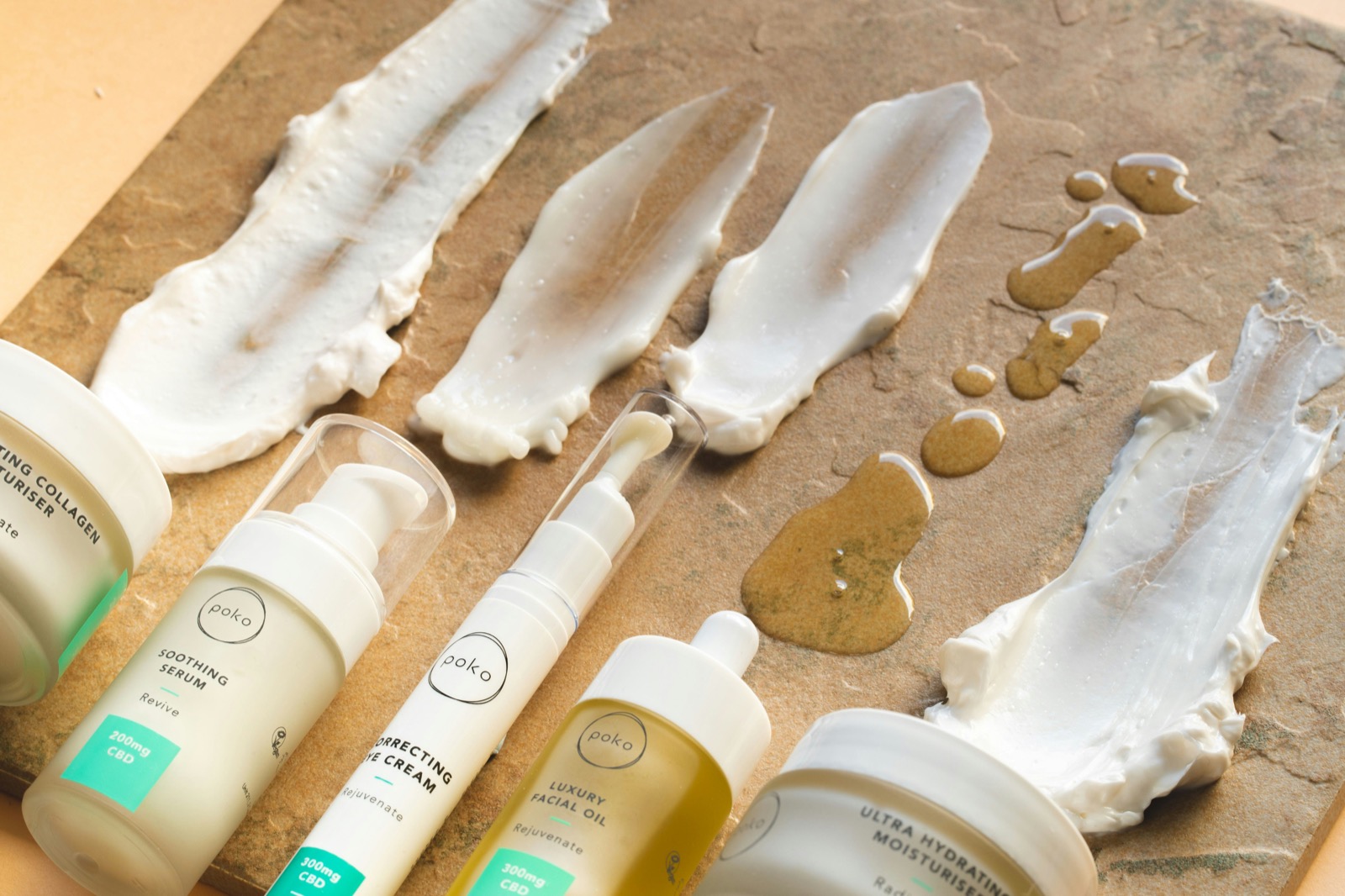
From rice flour to crushed mineral pigments, Edo cosmetic makers utilized finely ground natural ingredients to craft breathable skin preparations.
Bathhouse Skincare Secrets: Rice Bran, Camellia Oil & Loofah Water
Because private bathing facilities were rare in crowded Edo neighborhoods, daily hygiene centered around communal bathhouses (sento). These bathhouses functioned as public beauty salons where townspeople shared grooming advice and practiced time-tested botanical body rituals.
1. Nuka-Bukuro: The Rice Bran Cleansing Pouch
Rice has always been the dietary and cultural heartbeat of Japan, but Edo women recognized that the byproduct of rice polishing held exceptional skincare properties. In neighborhood bathhouses, bathers cleansed their faces with pouches filled with nutrient-dense rice bran, derived from the hard outer brown layer of rice called bran[6].
When soaked in hot bath water, the pouch released a milky, emollient liquid packed with vitamin E, ferulic acid, and gamma-oryzanol. Bathers rubbed the soft cloth gently across their limbs and face, cleansing away grime while depositing protective plant lipids onto the skin. The result was soft, conditioned skin that resisted seasonal dryness without requiring heavy creams.
2. Hechima-Sui: Nature's Original Facial Toner
Long before laboratory-formulated hydrating lotions existed, Japanese households harvested their own botanical essence. Harvested loofah vine water, known as hechima-sui, was collected in autumn to serve as a refreshing botanical lotion before powder application.
To collect it, gardeners severed the mature loofah vine a few feet above the ground and inserted the cut stem directly into a clean glass bottle. Overnight, the root pressure drew up gallons of clear, nutrient-rich sap containing saponins, amino acids, and natural polysaccharides. Hechima-sui was celebrated for its cooling, non-sticky hydration, calming skin after hot baths and ensuring smooth powder distribution.
3. Tsubaki-Abura and Boxwood Combs
Intricate Edo hairstyles required meticulous upkeep. Derived from camellia seeds, traditional hair oil was celebrated because oleic acid, a monounsaturated fatty acid comprises ~80% of the total fatty acid content, delivering exceptional slip and moisture retention[7].
Women applied small drops to their hair to impart a deep, glossy sheen without greasiness. Furthermore, artisan combs carved from fine Satsuma boxwood (tsuge-gushi) were routinely soaked in camellia oil for weeks. Combing hair with oil-infused boxwood prevented static buildup, smoothed flyaways, and evenly dispersed protective lipids from root to tip.
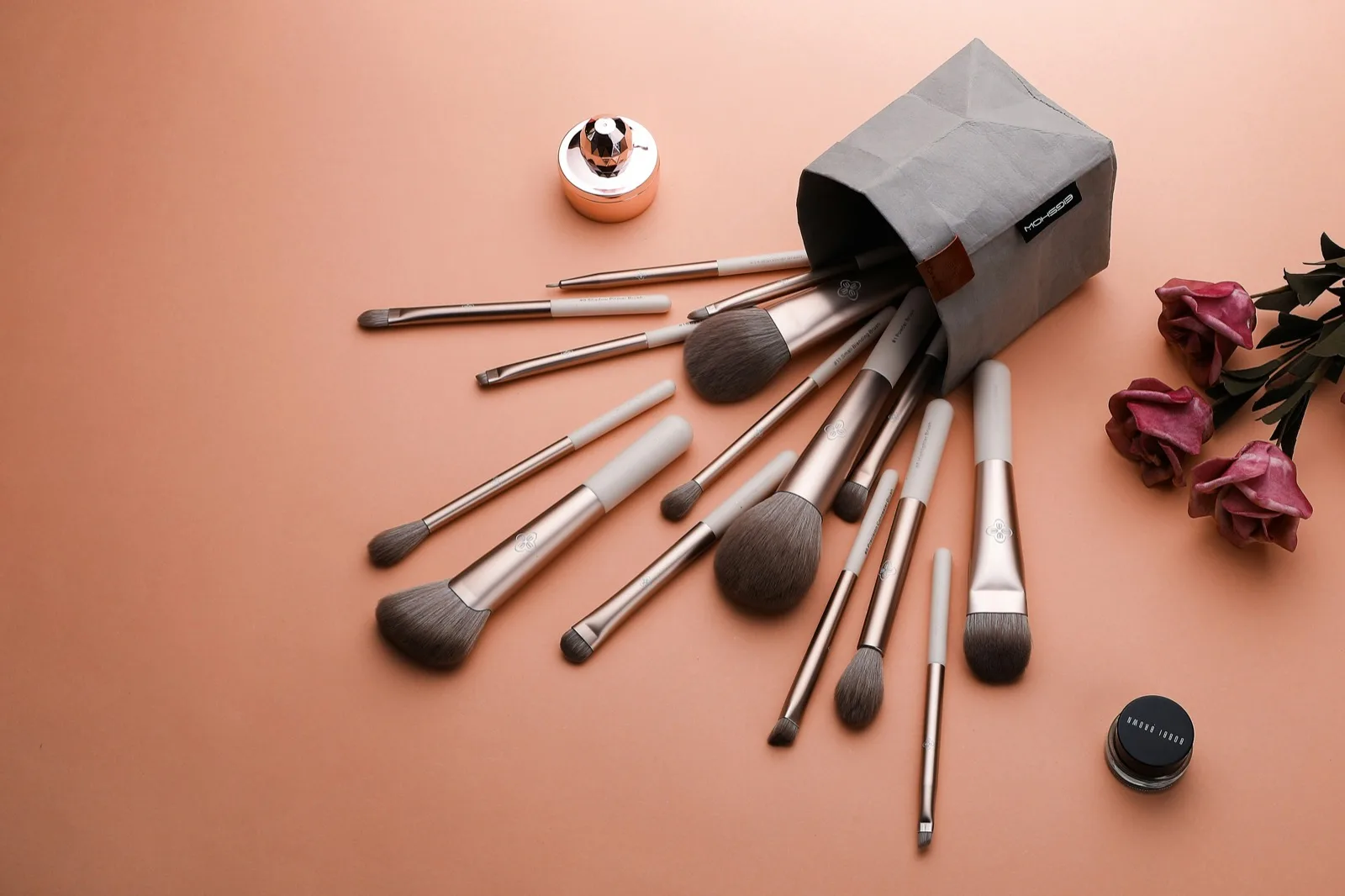
Precision brushes and deliberate application techniques allowed Edo women to achieve nuanced color transitions on lips and cheekbones.
What Edo Period Rituals Teach Modern J-Beauty Lovers
Modern skincare often fixates on aggressive actives, rapid overnight transformations, and heavy concealing. Returning to the foundational lessons of the Edo period offers a grounding, restorative perspective on personal care:
Hydration Precedes Decoration: Just as the Kewaiden taught that powder cannot look smooth on dry skin, contemporary J-beauty insists that makeup is only as good as the moisture barrier underneath.
Respect for Native Botanical Lipids: Ingredients like rice bran extract (Oryza sativa) and camellia oil (Camellia japonica) remain core pillars of Japanese skincare because their fatty acid structures naturally support human skin barrier resilience.
Communal Wellness and Relaxation: Taking time to soak, steam, and massage skin in a warm bath (o-furo) promotes circulation and enhances the absorption of topical hydration.
The Beauty of Restraint: Edo aesthetics celebrated iki—a chic, understated sophistication that eschewed garish display in favor of subtle, polished details.
Signs to Stop and When to See a Doctor
While traditional Edo-inspired beauty rituals utilize gentle natural ingredients like rice bran, camellia oil, and loofah water, modern skin can still experience adverse reactions:
Grain or Plant Allergies: If using rice bran pouches (nuka-bukuro) or botanical extracts causes redness, itching, or contact hives, rinse thoroughly with cool water and discontinue use immediately.
Oil-Induced Congestion: Heavy botanical oils such as unrefined camellia oil can exacerbate acne or folliculitis in blemish-prone skin types. If breakouts or clogged pores emerge, switch to lighter, fluid hydrating emulsions.
Severe Dermatitis or Chronic Skin Conditions: Historical beauty practices are intended for gentle aesthetic maintenance, not medical treatment. If you experience persistent contact dermatitis, severe flaking, or eczema flares, consult a board-certified dermatologist promptly.
FAQ
Q1. Why did women in the Edo period blacken their teeth?
A. Ohaguro signaled marital status and provided contrast in candlelit rooms.(Details)
Tooth blackening (*ohaguro*) was a major cosmetic and social milestone in Edo Japan. It primarily signaled that a woman was married or had reached full adult maturity. Beyond its social symbolism, *ohaguro* served practical aesthetic goals: in low-light architectural interiors lit only by candles, teeth appeared noticeably yellow against white face powder (*oshiroi*). Coating teeth in glossy black lacquer created a harmonious, deliberate contrast. Furthermore, the iron acetate and vegetable tannins historically acted as an astringent coating that helped inhibit tooth decay.
Q2. What was the green lip color trend in the Edo period?
A. Pure safflower rouge produced an iridescent green sheen called sasa-beni.(Details)
During the Bunka-Bunsei period (1804–1830), urban women in Edo popularized a trend called *sasa-beni* (bamboo-grass rouge). Highly concentrated red carthamin pigment extracted from safflower (*benibana*) refracts light into an iridescent, metallic greenish-gold sheen when applied in thick crystallized layers to the lower lip. Because safflower extract was exceptionally expensive, displaying this green-gold iridescence was an overt symbol of wealth, sophistication, and cutting-edge fashion.
Q3. What ingredients were used to wash the face before commercial cleansers?
A. Women used rice bran pouches (nuka-bukuro) and loofah vine water.(Details)
Before synthetic surfactants and commercial soaps became common in Japan, daily facial and body cleansing relied on natural botanical byproducts. The most widespread tool was *nuka-bukuro*, a fine cotton or silk pouch packed with freshly polished rice bran. When wetted in warm bath water, it released an emollient, vitamin-rich cleansing milk. For removing stubborn white powders, some bathers utilized *uguisu no fun* (powdered nightingale droppings containing natural enzymes), followed by refreshing applications of loofah sap (*hechima-sui*).
Q4. How does Edo makeup philosophy compare to modern J-Beauty?
A. Both emphasize skin preparation, hydration layering, and subtle natural radiance.(Details)
Modern Japanese skincare inherits its core values directly from the Edo period. The Edo insistence that skin must be thoroughly hydrated with botanical liquids before applying powder mirrors today's ritual of layering *keshosui* (lotion) and emulsion before makeup. Additionally, modern concepts like *mochi skin* (soft, firm, and plump) and *tsuya* (natural translucency) prioritize skin health and gentle barrier support rather than heavy corrective coverage, reflecting the timeless aesthetic codified in the 1813 *Miyako Fuzoku Kewaiden*.
Q5. Are traditional Edo beauty ingredients still used in modern Japanese skincare?
A. Yes, camellia oil, rice bran extracts, and fermented botanicals remain staple ingredients.(Details)
Many traditional Edo ingredients remain prominent in modern Japanese cosmetic formulas. Camellia japonica seed oil (*tsubaki oil*) is a leading ingredient in Japanese hair serums and cleansing oils due to its high concentration of oleic acid. Similarly, rice bran oil, rice ferment filtrate, and loofah extract are widely incorporated into modern drugstore and luxury cleansers, sheet masks, and barrier-support moisturizers for their gentle, nourishing properties.
Summary
The beauty rituals of the Edo period reveal that Japan's renowned approach to skincare is not a recent commercial trend, but the culmination of centuries of thoughtful aesthetic evolution:
The Triad of Colors: Traditional Edo beauty balanced white powder (oshiroi), black teeth and hair (ohaguro and nihongami), and red safflower rouge (beni), prioritizing visual harmony over artificial facial alteration.
The First Cosmetic Manual: Published in 1813, the Miyako Fuzoku Kewaiden established that flawless cosmetic wear depends entirely on thorough cleansing, hydration layering, and gradual blending.
Botanical Ingenuity: Everyday grooming relied on nutrient-rich agricultural byproducts—rice bran pouches for gentle cleansing, loofah vine sap for hydration, and camellia seed oil for cuticle conditioning.
Enduring J-Beauty Lineage: By embracing patience, skin barrier nourishment, and understated elegance, modern skincare lovers can channel the timeless wisdom of Edo beauty masters in their daily routines.
Disclaimer: This article is for general information and education about Japanese cosmetics and their labels. It is not a substitute for professional medical advice, diagnosis, or treatment. Skincare results vary from person to person. Product formulas, availability, prices, and regulations change, and products sold in Japan can differ from versions sold elsewhere, so always check the current label. Do a patch test before introducing a new product, and consult a doctor or dermatologist if you have a skin condition or specific concerns.