title: Fragrance-Free vs Lightly Scented Japanese Cosmetics slug: fragrance-free-vs-lightly-scented-japanese-cosmetics category: how-japan-works meta_description: Explore fragrance-free (mukoryo) versus lightly scented (bikosei) Japanese cosmetics. Discover scent etiquette, natural essential oils, and skin safety. date: 2026-11-19 author: Editorial Team hero_image: /images/stock/natural-herbs-and-fragrance-skincare.jpg hero_alt: Natural herbal extracts and subtle botanical skincare aromatics arranged neatly
Fragrance-Free vs Lightly Scented Japanese Cosmetics
Japanese beauty approaches cosmetic aroma through a lens of social consideration and dermatological gentleness. Consumers primarily choose between fragrance-free (*mukoryo*) formulas—which contain zero added aromatic chemicals to safeguard reactive skin—and lightly scented (*bikosei*) products that feature subtle, transient botanical notes. Unlike intensely perfumed Western skincare, Japanese scented cosmetics avoid overwhelming projection, ensuring that daily facial rituals offer a calming sensory moment without irritating delicate complexions or disrupting crowded public spaces.
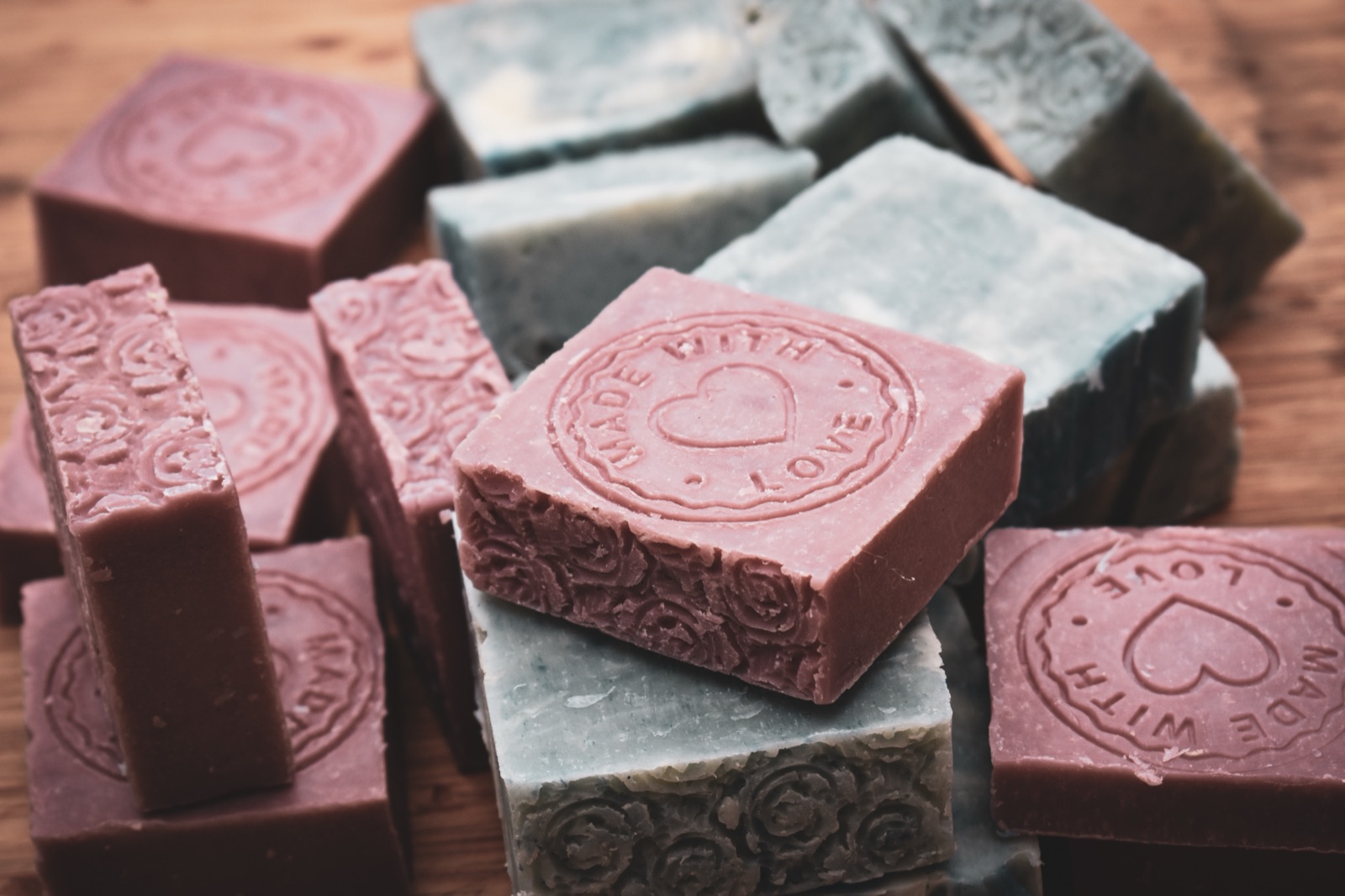
When stepping into a Japanese drugstore or department store beauty hall, one of the first sensory details international visitors notice is the remarkable subtlety of scent. While Western skincare aisles often envelope shoppers in bold floral perfumes or sweet gourmand fragrances, Japanese cosmetics are characterized by restrained olfactory profiles.
This cultural preference shapes two distinct cosmetic categories: fragrance-free (mukoryo) and lightly scented (bikosei). Understanding the engineering, safety distinctions, and social etiquette behind these categories helps you select formulas that align with your skin sensitivity and lifestyle preferences.
1. Cultural Context: The Social Etiquette of Scent in Japan
In Japanese society, personal space and collective comfort are deeply intertwined. Strong perfumes, intense body sprays, and lingering skincare fragrances are widely seen as intrusive—a concern formalized in the Japanese workplace term sumehara (smell harassment).
Because public trains, open-plan offices, and compact dining spaces bring people into close physical proximity, strong lingering scents are discouraged. Consequently:
- Discretion is prized: If a product carries a scent, it is engineered to dissipate within minutes of application, rather than lingering as a personal cloud.
- The bathroom as a sanctuary: Aromas in Japanese skincare are designed for intimate, solitary enjoyment during the evening bath or morning wash rather than public projection.
- Respect for clean linen and dining: Subtle notes prevent cosmetic aromas from clashing with green tea, delicate cuisine, or crisp clothing.
2. Defining the Categories: Mukoryo vs. Bikosei
To make informed choices, it is important to decode what Japanese packaging actually signifies:

Fragrance-Free (Mukoryo)
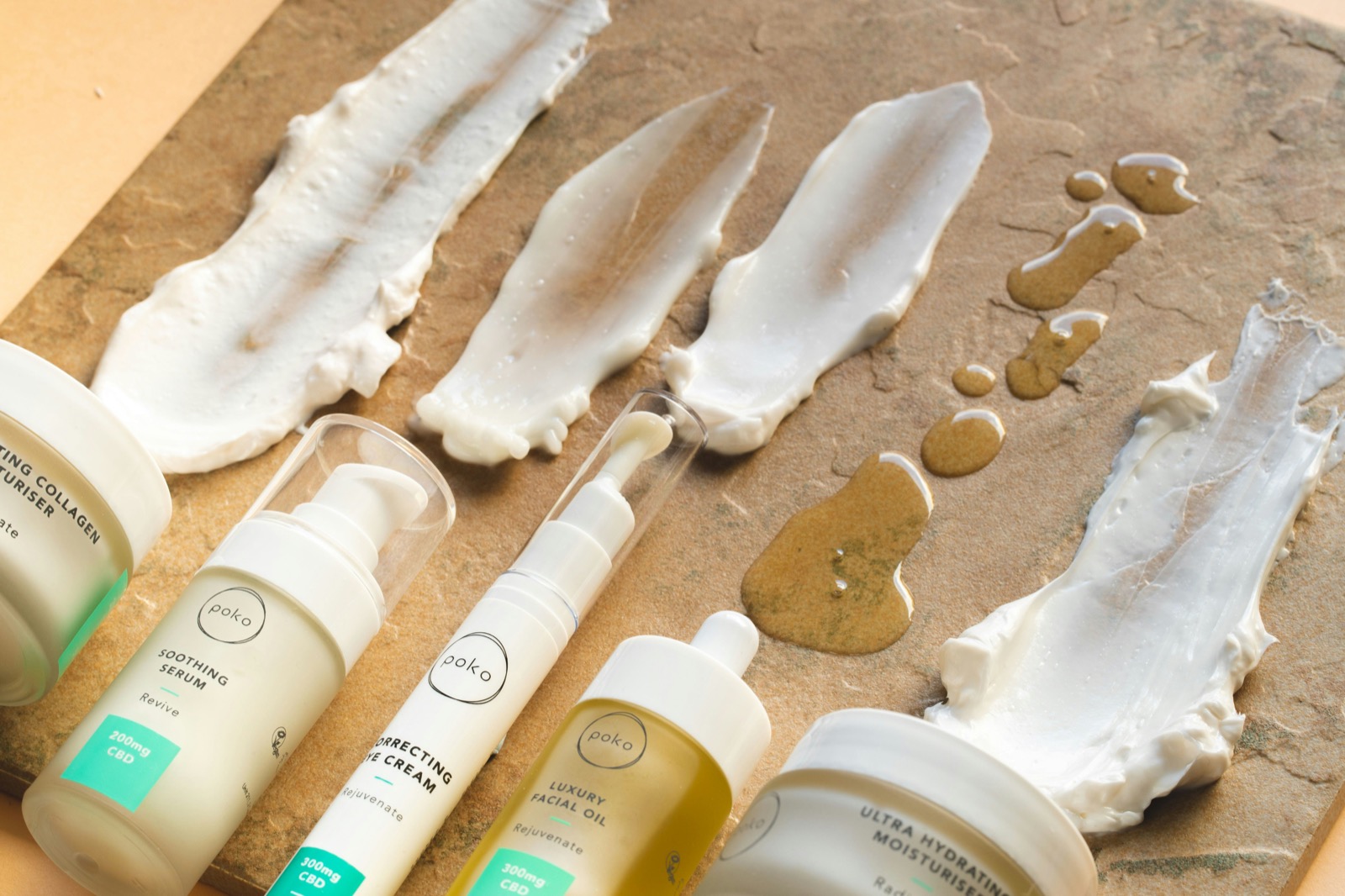
Under Japanese cosmetic standards, mukoryo legally indicates that no added synthetic fragrance or perfume compound was included specifically to scent the formula.
- Raw ingredient character: A mukoryo product is not necessarily scentless. It may carry the natural earthy, yeasty, or citrusy aroma of raw botanicals, ferments, or vitamins.
- Target audience: Optimal for barrier-compromised skin, eczema-prone skin, infants, and anyone prone to contact dermatitis.
Lightly Scented (Bikosei)
The term bikosei designates products deliberately formulated with low-concentration aromatic compounds. Rather than aggressive synthetic musks, Japanese formulators focus on fleeting, delicate accords:
- Low concentration threshold: Aromatic additions are kept at minimal levels (frequently under 0.1 percent), ensuring notes remain soft and dissipate quickly after massage.
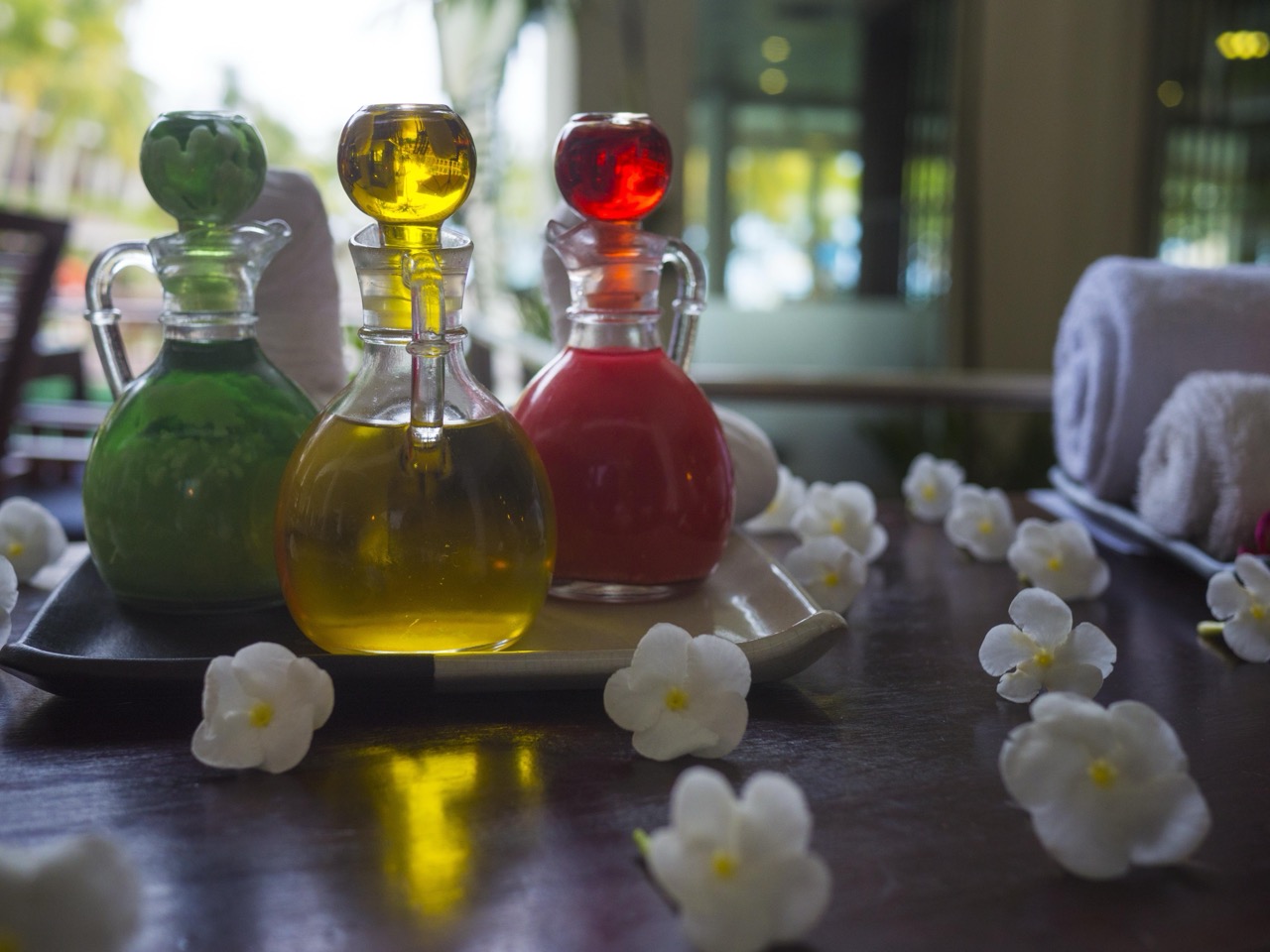
- Natural essential oil blends: Natural lightly scented formulas derive notes from essential oils composed of hydrophobic volatile organic compounds[1], such as yuzu peel oil, Japanese hinoki cypress, damask rose water, or lavender.
- Mindful relaxation: The aroma is intended to signal relaxation during the skincare ritual, supporting mindful breathing without stressing the skin.
3. Dermatological Considerations: Allergens and Barrier Safety
Aroma chemicals—both synthetic and natural—represent one of the most frequent triggers of cosmetic sensitivities. Unsuitable fragrance compounds can trigger contact dermatitis, a type of acute or chronic inflammation of the skin[2] that manifests as redness, itching, and flaking.
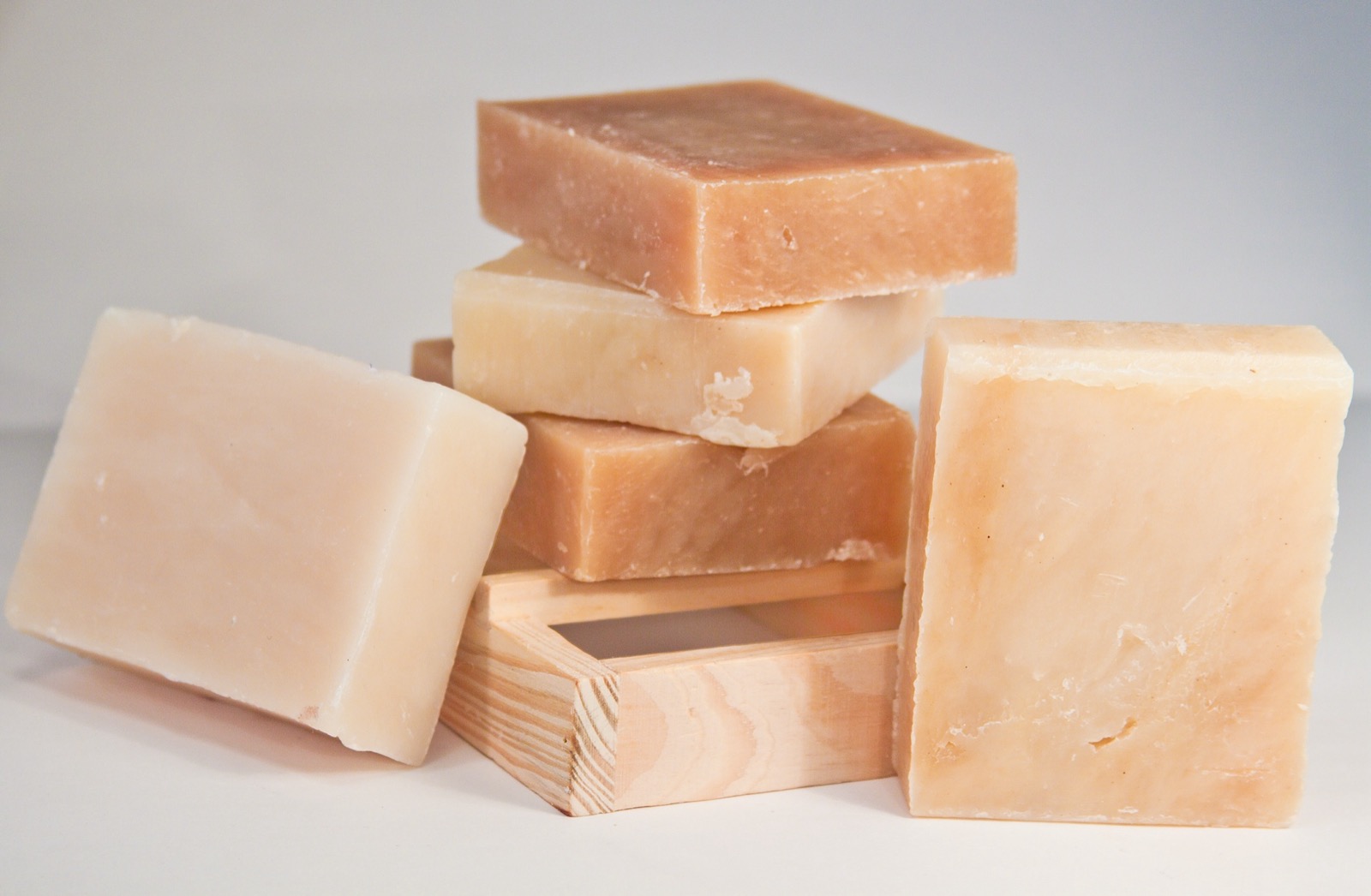
Synthetic Fragrances vs. Natural Essential Oils
A common myth is that natural plant oils are inherently safer than synthetic aroma chemicals. In reality:
- Commercial perfumes formulate an intricate mixture of fragrant essential oils or aroma compounds[3] that undergo extensive stabilization testing.
- Natural essential oils contain complex chemical cocktails including naturally occurring terpenes (such as limonene, linalool, and geraniol) that can oxidize when exposed to air and light, creating reactive contact allergens.
Skincare barriers reside in the stratum corneum, the outermost layer of the epidermis[4]. When the stratum corneum is compromised by eczema, harsh winter air, or over-exfoliation, both synthetic fragrances and raw essential oils can enter micro-fissures and provoke inflammatory cascades.
4. Comparing Mukoryo and Bikosei Formulations
To decide which approach suits your routine, review their primary differences:
Scroll horizontally to view full table
| Comparison Factor | Fragrance-Free (*Mukoryo*) | Lightly Scented (*Bikosei*) | Western Heavily Perfumed |
|---|---|---|---|
| Added Aroma Level | 0.0% added fragrance chemicals | Trace level (<0.1% to 0.3%) | Moderate to high (1.0% to 2.5%+) |
| Source of Aroma | Inherent raw ingredients only | Plant oils (yuzu, hinoki, herbs) | Synthetic perfumes, heavy musks |
| Scent Longevity | Fades immediately upon spreading | Lingers for 1 to 5 minutes | Can linger for hours on skin |
| Contact Allergy Risk | Lowest possible risk profile | Low, but possible with plant oils | Elevated for sensitive complexions |
| Primary Purpose | Barrier safety and dermatological care | Sensory relaxation during ritual | Signature branding & luxury masking |
| Ideal Skin Profiles | Atopic, rosacea, reactive, peeling skin | Normal, resilient, dry complexions | Resilient skin seeking fragrance |