title: "Hard Water vs Soft Water Impact on Japanese Skincare: Guide" description: "Discover how hard water vs soft water impacts Japanese skincare. Learn mineral scum chemistry, barrier disruption, foaming Net fixes, and softening tips." category: "how-japan-works" slug: "hard-water-vs-soft-water-impact-on-japanese-skincare-routine" hero_image: "/images/stock/dermatologist-vs-chemist-water-ripple-hydration.webp" hero_image_alt: "Pristine water ripples demonstrating mineral composition differences in skincare water" published_at: "2026-11-20" last_modified_at: "2026-11-20"
Hard Water vs Soft Water Impact on Japanese Skincare: Guide
When beauty travelers visit Japan, they frequently notice their skin becoming remarkably soft, hydrated, and calm within days of arrival. While high-grade cosmetics play a significant role, an invisible environmental factor is equally responsible: Japan's municipal tap water is exceptionally soft. In contrast, residents of North America, Europe, and parts of the UK frequently wash their faces with hard water laden with dissolved calcium and magnesium ions.
Japanese skincare formulations—from whip-foam cleansers to watery essence lotions (keshosui)—are specifically developed and laboratory-tested using soft water. Understanding the chemistry of water hardness allows you to adapt your routine wherever you live.
Japanese tap water is predominantly soft (under 50 mg/L mineral hardness), whereas hard water in North America and Europe (over 150 mg/L) reacts with soap surfactants to create insoluble calcium scum (soap curd). This mineral deposit clogs pores, binds to keratin cuticles, and strips natural lipids. To make Japanese skincare work in hard water, switch to low-pH non-soap cleansers, wipe with micellar water or thermal mist, and layer ceramide-rich emulsions.
Water Chemistry 101: The Definition of Hardness in Japan vs the West
Water hardness is defined by the concentration of dissolved multivalent cations, primarily calcium ($Ca^{2+}$) and magnesium ($Mg^{2+}$), measured in milligrams per liter (mg/L) or parts per million (ppm):
- Soft Water (0–60 mg/L): Typical across 90% of Japan due to steep mountain slopes and rapid river transit over volcanic basalt.
- Moderately Hard Water (61–120 mg/L): Found in select limestone regions of Japan (such as Okinawa) and suburban US zones.
- Hard to Very Hard Water (121–300+ mg/L): Standard across London, Paris, Southern California, and the American Midwest.
Biochemical dermatological research in PLOS ONE highlights that 'The stratum corneum (SC) provides a permeability barrier that limits the inflow and outflow of water.'[1] When hard water minerals bind to surface keratin, they compromise this exact permeability barrier.
The Soap Scum Reaction: Why Japanese Foaming Cleansers Struggle in Hard Water
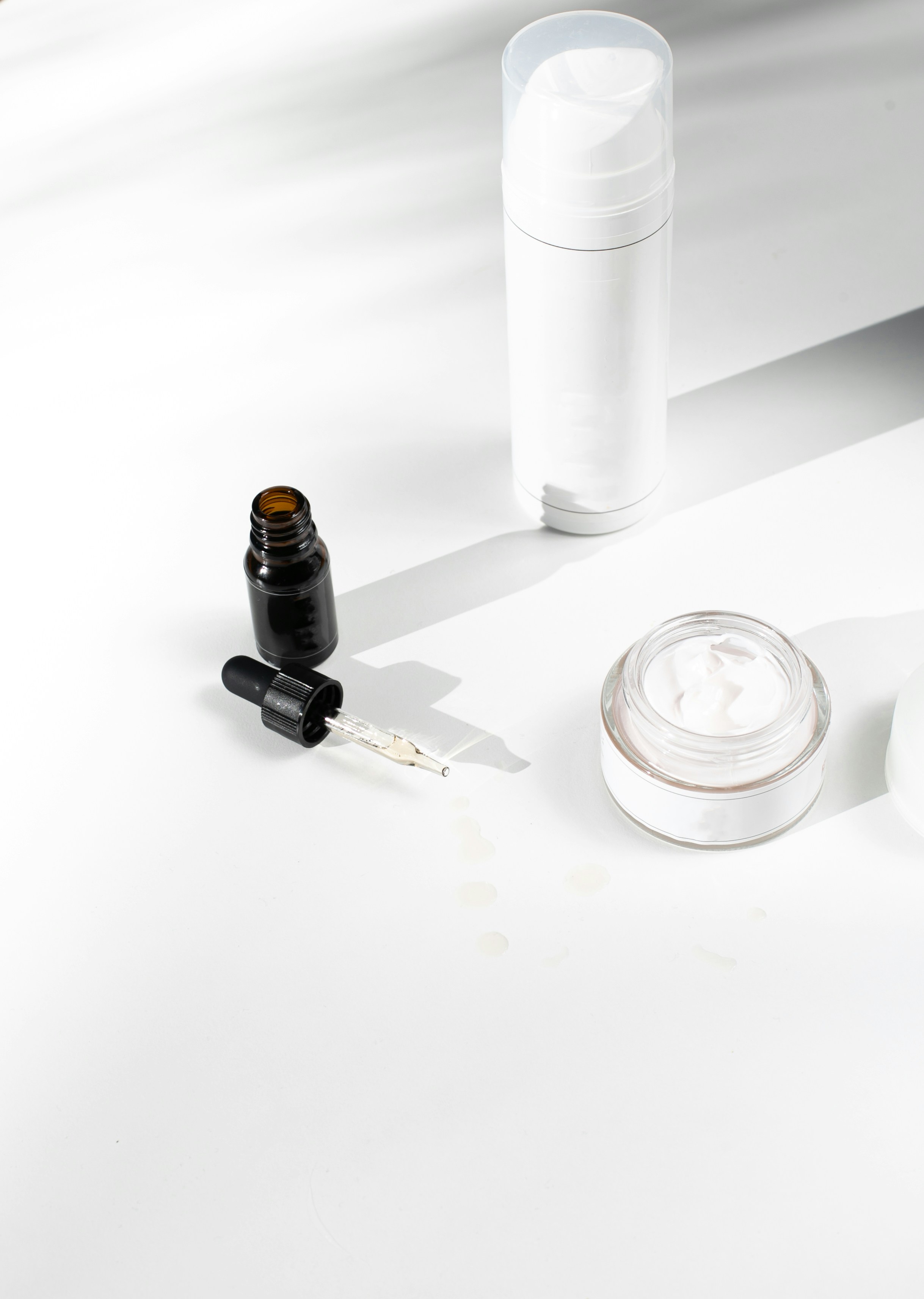
Traditional Japanese foaming face washes are formulated around fatty acid salts (like potassium myristate and potassium laurate). In soft water, these lather effortlessly into luxurious micro-bubbles that rinse away cleanly.
However, in hard water, calcium ions bond instantly with fatty acid carboxylate ions. This reaction precipitates calcium stearate—an insoluble, sticky residue commonly known as soap scum (sekken-kasu). Instead of rinsing clean, this mineral curd adheres to facial pores, creating a tight, film-coated sensation that dry skin sufferers often misinterpret as dehydration.
Overview Comparison
| Feature | Soft Water Routine (Japan) | Hard Water Routine (US/Europe) | Recommended Product Type |
|---|---|---|---|
| Lather Formation | Explosive, dense micro-foam | Weak foam, soap curd precipitation | Amino acid foam or cleansing oil |
| Rinse Sensation | Slippery, velvety softness | Squeaky, tight, dry film | Cleansing milk or cleansing balm |
| Post-Wash pH | Rapid recovery to pH 5.0 | Delayed alkaline stress (hours) | Acidic essence lotion (Keshosui) |
| Barrier Stress | Minimal transepidermal loss | Elevated TEWL and calcium deposits | Human-type ceramide barrier cream |
| Toner Strategy | Direct hand-press patting | Cotton pad wipe to remove minerals | Organic unbleached cotton pad |
Dermatological Barrier Damage: High pH and Metal Ion Irritation
Healthy facial skin maintains an acidic surface mantle around pH 4.5 to 5.5. Hard water is typically alkaline (pH 7.8 to 8.5) and possesses strong buffering capacity, meaning it prevents skin from quickly re-acidifying after washing.
Clinical guidelines from the American Academy of Dermatology urge individuals to prioritize delicate cutaneous handling: 'Use a gentle, non-abrasive cleanser that does not contain alcohol.'[2] Dermatologists caution patients not to 'scrub your skin because scrubbing irritates the skin.'[2] Scrubbing aggressively to remove hard water mineral film only strips intercellular ceramides and exacerbates micro-fissuring.
Practical Routine Fixes for Using Japanese Skincare in Hard Water Areas
You do not need to abandon beloved Japanese skincare routines simply because your tap water is hard. Follow these expert adaptations: 'Limit baths and showers to five to ten minutes, using warm water.'[3] Furthermore, 'Apply moisturizer several times a day. Moisturizer plays a key role in healing dry skin. Be sure to apply your moisturizer when your skin is still damp after taking a shower or bath, after washing your hands, and when your skin feels dry.'[3]
- Install an Ion-Exchange Filter: Attach a certified softening showerhead or faucet filter to remove dissolved multivalent minerals.
- The Thermal Mist Neutralizer: After rinsing with tap water, immediately drench your face in a low-mineral thermal mist or Japanese watery lotion on a soft cotton pad, wiping away residual metal ions before they crystallize.
- Switch to Cleansing Oils and Milks: Oil cleansers do not precipitate with calcium, ensuring effortless emulsification even in hard municipal water.
Signs to Stop and When to See a Doctor
- Persistent Facial Redness or Stinging: If washing with tap water causes immediate burning or erythema even before applying serums, hard water mineral deposits are irritating the acid mantle.
- Eczema or Atopic Flare-Ups: Studies show children and adults in hard water districts experience significantly higher rates of atopic dermatitis. If flaking and itchy patches worsen, switch to filtered distilled water rinses.
- Chronic Follicular Bumps: If hard water scum clogs pores and leads to persistent pustules, consult a board-certified dermatologist for targeted anti-inflammatory care.
FAQ
Q1. Why does my face feel tight after washing in hard water?
A. Calcium and magnesium ions react with cleansers to form an insoluble soap film that sticks to cuticles, preventing natural sebum flow and accelerating moisture evaporation.(Details)
Calcium and magnesium ions react with cleansers to form an insoluble soap film that sticks to cuticles, preventing natural sebum flow and accelerating moisture evaporation.
Q2. Can I use micellar water instead of tap water?
A. Yes, cleansing with Japanese micellar water or cleansing milk on cotton pads eliminates hard water contact entirely, preserving barrier lipids.(Details)
Yes, cleansing with Japanese micellar water or cleansing milk on cotton pads eliminates hard water contact entirely, preserving barrier lipids.
Q3. Does boiling hard water make it soft?
A. Boiling only removes temporary carbonate hardness; it leaves permanent sulfate and chloride minerals behind.(Details)
Boiling only removes temporary carbonate hardness; it leaves permanent sulfate and chloride minerals behind. A true ion-exchange water softener is required.
Q4. Are Japanese amino acid cleansers better in hard water?
A. Yes, amino acid surfactants (such as sodium cocoyl glutamate) do not bind to calcium ions as strongly as traditional potassium soaps, preventing soap scum formation.(Details)
Yes, amino acid surfactants (such as sodium cocoyl glutamate) do not bind to calcium ions as strongly as traditional potassium soaps, preventing soap scum formation.
Q5. Should I wipe my face with toner on a cotton pad in hard water?
A. Yes, wiping gently with an essence lotion saturated on a cotton pad physically lifts residual tap water minerals from your skin surface.(Details)
Yes, wiping gently with an essence lotion saturated on a cotton pad physically lifts residual tap water minerals from your skin surface.
Summary
- Understand Water Mineral Differences: Japan's soft water lathers cleanly, while Western hard water creates calcium soap curd that strips the skin barrier.
- Modify Cleansing Technique: Use cleansing oils, micellar waters, or amino acid cleansers to prevent insoluble scum formation in hard water.
- Neutralize and Seal: Wipe skin with a hydrating essence lotion on cotton pads to lift metal ions, immediately sealing with ceramide creams while damp.
Disclaimer: This article is for general information and education about Japanese cosmetics and their labels. It is not a substitute for professional medical advice, diagnosis, or treatment. Skincare results vary from person to person. Product formulas, availability, prices, and regulations change, and products sold in Japan can differ from versions sold elsewhere, so always check the current label. Do a patch test before introducing a new product, and consult a doctor or dermatologist if you have a skin condition or specific concerns.
References
- PLOS ONE (2015). Homogeneous transport in a heterogeneous membrane: water diffusion across human stratum corneum in vivo. DOI: 10.1371/journal.pone.0117292. Available from: https://journals.plos.org/plosone/article?id=10.1371/journal.pone.0117292
- American Academy of Dermatology (AAD). Face washing 101. Available from: https://www.aad.org/public/everyday-care/skin-care-basics/care/face-washing-101
- American Academy of Dermatology (AAD). Dermatologists' tips to relieve dry skin. Available from: https://www.aad.org/public/everyday-care/skin-care-basics/dry/dermatologists-tips-relieve-dry-skin