title: "How to Store Japanese Cosmetics in Hot Weather: Best Tips" description: "Learn how to store Japanese cosmetics in hot weather. Discover temperature limits, humidity risks, fridge storage myths, and ingredient stability facts." category: "how-japan-works" slug: "how-to-store-japanese-cosmetics-in-hot-weather" hero_image: "/images/stock/amber-glass-oil-bottles-trio.webp" hero_image_alt: "Dark amber cosmetic bottles protected from direct heat and sunlight" published_at: "2026-11-20" last_modified_at: "2026-11-20"
How to Store Japanese Cosmetics in Hot Weather: Best Tips
When tropical summer heatwaves arrive, ambient indoor temperatures can climb above 30 degrees Celsius (86 degrees Fahrenheit). For skincare enthusiasts who invest in delicate Japanese cosmetics—such as vitamin C essences, ceramide lotions, and fluid sunscreen emulsions—high temperatures and excessive humidity pose genuine risks to chemical stability.
Japanese cosmetic formulators engineer products for stability under standard climate guidelines, but prolonged exposure to direct solar radiation, fluctuating thermal cycles, or humid bathroom steam can accelerate emulsion separation, degrade active botanicals, and foster microbial growth.
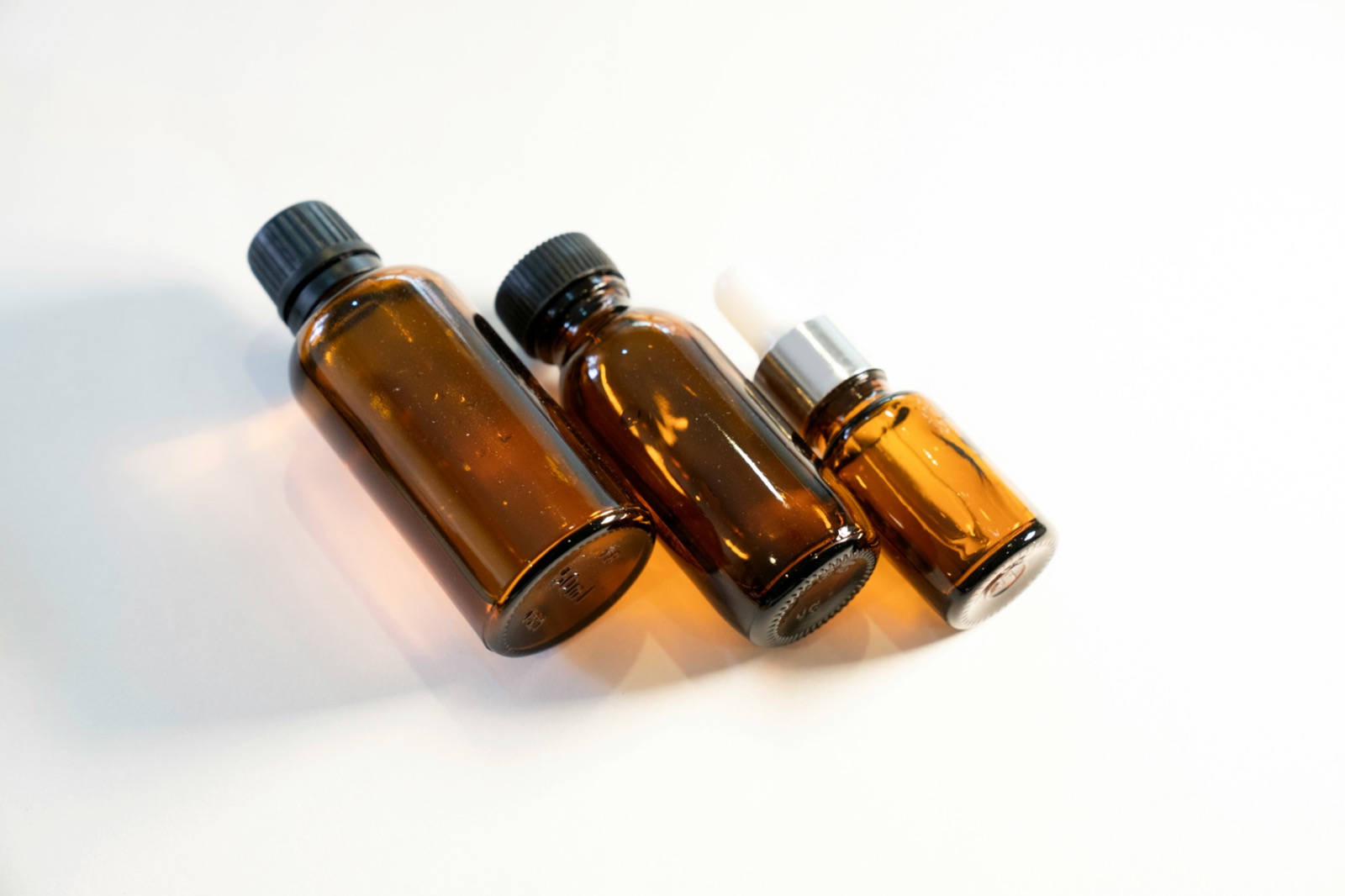
Store Japanese cosmetics in a cool, dry, dark location away from direct sunlight, ideally between 15°C and 25°C (59°F to 77°F). Avoid storing products in humid bathrooms or car trunks. While pure vitamin C or preservative-free formulas benefit from refrigerator storage, standard creams and oil cleansers should not be chilled, as extreme cold can cause crystallization and phase separation.
Thermal Sensitivity: How Extreme Heat Breaks Down Cosmetic Formulations
Cosmetic emulsions are physical suspensions of oil droplets in water (or water droplets in oil) stabilized by emulsifying surfactants. When exposed to prolonged high heat, the kinetic energy of lipid molecules increases, breaking down surfactant bonds. This results in syneresis—the visible separation of liquid oil from cream bases.
Furthermore, essential antioxidants like ascorbic acid (pure vitamin C) and retinol undergo rapid oxidation when ambient heat accelerates radical chain reactions, turning golden serums brown and diminishing efficacy. Research in PLOS ONE highlights that 'The stratum corneum (SC) provides a permeability barrier that limits the inflow and outflow of water.'[1] Applying degraded, oxidized lipids to this delicate permeability barrier can trigger surface inflammation rather than barrier replenishment.

The Refrigerator Dilemma: Which Japanese Products Belong in the Fridge?
Many skincare lovers assume that keeping everything in a dedicated beauty fridge is the ultimate summer preservation hack. However, extreme refrigeration can be just as damaging as excessive heat:
- Safe for Refrigeration: Single-use sheet masks, pure vitamin C serums (like unbuffered L-ascorbic acid), and hydrating water mists (keshosui). Chilling offers vasoconstrictive depuffing benefits.
- Never Refrigerate: Cleansing oils, rich creams, and liquid sunscreens. Low temperatures cause vegetable oils to solidify, waxes to crystallize, and polymer UV filters to precipitate, permanently ruining product texture.
- Condensation Risk: Repeatedly taking cold bottles into warm, humid rooms causes interior condensation, creating breeding grounds for bacteria.
Overview Comparison
| Product Category | Ideal Temperature | Fridge Safe? | Storage Warning |
|---|---|---|---|
| Watery Lotions (Keshosui) | 15°C to 25°C | Yes (Optional) | Keep away from humid showers and direct sun |
| Pure Vitamin C / Actives | 10°C to 18°C | Yes (Recommended) | Seal tightly; discard if liquid turns deep amber |
| Cleansing Oils & Balms | 18°C to 24°C | No (Solidifies) | Avoid water intrusion; do not freeze |
| Sunscreen Lotions (SPF) | 15°C to 25°C | No (Separates) | Never leave inside hot cars or direct beach sun |
| Sheet Masks | 10°C to 22°C | Yes (Excellent) | Chill 15 minutes before use for soothing comfort |
Bathroom Humidity and Sunscreen Preservation Guidelines
The family bathroom is the single most common—and worst—place to store cosmetics. Hot showers generate sustained 100% relative humidity and steam cycles, which can penetrate loose jar lids and overwhelm preservative systems.
According to dermatological guidelines from the American Academy of Dermatology, maintaining skin barrier hygiene is paramount: 'Use a gentle, non-abrasive cleanser that does not contain alcohol.'[2] Dermatologists advise individuals not to 'scrub your skin because scrubbing irritates the skin.'[2] Using compromised cleansers contaminated by bathroom mold or degraded by heat directly irritates vulnerable facial tissue.
Additionally, Japanese chemical and mineral sunscreens (hyoushin) rely on specialized uniform film-forming polymers. Storing sunscreen bottles on car dashboards or sunny windowsills breaks these polymers, creating invisible micro-gaps that leak UV radiation through to your skin.
Daily Storage Etiquette and Travel Best Practices
To preserve product longevity throughout tropical heatwaves, follow simple storage hygiene rules recommended by dermatological and cosmetic science: 'Limit baths and showers to five to ten minutes, using warm water.'[3] Furthermore, 'Apply moisturizer several times a day. Moisturizer plays a key role in healing dry skin. Be sure to apply your moisturizer when your skin is still damp after taking a shower or bath, after washing your hands, and when your skin feels dry.'[3]
Designate a dedicated vanity drawer or darkened wardrobe shelf in a climate-controlled bedroom. When shipping or traveling with Japanese cosmetics in summer, store bottles inside an insulated thermal pouch packed with a reusable dry cooling pad.
Signs to Stop and When to See a Doctor
- Unusual Odor or Rancidity: If a cream, oil cleanser, or lotion develops a sour, vinegar-like, or oxidized oil smell, chemical spoilage has occurred. Discontinue use immediately.
- Severe Phase Separation: If vigorous shaking fails to re-emulsify a separated sunscreen or cream, the emulsifier matrix has collapsed. Applying it will result in patchy UV protection or irritation.
- Acute Contact Dermatitis: If applying heat-stored cosmetics results in stinging, red bumps, or burning hives, wash thoroughly with cool tap water and consult a board-certified dermatologist.
FAQ
Q1. Can Japanese sunscreen expire from being left in a hot car?
A. Yes, leaving sunscreen in a hot car interior exceeding 40°C degrades UV filters and breaks down emulsion integrity within hours.(Details)
Yes, leaving sunscreen in a hot car interior exceeding 40°C degrades UV filters and breaks down emulsion integrity within hours. Discard any sunscreen subjected to extreme car heat, as it will no longer provide reliable SPF protection.
Q2. Does Japanese lotion need to be stored in the dark?
A. Yes, storing essence lotions in opaque cabinets or away from windows prevents photodegradation of botanical extracts and vitamins caused by ambient sunlight.(Details)
Yes, storing essence lotions in opaque cabinets or away from windows prevents photodegradation of botanical extracts and vitamins caused by ambient sunlight.
Q3. How do I know if my Japanese vitamin C serum has oxidized?
A. Fresh Japanese vitamin C is clear or pale champagne.(Details)
Fresh Japanese vitamin C is clear or pale champagne. If the liquid darkens to deep yellow, amber, or brown, significant oxidation has occurred and the serum should be replaced.
Q4. Can I freeze sheet masks for intense cooling?
A. No, freezing can create sharp ice crystals that puncture the sachet lining and break delicate peptide structures in the essence.(Details)
No, freezing can create sharp ice crystals that puncture the sachet lining and break delicate peptide structures in the essence. Store them in the standard refrigerator compartment instead.
Q5. What is the average shelf life of Japanese cosmetics after opening?
A. Most Japanese cosmetics maintain peak efficacy for 6 to 12 months after opening when stored under recommended temperature conditions.(Details)
Most Japanese cosmetics maintain peak efficacy for 6 to 12 months after opening when stored under recommended temperature conditions.
Summary
- Maintain Temperate Conditions: Store Japanese skincare bottles between 15°C and 25°C in a dark, dry vanity drawer rather than a steamy bathroom.
- Know What to Chill: Reserve beauty fridges for sheet masks and delicate vitamin serums; keep cleansing oils, barrier creams, and sunscreens at room temperature to avoid phase separation.
- Inspect for Spoilage: Discard products that exhibit sour rancidity, permanent liquid separation, or unexpected color shifts.
Disclaimer: This article is for general information and education about Japanese cosmetics and their labels. It is not a substitute for professional medical advice, diagnosis, or treatment. Skincare results vary from person to person. Product formulas, availability, prices, and regulations change, and products sold in Japan can differ from versions sold elsewhere, so always check the current label. Do a patch test before introducing a new product, and consult a doctor or dermatologist if you have a skin condition or specific concerns.
References
- PLOS ONE (2015). Homogeneous transport in a heterogeneous membrane: water diffusion across human stratum corneum in vivo. DOI: 10.1371/journal.pone.0117292. Available from: https://journals.plos.org/plosone/article?id=10.1371/journal.pone.0117292
- American Academy of Dermatology (AAD). Face washing 101. Available from: https://www.aad.org/public/everyday-care/skin-care-basics/care/face-washing-101
- American Academy of Dermatology (AAD). Dermatologists' tips to relieve dry skin. Available from: https://www.aad.org/public/everyday-care/skin-care-basics/dry/dermatologists-tips-relieve-dry-skin