Hydration Timing in Japanese Daily Wellness - Skin Guide
How Japan WorksBy Miho Tanaka
title: Hydration Timing in Japanese Daily Wellness - Skin Guide
slug: hydration-timing-in-japanese-daily-wellness
category: how-japan-works
publish: true
meta_description: Learn how the Japanese ritual of frequent small water intakes and warm sayu maintains internal fluid balance and skin elasticity throughout the day.
image: /images/stock/chamomile-flowers-water-glass-gentle.jpg
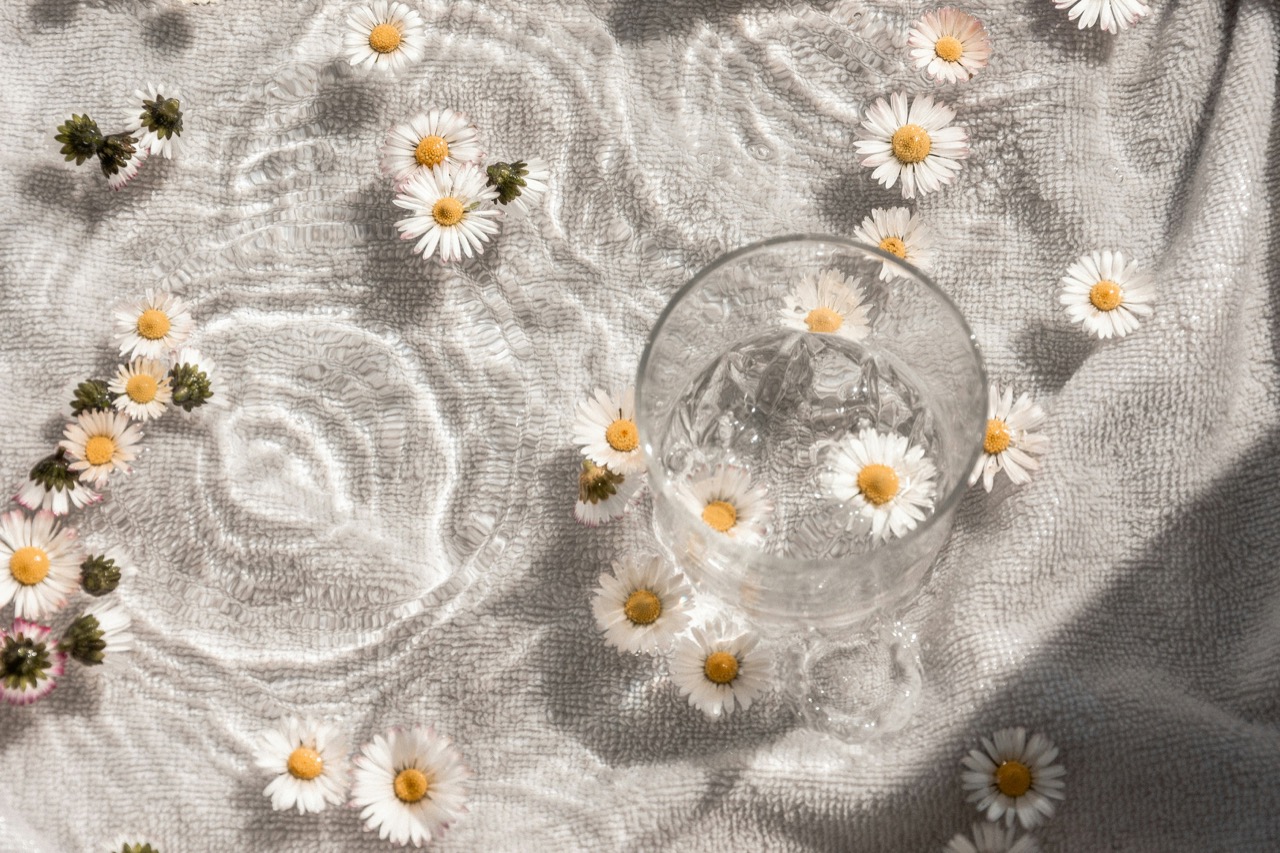
alt: Fresh glass of warm drinking water sitting beside gentle botanical accents
date: 2026-03-30
tags:
hydration
sayu
inner beauty
j-beauty
how-japan-works
Hydration Timing in Japanese Daily Wellness - Skin Guide
In the West, hydration advice often reduces down to drinking large volumes of iced water or chugging gallon jugs throughout the day. In contrast, Japanese wellness traditions view hydration as an art of frequency, temperature moderation, and biological timing. Known culturally as komame na suibun hokyu (frequent, incremental fluid replenishment), this practice emphasizes sipping small amounts of body-temperature water or plain boiled water (sayu) at designated daily transitions.
Understanding how incremental hydration timing interacts with blood osmolarity, peripheral circulation, and dermal hydration helps you maintain healthy skin elasticity from the inside out.
Quick answer: What is Japanese Hydration Timing (*Komame na Suibun Hokyu*)?
Rather than consuming massive volumes of water all at once—which triggers rapid renal excretion—Japanese hydration practices recommend drinking 100 to 150 milliliters of ambient or warm water (*sayu*) every 90 to 120 minutes. Key biological timings include waking up (*mezame no ippai*), thirty minutes before bathing, and thirty minutes before sleep. This steady pacing keeps blood viscosity balanced and supports micro-circulation to the living dermis.
The Physiology of Chugging Versus Incremental Sipping
When an individual downs 500 milliliters of cold water in a single rapid draft, blood volume expands suddenly, causing plasma osmolarity to drop abruptly. Sensory osmoreceptors in the hypothalamus register this sudden dilution and suppress the release of antidiuretic hormone (ADH/vasopressin).
In response, the kidneys accelerate filtration, flushing out most of the ingested fluid within forty-five minutes before it can adequately hydrate peripheral skin tissue. In contrast, consuming small volumes (100 to 150 milliliters) at regular intervals maintains steady plasma osmolarity, allowing water to diffuse evenly across micro-capillary networks into the extracellular matrix.
Sustaining Fluid Dynamics Within the Stratum Corneum
Water delivered via systemic circulation travels through the vascular dermis, moving upward through viable epidermal layers to hydrate the keratinized envelope.
Research in PLOS ONE affirms: "The stratum corneum (SC) provides a permeability barrier that limits the inflow and outflow of water."[1] When internal fluid intake is erratic or sparse, water evaporation through this outer layer accelerates, leading to superficial roughness and reduced skin bounce. Consistent daytime sipping ensures that skin cells remain supplied with continuous moisture from within.
The Four Vital Daily Hydration Milestones in Japan
Japanese health guidelines highlight specific physiological moments when the body loses water invisibly through perspiration and respiration.
Scroll horizontally to view full table
Timing Window
Recommended Beverage & Temperature
Typical Volume
Physiological Purpose
Morning Awakening (*Mezame*)
Warm boiled water (*Sayu*, 50°C to 60°C)
150 to 200 ml
Warms internal organs, stimulates peristalsis, replaces sleep fluid loss
Pre-Meal Timing
Ambient water or roasted barley tea (*Mugi-cha*)
100 to 150 ml
Prepares digestive secretions without diluting gastric enzymes
Pre- and Post-Bathing (*Ofuro*)
Room temperature mineral water
150 to 200 ml
Compensates for 500 ml sweat loss in traditional hot soaking
Pre-Bedtime Timing (*Nemuri*)
Warm water or non-caffeine herbal tea
100 ml
Prevents nocturnal blood thickening and early morning dehydration
The Culture and Science of Sayu (Plain Boiled Water)
A central pillar of Japanese inner-beauty practices is the daily habit of drinking sayu. Originating as an Ayurvedic and traditional East Asian medical practice, sayu refers to pure tap or spring water boiled continuously for ten to fifteen minutes and then allowed to cool to approximately 50°C to 60°C.
Why Temperature Matters for Facial Circulation
Drinking icy beverages causes transient vasoconstriction in the stomach and digestive organs, dampening autonomic nerve function and reducing peripheral blood flow. In contrast, warm sayu relaxes visceral smooth muscles, gently elevates core body temperature, and promotes dilated blood flow to the extremities and facial capillary networks. This enhanced micro-circulation delivers nutrients to developing skin cells and imparts a natural, healthy tone.
Practical Guidelines: Building an Incremental Hydration Routine
Implementing Japanese hydration timing into a modern schedule requires subtle habits rather than restrictive tracking apps.
Keep Small Cups Nearby: Rather than using a giant two-liter bottle that encourages mindless gulping, use a 200-milliliter teacup. Refilling a small cup creates intentional pauses throughout work hours.
Listen to Subtle Dryness Signals: Thirst is a delayed physiological indicator. By the time the throat feels dry, mild cellular dehydration is already underway. Sip every 90 minutes regardless of thirst sensation.
Match Ambient Temperature: When working in air-conditioned offices during summer or heated rooms during winter, choose room-temperature or warm infusions to avoid chilling internal digestive organs.
Signs to Stop and When to Seek Medical Advice
While disciplined hydration supports skin health, over-consumption or inappropriate timing can lead to physiological imbalances.
Exercise caution and consult a healthcare professional if:
Hyponatremia Symptoms: Excessive water intake without electrolytes can dilute blood sodium, triggering nausea, fatigue, persistent headaches, or muscle cramps.
Cardiovascular or Renal Restrictions: Individuals with congestive heart failure, chronic kidney disease, or prescribed fluid-restriction protocols must follow nephrologist guidelines rather than general hydration advice.
Nocturnal Enuresis: If drinking fluid before bed leads to disrupted sleep cycles from repeated nighttime urination, reduce the bedtime sip to 50 milliliters and consume water earlier in the evening.
If sudden swelling of the feet, facial edema, or persistent dizziness occurs, seek professional clinical evaluation promptly.
FAQ
Q1. How much total water should I drink each day under Japanese wellness habits?
A. Most Japanese health guidelines recommend 1.2 to 1.5 liters of fluid daily.(Details)
In addition to water provided through daily meals (such as seasonal vegetables and miso soup, which supply roughly 1,000 milliliters), adults need 1.2 to 1.5 liters of direct liquid intake. Dividing this into eight to ten small servings of 150 milliliters ensures optimal absorption without kidney strain.
Q2. Is drinking iced water really harmful to skin health?
A. Frequent iced water can constrict peripheral blood vessels and slow digestion.(Details)
While an occasional cold drink is harmless, constantly consuming ice-cold water shocks the digestive tract and prompts localized vasoconstriction. Japanese practitioners advise room-temperature or warm fluids to maintain core body temperature and support vibrant facial micro-circulation.
Q3. Can drinking more water resolve dry skin patches by itself?
A. Water hydrates living dermal tissue, while topical moisturizers seal the surface.(Details)
Internal hydration provides moisture to living layers beneath the epidermis, but it cannot restore a compromised outer lipid barrier on its own. Topical ceramide lotions and emollient creams remain necessary to seal the stratum corneum and prevent trans-epidermal water evaporation.
Q4. What is the proper way to prepare traditional Japanese sayu?
A. Boil fresh water in an open kettle for 10 to 15 minutes, then cool to 50°C.(Details)
Fill a clean kettle with water, bring it to a boil, and remove the lid partially. Allow it to simmer gently on low heat for ten to fifteen minutes to evaporate residual chlorine and soften water minerals. Pour into a ceramic cup and allow it to cool until comfortably warm to hold.
Q5. Can non-caffeinated herbal teas count toward daily hydration totals?
A. Yes, roasted barley tea, adlay tea, and rooibos contribute fully to hydration.(Details)
Non-caffeinated herbal infusions such as *mugi-cha* (barley tea), *hatomugi-cha* (adlay tea), and chamomile provide fluid hydration alongside subtle minerals. Because they lack caffeine and added sugars, they count fully toward your daily fluid intake goals.
Summary
The Japanese philosophy of komame na suibun hokyu transforms hydration from a mechanical chore into a mindful wellness ritual. By favoring warm temperatures, smaller incremental volumes, and disciplined physiological timing, this approach supports steady blood volume, encourages facial micro-circulation, and nourishes the skin from within. Pairing daily sayu habits with balanced meals and topical barrier protection ensures comfortable, resilient skin across every season.
Disclaimer: This article is for general information and education about Japanese cosmetics and their labels. It is not a substitute for professional medical advice, diagnosis, or treatment. Skincare results vary from person to person. Product formulas, availability, prices, and regulations change, and products sold in Japan can differ from versions sold elsewhere, so always check the current label. Do a patch test before introducing a new product, and consult a doctor or dermatologist if you have a skin condition or specific concerns.