title: Japanese Bath Culture: Ofuro Skin Barrier Tips & Soaks slug: japanese-bath-culture-ofuro-skin-barrier-tips category: how-japan-works meta_description: Master Japanese bath culture (ofuro) with skin barrier tips. Learn ideal 38°C to 40°C soak temperatures and rapid post-bath sealing routines. date: 2026-11-23 author: Seibun Lab Editorial Team publish: true
Japanese Bath Culture: Ofuro Skin Barrier Tips & Soaks
Quick answer
Japanese ofuro (deep tub soaking) warms core body temperature and eases mental tension, yet scalding hot water can strip vital natural moisturizing factors (NMF) and intercellular ceramides. To protect the skin barrier while savoring traditional bath culture, keep water temperatures between 38°C and 40°C (100°F–104°F), cap soaking duration at 10 to 15 minutes, wash gently with mild lather rather than abrasive towels, and seal moisture with ceramides or plant oils within 5 to 10 minutes of stepping out.
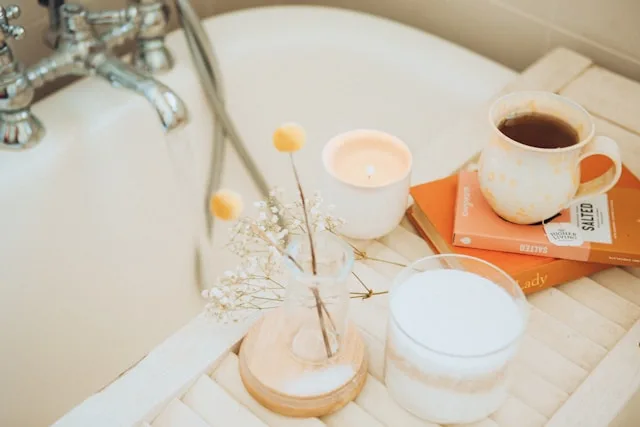
In Japanese daily life, the evening bath—known colloquially as ofuro—is far more than a routine hygiene task. Unlike Western-style quick standing showers, Japanese bathing is a dedicated unwinding ritual designed to soothe physical exhaustion, promote restful sleep, and encourage mindful transition from work to rest.
However, immersing oneself fully in heated water exerts distinct physical and chemical effects on human stratum corneum architecture. While warm water softens stubborn surface dead cells and temporarily increases epidermal hydration, prolonged exposure to high temperatures can dissolve natural lipid bilayers. Understanding how Japanese dermatologists and body care specialists balance thermal comfort with barrier protection allows you to enjoy the benefits of ofuro without inviting itchy, parched skin.
The Science of Japanese Ofuro: Why Soaking Differs From Showering
Standing showers wash away surface grime, sebum, and perspiration efficiently through direct mechanical rinse. In contrast, Japanese deep tub soaking immerses the body up to the collarbones in still, heated water. This immersion introduces three distinct physical actions:
- Thermal Action (Circulation Warmth): Gentle heat widens peripheral blood vessels, promoting systemic circulation and supporting muscular relaxation throughout the back, shoulders, and limbs.
- Hydrostatic Pressure: Water pressure gently compresses superficial veins and lymph vessels in the lower extremities, encouraging venous return toward the torso and relieving leg fatigue accumulated during long desk work or walking.
- Buoyancy: Water buoyancy reduces perceived body weight to roughly one-tenth of its standard gravitational pull, relieving tension on spinal joints and surrounding postural musculature.
While these physiological actions deliver notable wellness perks, prolonged immersion in hot water impacts skin barrier integrity. Intercellular lipids—composed predominantly of ceramides, cholesterol, and free fatty acids—form an organized lamellar structure that locks water into epidermal cells. Excess heat liquifies these lipid barriers, enabling moisture to leak out once the surface water evaporates.
Protecting the Epidermal Barrier: Temperature and Time Rules
The single most critical variable determining whether your bath nourishes or dehydrates skin is water temperature. In traditional sento (public bathhouses) or hot spring ryokans, tubs sometimes reach 42°C (107.6°F) or higher. While intense heat yields a brief tingling sensation, it directly damages the delicate moisture barrier.
Japanese dermatological and body care guidelines suggest setting the water temperature to a lukewarm range of 38°C to 40°C (100°F to 104°F) to prevent dissolving protective intercellular lipids.[1] At this moderate temperature, the body stimulates the parasympathetic nervous system—the branch responsible for rest and digestion—without triggering inflammatory histamine release or thermal irritation.
The 10 to 15-Minute Immersion Threshold
Length of immersion is equally decisive. When you submerge the body, the stratum corneum absorbs water and expands like a sponge. If you remain immersed beyond 15 minutes, natural moisturizing factors (NMF) such as amino acids and urea begin diffusing outward into the bathwater.
- Recommended Duration: Aim for 10 to 15 minutes of continuous soaking. If you prefer lingering in the bathroom, sit on the edge of the tub or a bathing stool for brief rest periods before dipping again.
- Avoid Sweat-Inducing Scalding Baths: Sweating heavily while submerged draws internal electrolytes out and signals overheating, leaving your epidermis depleted and sensitive.
Pre-Bath Cleansing: Gentle Washing Without Stripping Lipids
In traditional Japanese bathing etiquette, one must thoroughly wash and rinse the body before entering the communal or shared family tub. The tub water remains pristine for everyone in the household, used exclusively for soaking and thermal comfort.
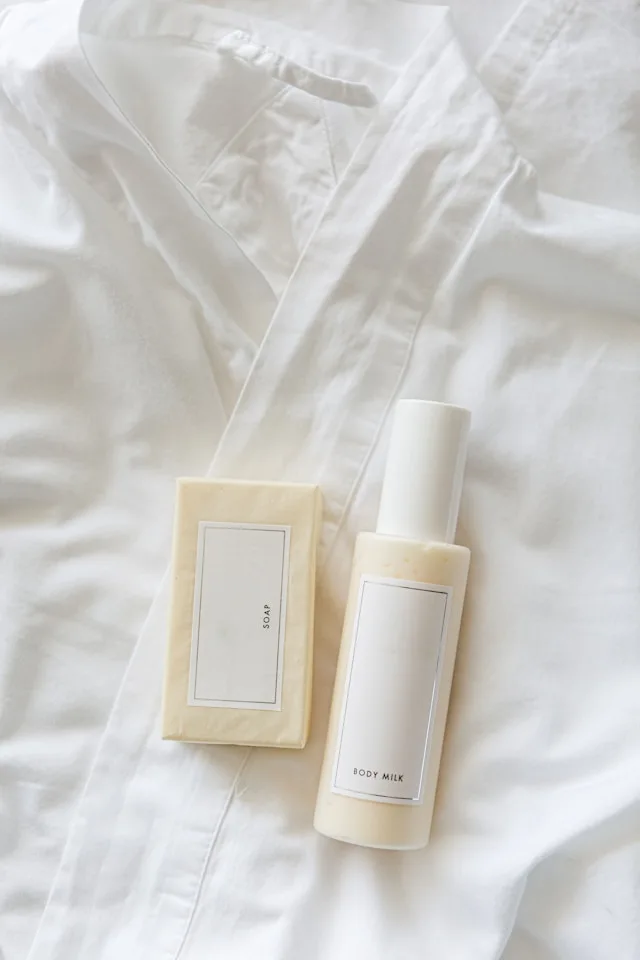
To maintain skin cleanliness while safeguarding barrier resilience, standard guidance advises taking baths or showers with low-irritation soap used gently rather than rough scrub towels.[3] In past decades, rough nylon washcloths (aka-suri style) were popular in Japanese public baths. Modern dermatological consensus firmly cautions against physical friction:
- Lather Cushion: Whip gentle liquid body wash or amino-acid-based soap bars into dense, buoyant bubbles using a foaming net.
- Hand Cleansing: Glide the lather over arms, torso, and legs using open palms rather than abrasive nylon towels or coarse loofahs. Let the surfactant bubbles lift perspiration and oxidized oils without stripping stratum corneum sheets.
- Selective Cleansing: Areas with abundant sebaceous and sweat glands (armpits, chest, back, and groin) benefit from daily cleansing, whereas dry extremities (shins, forearms) often need only water rinsing or sparing soap application.
Bath Additives (Nyuyokuzai): Enhancing Hydration and Water Quality
Tap water in urban Japanese centers—and many regions worldwide—contains trace disinfectant chlorine. While safe, chlorine and harsh minerals can occasionally provoke dryness in delicate skin types. Japanese consumers routinely dissolve specialized bath powders, salts, or milks (nyuyokuzai) to condition water quality.
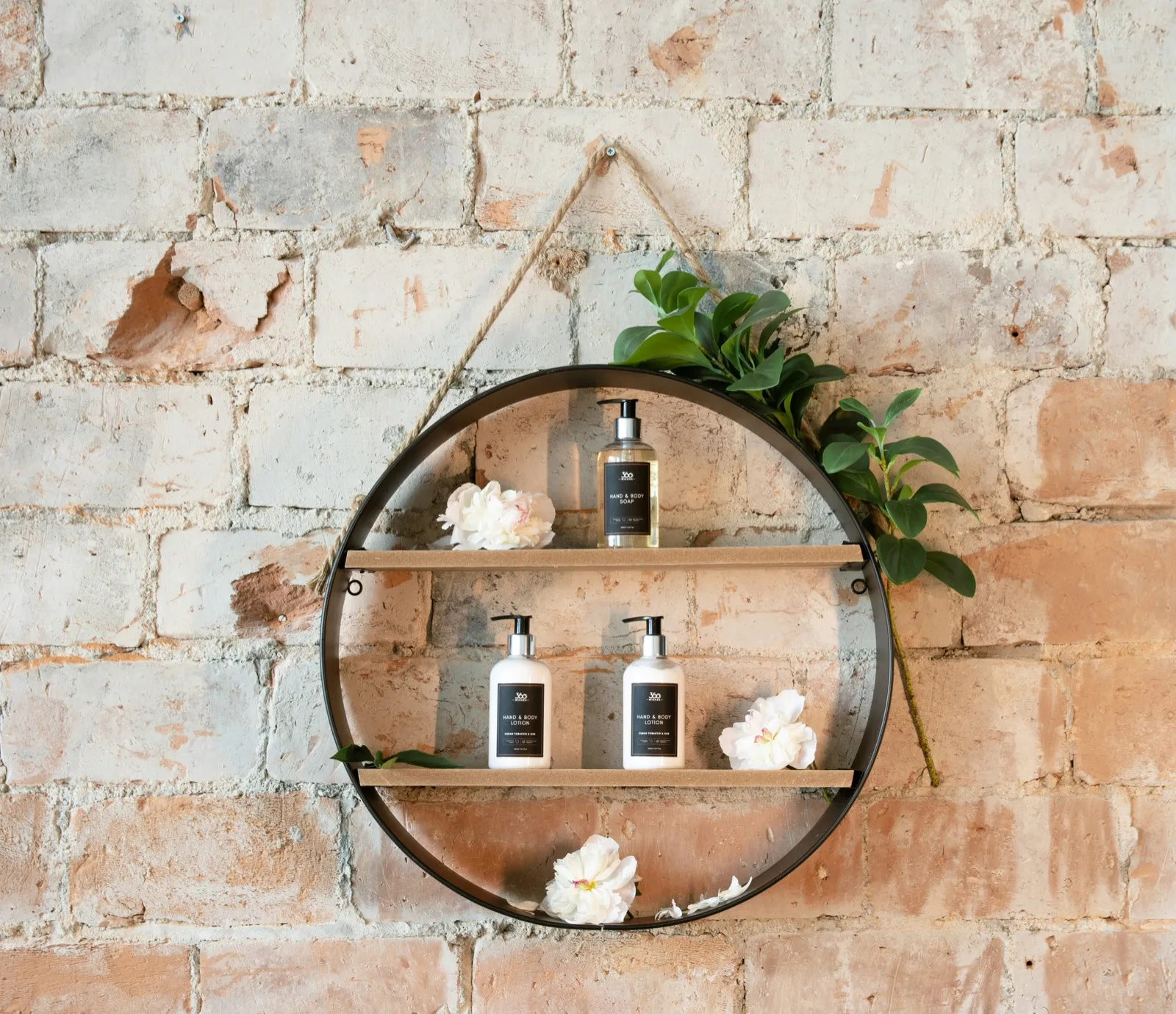
Common bath additive categories include:
- Moisturizing Milky Baths: Formulated with liquid paraffin, squalane, rice germ oil, ceramides, and jojoba seed oil. These disperse evenly throughout the tub, coating submerged skin in an imperceptible lipid veil that counters mineral dryness.
- Carbonated Effervescent Tablets: Generate micro-bubbles of dissolved carbon dioxide gas, which enhances peripheral blood circulation and warmth retention without requiring scalding temperatures.
- Inorganic Salt Formulations: Utilize sodium sulfate, sodium bicarbonate, or natural sea salts to create a protective protein-salt barrier on the skin, retaining body warmth post-bath.
Tip for Sensitive Skin: Skip heavily artificial neon dyes or intense synthetic perfumes if your barrier is currently irritated. Opt for milk-based, fragrance-light, or allergy-tested formulations.
The 10-Minute Post-Bath Window: Sealing Epidermal Hydration
Stepping out of the ofuro creates an immediate microclimate shift: warm, humid bathroom air abruptly gives way to cooler, drier room conditions.
After bathing, the stratum corneum is saturated with temporary moisture and feels supple, but as time passes, this water evaporates rapidly, leaving unprotected skin prone to severe rebound dryness.[2] Within 10 to 15 minutes post-exit, skin moisture drops below pre-bath baseline levels if left unsealed.
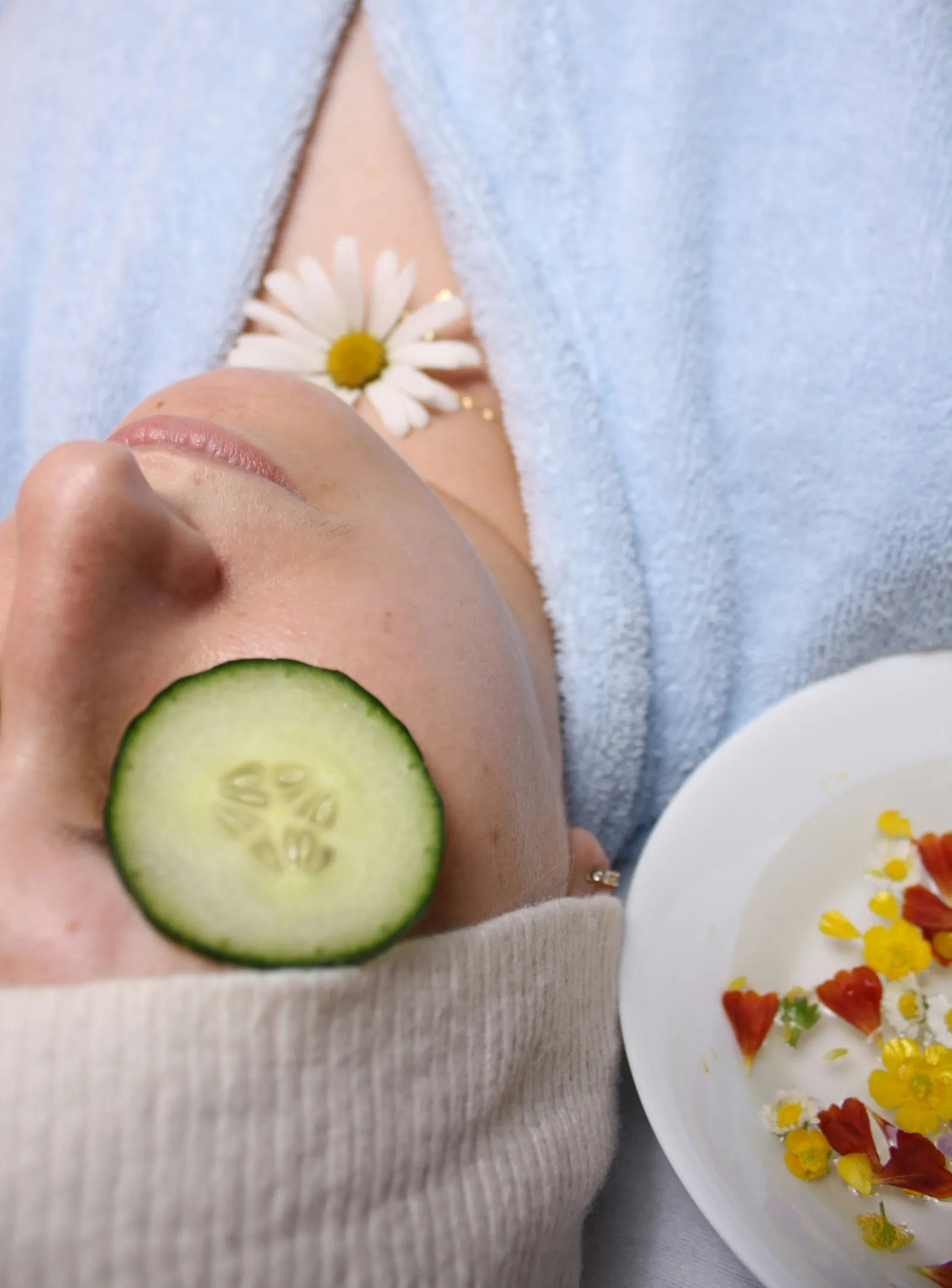
Step-by-Step Post-Bath Barrier Seal
- Gentle Patting: Pat skin damp with a soft cotton bath towel. Avoid vigorously rubbing shins, elbows, or chest.
- Apply Face Skincare First: Since facial skin features thinner stratum corneum layers, dispense your hydrating lotion (kesho-sui) and ceramide milk within two minutes.
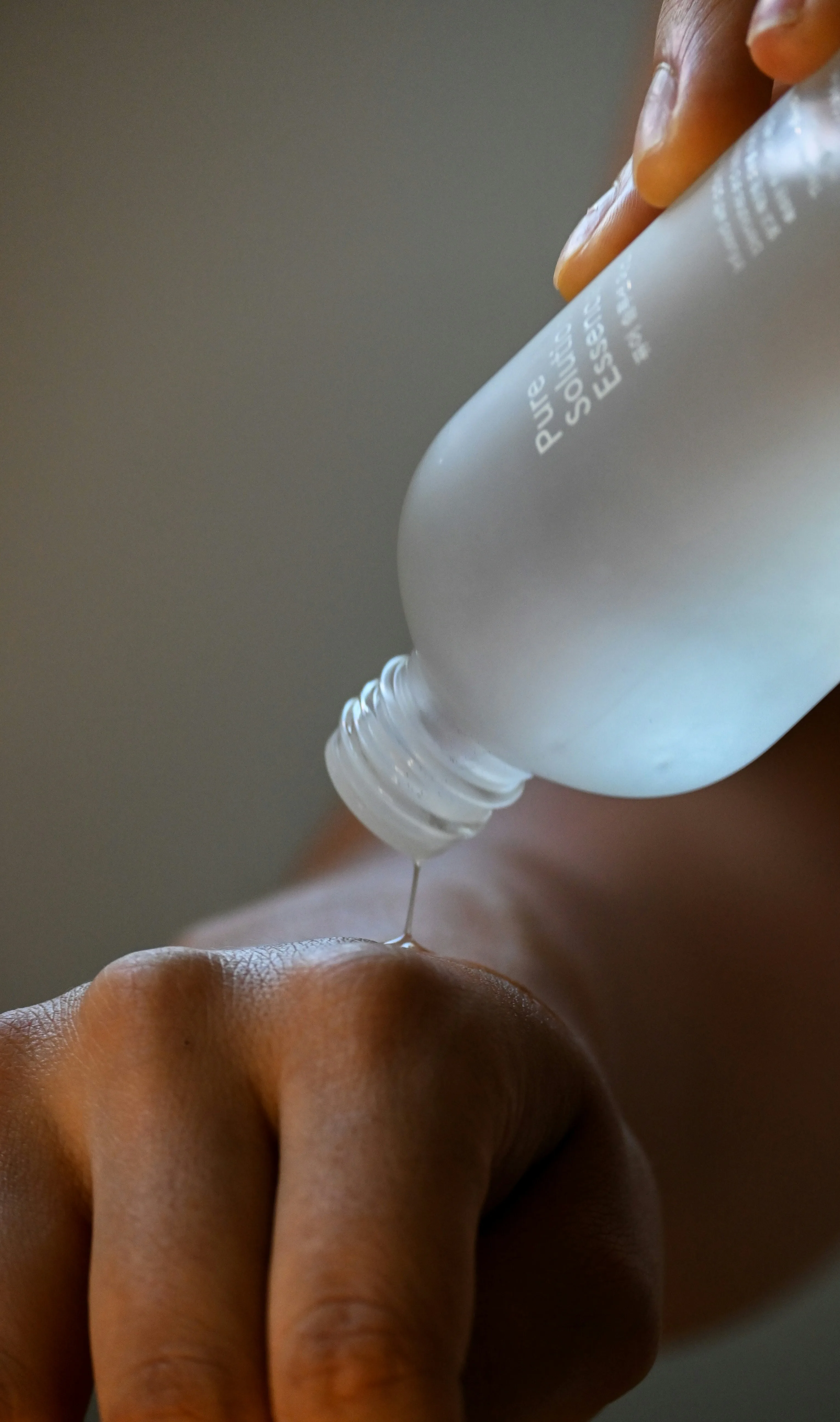
- Body Hydration Layer: Smooth a ceramide-rich body milk, urea-infused lotion (for rough elbows or heels), or plant squalane oil over still-damp skin to trap water before ambient air siphons it away.
- Wear Breathable Loungewear: Put on loose, soft cotton or silk inner clothing to shield newly conditioned skin from friction and room breezes.
Comparing Bathing Approaches: Scalding Heat vs. Mindful Soaking
The following comparative table illustrates how distinct bathing habits affect epidermal health and overall relaxation:
Scroll horizontally to view full table
| Factor | Scalding Hot Bath (42°C+ / 108°F+) | Mindful Japanese Ofuro (38°C–40°C / 100°F–104°F) | Quick Standing Shower |
|---|---|---|---|
| Lipid Barrier Impact | Dissolves intercellular ceramides and strips sebum | Preserves lamellar lipid bilayers and NMF integrity | Minimal lipid dissolution if water is lukewarm |
| Optimal Soak Time | Often limited to <5 mins due to rapid dizziness | 10 to 15 minutes of calm, therapeutic immersion | 3 to 5 minutes of direct water contact |
| Autonomic Nervous System | Stimulates sympathetic (fight-or-flight) response | Activates parasympathetic (rest-and-digest) system | Neutral or alerting depending on water spray |
| Hydrostatic Pressure | Presents risk of heart strain with high heat | Gently relieves lower limb heaviness and swelling | None (absence of water depth immersion) |
| Post-Bath Hydration Need | Urgent (intense itching and rebound flaking) | Standard prompt seal (within 5 to 10 minutes) | Moderate localized body moisturizing |