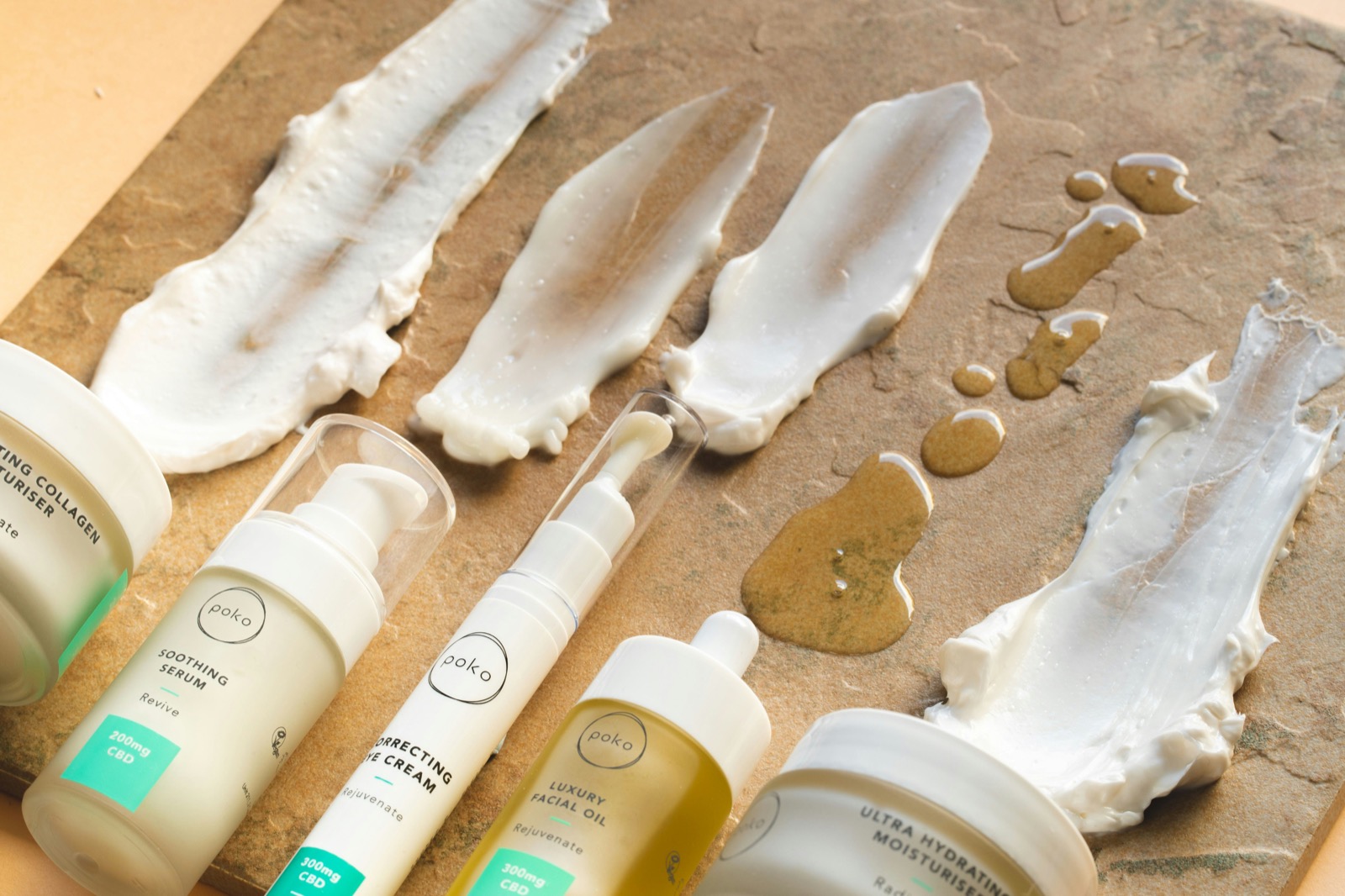
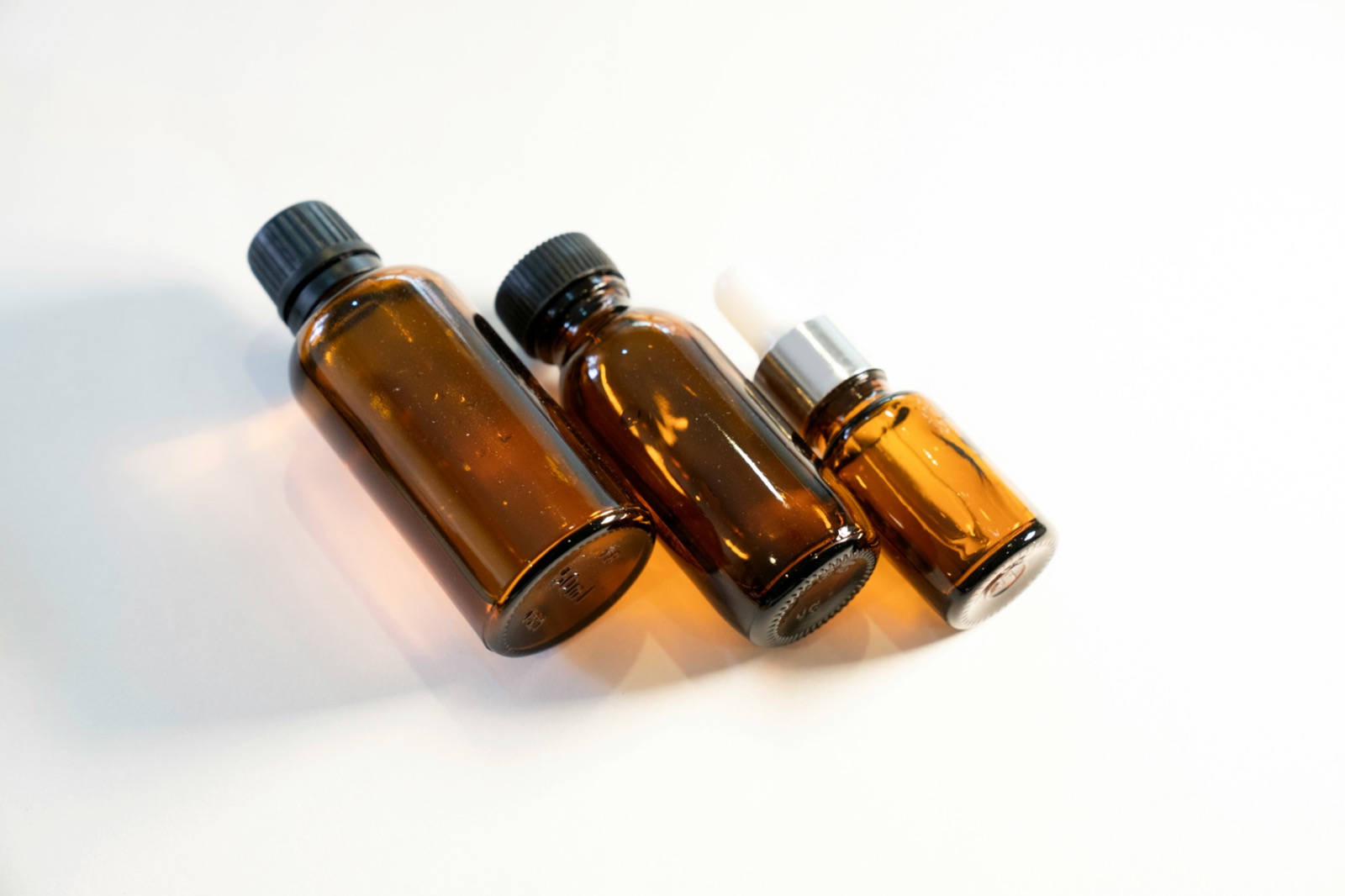
title: "Japanese Cosmetics Expiration Date and PAO Symbols: Guide" description: "Decode Japanese cosmetics expiration dates and PAO symbols. Learn the 3-year stability rule, batch code readers, packaging indicators, and shelf-life checks." category: "how-japan-works" slug: "japanese-cosmetics-expiration-date-and-pao-symbols" hero_image: "/images/stock/skincare-minimal-bottles-dropper-set.jpg" hero_image_alt: "Clean Japanese cosmetic bottles displaying manufacturing codes and packaging details" published_at: "2026-11-20" last_modified_at: "2026-11-20"
Japanese Cosmetics Expiration Date and PAO Symbols: Guide
When opening an imported Japanese moisturizer, lotion, or sunscreen for the first time, international consumers frequently experience a moment of panic: there is no printed expiration date anywhere on the box or bottle. Unlike Western or Korean skincare products—which routinely print an explicit calendar date (such as 'EXP 2027.05.12') or display an open-jar Period After Opening (PAO) icon—Japanese cosmetic packaging appears completely devoid of expiry information.
This absence is not an oversight or a lapse in quality control. It is the direct consequence of Japan's rigorous pharmaceutical regulatory framework. Understanding Japanese cosmetic shelf-life laws, production batch codes, and physical freshness indicators empowers you to use your products safely and confidently.
Under Japan's Pharmaceuticals and Medical Devices Act (PMD Act), cosmetics that maintain chemical and microbial stability for at least three years at room temperature are legally exempt from printing an expiration date. Consequently, 95% of Japanese drugstore skincare displays only an internal manufacturer batch code. Unopened products remain safe for three years from manufacture; once opened, they should be used within 6 to 12 months.
The Legal Framework: Japan's 3-Year Stability Standard (PMD Act)
In Japan, the manufacture and sale of beauty products is governed by the Ministry of Health, Labour and Welfare (MHLW) under the Pharmaceuticals and Medical Devices Act (PMD Act, formerly the Pharmaceutical Affairs Law):
- The 3-Year Exemption Rule: Article 61 of the PMD Act stipulates that cosmetic products which do not alter in quality, separate, or undergo microbial degradation within three years under normal room-temperature storage conditions are legally prohibited from being required to display an expiration date.
- Mandatory Date Exceptions: The only cosmetics required to print an explicit date are rare, highly unstable preparations formulated without synthetic preservatives (such as Fancl's sealed sterile mini-bottles) or prescription-grade medicinal ointments.
Research published in PLOS ONE highlights that 'The stratum corneum (SC) provides a permeability barrier that limits the inflow and outflow of water.'[1] Applying degraded, rancid cosmetics past their stable window compromises this vital permeability barrier.
Deciphering Japanese Batch Codes: How Manufacturers Track Production
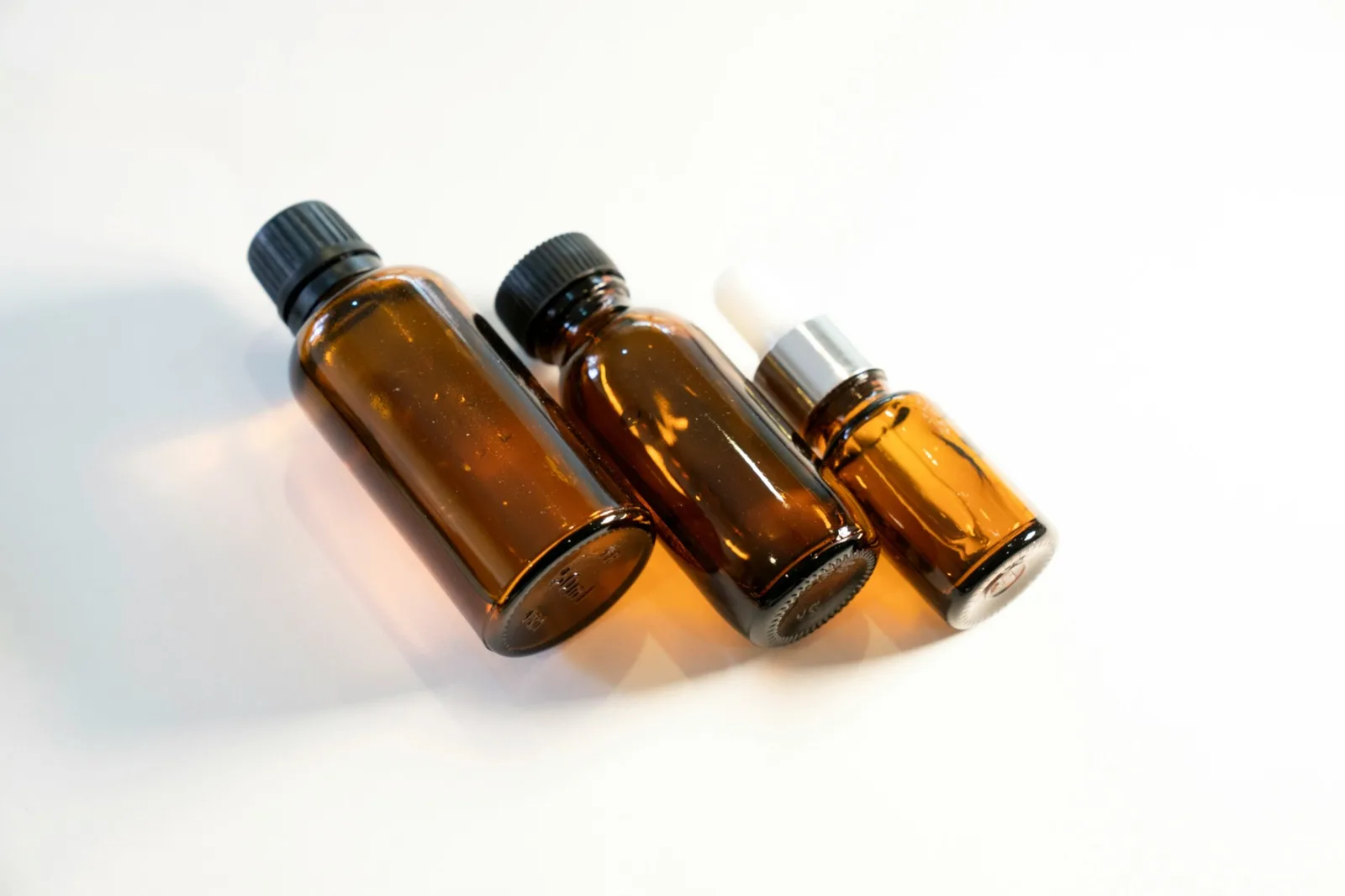
Instead of a calendar date, Japanese cosmetics stamp an alphanumeric batch code (seizou bangou) on the crimp of tubes or the underside of bottles. These codes are designed for internal quality assurance, factory recalls, and inventory traceability:
- Shiseido Coding System: Typically utilizes a 4-digit code (e.g., '3120AB'). The first digit represents the final digit of the manufacturing year (3 = 2023), followed by day-of-year indicators or factory identifiers.
- Kao & Canmake Systems: Employ proprietary alphanumeric sequences that can be decoded using independent cosmetic batch checker databases.
- Packaging Evolution Clue: Japanese cosmetic brands systematically redesign, reformulate, or update their packaging graphics every 2 to 3 years. If your bottle design matches the brand's current Japanese website, your product is virtually guaranteed to be fresh.
Overview Comparison
| Product Category | Unopened Shelf Life | Opened Shelf Life (PAO) | Visual Spoilage Signs |
|---|---|---|---|
| Essence Lotions (Keshosui) | 3 Years | 6 to 9 Months | Cloudiness, sour odor, sediment flakes |
| Facial Emulsions (Nyueki) | 3 Years | 9 to 12 Months | Liquid phase separation, yellowing |
| Japanese Sunscreens | 3 Years | 6 to 9 Months | Grainy texture, oil weeping, chemical odor |
| Cleansing Oils | 3 Years | 12 Months | Rancid oil scent, cloudy discoloration |
| Preservative-Free Formulas (e.g. Fancl) | 1 Year | 60 Days (Strict) | Clear expiry date printed on package |
Shelf Life After Opening: Why the PAO Symbol Matters
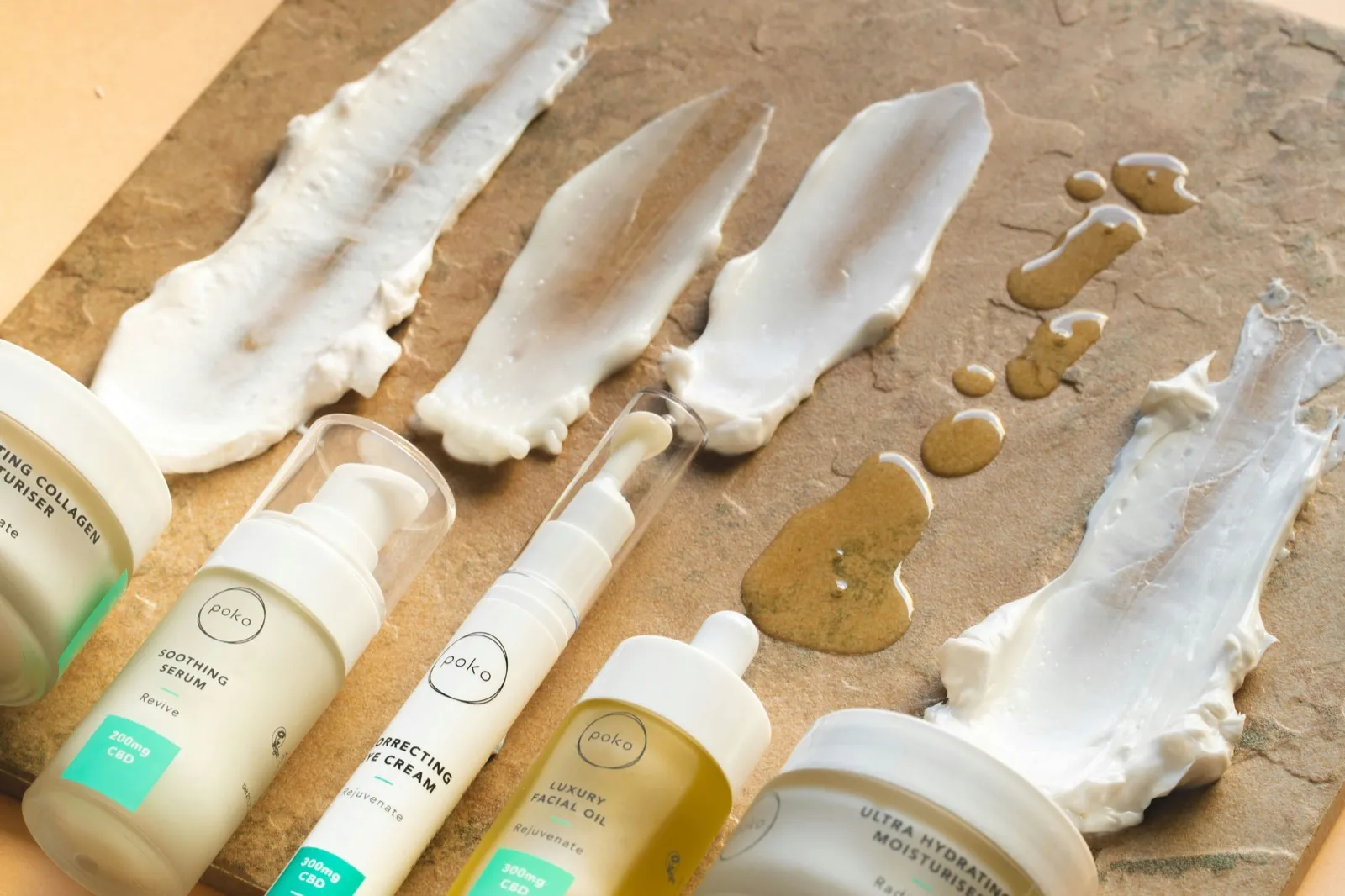
While unopened products remain stable for 36 months, the countdown begins the second you peel the foil seal or uncap the bottle. Air, oxygen, ambient humidity, and finger contact introduce microbial flora into the formula.
Clinical guidelines from the American Academy of Dermatology emphasize foundational skin hygiene: 'Use a gentle, non-abrasive cleanser that does not contain alcohol.'[2] Dermatologists advise individuals not to 'scrub your skin because scrubbing irritates the skin.'[2] Using contaminated cleansers or toners populated with opportunistic bacteria triggers inflammatory breakouts.
- Lotions & Toners (Keshosui): Use within 6 to 9 months.
- Emulsions & Creams: Use within 9 to 12 months.
- Sunscreens: Use within 6 to 12 months (never reuse sunscreen from a previous summer season).
- Eye Creams & Mascaras: Use within 3 to 6 months due to delicate conjunctival sensitivity.

Sensory Spoilage Checks: How to Tell if a Japanese Product Has Gone Bad
When evaluating an older Japanese product, rely on sensory inspection aligned with dermatological best practices: 'Limit baths and showers to five to ten minutes, using warm water.'[3] Furthermore, 'Apply moisturizer several times a day. Moisturizer plays a key role in healing dry skin. Be sure to apply your moisturizer when your skin is still damp after taking a shower or bath, after washing your hands, and when your skin feels dry.'[3]
- Olfactory Check: Discard any cream or oil that smells like stale cooking oil, metallic wax, or sour vinegar.
- Visual Inspection: Discard formulas that have shifted from milky white to dark beige, or clear serums that have turned cloudy brown.
- Tactile Texture: If shaking does not restore a split emulsion, or if grittiness appears in smooth balms, the stabilization matrix has broken down.
Signs to Stop and When to See a Doctor
- Acute Stinging from Normally Gentle Products: If a staple ceramide lotion suddenly stings or causes redness upon application, microbial contamination or acidic degradation has likely occurred.
- Unexplained Breakouts Along Application Zones: Spoiled fatty acids in expired creams clog pores and breed acne-causing bacteria. Discontinue the item immediately.
- Contact Dermatitis or Chemical Burns: Using expired chemical peeling actives or oxidized retinoids can cause severe flaking and erythema. Consult a board-certified dermatologist if irritation persists.
FAQ
Q1. Why is there no expiration date on my Japanese sunscreen?
A. Under Japanese law, cosmetics stable for three years at room temperature do not require a printed expiry date.(Details)
Under Japanese law, cosmetics stable for three years at room temperature do not require a printed expiry date. Japanese sunscreens reformulate every two years, ensuring active stock in stores is fresh.
Q2. How do I check the batch code on a Japanese cosmetic?
A. Locate the 4 to 6 character code stamped on the tube crimp or bottom base.(Details)
Locate the 4 to 6 character code stamped on the tube crimp or bottom base. Enter the brand and code into reputable online cosmetic batch calculator tools.
Q3. What does the open jar symbol with '12M' mean?
A. The Period After Opening (PAO) symbol indicates the product remains safe and stable for 12 months after the initial unsealing.(Details)
The Period After Opening (PAO) symbol indicates the product remains safe and stable for 12 months after the initial unsealing.
Q4. Is unopened Japanese skincare still good after 3 years?
A. While properly stored formulas may not spoil immediately after 36 months, active botanical vitamins and emulsifier stability decline.(Details)
While properly stored formulas may not spoil immediately after 36 months, active botanical vitamins and emulsifier stability decline. It is best to discard products older than three years.
Q5. Does Fancl skincare have expiration dates?
A. Yes, Fancl formulates sterile, preservative-free cosmetics and prints explicit production dates and fresh-use countdown calendars on every sealed box.(Details)
Yes, Fancl formulates sterile, preservative-free cosmetics and prints explicit production dates and fresh-use countdown calendars on every sealed box.
Summary
- Understand Japanese Law: Under the PMD Act, cosmetics stable for at least 3 years are legally exempt from printing calendar expiration dates.
- Observe the Opening Clock: Once unsealed, consume watery lotions within 6 months, creams within 12 months, and sunscreens within one summer season.
- Trust Sensory Indicators: Immediately discard any cosmetic that displays rancid odors, phase separation, or color discoloration.
Disclaimer: This article is for general information and education about Japanese cosmetics and their labels. It is not a substitute for professional medical advice, diagnosis, or treatment. Skincare results vary from person to person. Product formulas, availability, prices, and regulations change, and products sold in Japan can differ from versions sold elsewhere, so always check the current label. Do a patch test before introducing a new product, and consult a doctor or dermatologist if you have a skin condition or specific concerns.
References
- PLOS ONE (2015). Homogeneous transport in a heterogeneous membrane: water diffusion across human stratum corneum in vivo. DOI: 10.1371/journal.pone.0117292. Available from: https://journals.plos.org/plosone/article?id=10.1371/journal.pone.0117292
- American Academy of Dermatology (AAD). Face washing 101. Available from: https://www.aad.org/public/everyday-care/skin-care-basics/care/face-washing-101
- American Academy of Dermatology (AAD). Dermatologists' tips to relieve dry skin. Available from: https://www.aad.org/public/everyday-care/skin-care-basics/dry/dermatologists-tips-relieve-dry-skin