title: "Japanese Indie Beauty Brands Gaining Global Popularity" h1: "Japanese Indie Beauty Brands Gaining Global Popularity" meta_description: "Discover rising Japanese indie beauty brands gaining global popularity. Explore clean formulations, artisanal botanicals, and sustainable boutique J-beauty." category: "how-japan-works" date: "2026-11-19" author: "Seibun Lab Editorial Team" layout: "article" hero_image: "/images/stock/minimalist-skincare-pump-bottle-lifestyle-display.jpg" images: hero: "/images/stock/minimalist-skincare-pump-bottle-lifestyle-display.jpg" image_1: "/images/stock/japanese-beauty-stores-us-uk-apothecary-bottles.jpg" image_2: "/images/stock/cosmetics-pedestal-minimal-podium-display.jpg" image_3: "/images/stock/amber-dropper-serum-bottle-on-linen.jpg"
For decades, international awareness of Japanese skincare (J-beauty) was defined by heritage industrial giants such as Shiseido, KOSÉ, and Kanebo, alongside beloved drugstore value brands like Hada Labo and Bioré. While these established corporations remain formidable pillars of cosmetic science, a dynamic new wave of independent, boutique brands has captured the attention of skincare connoisseurs across North America, Europe, and Asia.
Known as craft J-beauty or indie skincare, these founder-led enterprises diverge from clinical mass-production. Instead, they champion small-batch agriculture, artisanal Japanese botanicals (wa-sozai), radical ingredient transparency, and architectural, eco-conscious packaging. This guide explores why Japanese indie beauty brands are gaining remarkable traction worldwide, reviews leading boutique pioneers, and explains what sets them apart from conventional cosmetic formulations.
Japanese indie beauty brands are flourishing internationally by blending regional botanical heritage (such as Hokkaido shiso, Kyoto matcha, and sake lees) with clean formulation principles, aromatherapeutic wellness, and sustainable design. Boutique labels like DAMDAM Tokyo, SHIRO, Waphyto, and OSAJI offer mindful, low-irritation daily rituals that emphasize skin barrier balance and sensory luxury over aggressive chemical peeling or mass-market uniformity.
The Indie J-Beauty Movement: What Sets It Apart
In the global marketplace, a brand represents a name, term, design, symbol or any other feature that distinguishes one seller's[5] product from competitors. While corporate beauty lines focus on high-speed clinical benchmarking, Japanese indie brands cultivate distinct identities rooted in cultural mindfulness.
1. Regional Provenance and Food-Grade Agriculture
Rather than sourcing generic, bulk-manufactured commodity chemicals, Japanese indie founders work directly with regional agricultural cooperatives:
- Traceable Sourcing: Products feature cold-pressed camellia seed oil from volcanic Izu islands, hand-harvested shiso (perilla) from organic Hokkaido farms, and nutrient-dense sake kasu (fermented sake lees) from multi-generational sake breweries in Ishikawa.
- Whole-Plant Utility: Brands utilize agricultural byproducts, extracting active nutrients from upcycled fruit rinds, wood trimmings, and seed presses that would otherwise be discarded.
2. The Clean Formulation Standard (Mutenka)
Under regulatory standards, cosmetics serve purposes of cleansing, improving or altering the complexion[1] to promote personal comfort. Japanese indie brands honor this principle through strict mutenka (additive-free) formulations:
- Free from synthetic artificial dyes, petroleum surfactants, parabens, and synthetic mineral oils.
- Formulated at physiological pH levels that respect the stratum corneum, ensuring optimal tolerance for hypersensitive complexions.
3. Aromatherapy and Emotional Grounding
Unlike unscented clinical formulas or overpowering synthetic perfumes, indie J-beauty integrates natural aromatics. Formulators incorporate pure essential oils and other aroma compounds[3] derived from native Japanese flora:
- Hinoki (Japanese Cypress): Revered for its grounding, woodsy profile that evokes historic temple baths.
- Yuzu: A zesty, uplifting citrus harvested in Kochi Prefecture that revitalizes the spirit.
- Kuromoji (Spicebush): A prized mountain woodland shrub with subtle, calming herbal undertones.
Environmental Stewardship and Sustainable Design
In modern manufacturing, sustainability is often thought of as a long-term goal[2] that guides sustainable resource stewardship. Japanese indie brands embrace sustainability not as a marketing trend, but as an extension of traditional mottainai (respecting resources without waste).
Key sustainable practices across Japanese indie lines include:
- Upcycled Architectural Materials: Brands partner with heritage woodworking workshops to repurpose discarded furniture offcuts into handcrafted wooden bottle caps and display trays.
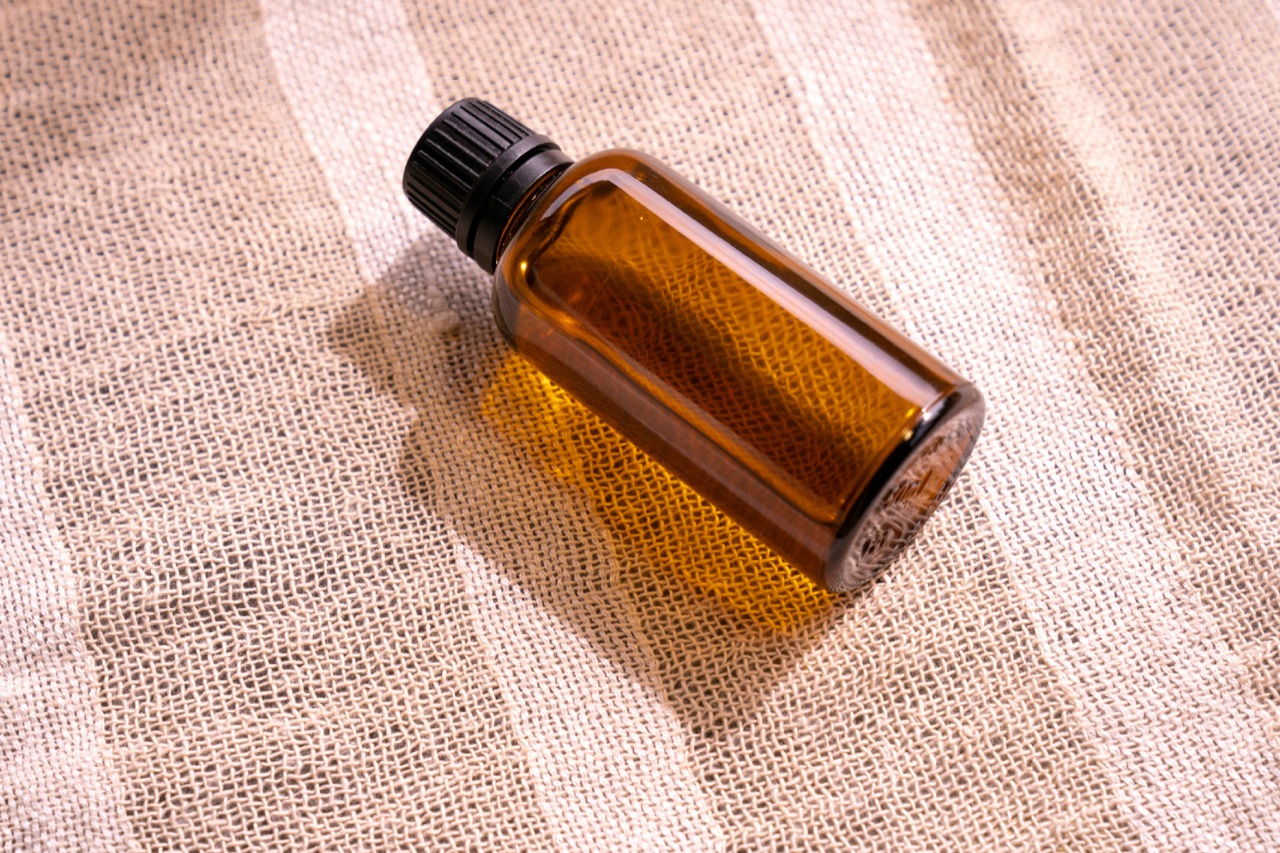
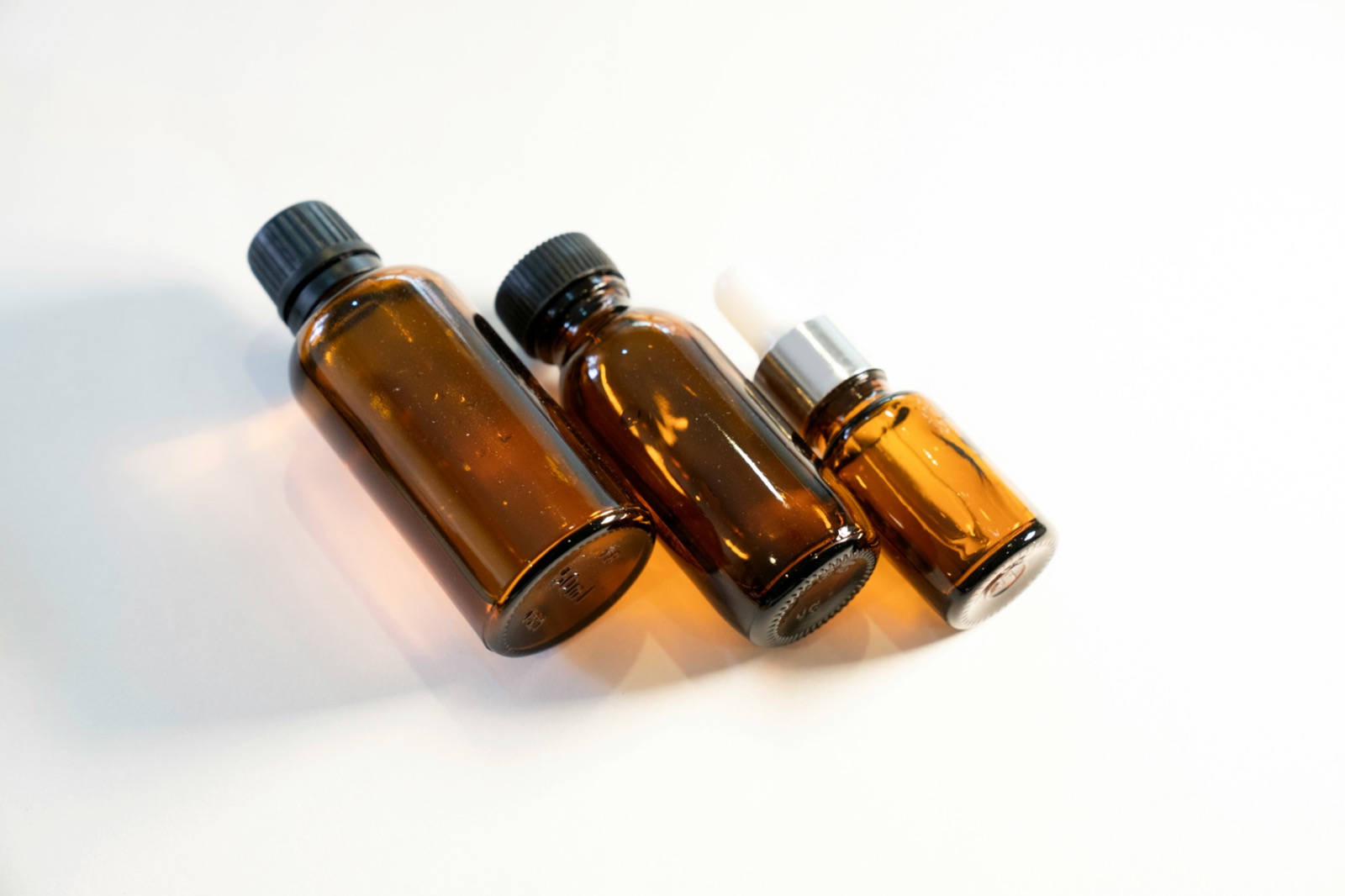
- Recycled Glass and Aluminum: Packaging prioritizes endlessly recyclable amber glass and lightweight aluminum containers over virgin plastics.
- Concentrated Refills: High-quality bottles are designed for multi-year reuse, supported by minimalist paper-laminate refill pouches.
Benchmark Review: Leading Japanese Indie Brands
Several independent Japanese brands have successfully established international followings through their thoughtful formulations and distinct brand stories:
1. DAMDAM Tokyo
- Brand Origin: Founded by Giselle Go and Philippe Terrien with a mission to share clean, plant-powered Japanese craftsmanship globally.
- Key Botanical: Organic Shiso (perilla) leaf extract, celebrated for its antioxidant polyphenols and calming barrier support.
- Hero Product: Skin Mud Power Mask and Mochi Mochi Luminous Cream. Recognized as a clean beauty pioneer with placement in major international specialty retailers.
2. SHIRO
- Brand Origin: Born in Hokkaido as an ingredient-first enterprise, SHIRO emphasizes unadorned, ethical harvesting of natural foods and herbs.
- Key Botanical: Gagome kombu seaweed from Hakodate (rich in moisture-retaining fucoidan) and artisanal sake lees (sake kasu) from Kobayashi Brewery.
- Hero Product: Sake Kasu Moisture Lotion and Gagome Kombu Serum. Operates standalone lifestyle boutiques in Tokyo, London, and New York.
3. Waphyto
- Brand Origin: Created by award-winning phytotherapist Atsuko Morita, combining French botanical science with Japanese herbology from the nutrient-rich soils of the Mikawa region in Aichi Prefecture.
- Key Botanical: Five signature Mikawa botanicals: mulberry leaf, Japanese knotweed, calendula, gotu kola, and mugwort (yomogi).
- Hero Product: Regena Toner and Facial Milk. Prized for biocompatible lipid profiles that absorb effortlessly without greasiness.
4. BAUM
- Brand Origin: A boutique, conscious skincare offshoot developed in collaboration with furniture artisans Karimoku, focusing on the symbiosis between forest ecosystems and skin vitality.
- Key Botanical: Tree extracts including cedarwood oil, ginkgo biloba, and cypress essences.
- Hero Product: Hydro Essence Lotion and Moisturizing Oil. Housed in containers featuring custom-milled upcycled oak furniture wood.
5. OSAJI
- Brand Origin: Conceived by cosmetic developer Masato Urushibata with a medical and dermatological focus on hyper-reactive skin.
- Key Botanical: Japanese hot spring thermal waters and natural mineral complexes blended with skin-identical amino acids.
- Hero Product: Kao Essence and Ibuki Multi-Moist Gel. Highly favored by individuals who experience flushing or contact sensitivity.
Comparison: Legacy J-Beauty vs Indie J-Beauty
The table below highlights how boutique indie beauty differs from traditional conglomerate skincare:
Scroll horizontally to view full table
| Dimension | Legacy Japanese Conglomerates | Japanese Indie Beauty Brands |
|---|---|---|
| R&D Philosophy | Mass clinical trials, synthetic quasi-drug actives | Small-batch regional botanicals, phytotherapy |
| Sourcing Model | Global chemical suppliers, centralized synthesis | Prefectural farm partnerships, upcycled agriculture |
| Fragrance Profile | Synthetic floral perfumes or completely unscented | 100% natural essential oils (Hinoki, Yuzu, Kuromoji) |
| Packaging Ethos | Sleek metallic plastics, high-speed automated bottling | Recycled glass, upcycled wood caps, minimalist refill paper |
| Brand Aesthetic | Corporate prestige, laboratory clinical authority | Wabi-sabi minimalism, tactile warmth, mindfulness |