Kintsugi Philosophy in Skincare: The Art of Skin Resilience
How Japan WorksBy Miho Tanaka
title: Kintsugi Philosophy in Skincare: The Art of Skin Resilience
h1: Kintsugi Philosophy in Skincare: The Art of Skin Resilience
description: Discover how Japanese kintsugi philosophy transforms skincare. Learn how barrier resilience, ceramides, and wabi-sabi aesthetics honor skin healing.
meta_description: Discover how Japanese kintsugi philosophy transforms skincare. Learn how barrier resilience, ceramides, and wabi-sabi aesthetics honor skin healing.
category: how-japan-works
slug: kintsugi-philosophy-in-skincare-resilience-japan
publish: false
published_at: 2026-11-19
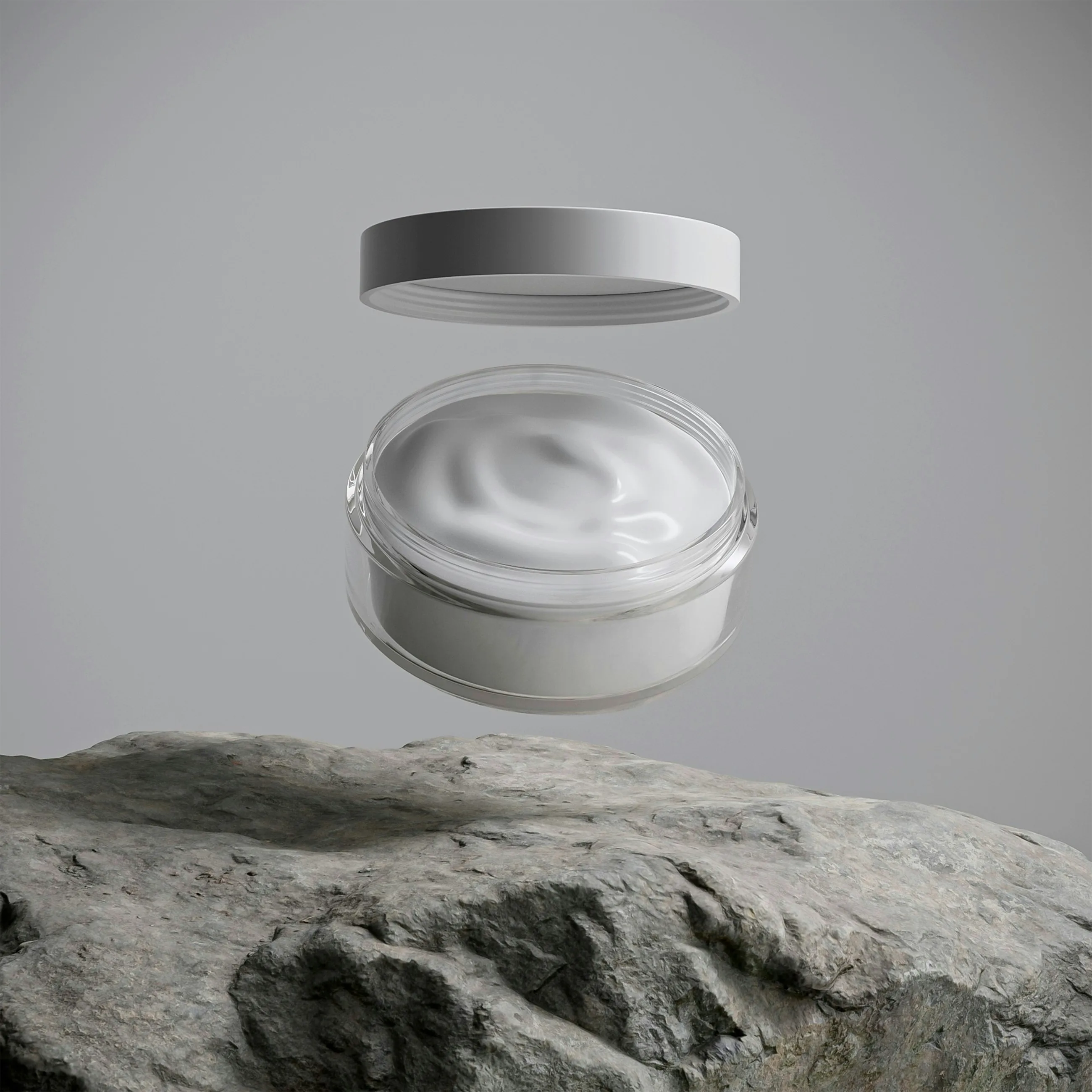
hero_image: /images/stock/skincare-floating-cream-jar-stone-modern.jpg
hero_image_alt: Modern skincare jar resting serenely upon textured natural stone evoking Japanese kintsugi aesthetics
Kintsugi Philosophy in Skincare: The Art of Skin Resilience
In modern beauty culture, perfection is often presented as an uncompromising ideal: airbrushed texture, invisible pores, and an unblemished complexion completely devoid of history. Yet human skin is a living, responsive organ that inevitably experiences environmental stress, occasional breakouts, barrier disruptions, and the natural passage of time. When our skin flares up or develops texture, the conventional impulse is often punitive—scrubbing aggressively with high-percentage acids, piling on concealing makeup, or feeling frustration toward our face.
Traditional Japanese aesthetics offers a profoundly different and liberating perspective through the ancient art of kintsugi (golden joinery). Originating in traditional Japanese craft, kintsugi is the japanese art of repairing broken pottery by mending the areas of breakage with urushi lacquer dusted or mixed with powdered gold, silver, or platinum[1]. Rather than concealing accidental damage, kintsugi treats breakage and repair as part of the history of an object rather than something to disguise[1]. This worldview is inseparable from Japanese wabi-sabi aesthetics, a cultural perspective that centers on the acceptance of transience and imperfection[2]. When applied to skincare, the philosophy of kintsugi shifts our daily relationship with our face from one of relentless correction to one of mindful restoration, barrier resilience, and compassionate care.
Quick answer: What does kintsugi teach us about skincare?
*Kintsugi* teaches that skin disruptions, sensitivities, and scars are not shameful flaws to be aggressively masked, but chapters of personal resilience to be approached with patience and nourishing care. In Japanese skincare, barrier restoration mirrors golden joinery: instead of harsh exfoliation, we replenish compromised intercellular lipids with ceramides and botanical oils. By honoring the skin's natural recovery cycle rather than chasing artificial perfection, we cultivate lasting barrier strength and radiant translucency (*tsuya*).
Like precious stoneware supported by steady artisan craft, our skin barrier flourishes through gentle, replenishing daily rituals.
What Is Kintsugi? The Art of Golden Joinery
The origins of kintsugi (literally "golden joinery" or kintsukuroi, "golden mending") trace back to 15th-century Japan. According to historical accounts, when Shogun Ashikaga Yoshimasa sent a damaged Chinese celadon tea bowl back to China for mending, it was returned bound with crude metal staples. Unimpressed by the unsightly fix, Japanese craftsmen developed an artistic alternative: binding the ceramic shards with sap derived from the indigenous lacquer tree (urushi) and dusting the wet seams with shimmering gold powder.
The result transformed a damaged vessel into a one-of-a-kind masterpiece. The bright veins of gold did not hide the breakage; they highlighted the fractures, announcing that the bowl had lived a unique story and emerged even more valuable.
+-------------------------------------------------------+
|             THE TWO PARADIGMS OF SKINCARE             |
+---------------------+---------------------------------+
| Conventional View   | Kintsugi J-Beauty View          |
+---------------------+---------------------------------+
| Flaws must be masked | Breakages reveal resilience     |
| Aggressive peeling  | Nourishing lipid replenishment  |
| Conceal under paint | Celebrate skin translucency     |
| Fragile perfection  | Flexible, enduring resilience   |
+---------------------+---------------------------------+
When we bring this philosophy to our vanity mirror, it transforms how we view skin flare-ups. A compromised moisture barrier or post-inflammatory redness is not a personal failure; it is an organic reminder that our outer shield has been working hard to protect us from environmental stressors.
The Fragile Stoneware: How the Skin Barrier Fractures
To appreciate how kintsugi applies to dermal biology, one must examine the delicate architecture of human skin. Dermatologists describe the outer layer of skin through the classic "brick-and-mortar" model:
The Bricks: Corneocytes—flat, protein-dense cellular building blocks that form the physical surface.
The Mortar: Intercellular lipids—a balanced matrix of ceramides, cholesterol, and free fatty acids that fills the spaces between cells.
These vital lipids seal microscopic fractures within the stratum corneum, the outermost layer of the epidermis that shields the body from dehydration and irritants[4]. When environmental factors (such as dry winter air, pollution, UV radiation, or excessive foaming cleansers) strip away these intercellular lipids, microscopic fractures appear across the stratum corneum.
In this state, moisture evaporates rapidly into the air (transepidermal water loss, or TEWL), and external irritants reach deeper epidermal layers, causing stinging, redness, and dehydration. Piling on strong chemical exfoliants or scrubbing brushes on a cracked barrier is the equivalent of hitting damaged porcelain with a hammer. True resilience requires the gentle, patient approach of golden lacquer.
Just as golden urushi lacquer seals broken stoneware, restorative facial oils and bio-identical lipids fortify compromised epidermal barriers.
Ceramides as Golden Lacquer: The Biology of Skin Resilience
In the metaphor of skincare kintsugi, what serves as our golden lacquer? In dermatological science, the primary restorative material is intercellular ceramides.
Just as golden lacquer binds shattered ceramic, intercellular ceramides are structurally composed of sphingosine and a fatty acid to hold epidermal cells together[3]. Ceramides constitute roughly 50% of the lipid matrix in healthy skin. When skin experiences flare-ups, topical formulas enriched with bio-compatible ceramides (such as Ceramide NP, AP, and EOP), phytosterols, and squalane act precisely like artisan urushi: they seep into intercellular voids, binding loose corneocytes together and re-establishing an impermeable seal.
Scroll horizontally to view full table
Element
Ceramic Kintsugi Craft
Dermal Barrier Resilience
Philosophical Meaning
The Base Material
Fired clay, earthenware, or porcelain vessel
Stratum corneum corneocytes (epidermal bricks)
A precious, functioning structure vulnerable to environmental stress
Recovery visible as strength, vitality, and distinct character
Embracing Wabi-Sabi: Releasing the Pursuit of Poreless Perfection
A core pillar of Japanese culture is wabi-sabi—finding peace in the imperfect, impermanent, and incomplete nature of reality. In modern Western social media, skincare marketing frequently pedals an illusion of "glass skin": skin that looks like polished, pore-free kitchenware.
Real skin, however, is not glass. Real skin breathes, sweats, produces protective sebum, flexes with facial expressions, and changes across monthly hormonal cycles. When we adopt the wabi-sabi and kintsugi mindset:
Pores Are Recognized as Vital Organs: Pores are natural conduits that deliver protective sebum to lubricate and shield the skin barrier. Attempting to eradicate them is neither possible nor biologically healthy.
Expression Lines Are Honored: Fine laugh lines around the eyes reflect decades of joy, connection, and emotional presence rather than flaws to dread.
Past Breakouts Become Signs of Recovery: Post-blemish marks are supported with gentle brightening hydrators and patience, honoring the body's successful defense against microbial imbalances.
True dermal resilience focuses on sealing moisture within and shielding against external irritants through steady barrier nourishment.
Five Kintsugi-Inspired Rituals for Barrier Resilience
Bringing kintsugi into your daily routine is less about buying new products and more about transforming your technique and mindset. Here are five practical practices inspired by golden joinery:
1. Low-Friction Hand Pressing (Te no Hira)
Kintsugi artisans never force broken pottery together with rough violence; they support the pieces with steady, delicate hands. Similarly, avoid dragging cotton pads or vigorously rubbing creams across irritated skin. Dispense lotion into clean palms and gently press (osae-zuke) into the skin, using body warmth to promote even absorption without shear friction.
2. Prioritize Barrier Mortar Over Chemical Peels
When skin feels rough or dull, common advice suggests applying strong acid peels. However, rough texture is often a cry for moisture, not exfoliation. Instead of stripping your skin, introduce ceramide-rich essences, rice bran emulsions, and soothing panthenol to replenish the depleted lipid mortar.
3. Layer Hydration Patiently
Artisans apply urushi lacquer in paper-thin layers, waiting days for each coat to dry and harden in a humid drying cabinet (furo). Practice similar patience by applying lightweight hydrating lotions (keshosui) in two or three thin layers before sealing with an emulsion. This gives the stratum corneum time to absorb water without overwhelming the surface.
4. Respect the 28-Day Cellular Renewal Rhythm
Ceramic mending cannot be rushed; neither can human epidermis. Keratinocytes require approximately 28 days to travel from the basal membrane to the surface and slough off naturally. Give barrier-support routines at least one full renewal cycle before evaluating results.
5. Cultivate Compassionate Self-Talk
When looking in the mirror during a flare-up, replace self-criticism with gratitude. Recognize that your skin is actively working to shield you. Caring for your face with gentle nourishment is an act of self-respect that aligns with the ancient spirit of kintsugi.
Like a fresh dew drop cradled by a resilient leaf, healthy skin maintains its natural balance through gentle daily protection.
Signs to Stop and When to See a Doctor
While embracing the gentle philosophy of kintsugi encourages patience and barrier replenishment, acute or persistent cutaneous symptoms require professional clinical intervention:
Severe Barrier Stinging or Contact Dermatitis: If skin burns intensely upon applying basic ceramide lotions or develops persistent red wheals, pause all active products immediately and rinse with cool water.
Chronic Inflammatory Flares: Philosophical mindset shifts cannot substitute for medical therapies. If you experience severe rosacea flushing, cystic acne nodules, or infected weeping eczema patches, consult a board-certified dermatologist promptly.
Unexpected Pigment Changes or Suspicious Lesions: While mature texture and fine lines reflect natural skin history, changing moles, bleeding spots, or irregular pigmented borders require immediate medical evaluation by a physician.
FAQ
Q1. What does kintsugi mean in the context of skincare?
A. It is a philosophy that views skin barrier restoration and recovery as an art of resilience.(Details)
In skincare, *kintsugi* is a guiding mindset inspired by the Japanese art of mending broken ceramics with golden lacquer. Rather than punishing your skin or trying to mask every blemish, texture, and fine line, *kintsugi* encourages us to approach skin flare-ups and barrier disruptions with gentle, nourishing care. It highlights that skin which has recovered from sensitivity can emerge stronger, more resilient, and beautiful in its unique history.
Q2. How can I apply the kintsugi philosophy if my skin barrier is damaged?
A. Stop harsh exfoliants and replenish intercellular lipids with ceramides and squalane.(Details)
When your skin barrier is compromised (manifesting as stinging, tightness, redness, or flakiness), adopt the artisan's patience: immediately stop using aggressive physical scrubs and chemical acids. Switch to a non-stripping cleanser, layer hydrating essences using gentle hand-press techniques, and seal the surface with bio-compatible lipids—such as ceramides, cholesterol, and squalane—that act like golden lacquer to bind the stratum corneum together.
Q3. How does kintsugi differ from the western concept of anti-aging?
A. Kintsugi celebrates skin history and resilience rather than waging war against aging.(Details)
Conventional Western anti-aging marketing often frames mature skin as a battle to be fought, using militant language like "fighting wrinkles" or "erasing flaws." The *kintsugi* perspective, rooted in Japanese *wabi-sabi*, views aging and skin history with deep reverence. It prioritizes skin healthspan, hydration, and natural translucency (*tsuya*), honoring expression lines and personal history as markers of a rich, well-lived life.
Q4. Which skincare ingredients serve as the golden lacquer for skin?
A. Ceramides, cholesterol, fatty acids, and panthenol act as restorative barrier mortar.(Details)
The biological equivalents of *urushi* lacquer are intercellular barrier lipids: ceramides (sphingolipids), plant-derived squalane, cholesterol, and free fatty acids found in camellia or rice bran oils. Additionally, soothing humectants like panthenol (provitamin B5), hyaluronic acid, and fermented botanicals support cellular recovery, creating the ideal hydrated environment for the stratum corneum to re-establish integrity.
Q5. Why is low friction so important in Japanese barrier care?
A. Rubbing creates mechanical micro-friction that breaks delicate cellular connections.(Details)
The stratum corneum is only a fraction of a millimeter thick. Vigorous rubbing, pulling with harsh washcloths, or scrubbing creates mechanical friction that shears delicate corneocyte bonds and triggers underlying melanocytes and inflammatory pathways. Japanese skincare emphasizes gentle hand-pressing (*te no hira*) and cushioning foam cleansers to minimize physical disturbance while delivering active hydration.
Summary
The philosophy of kintsugi reminds us that true skin beauty is not about flawless porcelain perfection, but about the art of resilient recovery:
Honoring the Journey: Flare-ups, seasonal dryness, and past blemishes are not shameful defects; they are natural markers of a living organ that continually protects you.
Restorative Mortar: Like golden urushi lacquer binding broken ceramic, bio-identical ceramides and botanical lipids restore cohesion to a cracked stratum corneum.
Wabi-Sabi Acceptance: Releasing the anxiety of artificial, poreless perfection allows you to appreciate your skin's natural vitality, texture, and authentic glow.
Mindful, Gentle Rituals: Practicing low-friction hand pressing, patient hydration layering, and self-compassion creates an enduring, resilient barrier that flourishes through every season.
Disclaimer: This article is for general information and education about Japanese cosmetics and their labels. It is not a substitute for professional medical advice, diagnosis, or treatment. Skincare results vary from person to person. Product formulas, availability, prices, and regulations change, and products sold in Japan can differ from versions sold elsewhere, so always check the current label. Do a patch test before introducing a new product, and consult a doctor or dermatologist if you have a skin condition or specific concerns.