Lifelong Skin Health Over Quick Anti Aging Fixes - Guide
How Japan WorksBy Miho Tanaka
title: Lifelong Skin Health Over Quick Anti Aging Fixes - Guide
slug: lifelong-skin-health-over-quick-anti-aging-fixes
category: how-japan-works
publish: true
meta_description: Explore the Japanese philosophy of hada-iku: nurturing lifelong skin barrier resilience and natural vitality over aggressive, quick anti-aging fixes.
image: /images/stock/hero-woman-smiling-natural-makeup-glowing-face.jpg
alt: Woman with radiant healthy skin smiling serenely reflecting the Japanese philosophy of lifelong skin nurturing
date: 2026-03-30
tags:
hada-iku
skin longevity
preventive beauty
j-beauty
how-japan-works
Lifelong Skin Health Over Quick Anti Aging Fixes - Guide
Modern global skincare culture frequently bombards consumers with promises of rapid youth restoration—overnight chemical peels, high-strength retinoid purging cycles, and aggressive clinic-grade resurfacing designed to burn away wrinkles instantly. In sharp contrast, the traditional and contemporary Japanese skincare philosophy is grounded in hada-iku (skin nurturing or skin cultivation). Rather than regarding skin as an adversary to be subjected to chemical injury, Japanese cosmetic methodology views the cutaneous barrier as a delicate living garden that requires steady, patient care throughout every decade of life.
Understanding the principles of skin cultivation, barrier preservation, and longevity routines clarifies why slow, continuous maintenance yields more resilient, youthful skin over a lifetime.
Quick answer: What is the Japanese Hada-Iku Philosophy?
*Hada-iku* (skin nurturing) prioritizes supporting the skin's endogenous barrier function rather than relying on abrasive interventions. By providing daily physiological hydration (ceramides, multi-weight hyaluronic acid, and botanical amino acids), maintaining diligent sun protection, and avoiding inflammation, this philosophy ensures that skin cells mature smoothly without micro-scarring or chronic barrier stress.
The Flaw of Quick Resurfacing: The Inflammation Paradox
Many rapid anti-aging protocols operate on the principle of controlled injury: stripping the outermost epidermal layers to force rapid stem cell proliferation. While this can create temporary glossiness, chronic resurfacing induces low-grade micro-inflammation—a biological driver known as inflammaging.
Repeated chemical trauma accelerates telomere shortening in basal keratinocytes, exhausts dermal stem cell niches, and degrades intercellular lipid laminations. In Asian and melanin-sensitive skin types, aggressive resurfacing frequently triggers stubborn post-inflammatory hyperpigmentation. Japanese dermatological science avoids this trap by focusing on gentle, non-disruptive support that honors the natural 28-day epidermal turnover cycle.
Safeguarding the Stratum Corneum for Long-Term Resilience
The core tenet of Japanese skincare is that youthful resilience is impossible without an intact, compliant outermost protective shield.
Research in PLOS ONE affirms: "The stratum corneum (SC) provides a permeability barrier that limits the inflow and outflow of water."[1] When this barrier is respected through non-stripping double cleansing, humectant lotions, and sealing emulsions, natural antimicrobial peptides and moisturizing factors thrive. Healthy stratum corneum cells protect living basal layers from environmental pathogens, oxidants, and moisture loss without triggering inflammatory defense cascades.
Comparing the Japanese Cultivation Model with Aggressive Anti-Aging
The divergence between lifelong cultivation (hada-iku) and aggressive resurfacing reflects contrasting philosophies of skin physiology.
Thins stratum corneum, risks chronic peeling and redness
Long-Term Outcome
Resilient, luminous skin with minimal lifetime reactivity
Vulnerable, sensitized skin prone to reactive rebound aging
The Four Pillars of Lifelong Japanese Skin Longevity
Nurturing skin across decades relies on consistent everyday habits rather than extreme, seasonal overhauls.
1. Frictionless Daily Cleansing (Mimasatsu)
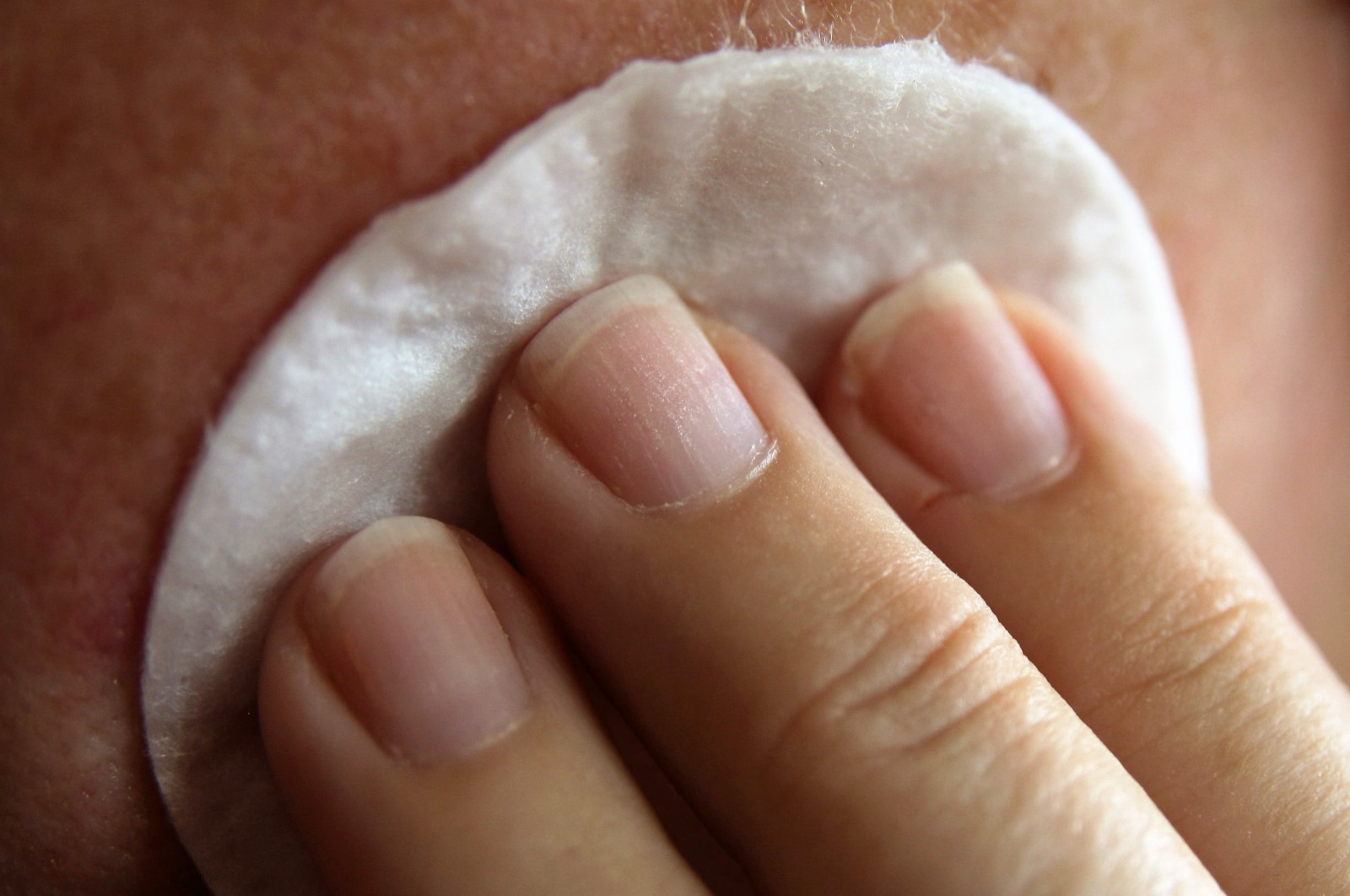
Japanese skincare strictly prohibits rubbing, pulling, or scrubbing facial skin. Cleanse using a rich cushion of micro-foam or an emollient cleansing oil that allows fingers to glide across skin without direct drag. Reducing mechanical friction prevents mechanical breakdown of delicate elastin fibers over decades.
2. Multi-Tiered Hydration Layering
Hydration in Japan is not a heavy grease coat; it is delivered through watery layers of lotion (kesho-sui), followed by a softening milk (nyueki), and locked in with a lightweight barrier cream. This structure mimics the natural composition of the epidermal intercellular matrix.
3. Non-Negotiable Broad-Spectrum UV Defense
Photo-aging accounts for up to eighty percent of visible skin aging. Japanese sunscreens are formulated with photostable filters and lightweight, skin-friendly textures designed for comfortable daily wear every single day of the year, rain or shine.
4. Harmonious Inner Nutrition (Washoku)
Internal hydration and cellular nourishment are sustained through daily bowls of fermented miso soup, mineral-rich sea vegetables, seasonal produce (shun), and roasted green tea. Nourishing dermal capillaries from within provides the living dermis with structural amino acids and protective antioxidants.
Shifting Your Mindset: From Fighting Age to Cultivating Radiance
Embracing the hada-iku philosophy requires releasing the anxiety-driven impulse to battle aging as a biological enemy.
Celebrate Natural Translucency (Tomeikan): Shift focus from erasing every fine expression line to cultivating clarity, even tone, and plump skin bounce.
Listen to Skin Reactivity: If a product stings, causes redness, or induces peeling, do not "push through the purge." Japanese skincare views stinging as a clear signal of barrier distress that demands immediate soothing.
Patience Over Panic: Meaningful skin changes occur across multiple turnover cycles. Consistent, gentle hydration sustained over twelve months delivers far more resilient skin than two weeks of harsh acid burns.
Signs to Stop and When to Seek Medical Advice
While gentle nurturing approaches are exceptionally safe, persistent inflammatory skin conditions require clinical dermatological evaluation.
Discontinue active products and consult a physician if you observe:
Chronic facial flushing, burning, or visible broken capillaries characteristic of rosacea
Severe, painful cystic nodules along the jawline or cheeks
Thick, scaly yellow patches around the eyebrows and nose (seborrheic dermatitis)
Sudden allergic reactions characterized by hives, facial swelling, or severe itching
If skin irritation persists despite returning to a minimal routine of plain water and pure petrolatum or squalane, seek guidance from a licensed dermatologist.
FAQ
Q1. Can a gentle skincare routine really prevent deep wrinkles over time?
A. Yes, preventing chronic inflammation and daily UV exposure preserves collagen far longer.(Details)
Chronic sub-clinical inflammation (inflammaging) and daily ultraviolet exposure are the primary drivers of collagen breakdown. By shielding skin from UV rays every day and avoiding barrier-stripping irritants, a gentle nurturing routine protects structural dermal fibers and slows the formation of deep wrinkles naturally.
Q2. Is skin purging normal when starting a Japanese skincare routine?
A. No, Japanese formulations are formulated to calm skin without aggressive purging cycles.(Details)
Purging typically occurs with high-potency exfoliants and prescription retinoids that accelerate cell division. Japanese skincare relies on gentle hydrators, ceramides, and fermented extracts that support barrier equilibrium. Any breakouts or burning sensations indicate product incompatibility rather than a necessary purge.
Q3. At what age should I transition to an anti-aging skincare routine?
A. The Japanese philosophy begins lifelong barrier care and sun defense in early youth.(Details)
In Japan, there is no sudden transition point into "anti-aging." Basic practices like daily sun protection, gentle double cleansing, and humectant hydration begin in adolescence and continue smoothly throughout adulthood, adjusting subtly to changing seasonal needs over decades.
Q4. Does avoiding strong exfoliants leave skin looking dull and congested?
A. Well-hydrated skin desquamates naturally without the need for harsh daily peeling.(Details)
The skin possesses its own natural shedding enzymes (kallikreins) that dissolve dead corneocytes automatically when moisture levels are optimal. Supplying consistent hydration through watery lotions and gentle fermented complexes allows natural desquamation to proceed cleanly without abrasive peels.
Q5. Can Japanese skincare philosophy work for individuals in dry or cold Western climates?
A. Yes, the core principle of water hydration sealed by lipids adapts to any climate.(Details)
In arid or freezing climates, simply increase the lipid concentration of your final sealing step. Apply multiple layers of hydrating lotion (*kesho-sui*) to bind water internally, then seal firmly with a rich ceramide cream or pure squalane oil to stop dry cabin or heater air from evaporating moisture.
Summary
The Japanese philosophy of hada-iku reminds us that skin health is a lifelong marathon rather than a sprint of aggressive quick fixes. By rejecting the inflammation paradox of harsh chemical resurfacing in favor of gentle double cleansing, multi-step hydration, and daily broad-spectrum sun defense, you cultivate an environment where the skin barrier can flourish. Honoring your skin with patience, consistency, and mindful inner nourishment ensures lasting radiance, suppleness, and comfort through every stage of life.
Disclaimer: This article is for general information and education about Japanese cosmetics and their labels. It is not a substitute for professional medical advice, diagnosis, or treatment. Skincare results vary from person to person. Product formulas, availability, prices, and regulations change, and products sold in Japan can differ from versions sold elsewhere, so always check the current label. Do a patch test before introducing a new product, and consult a doctor or dermatologist if you have a skin condition or specific concerns.