title: "Omotenashi Spirit in Japanese Beauty Counters: Complete Guide" description: "Discover the omotenashi spirit in Japanese beauty counters. Learn how department store consultations, skin analysis, and generous sampling elevate customer care." category: "how-japan-works" slug: "omotenashi-spirit-in-japanese-beauty-counters" hero_image: "/images/stock/japanese-beauty-stores-us-uk-cosmetic-display-tray.webp" hero_image_alt: "Japanese department store beauty counter display with arranged skincare cosmetics on a presentation tray" published_at: "2026-11-20" last_modified_at: "2026-11-20"
Omotenashi Spirit in Japanese Beauty Counters: Complete Guide
Stepping onto the cosmetics floor of a premier Japanese department store—whether at Isetan in Shinjuku, Mitsukoshi in Ginza, or Hankyu in Umeda—is fundamentally different from visiting beauty retail halls in Western department stores. Rather than navigating aggressive sales pitches, loud promotional announcements, or hovering staff pushing commission-driven products, visitors are welcomed into an oasis of hushed elegance, meticulous cleanliness, and respectful calm.
This distinctive retail culture is rooted in omotenashi—the traditional Japanese philosophy of selfless, mindful hospitality that anticipates a guest's subtle needs without expecting anything in return.
At Japanese beauty counters (depa-cosme), omotenashi transforms cosmetic purchasing from a mere transaction into an educational and restorative consultation. Highly trained Beauty Consultants (BCs) act as dedicated skin counselors, pairing digital diagnostic precision with gentle tactile care.
The omotenashi spirit at Japanese beauty counters is a philosophy of attentive, pressure-free hospitality where Beauty Consultants prioritize holistic skin health over immediate retail sales. It combines gracious etiquette, non-invasive digital skin analysis, gentle frictionless product application, and tailored sample kits that empower customers to test formulations safely at home before making any purchase commitment.
The Philosophy of Omotenashi: Hospitality Without Pressure
The term omotenashi combines omote (public face or surface) and nashi (none), symbolizing pure sincerity without hidden motives or pretension. In the context of prestige Japanese department store beauty counters, this philosophy governs every second of the customer journey:
- Selfless Attentiveness: A Beauty Consultant observes your posture, facial expression, and interests, approaching with a gentle bow rather than an intrusive sales pitch.
- Zero-Pressure Environment: There is never an obligation to purchase. If a product does not match your current skin barrier condition, a consultant will frankly recommend taking samples home to observe your skin's response over several days.
- Respect for Personal Boundaries: The counter serves as a sanctuary where you can sit comfortably, sip warm tea or water, and discuss personal skin concerns in complete confidence.
| Experience Factor | Standard Commercial Retail | Japanese Omotenashi Beauty Counter |
|---|---|---|
| Consultant Stance | Commission-focused sales rep | Neutral skincare educator and diagnostic counselor |
| Sales Approach | Direct selling and upselling | Needs anticipation, listening, and home trial encouragement |
| Diagnostic Method | Visual estimation or subjective quiz | Multi-parameter optical and moisture sensor measurement |
| Product Demonstration | Quick swatch on back of hand | Warm towel prep, cotton pad glide, and frictionless patting |
| Sampling Culture | Generic sachets or purchase-only gifts | Exact 3 to 7 day custom regimen matched to skin readings |
Scientific Skin Diagnostics: Blending Tech with Human Warmth
One of the cornerstones of the modern Japanese beauty counter experience is non-invasive skin diagnostic technology. Before recommending any lotion, serum, or cream, the Beauty Consultant uses a handheld multi-sensor camera connected to a dedicated tablet.
Biochemical research published in PLOS ONE underscores the fundamental role of outer skin architecture: "The stratum corneum (SC) provides a permeability barrier that limits the inflow and outflow of water."[1]
Japanese beauty counter sensors evaluate this exact permeability barrier through several objective parameters:
- Corneometry (Hydration Levels): Measuring the electrical capacitance of the upper epidermal layer to determine true stratum corneum moisture content.
- Sebumeter Readings: Evaluating natural lipid excretion along the T-zone and U-zone to distinguish between genuine dry skin and dehydrated-oily skin.
- High-Magnification Optical Imaging: Zooming in at 50x magnification to examine the triangular micro-relief of skin furrows (kime), identifying whether texture is plump and regular or flattened from chronic dehydration.
- Translucency and Melanin Distribution: Assessing subsurface pigment dispersion and surface light reflectance to recommend brightening formulas.
Instead of judging your skin subjectively, the consultant reviews the digital score together with you, explaining how environmental shifts, seasonal temperature changes, or lifestyle stresses influence your barrier.
The Art of Frictionless Demonstration and Tactile Etiquette
When demonstrating products, Japanese Beauty Consultants adhere to strict physical hygiene and tactile rules designed to protect delicate epidermal tissue.
According to clinical skin-cleansing principles from the American Academy of Dermatology:
- "Use a gentle, non-abrasive cleanser that does not contain alcohol."[2]
- Dermatologists urge individuals not to "scrub your skin because scrubbing irritates the skin."[2]
This dermatological rule against mechanical irritation is observed religiously at Japanese counters:
- Oshibori Welcome: You are offered a warm, pristine cotton hand towel (oshibori) to refresh and sanitize your hands upon sitting down.
- Spatula Hygiene: Jars are never touched with bare fingers. Every sample cream or balm is extracted with a sterilized spatula onto a sanitized acrylic palette.
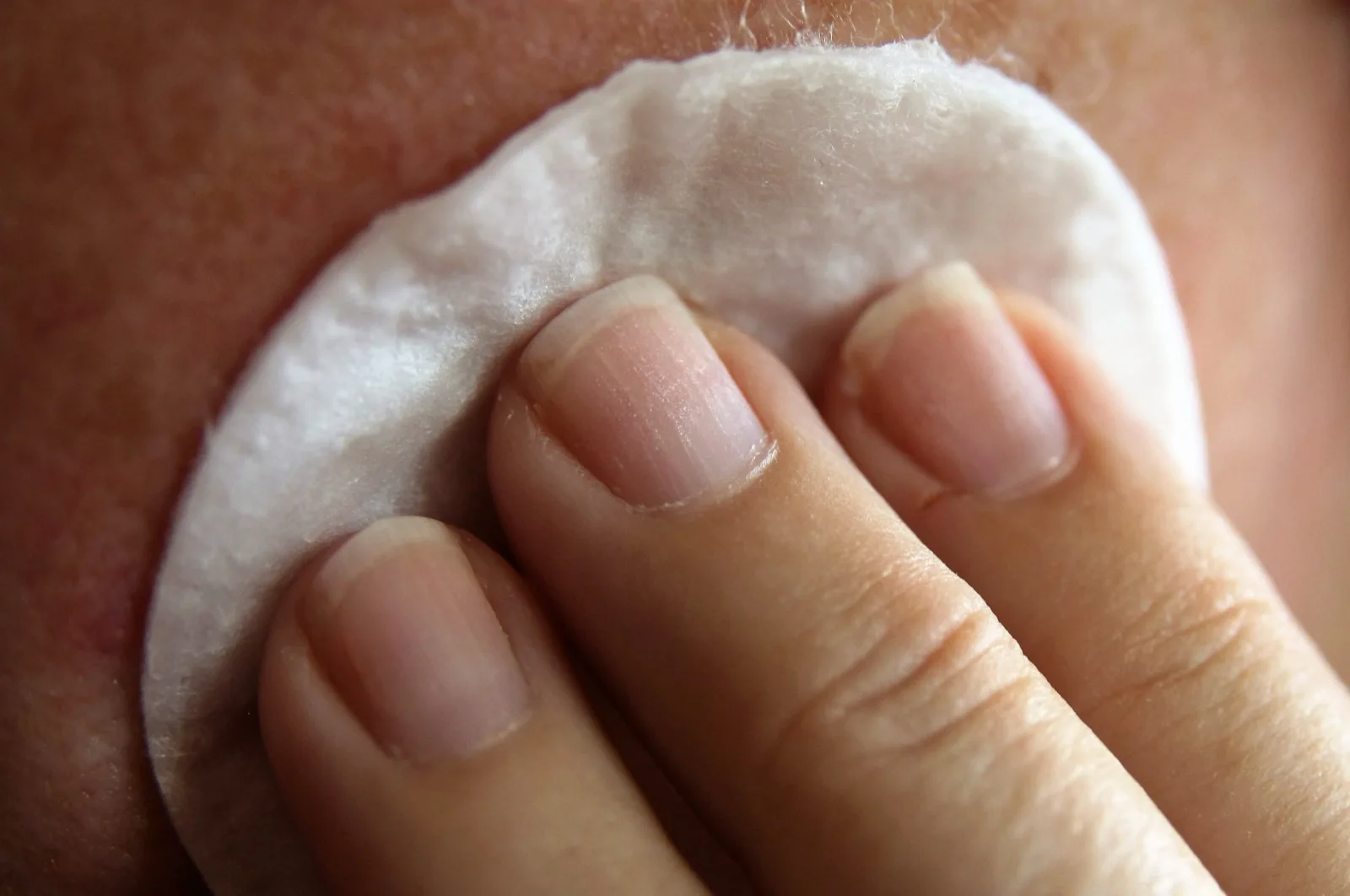
- The Three-Finger Cotton Grip: When applying watery lotions (keshosui) or emulsions, the consultant folds an organic, unbleached cotton pad around their middle finger, securing it between the index and ring fingers. This ensures even surface pressure and prevents fingernails from contacting the skin.
- Featherlight Patting (Patto): Products are swept upwards along lymphatic contours or pressed softly with open palms (hand press), transferring thermal body warmth to facilitate absorption without tugging or rubbing.
The Generous Sampling Culture: Respecting Skin Acclimation
In Western retail markets, cosmetic samples are frequently regarded as scarce rewards tied strictly to purchases. In contrast, Japanese beauty counters view sampling as an indispensable prerequisite to skincare success.
Because every individual possesses unique skin microbiomes and varying barrier sensitivities, Beauty Consultants prefer that you experience formulas in the comfort of your own home:
- Multi-Day Dosing: Consultants provide generous 3 to 7 day foil sachets or miniature bottles rather than single-use drops, allowing you to gauge whether an active ingredient triggers congestion or soothing relief.
- Personalized Regimen Cards: Hand-written instruction cards are carefully slipped into your bag, detailing the exact application order, optimal droplet count, and morning versus evening timing.
- No-Purchase Dignity: Walking away from a 30-minute consultation with complimentary samples and zero purchases is received with the exact same deep bow and grateful smile as buying a full luxury routine.
Skin Barrier Protection and Daily Hydration Harmony
Beyond recommending specific cosmetic items, Beauty Consultants offer lifestyle and bathing guidance aligned with foundational dermatological care. The American Academy of Dermatology highlights practical measures for relieving dry or compromised skin:
- "Limit baths and showers to five to ten minutes, using warm water."[3]
- "Apply moisturizer several times a day. Moisturizer plays a key role in healing dry skin. Be sure to apply your moisturizer when your skin is still damp after taking a shower or bath, after washing your hands, and when your skin feels dry."[3]
Consultants consistently echo this advice, reminding customers to lock in moisture within seconds of cleansing while the stratum corneum remains receptive to hydrating humectants.
Signs to Stop and When to See a Doctor
While prestige Japanese cosmetic products undergo stringent quality control and safety testing, skin reactions can occasionally occur during or after counter testing:
- Immediate Burning or Stinging During Counter Application: If a lotion, essence, or cream causes acute burning, prickling, or intense warmth during a demonstration, inform your Beauty Consultant immediately. They will gently remove the formula with cool mineral water and soothe the area.
- Delayed Redness or Contact Swelling: If you test take-home samples and observe persistent hives, erythema, itchy bumps, or facial swelling within 24 to 48 hours, discontinue using all sample sachets immediately.
- Pre-Existing Dermatological Conditions: Beauty Consultants are cosmetic specialists, not medical doctors. Individuals with active eczema flares, moderate-to-severe acne vulgaris, or rosacea should prioritize consultation with a board-certified dermatologist before introducing multi-step cosmetic routines.
FAQ
Q1. Do I need an appointment to visit a Japanese beauty counter?
A. Walk-ins are welcomed, though peak weekend hours may require brief waiting.(Details)
Most department store counters accommodate walk-in guests on a first-come, first-served basis. However, during busy weekend afternoons at flagship Tokyo or Osaka stores, booking an appointment in advance via the store's website helps secure dedicated consultation time with an English-speaking consultant or specialized skin analyzer.
Q2. Is there an obligation to buy products after receiving a free skin analysis?
A. Absolutely not; consultations are designed to be educational and pressure-free.(Details)
The core ethos of omotenashi explicitly rejects high-pressure sales tactics. Receiving a skin diagnostic check and custom take-home samples carries no financial obligation. Thanking the consultant and taking time to test samples at home is considered standard and respectful practice.
Q3. Do Japanese Beauty Consultants speak English?
A. Many major urban department stores have bilingual staff and digital translation tools.(Details)
Flagship department stores in Ginza, Shinjuku, Shibuya, and Nihombashi frequently staff multilingual Beauty Consultants fluent in English and Mandarin. Even when staff speak conversational Japanese only, skin diagnostic tablet interfaces feature multilingual menus and intuitive graphics.
Q4. Can I ask for specific samples for my skin type?
A. Yes, consultants gladly prepare customized sample selections based on your concerns.(Details)
You can openly communicate your specific skincare concerns—such as sensitivity, winter dryness, or pore texture. The consultant will curate sample sachets addressing those exact needs, often writing step numbers directly on the packaging to guide your home routine.
Q5. Can I experience a full facial cleansing at the counter?
A. Most counters perform localized touch-ups and patch demonstrations rather than full facials.(Details)
Standard counter consultations typically demonstrate products on the back of your hand or cleanse a small section of the cheek or jawline, followed by immediate touch-up foundation and powder. For full private facial treatments, reserve an extended session at dedicated brand salons.
Summary
The omotenashi spirit in Japanese beauty counters represents the gold standard of customer-centric personal care:
- Mindful, Selfless Hospitality: Beauty Consultants prioritize your long-term skin health over short-term sales targets, creating a calm, dignified environment free from commercial pressure.
- Objective Diagnostic Precision: Handheld skin analyzers assess stratum corneum hydration and sebum balance, anchoring product choices in verified physical data.
- Frictionless Application & Generous Sampling: Tactile demonstration etiquette protects delicate cuticles from friction, while generous multi-day sample kits allow safe testing at home.
Experiencing a Japanese beauty counter is not merely about purchasing cosmetics—it is an inspiring masterclass in respectful human connection and scientific skincare discipline.
Disclaimer: This article is for general information and education about Japanese cosmetics and their labels. It is not a substitute for professional medical advice, diagnosis, or treatment. Skincare results vary from person to person. Product formulas, availability, prices, and regulations change, and products sold in Japan can differ from versions sold elsewhere, so always check the current label. Do a patch test before introducing a new product, and consult a doctor or dermatologist if you have a skin condition or specific concerns.
References
- PLOS ONE (2015). Homogeneous transport in a heterogeneous membrane: water diffusion across human stratum corneum in vivo. DOI: 10.1371/journal.pone.0117292. Available from: https://journals.plos.org/plosone/article?id=10.1371/journal.pone.0117292
- American Academy of Dermatology (AAD). Face washing 101. Available from: https://www.aad.org/public/everyday-care/skin-care-basics/care/face-washing-101
- American Academy of Dermatology (AAD). Dermatologists' tips to relieve dry skin. Available from: https://www.aad.org/public/everyday-care/skin-care-basics/dry/dermatologists-tips-relieve-dry-skin