Oxidative Stress Defense in Japanese Skincare Philosophy
How Japan WorksBy Miho Tanaka
title: Oxidative Stress Defense in Japanese Skincare Philosophy
slug: oxidative-stress-defense-in-japanese-skincare-philosophy
category: how-japan-works
publish: true
meta_description: Explore how Japanese preventive skincare philosophy neutralizes oxidative stress and glycation through botanical polyphenols and daily barrier defense.
image: /images/stock/ingredient-pink-oil-bubbles-texture.jpg
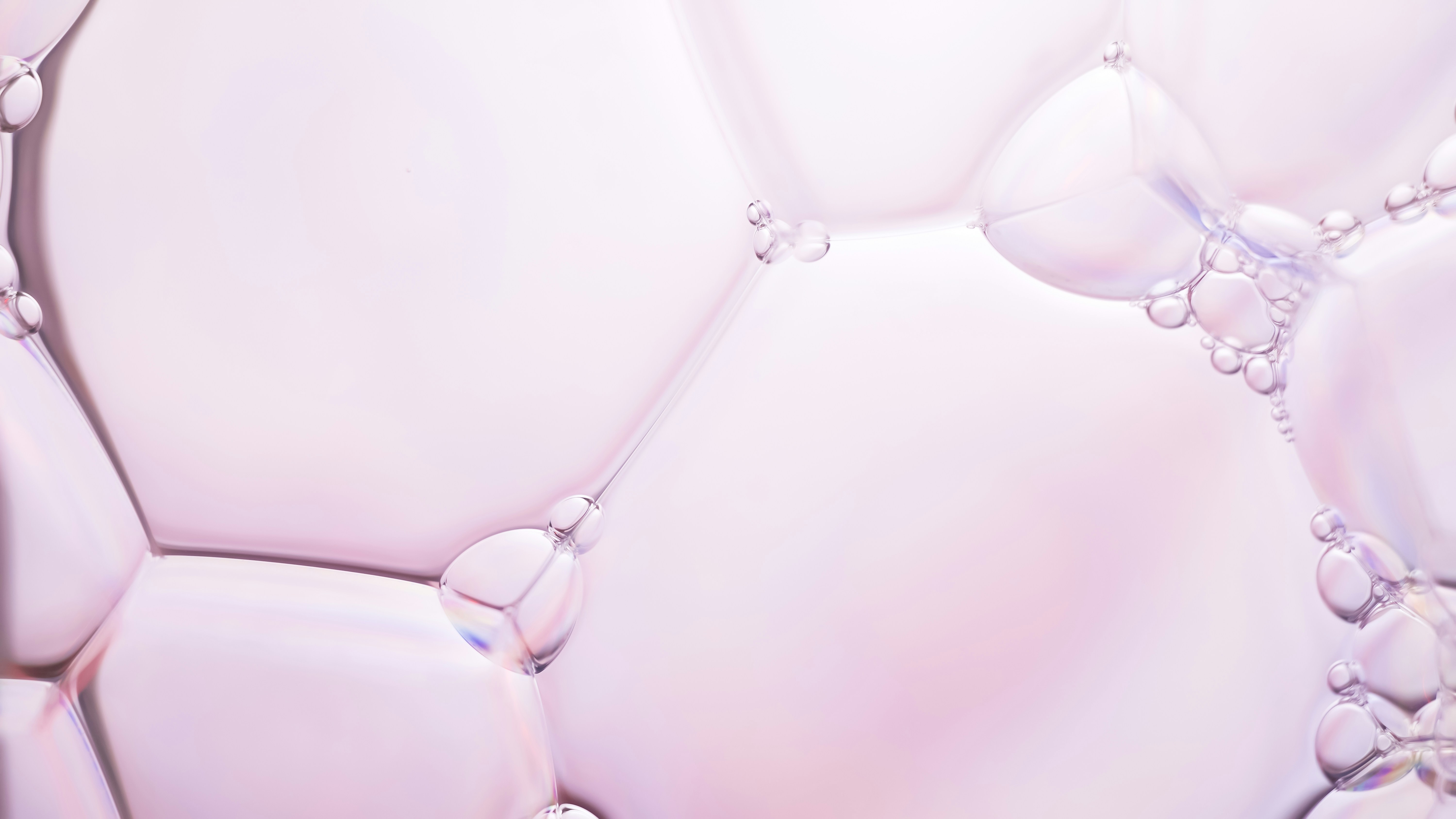
alt: Microscopic emulsion droplets demonstrating antioxidant botanical defense against oxidative stress
date: 2026-03-30
tags:
oxidative stress
antioxidants
preventive skincare
j-beauty
how-japan-works
Oxidative Stress Defense in Japanese Skincare Philosophy
In Western dermatology, cosmetic interventions often focus on corrective measures—such as high-strength acid resurfacing, intensive retinoid regimens, or clinical laser procedures deployed after visible photo-aging has already emerged. In sharp contrast, Japanese skincare methodology is built upon yobo biyo (preventive beauty). Rather than attempting to reverse mature cellular damage aggressively, Japanese cosmetic formulators prioritize daily interceptive defense against reactive oxygen species (ROS), lipid peroxidation, and advanced glycation end-products (AGEs).
Understanding how Japanese antioxidant science combines traditional botanical polyphenols with daily barrier shielding reveals how sustained preventive care fosters long-term skin health.
Quick answer: What is Japanese Preventive Beauty (*Yobo Biyo*)?
Japanese preventive skincare focuses on neutralizing environmental stressors before they trigger irreversible dermal damage. By combining stable topical antioxidants (green tea EGCG, fermented rice extracts, fullerene, and astaxanthin) with non-negotiable daily broad-spectrum UV protection, this approach curbs free radical chain reactions and collagen cross-linking (glycation) while keeping the epidermal barrier calm and hydrated.
The Twin Accelerators of Skin Aging: Oxidation and Glycation
Skin longevity in Japanese cosmetic science centers on controlling two interconnected biochemical pathways: oxidative stress and protein glycation.
1. Reactive Oxygen Species (Oxidation)
Ultraviolet radiation, airborne particulate matter (PM2.5), and chronic emotional stress generate reactive oxygen species like superoxide anions and hydroxyl radicals. Unchecked ROS trigger lipid peroxidation within cellular membranes and stimulate matrix metalloproteinases (MMPs)—enzymes that degrade structural collagen and elastin fibers in the dermis.
2. The Maillard Reaction (Glycation)
Glycation occurs when circulating reducing sugars bind non-enzymatically to dermal proteins, forming brittle, yellowish cross-linked compounds known as advanced glycation end-products. In skin tissue, glycation stiffens flexible collagen bundles and causes subcutaneous dullness, clinically known in Japan as kigumi (yellow sallow tone).
Sustaining the Stratum Corneum to Resist Environmental Insults
When external oxidants attack the skin surface, the outermost lipid envelope bears the initial brunt of damage. Squalene and linoleic acid in surface sebum oxidize easily, transforming into comedogenic and irritating lipid peroxides.
Research in PLOS ONE affirms: "The stratum corneum (SC) provides a permeability barrier that limits the inflow and outflow of water."[1] Japanese formulations protect this vital barrier by suspending stable lipid-soluble antioxidants within ceramide-rich emulsions. This prevents surface sebum from oxidizing and shields the stratum corneum from dehydration and micro-inflammation.
Comparing Leading Japanese Preventive Antioxidant Actives
Japanese formulators excel at pairing high-potency synthetic radical sponges with bio-fermented botanical complexes.
Scroll horizontally to view full table
Antioxidant Active
Primary Biochemical Mechanism
Antioxidant Strength
Formulation Stability
Fullerene (C60)
Carbon sphere sponge that absorbs multiple free radicals without degrading
High (approx. 172x higher radical affinity than Vitamin C)
Exceptional; stable under intense heat and UV exposure
Astaxanthin (Microalgae)
Carotenoid spanning cellular membranes, protecting inner and outer lipids
Very High (quenches singlet oxygen exceptionally well)
Requires opaque, airless packaging to prevent photolysis
Green Tea EGCG (Uji Catechins)
Polyphenol chelating transition metals and calming reactive enzymes
Moderate-High; excellent soothing and calming profile
Water-soluble; stabilized in low-pH Japanese lotions
Fermented Rice Extract (Kome-Koji)
Ferulic acid and amino acid complexes inhibiting early glycation
The Daily Japanese Preventive Routine: Layered Environmental Defense
Implementing the yobo biyo philosophy requires layering gentle topical shields rather than relying on a single aggressive step.
1. Morning Antioxidant Saturation
Begin your morning routine with a hydrating antioxidant toner (kesho-sui) rich in green tea catechins or fermented saccharomyces. Patting lightweight liquid humectants onto clean skin saturates outer layers with free radical scavengers before daytime UV exposure.
2. Lipid-Soluble Barrier Sealing
Follow with a lightweight milk (nyueki) containing astaxanthin, squalane, or fullerene. This lipid layer prevents airborne urban particulate matter and ozone from coming into direct contact with cell membranes.
3. Non-Negotiable Broad-Spectrum UV Milk
In Japan, sunscreen is viewed as the ultimate anti-aging product, not merely a beach accessory. Apply a daily PA++++ sunscreen featuring photostable organic and inorganic UV filters. Broad-spectrum protection against both UVA (the primary driver of photo-aging and ROS) and UVB prevents inflammatory signaling before it starts.
4. Evening Anti-Glycation Nourishment
During the nighttime rest cycle, use an emulsion containing plant extracts known in Japan for anti-glycation support, such as cherry blossom leaf extract (sakura-yo extract) or ume fruit extract (ume-kaju). These botanicals help protect extracellular matrix elasticity during sleep.
Holistic Longevity: The Washoku Inner-Defense Synergy
Preventive beauty in Japan has always been an inside-out practice. Topical applications are reinforced by daily dietary antioxidant habits:
Daily Green Tea (Sencha and Matcha): Consuming two to three cups of steamed green tea daily supplies systemic catechins and L-theanine, reducing circulating biomarkers of systemic oxidative stress.
Fermented Foods: Consuming miso, natto, and pickled vegetables introduces gut-supportive metabolites that calm systemic inflammation, indirectly protecting the skin from internal glycation.
Colorful Carotenoid Vegetables: Eating seasonal produce rich in beta-carotene and lycopene provides natural photoprotective carotenoids that accumulate in dermal tissue.
Signs to Stop and When to Seek Medical Advice
While preventive botanicals and antioxidants are generally well-tolerated, individual sensitivities to concentrated extracts can occur.
Discontinue product use immediately if you notice:
Sudden facial erythema, stinging, or heat sensation following antioxidant application
Localized contact dermatitis or itchy micropapules triggered by botanical extracts
Orange or yellow skin staining that does not wash off (from degraded carotenoids)
Persistent flaking or barrier disruption indicating incompatibility with a carrier vehicle
If facial swelling, widespread dermatitis, or acute skin burning persists beyond 48 hours, seek clinical guidance from a board-certified dermatologist.
FAQ
Q1. At what age should I begin using preventive antioxidant skincare?
A. Japanese skincare philosophy encourages gentle antioxidant habits starting in early adulthood.(Details)
Because free radical damage from solar radiation and urban pollution accumulates silently long before visible lines appear, incorporating mild antioxidants like green tea extract and daily broad-spectrum sunscreen in your early twenties establishes a resilient foundation that slows visible photo-aging.
Q2. Is fullerene safer than high-percentage Vitamin C for sensitive skin?
A. Yes, fullerene neutralizes radicals at a neutral pH without acid irritation.(Details)
Pure L-ascorbic acid requires a low, acidic pH (below 3.5) to absorb into the skin, which can cause burning and redness on sensitive skin types. Fullerene operates as a physical carbon cage that quenches free radicals without low-pH carrier formulations, making it exceptionally gentle.
Q3. Can topical skincare completely reverse existing skin glycation (kigumi)?
A. Topical care prevents new glycation and brightens skin, but cannot break mature cross-links.(Details)
Once advanced glycation end-products form cross-links within deep collagen bundles, they are exceptionally difficult to disassemble topically. Japanese anti-glycation products focus on intercepting reducing sugars before cross-linking occurs, while supporting gentle surface cell turnover to lift dullness.
Q4. Why does Japanese skincare prioritize low-irritation approaches over strong acid peels?
A. Preserving barrier integrity is considered more effective than repeated surface injury.(Details)
Aggressive chemical peeling induces controlled inflammatory trauma that can weaken epidermal barrier function and trigger post-inflammatory pigmentation in Asian skin types. Japanese formulators believe that maintaining a healthy, intact stratum corneum provides better long-term defense against environmental aging.
Q5. Can dietary green tea replace topical antioxidant serums?
A. Dietary and topical antioxidants provide complementary protection across different skin depths.(Details)
Drinking green tea delivers polyphenols to the vascular dermis through systemic circulation, while topical lotions place antioxidants directly on the outer epidermis where UV radiation and airborne pollutants strike first. Combining both approaches maximizes total cellular defense.
Summary
The Japanese philosophy of oxidative stress defense demonstrates that true anti-aging is fundamentally preventive rather than corrective. By intercepting reactive oxygen species and glycation before they damage structural collagen matrices, yobo biyo preserves youthful cellular vitality without the inflammation of aggressive clinical resurfacing. Layering stable topical antioxidants, diligent broad-spectrum sun protection, and nutrient-dense dietary habits fosters resilient, glowing skin over a lifetime.
Disclaimer: This article is for general information and education about Japanese cosmetics and their labels. It is not a substitute for professional medical advice, diagnosis, or treatment. Skincare results vary from person to person. Product formulas, availability, prices, and regulations change, and products sold in Japan can differ from versions sold elsewhere, so always check the current label. Do a patch test before introducing a new product, and consult a doctor or dermatologist if you have a skin condition or specific concerns.