Paraben-Free Debate & Japanese Preservative Science
How Japan WorksBy Miho Tanaka
title: Paraben-Free Debate & Japanese Preservative Science
h1: Paraben-Free Debate & Japanese Preservative Science
description: Explore the paraben-free debate in Japanese skincare. Learn how J-beauty formulators balance microbial safety, phenoxyethanol, and skin tolerance.
meta_description: Explore the paraben-free debate in Japanese skincare. Learn how J-beauty formulators balance microbial safety, phenoxyethanol, and skin tolerance.
category: how-japan-works
slug: paraben-free-debate-and-japanese-cosmetic-preservatives
publish: false
published_at: 2026-11-19
hero_image: /images/stock/laboratory-dropper-ingredient-research.jpg
hero_image_alt: Laboratory research dropper and scientific glassware illustrating cosmetic preservative formulation
Paraben-Free Debate & Japanese Preservative Science
Over the past two decades, few cosmetic ingredients have generated as much intense debate, marketing anxiety, and consumer confusion as parabens. Across Western beauty retail, bold "paraben-free" claims have become ubiquitous, prompting many shoppers to assume these traditional preservatives are inherently toxic or hazardous to long-term health. Yet when international shoppers examine the ingredient decks of revered Japanese drugstore classics—including hydrating lotions from Hada Labo or barrier creams from Curel—they are often surprised to discover methylparaben or ethylparaben listed plainly on the package.
This divergence is not an oversight by Japanese manufacturers. Rather, it reflects a deeply scientific, conservative approach to dermatological safety and consumer protection. In modern personal care chemistry, parabens are organic compounds that are commonly used as preservatives in cosmetic and pharmaceutical products due to their broad antimicrobial spectrum[1]. Every liquid skincare product requires an effective stabilizing system to prevent decomposition by microbial growth or by undesirable chemical changes while sitting in damp bathrooms[2]. By examining the history of the paraben controversy, Japanese regulatory standards, and modern preservative alternatives, skincare lovers can make grounded, evidence-based choices for their daily routines.
Quick answer: Why do Japanese skincare brands still use parabens?
Japanese cosmetic formulators prioritize proven dermatological safety over fear-based marketing trends. Parabens have over seven decades of extensive clinical safety data and are exceptionally gentle at regulated trace levels (often under 0.1%). While many Western brands replaced parabens with alternative biocides that triggered widespread allergic contact dermatitis, Japanese chemists continue to micro-dose parabens alongside polyols and phenoxyethanol to ensure broad-spectrum defense against dangerous bacterial contamination without irritating sensitive skin.
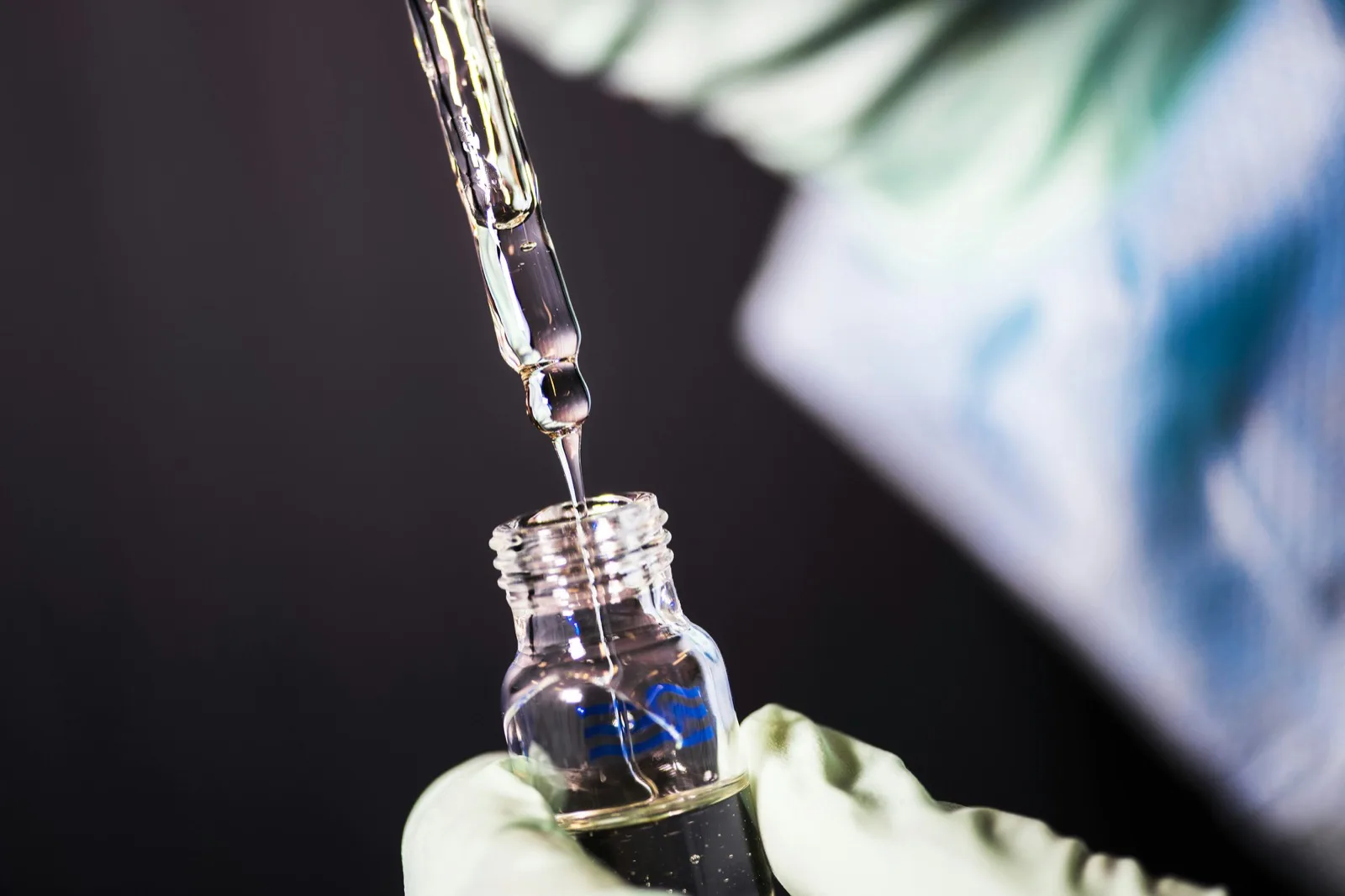
Rigorous cosmetic laboratory testing in Japan balances microbiological safety against long-term dermal tolerance.
What Are Parabens and How Did the Controversy Begin?
From a chemical perspective, they are esters of parahydroxybenzoic acid with varied alkyl chain lengths that dictate their protective characteristics[1]. The most common commercial variants include methylparaben, ethylparaben, propylparaben, and butylparaben. First introduced into commercial personal care in the 1920s, parabens quickly became the gold standard preservative because they are colorless, odorless, biodegradable, and remarkably stable across a broad range of temperatures and pH levels.
The global controversy surrounding parabens began in 2004 following a small, widely publicized British study led by Dr. Philippa Darbre. The study detected trace amounts of intact parabens in 20 human breast tumor tissue samples. Although the paper did not include healthy tissue for comparison and explicitly stated that it did not establish a causal link between parabens and tumor formation, global news outlets sensationalized the findings.
In the years following, major regulatory bodies—including the US Food and Drug Administration (FDA), the European Commission's Scientific Committee on Consumer Safety (SCCS), and Japan's Ministry of Health, Labour and Welfare (MHLW)—conducted extensive safety evaluations. Despite decades of public controversy sparked by early preliminary studies, major cancer research institutions confirm that there is no reliable evidence that parabens cause breast cancer in humans[1]. While parabens can exhibit extremely weak estrogenic activity in laboratory cell dishes (tens of thousands of times weaker than natural human estrogen or phytoestrogens found in soy), human skin metabolizes small topical doses into harmless, non-estrogenic metabolites that are rapidly excreted.
The Japanese Regulatory Framework: Micro-Dosing Science
In Japan, cosmetic manufacturing is strictly regulated under the Standards for Cosmetics (MHLW Notification No. 331, 2000). The Japanese regulatory philosophy is anchored in risk management rather than ingredient demonization:
Strict Concentration Caps: Under Japanese law, parabens are restricted to a total combined limit of 1.0% (1.0 g per 100 g of product).
Synergistic Micro-Dosing: In actual practice, Japanese formulators rarely approach the 1.0% legal cap. Instead, they typically combine micro-doses of methylparaben (e.g., 0.05% to 0.1%) and ethylparaben (0.02% to 0.05%).
Polyol Support Systems: Formulators blend trace parabens with multifunctional humectants like butylene glycol (BG), 1,2-hexanediol, or pentylene glycol. These polyols lower the "water activity" (Aw) of the formula, making it difficult for microorganisms to reproduce while providing direct moisture to the skin barrier.
+-------------------------------------------------------+
|          JAPANESE PRESERVATIVE SAFETY EQUATION        |
+---------------------+---------------------------------+
| Component           | Role in Formula                 |
+---------------------+---------------------------------+
| Trace Parabens      | Broad antifungal & antimicrobial|
| Phenoxyethanol      | Targeted gram-negative defense  |
| Polyols (BG/PG)     | Lowers water activity & hydrates|
| Result              | High microbial safety, zero sting|
+---------------------+---------------------------------+
Scroll horizontally to view full table
Preservative Approach
Common Ingredients Used
Sensitization Risk Profile
Typical J-Beauty Context
Traditional Paraben Blend
Methylparaben, ethylparaben (under 0.1%)
Extremely low across general population
Heritage drugstore staples (Hada Labo, Curel)
Phenoxyethanol System
Phenoxyethanol, ethylhexylglycerin
Very low (infrequent transient flushing in sensitive skin)
Modern "paraben-free" mass market lotions
Multifunctional Glycols
Pentylene glycol, caprylyl glycol, 1,2-hexanediol
Low to moderate (requires higher doses to preserve)
Clean beauty and organic Japanese lines
Sterile Hermetic Packaging
No conventional biocides added
Zero preservative sensitization risk
FANCL Mutenka 30-day sealed containers
The Unintended Consequences of "Paraben-Free"
When Western retail markets demanded paraben-free formulas during the late 2000s, cosmetic brands scrambled to replace them. In many cases, formulators turned to alternative synthetic preservatives, most notably methylisothiazolinone (MI) and methylchloroisothiazolinone (MCI).
The consequences were disastrous:
The Contact Dermatitis Surge: Between 2010 and 2015, dermatological clinics across Europe and North America reported an alarming spike in allergic contact dermatitis, eczema flares, and facial rashes directly traced back to MI and MCI in leave-on moisturizers and wet wipes.
Regulatory Bans: The European Union subsequently banned MI in leave-on cosmetic products in 2017 due to its high sensitization rate.
The Regrettable Substitution: By replacing well-studied, gentle parabens with more reactive chemicals solely to display a marketing label, consumer safety was inadvertently compromised.
Observing this global episode, Japanese cosmetic chemists maintained a cautious, principled stance. Major Japanese heritage brands refused to reformulate established sensitive skin lines simply to follow consumer trends, maintaining that a safe, mild preservative system with 70 years of clinical safety is far preferable to unvetted alternatives.
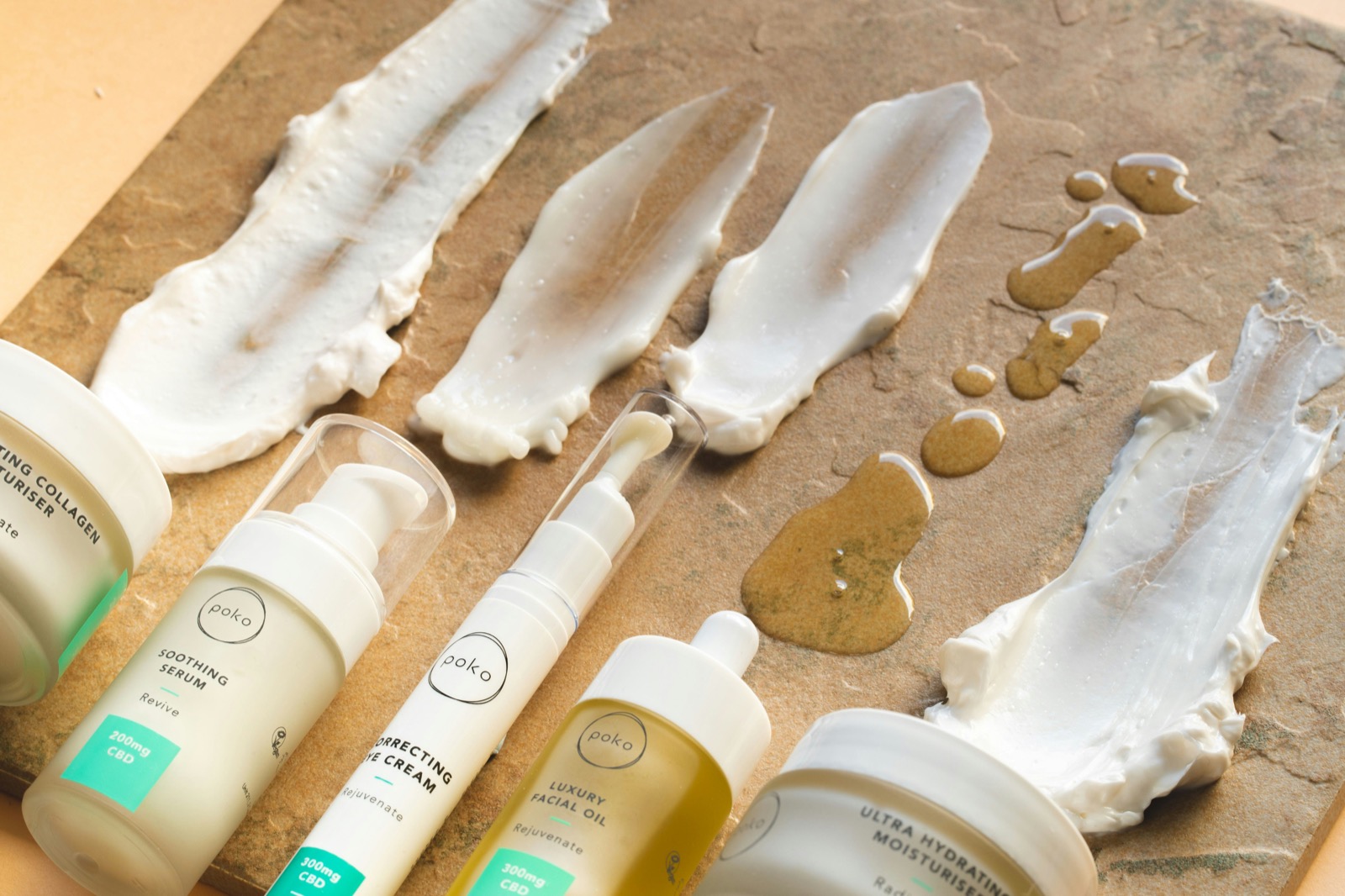
Formulation chemistry in Japan focuses on the synergistic interplay between gentle preservatives and skin-conditioning humectants.
Alternative Preservatives in Modern J-Beauty
For consumers who have a diagnosed allergy to parabens or who prefer paraben-free products, Japanese cosmetic laboratories have pioneered several effective alternative strategies:
1. Phenoxyethanol Blends
In paraben-free Japanese lotions, formulators frequently turn to phenoxyethanol, as it can be classified as a glycol ether and a phenol ether that provides dependable broad-spectrum coverage[3]. Naturally occurring in green tea but synthesized for cosmetic purity, phenoxyethanol provides robust protection against gram-negative bacteria. When combined with plant-derived glycols, it functions effectively at concentrations between 0.2% and 0.5%.
2. The FANCL "Mutenka" Engineering Model
Japan's pioneer in true preservative-free skincare is FANCL. Rather than simply swapping chemical biocides, FANCL re-engineered the entire product lifecycle:
Sterile Manufacturing: Products are formulated in pharmaceutical-grade cleanrooms.
Hermetic Vials: Small 30 ml bottles with patented peel-off airtight security rings that prevent ambient air from entering until the first twist.
The 30-Day Freshness Window: Because the formulas contain zero chemical preservatives, consumers are instructed to finish the product within 30 to 60 days of breaking the seal.
Precise micro-dosing ensures that cosmetic formulas remain stable against fungal growth without irritating delicate skin barriers.
Microbial Contamination: The True Risk to Skin Health
In the debate over cosmetic ingredients, consumers often focus entirely on the theoretical risks of synthetic compounds while overlooking the tangible, acute dangers of microbial contamination.
Water is the primary ingredient in hydrating lotions (keshosui), sheet masks, and essence emulsions. Without effective preservation, a water-rich cosmetic stored in a warm, steam-filled bathroom will quickly become contaminated with:
Pseudomonas aeruginosa: A pathogenic bacterium capable of causing severe corneal ulcers, folliculitis, and skin infections.
Staphylococcus aureus: A bacterium linked to impetigo, secondary skin infections, and compromised barrier recovery.
Candida albicans and Fungi: Mold and yeast species that thrive in humid environments, breaking down product emulsions and triggering allergic skin flares.
Applying a microbially compromised lotion to sensitive or broken skin poses a direct, immediate medical hazard that far outweighs the theoretical concerns surrounding trace paraben concentrations.
Molecular stability and preservative testing protect consumer health by ensuring daily skincare remains sterile throughout months of home use.
FAQ
Q1. Are parabens dangerous in Japanese skincare?
A. No, parabens used within Japanese regulated limits have an exceptional safety record.(Details)
Decades of rigorous toxicology studies conducted by international regulatory agencies—including the US FDA, European SCCS, and Japanese PMDA—have affirmed that parabens at regulated cosmetic concentrations (under 1.0% total, and typically under 0.1% in J-beauty) are safe for human use. They do not accumulate in the body, are rapidly broken down into readily excreted metabolites, and possess an exceptionally low rate of skin sensitization compared to newer alternative biocides.
Q2. Why do brands like Curel and Hada Labo still use parabens?
A. They prioritize proven sensitive-skin tolerance over fear-based marketing trends.(Details)
Heritage sensitive-skin brands like Curel (Kao) and Hada Labo (Rohto Pharmaceutical) prioritize clinical efficacy and safety. Methylparaben has one of the lowest allergenic profiles among all cosmetic preservatives. Replacing it with unvetted alternatives or higher concentrations of irritating glycols would increase the likelihood of stinging or contact dermatitis in users with eczema, rosacea, or compromised skin barriers.
Q3. What does "Mutenka" mean regarding preservatives in Japan?
A. Mutenka means additive-free, often excluding conventional preservatives and synthetic fragrances.(Details)
In Japanese cosmetics, *mutenka* translates to "additive-free." Historically, it referred to products formulated without the 102 designated ingredients known to trigger allergies in the 1980s. Today, *mutenka* brands (such as FANCL or Cow Brand) avoid conventional preservatives like parabens and phenoxyethanol, relying instead on small sterile bottles, vacuum pumps, or multifunctional hydrating glycols that naturally suppress bacterial growth.
Q4. Are paraben-free alternatives always safer for sensitive skin?
A. Not necessarily, as some paraben substitutes cause higher rates of allergic contact dermatitis.(Details)
Many "paraben-free" alternatives have significantly higher rates of skin sensitization than parabens. For example, methylisothiazolinone (MI) caused an epidemic of contact allergies in the West before being heavily restricted. Additionally, alternative preservative systems often require higher concentrations of glycols or organic acids, which can cause burning, stinging, or redness in people with sensitive skin barriers.
Q5. How can I tell if a Japanese product contains parabens?
A. Check the English ingredient deck for words ending in -paraben, such as methylparaben.(Details)
All Japanese cosmetics are required by law to list all ingredients in full. On English-translated packaging or online retail listings, look toward the bottom of the ingredient list for terms such as *methylparaben*, *ethylparaben*, or *propylparaben*. On domestic Japanese packaging, parabens are transliterated phonetically into katakana as *paraben*, often preceded by *mechiru* (methyl) or *echiru* (ethyl).
Summary
The paraben debate illustrates the thoughtful, science-first philosophy that defines Japanese cosmetic chemistry:
Evidence Over Emotion: Decades of clinical evidence demonstrate that micro-dosed parabens are among the mildest, most effective antimicrobials available for skincare preservation.
The Hazard of Unregulated Alternatives: The Western push to remove parabens led to the adoption of harsher substitutes that caused widespread contact dermatitis, a misstep Japanese formulators largely avoided.
Japanese Micro-Dosing Excellence: By blending trace paraben esters with polyols and phenoxyethanol, Japanese brands achieve maximum microbial defense at minimal concentrations.
Valid Choices for Every Consumer: Whether you choose heritage formulas featuring gentle methylparaben or innovative mutenka systems packaged in sterile single-month vials, J-beauty ensures your skin barrier remains protected from harmful bacterial growth.
Disclaimer: This article is for general information and education about Japanese cosmetics and their labels. It is not a substitute for professional medical advice, diagnosis, or treatment. Skincare results vary from person to person. Product formulas, availability, prices, and regulations change, and products sold in Japan can differ from versions sold elsewhere, so always check the current label. Do a patch test before introducing a new product, and consult a doctor or dermatologist if you have a skin condition or specific concerns.