title: "Recyclable Beauty Packaging in Japan: Eco-Friendly Guide" description: "Discover recyclable beauty packaging initiatives in Japan. Learn refill culture, eco-pouches, biomass plastics, and sustainable drugstore shopping tips." category: "how-japan-works" slug: "recyclable-beauty-packaging-in-japan-initiatives" hero_image: "/images/stock/japanese-beauty-stores-us-uk-textures-bottles-set.webp" hero_image_alt: "Sustainable Japanese cosmetic bottles and refill pouches arranged on an eco-friendly counter" published_at: "2026-11-20" last_modified_at: "2026-11-20"
Recyclable Beauty Packaging in Japan: Eco-Friendly Guide
In global discussions on sustainability and zero-waste lifestyles, beauty packaging is frequently scrutinized. Rigid plastic bottles, unrecyclable composite pumps, and excessive glossy cardboard boxes fill municipal landfills worldwide.
Yet visitors to Japanese drugstores immediately notice a distinct retail phenomenon: an entire aisle dedicated to flexible refill pouches (tsumeka-e). For over three decades, Japanese consumers and cosmetics manufacturers have cultivated the world's most advanced circular refill ecosystem. From plant-derived biomass plastics to mono-material recyclable pouches, Japan's approach to eco-packaging blends civic recycling discipline with industrial design ingenuity.
Japan leads global sustainable beauty through its deeply ingrained refill culture (tsumeka-e). Pioneered in the 1990s, flexible refill pouches reduce plastic waste by up to 85% compared to purchasing new rigid bottles. Major conglomerates like Kao, Shiseido, and Kose utilize sugarcane-derived biomass plastics, aluminum containers, and mono-material plastics that integrate seamlessly into Japan's strict municipal waste-sorting laws.
The Tsumekae Revolution: How Refill Pouches Slash Plastic by 85%
In Japan, purchasing a brand-new pump bottle of shampoo, cleansing oil, or body wash every month is considered wasteful. Instead, consumers purchase rigid bottles once and replenish them indefinitely using flexible foil refill pouches (tsumeka-e):
- Plastic Resin Reduction: Manufacturing a thin laminated film pouch consumes up to 85% less petroleum resin than molding a thick plastic pump container.
- Volumetric Transport Efficiency: Unfilled flexible pouches ship flat in compact cartons, vastly decreasing freight volume and transportation fuel emissions.
- Universal Availability: Over 80% of Japanese households regularly purchase refills across shampoos, liquid soaps, and watery essence lotions (keshosui).
Biochemical research in PLOS ONE highlights that 'The stratum corneum (SC) provides a permeability barrier that limits the inflow and outflow of water.'[1] Refilling high-performance barrier hydrators ensures skin receives consistent ceramide and humectant care without environmental guilt.
Biomass Plastics, Recycled PET, and Mono-Material Engineering
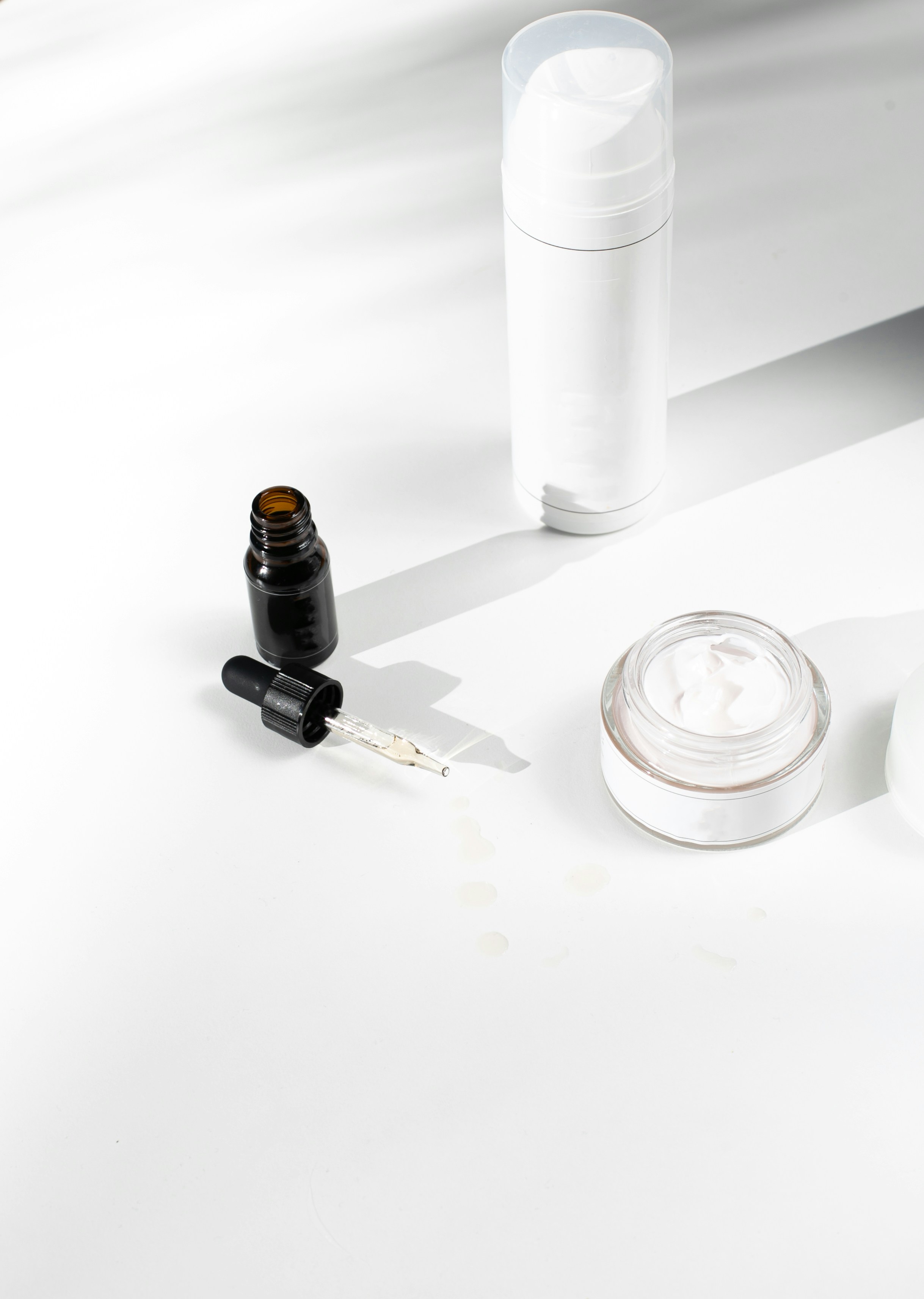
Beyond refill pouches, Japanese cosmetic packaging leads in materials engineering:
- Biomass Plastic: Brands like Shiseido and Kao substitute petroleum feedstocks with bio-based polyethylene derived from renewable sugarcane molasses.
- Recycled PET (Bottle-to-Bottle): Clear lotion bottles increasingly utilize 100% mechanically recycled polyethylene terephthalate (PET) collected through municipal sorting programs.
- Mono-Material Innovation: Traditional pump dispensers combine metal springs, rubber gaskets, and multiple plastic types that make recycling impossible. Japanese packaging engineers have developed 100% all-polyolefin pumps that can be ground and recycled as a single plastic stream.
Overview Comparison
| Packaging Format | Plastic Reduction vs Bottle | Consumer Convenience | Recycling Stream in Japan |
|---|---|---|---|
| Tsumekae Refill Pouch | 70% to 85% Less Plastic | Easy pour spout; affordable pricing | Plastics category (clean and dry) |
| Biomass PET Bottle | Zero Fossil Carbon Increase | Identical rigidity to standard plastic | PET recycling stream (Bottle-to-Bottle) |
| All-Plastic Mono Pump | 100% Recyclable Dispenser | No metal springs to dismantle | Standard recyclable plastics |
| Aluminum Cosmetic Tube | Infinitely Recyclable Metal | Airtight protection for pure retinol | Cans / Metals municipal collection |
| Refillable Makeup Compacts | Saves Outer Plastic Casing | Magnetic pan replacement system | Reusable outer casing |
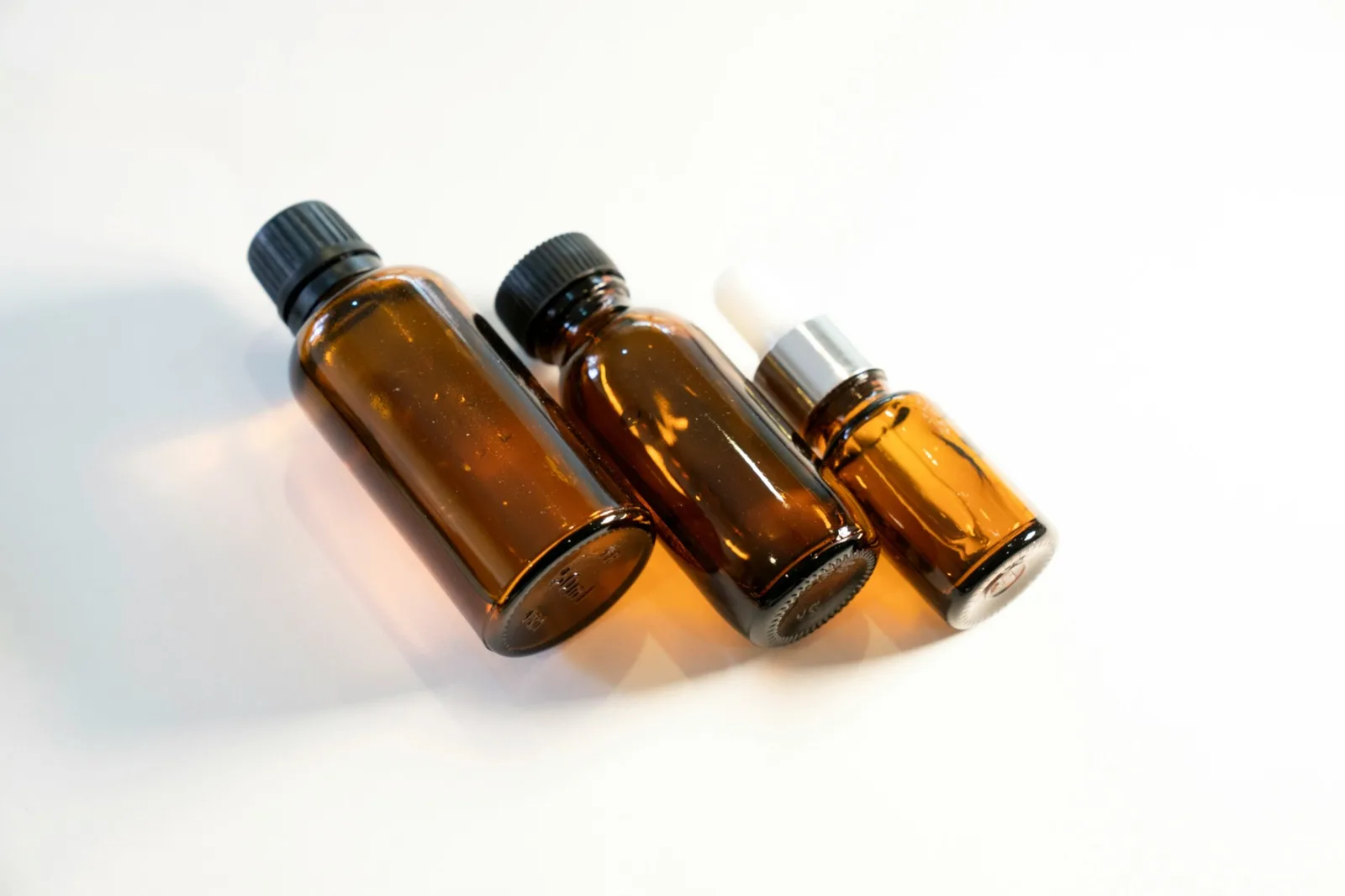
Refill Hygiene and Microbial Safety Guidelines
While refilling is environmentally noble, poor hygiene can introduce opportunistic bacteria into preservative systems. The American Academy of Dermatology provides clear guidelines for skin hygiene: 'Use a gentle, non-abrasive cleanser that does not contain alcohol.'[2] Dermatologists advise individuals not to 'scrub your skin because scrubbing irritates the skin.'[2]
Safety Refill Rule: Do not rinse your empty bottle with tap water before refilling! Residual water droplets harbor tap-water bacteria that dilute preservatives and spoil fresh formulas. Pour refills directly into completely emptied, unwashed bottles, or wash with boiling water and air-dry for 48 hours until bone dry.
Municipal Waste Sorting Etiquette for Foreign Residents and Travelers
When disposing of finished skincare containers in Japan, observe strict local municipal sorting rules (gomi-bunbetsu). Complement environmental mindfulness with personal barrier care: 'Limit baths and showers to five to ten minutes, using warm water.'[3] Furthermore, 'Apply moisturizer several times a day. Moisturizer plays a key role in healing dry skin. Be sure to apply your moisturizer when your skin is still damp after taking a shower or bath, after washing your hands, and when your skin feels dry.'[3]
Peel plastic shrink labels along perforated lines, remove pump heads for non-burnable trash, and place clean PET bottles in designated neighborhood recycling bins.
Signs to Stop and When to See a Doctor
- Bacterial Cloudiness in Refilled Bottles: If a refilled toner develops cloudy floating residue or sour odor, improper bottle drying introduced bacterial contamination. Discard immediately.
- Breakouts Along Jawline: Microbially compromised refilled cleansers breed acne bacteria. Always discard containers that show interior grime buildup.
- Severe Contact Dermatitis: If skin develops persistent red wheals from degraded refilled products, seek evaluation from a board-certified dermatologist.
FAQ
Q1. Why are refills so cheap in Japan?
A. Refill pouches cost significantly less to manufacture, pack, and transport than heavy molded bottles.(Details)
Refill pouches cost significantly less to manufacture, pack, and transport than heavy molded bottles. Brands pass these savings directly to consumers, making refills 15% to 30% cheaper.
Q2. Can I buy Japanese refill pouches as a tourist?
A. Yes! Refill pouches are sold in every drugstore, Don Quijote, and supermarket in Japan, making them lightweight and spill-resistant travel souvenirs.(Details)
Yes! Refill pouches are sold in every drugstore, Don Quijote, and supermarket in Japan, making them lightweight and spill-resistant travel souvenirs.
Q3. Should I wash my empty shampoo bottle before pouring in a refill?
A. No.(Details)
No. Japanese manufacturers advise refilling without washing. Introducing tap water introduces bacterial contamination unless the bottle is 100% bone-dry.
Q4. Are Japanese skincare boxes made of recycled paper?
A. Yes.(Details)
Yes. Most Japanese cosmetics print on FSC-certified cardboard or paper containing bagasse (sugarcane waste fiber) using non-toxic vegetable-based soy inks.
Q5. How do I recycle cosmetic bottles in a Japanese hotel?
A. Separate the plastic cap from the bottle.(Details)
Separate the plastic cap from the bottle. Rinse out residual product and leave containers beside the hotel room trash can for housekeeping to sort.
Summary
- Embrace Refill Culture: Purchasing flexible tsumekae refill pouches slashes plastic resin usage by up to 85% while saving 20% on retail prices.
- Practice Sterile Refilling: Pour refills directly into unwashed bottles or ensure containers are 100% dry to prevent microbial contamination.
- Sort Mindfully: Follow Japanese mono-material recycling guidelines by peeling shrink labels and separating multi-component pumps.
Disclaimer: This article is for general information and education about Japanese cosmetics and their labels. It is not a substitute for professional medical advice, diagnosis, or treatment. Skincare results vary from person to person. Product formulas, availability, prices, and regulations change, and products sold in Japan can differ from versions sold elsewhere, so always check the current label. Do a patch test before introducing a new product, and consult a doctor or dermatologist if you have a skin condition or specific concerns.
References
- PLOS ONE (2015). Homogeneous transport in a heterogeneous membrane: water diffusion across human stratum corneum in vivo. DOI: 10.1371/journal.pone.0117292. Available from: https://journals.plos.org/plosone/article?id=10.1371/journal.pone.0117292
- American Academy of Dermatology (AAD). Face washing 101. Available from: https://www.aad.org/public/everyday-care/skin-care-basics/care/face-washing-101
- American Academy of Dermatology (AAD). Dermatologists' tips to relieve dry skin. Available from: https://www.aad.org/public/everyday-care/skin-care-basics/dry/dermatologists-tips-relieve-dry-skin