title: Storing Japanese Skincare Products in Humid Summers: Mold & Heat Guide meta_description: Protect Japanese skincare formulas from humid summer heat and moisture. Discover mold prevention tips, fridge storage risks, and proper bathroom care. slug: storing-japanese-skincare-products-in-humid-summers category: how-japan-works hero_image: /images/stock/clean-refreshed-skin-humidity-prep.jpg hero_image_alt: Skincare bottles organized neatly in a dry well-ventilated area for humid summer storage published_at: 2026-11-22 updated_at: 2026-11-22 author: Editorial Team
Storing Japanese Skincare Products in Humid Summers: Mold & Heat Guide
Japanese summers are renowned for extreme heat coupled with sustained tropical humidity, with ambient indoor moisture levels frequently exceeding 75% to 80% between June and September. While these muggy conditions temporarily reduce the feeling of surface dryness, they create an exceptionally hostile environment for delicate skincare formulations. Heat and airborne water vapor accelerate product degradation, promote fungal spores around bottle threads, and destabilize subtle emulsion systems.
Japanese cosmetic manufacturers design products to withstand standard commercial shelf conditions, typically stabilizing formulas for room temperature storage (15°C to 25°C / 59°F to 77°F). However, leaving watery lotions, active serums, and preservative-free items in steamy bathrooms, window-lit vanities, or fluctuating skincare mini-fridges can drastically shorten their safe usable lifespan.
This guide explores the chemical vulnerabilities of Japanese skincare during humid heatwaves, dispels common myths regarding cosmetic refrigeration, outlines essential hygiene protocols for jar creams and pump nozzles, and provides an actionable checklist to keep your summer routine fresh and safe.
To safely store Japanese skincare during hot, humid summers: (1) Store products in a cool, dry, well-ventilated room out of direct sunlight—never in a steamy shower bathroom. (2) Avoid standard refrigeration for oil emulsions and creams, as repeated temperature shifts cause internal condensation that fuels bacterial growth and causes phase separation. (3) Wipe bottle necks and pump nozzles with a clean tissue after each use to prevent fungal rings. (4) Use dedicated clean spatulas for open-mouth cream jars, and tightly cap products immediately after application to block ambient humidity.
How Humid Heat Compromises Cosmetic Chemistry
High ambient temperatures and heavy atmospheric moisture trigger several distinct degradation mechanisms in topical formulations:
1. Internal Condensation and Microbial Proliferation
When a warm, humid room cools down rapidly under air conditioning (or when a product is moved in and out of a refrigerator), moisture vapor inside the headspace of the container condenses into micro-droplets on the inner lid. This unpreserved free water dilutes the surface preservative barrier, creating an ideal breeding zone for airborne mold spores, yeasts, and bacteria.
2. Emulsion Destabilization (Phase Separation)
Milky emulsions (nyueki) and light barrier gels are thermodynamic dispersions of oil droplets suspended in water (or water droplets in oil). Sustained temperatures above 30°C accelerate molecular Brownian motion, weakening surfactant film strength. Over time, oil droplets coalesce, leading to "creaming" or irreversible separation into watery layers and oily curds.
3. Accelerated Oxidation of Active Ingredients
Pure L-ascorbic acid (vitamin C), retinol derivatives, and unhydrogenated botanical seed oils (such as camellia or rice bran oil) oxidize rapidly when exposed to heat and oxygen. Heat-induced oxidation not only turns clear serums dark yellow or brown, but can also generate lipid peroxides that irritate the facial epidermis.
The Skincare Fridge Dilemma: Myth vs Reality
Many skincare enthusiasts assume chilling all cosmetics in a mini-fridge protects them from summer heat. In reality, cosmetic chemists emphasize that extreme cold carries its own set of stability risks:
Scroll horizontally to view full table
| Product Type | Fridge Storage | Primary Risk if Chilled | Ideal Summer Storage |
|---|---|---|---|
| Essence Lotions (Keshosui) | Acceptable (Short-term) | Minimal risk, but repeated thermal shock can degrade botanical extracts. | Cool dark closet or air-conditioned vanity (15°C–25°C). |
| Milky Emulsions (Nyueki) | Not Recommended | Chilling causes lipid crystallization and irreversible texture splitting. | Dry, shaded room away from exterior walls. |
| Face Oils & Rich Balms | Strictly Prohibited | Oils solidify, waxes cloud, and droppers clog with hard lipid clumps. | Room temperature drawer away from heat sources. |
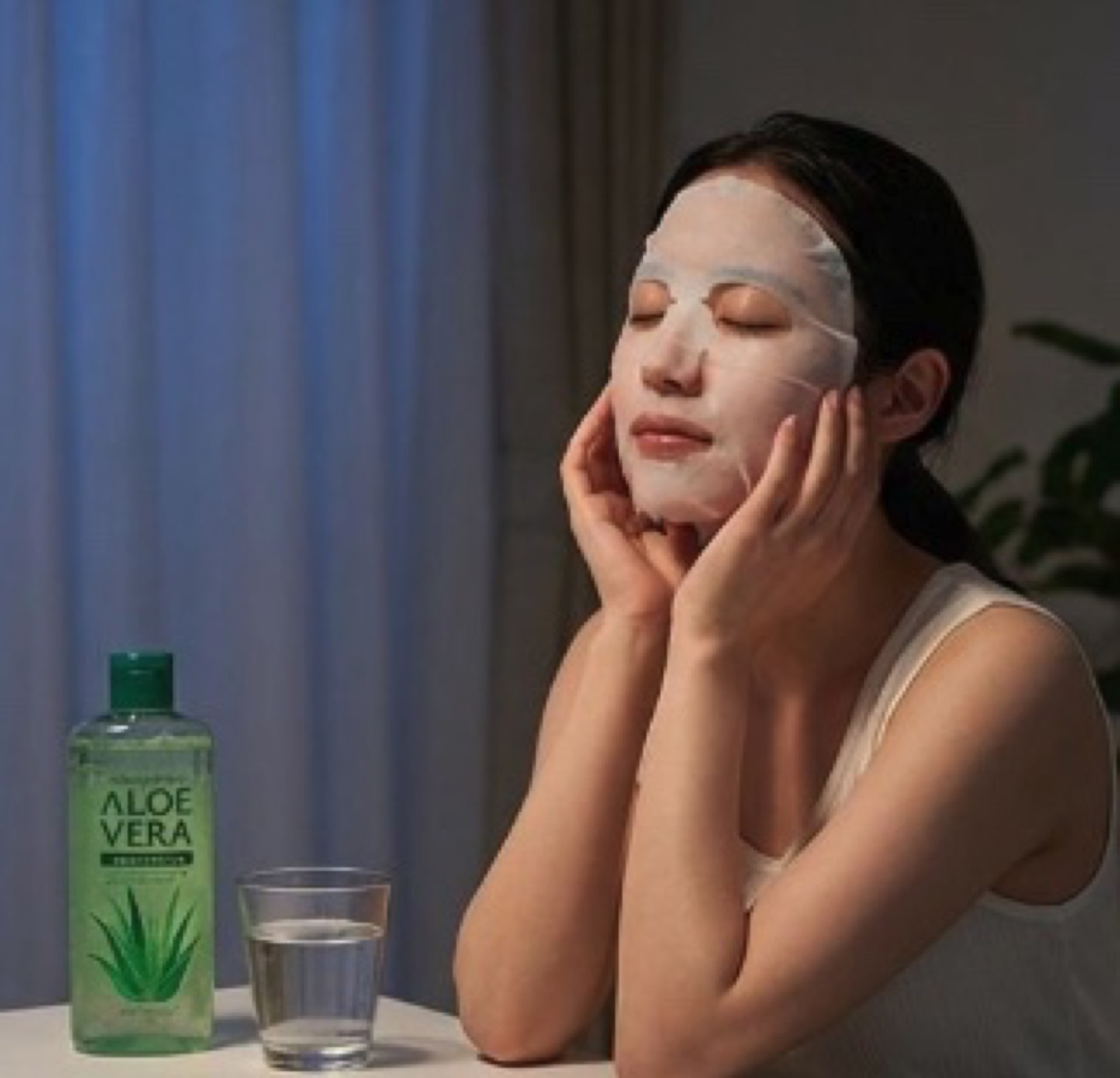
| Sheet Masks (Sealed) | Acceptable (Pre-use) | None, provided they are chilled 15 minutes before use, not stored indefinitely. | Flat in a dry pantry until ready to chill. |
| Preservative-Free Cosmetics | Case-by-case | Check manufacturer label; some require chilling after opening. | Follow specific packaging instructions strictly. |