Urban Pollution Shielding Japanese Makeup Base Guide
How Japan WorksBy Miho Tanaka
title: Urban Pollution Shielding Japanese Makeup Base Guide
slug: urban-pollution-shielding-japanese-makeup-base
category: how-japan-works
publish: true
meta_description: Learn how Japanese urban pollution defense makeup primers use electrostatic repellency and polymer films to shield skin from PM2.5 and airborne soot.
image: /images/stock/applying-tinted-sunscreen-skin-like-texture.jpg
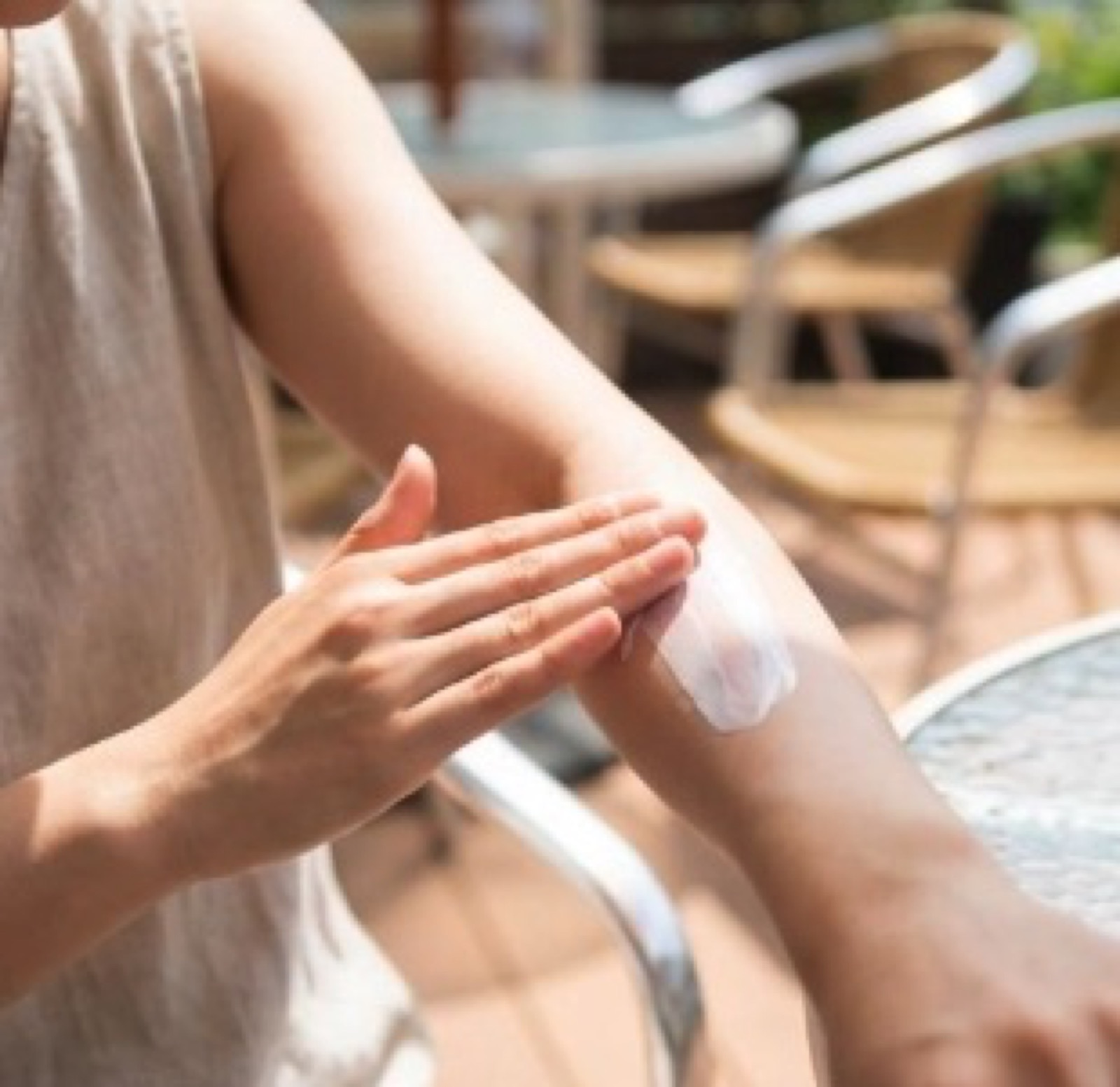
alt: Lightweight tinted primer lotion blending onto skin creating an invisible protective anti-pollution veil
date: 2026-03-30
tags:
anti-pollution
primer
makeup base
j-beauty
how-japan-works
Urban Pollution Shielding Japanese Makeup Base Guide
In densely populated metropolitan hubs like Tokyo and Osaka, daily skin exposure extends far beyond solar ultraviolet radiation. City commuters confront invisible environmental aggressors, including airborne particulate matter (PM2.5), diesel exhaust hydrocarbons, cedar pollen (kafun), and micro-dust. In response, Japanese cosmetic laboratories have pioneered multi-defense makeup primers (protect base or barrier primer) engineered to physically block, electrostatically repel, and neutralize airborne particulate matter before it contacts living tissue.
Understanding the polymer membrane chemistry, electrostatic repulsion systems, and cleansing protocols behind Japanese anti-pollution primers helps you maintain clear, calm skin in modern urban environments.
Quick answer: How Japanese Primers Block Urban Pollution
Japanese urban shielding primers form a microscopic polymer net across the skin using film-forming silicones and bio-polymers that are tighter than 2.5 micrometers. Furthermore, specialized ionic powders generate a neutral or slightly negative electrostatic surface charge, repelling airborne particulate matter and pollen grains that typically adhere to skin through static electricity. This dual mechanism prevents foreign debris from entering pores while preserving underlying moisture.
The Threat of Urban Micro-Particulates on Skin Biology
Airborne particulates smaller than 2.5 microns (PM2.5) are roughly one-twentieth the diameter of a human hair and significantly smaller than typical facial pore openings (which measure 50 to 100 microns). These microscopic soot particles carry polycyclic aromatic hydrocarbons (PAHs) and heavy metals from vehicle exhaust.
When soot particles settle inside follicular ducts, PAHs activate aryl hydrocarbon receptors (AhR) in keratinocytes and melanocytes. This interaction triggers an intracellular cascade of reactive oxygen species, accelerates matrix metalloproteinase synthesis, and induces uneven pigmentation. Japanese barrier primers physically prevent particulates from embedding inside follicular funnels.
Protecting the Stratum Corneum Barrier Against Particulate Friction
When soot particles settle onto bare or improperly shielded skin, daily facial movement grinds these microscopic mineral fragments against the outer epidermal layer, degrading cellular cohesion.
Research in PLOS ONE affirms: "The stratum corneum (SC) provides a permeability barrier that limits the inflow and outflow of water."[1] Japanese shielding primers preserve this vital barrier by forming a smooth, flexible film over the stratum corneum. This barrier prevents ambient particulates from adhering directly to surface lipids, significantly reducing foreign-body irritation and trans-epidermal water loss.
Comparing Leading Japanese Urban Defense Primers
Japanese brands employ diverse protective technologies to safeguard skin from airborne pollutants, seasonal pollen, and blue light.
Scroll horizontally to view full table
Primer Category
Key Shielding Technology
Primary Target Aggressor
Finish & Skin Type
Electrostatic Repellent Milk
Ion-repelling powders, polymethylsilsesquioxane
Cedar and cypress pollen, static airborne dust
Airy semi-matte; ideal for allergy-prone sensitive skin
Multi-Block UV Essence
Acrylate cross-polymer film plus broad-spectrum filters
Step-by-Step Application: Constructing an Urban Protective Veil
Creating an effective anti-pollution shield requires uniform application without leaving untreated gaps where particulates can settle.
1. Fully Set Morning Skincare
Never apply an anti-pollution primer directly onto sticky, unset moisturizer. If skincare is still damp, the film-forming polymers cannot coalesce into an even mesh. Allow your morning lotion and emulsion two minutes to absorb fully before beginning base application.
2. The Five-Point Dot Distribution
Dispense a pearl-sized amount of primer onto the back of your hand. Dab five equal portions onto the forehead, nose, chin, and both cheeks. This structured placement ensures even distribution across the entire face, avoiding sparse patches.
3. Outward Spreading Without Dragging
Using flat fingertips, glide the primer from the center of the face outward in gentle, sweeping motions. Avoid excessive back-and-forth rubbing, which can disrupt the developing polymer film. Pay careful attention to the nasal creases and hairline where airborne particles tend to collect.
4. Setting the Electrostatic Film
Allow the primer sixty seconds to dry down before applying foundation or setting powder. During this minute, volatile carrier fluids evaporate, enabling the ion-repelling powders and flexible polymer chains to link into an intact shield.
Because anti-pollution primers are formulated to resist environmental moisture and adhere securely throughout the workday, standard water-based cleansers cannot dissolve them completely.
Evening Oil Cleansing: Always begin evening hygiene with a lipid-rich cleansing oil or balm. Hydrophobic cleansers dissolve polymer film formers and lift trapped soot particles from follicular margins.
Rinse with Lukewarm Water: Emulsify the cleanser thoroughly until water runs clear. Hot water strips natural ceramides, whereas cold water hardens sebum and traps micro-dust.
Gentle Foaming Follow-up: Complete the Japanese double-cleanse ritual with a mild amino-acid foam to wash away detached microscopic soot without scrubbing.
Signs to Stop and When to Seek Medical Advice
While Japanese barrier primers are formulated under rigorous safety standards, urban environmental allergies and cosmetic sensitivities can happen.
Discontinue product use promptly if you observe:
Sudden intense prickling, stinging, or redness following primer application
Clusters of tiny white follicular bumps developing along the hairline or jawline
Aggravated eczema patches, rough scaling, or swelling around the eyes
Persistent breakouts that worsen despite thorough evening cleansing
If facial swelling, allergic contact dermatitis, or persistent rash symptoms last beyond 48 hours without product use, consult a licensed dermatologist.
FAQ
Q1. Can an anti-pollution makeup primer replace daily sunscreen?
A. Only if the primer carries tested broad-spectrum SPF30+ and PA++++ ratings.(Details)
Many Japanese shielding primers combine anti-pollution films with high-grade UV filters (SPF50+ PA++++), functioning as a two-in-one protector. However, if your primer lacks verified UV ratings, always layer it over a dedicated broad-spectrum sunscreen.
Q2. How do anti-pollution primers repel seasonal tree pollen?
A. Ionic surface coatings create an electrostatic barrier that repels pollen grains.(Details)
Pollen grains carry subtle static charges that cause them to cling to facial skin and hair. Japanese anti-pollen primers incorporate specialized mineral powders that neutralize surface electrostatic tension, allowing airborne pollen to bounce away rather than adhering to skin.
Q3. Will pollution-blocking primers clog pores and cause blackheads?
A. Modern breathable polymer nets allow skin respiration when properly cleansed.(Details)
Japanese formulations create a breathable mesh that permits water vapor and oxygen exchange while blocking larger particulate soot. Breakouts occur only if the primer and adhered pollutants are left on overnight without proper double cleansing.
Q4. Can I wear anti-pollution primer if I do not wear foundation?
A. Yes, shielding primers work effectively as invisible daily protective barriers.(Details)
Many urban commuters use protective primers as a final morning step over skincare and sunscreen without makeup. The transparent or subtly tinted formula blurs skin texture, controls shine, and protects against airborne soot all day.
Q5. What is the difference between Western anti-pollution serums and Japanese primers?
A. Western products focus on chemical antioxidants; Japanese formulas combine physical shields.(Details)
Western anti-pollution products often rely on antioxidant serums (like vitamin C or niacinamide) designed to neutralize free radicals after they enter the skin. Japanese formulas pair internal antioxidants with a topical physical film and electrostatic repulsion to prevent particles from touching the skin in the first place.
Summary
Japanese urban pollution shielding makeup bases offer a proactive, technologically advanced defense against the complex environmental stresses of city living. By uniting physical polymer film formers with electrostatic repellent powders, these products prevent PM2.5, vehicle exhaust, and seasonal pollen from contacting delicate epidermal cells. Pairing daily application with diligent evening double cleansing ensures a calm, comfortable complexion and preserves the integrity of your moisture barrier against urban wear.
Disclaimer: This article is for general information and education about Japanese cosmetics and their labels. It is not a substitute for professional medical advice, diagnosis, or treatment. Skincare results vary from person to person. Product formulas, availability, prices, and regulations change, and products sold in Japan can differ from versions sold elsewhere, so always check the current label. Do a patch test before introducing a new product, and consult a doctor or dermatologist if you have a skin condition or specific concerns.