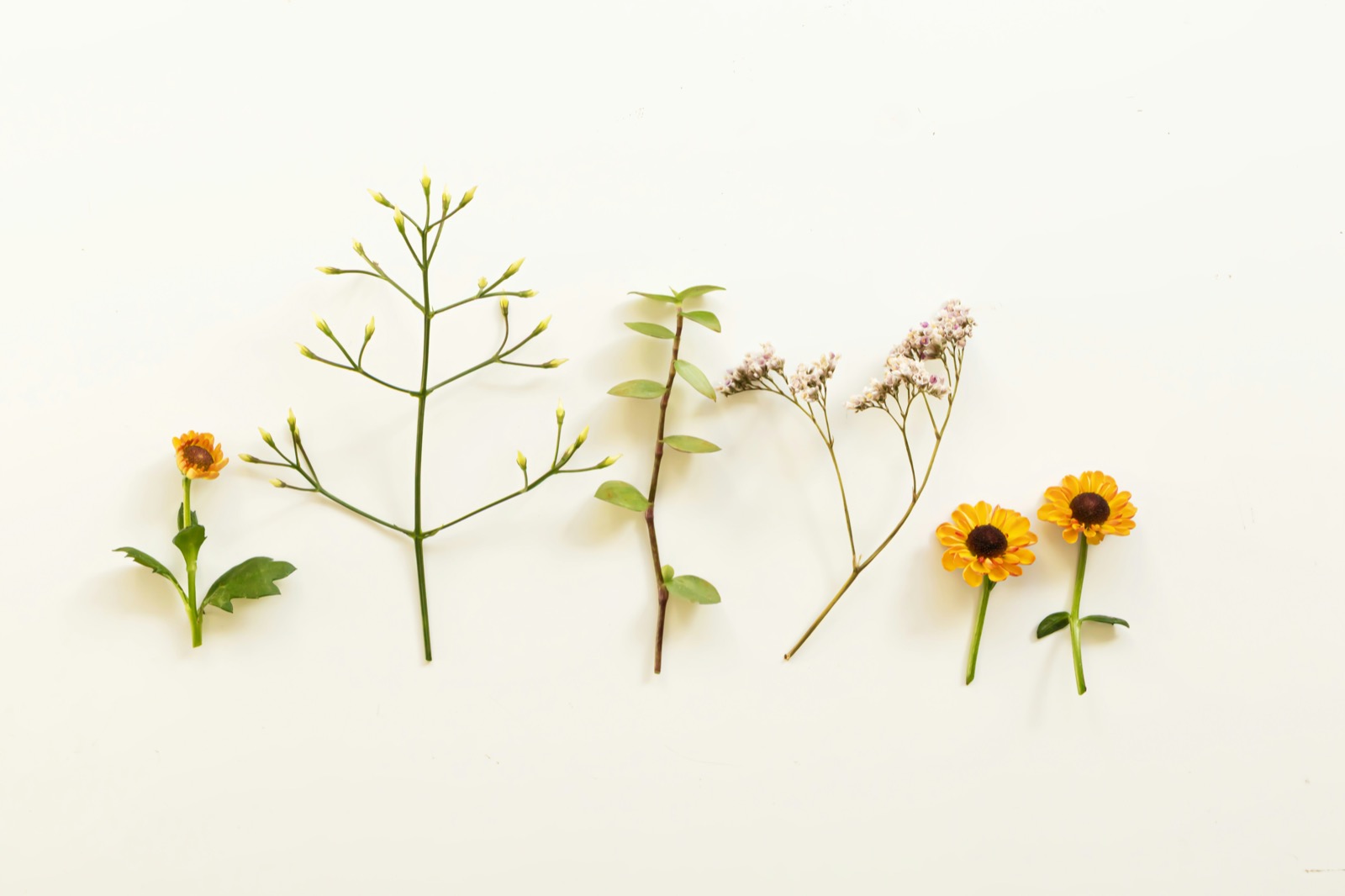
title: Aomori Apple Stem Cell Extract in Japanese Beauty slug: aomori-apple-stem-cell-extract-japanese-beauty category: ingredients meta_description: Explore Aomori apple stem cell extract in Japanese skincare. Learn how cellular botanical technology and orchard polyphenols support firm skin elasticity. date: 2026-11-19 author: Editorial Team hero_image: /images/stock/ingredient-botanical-herbs-plants-flatlay.jpg hero_alt: Botanical herbs and plant ingredients arranged on a clean flatlay surface
Aomori Apple Stem Cell Extract in Japanese Beauty
Aomori apple stem cell extract harnesses cultured plant callus cells and protective polyphenols derived from northern Japan's celebrated apple orchards. Unlike animal-derived stem cells, botanical stem cell extracts do not replace human skin cells. Instead, they deliver epigenetic factors, trace minerals, and concentrated flavonoids that shield existing epidermal cells against environmental oxidative stress, supporting skin elasticity and reducing the appearance of early fine lines without causing irritation.
In the cool northern tip of Honshu, apple orchards stretch across volcanic foothills beneath Mt. Iwaki. Aomori is a northern prefecture of Japan renowned for producing crisp heirloom fruit[1], where cool summers and snowy winters foster unique resilience in orchard ecosystems.
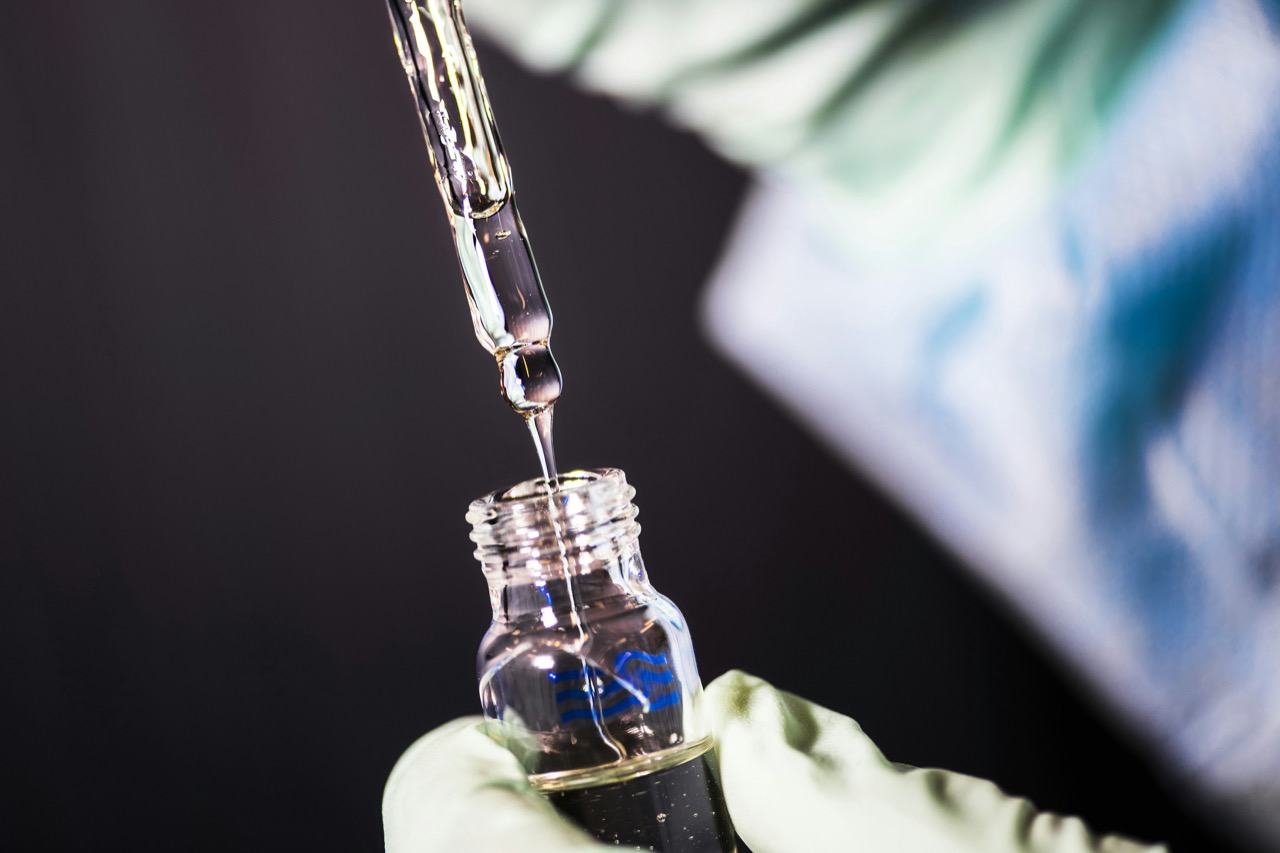
While Aomori apples have earned global fame for dessert tables, Japanese cosmetic laboratories have turned their attention to the cellular architecture of these prized fruits. By cultivating plant callus tissues in sterile bioreactors, Japanese cosmetic chemists obtain potent botanical extracts that bring orchard longevity science directly into daily anti-aging lotions and booster serums.
1. Aomori Orchard Terroir: Crisp Climates and Heritage Apples
Aomori Prefecture produces over half of Japan's commercial apple harvest. The region's wide temperature swings between sun-drenched daytime hours and crisp evening chills prompt apple trees to synthesize defensive secondary metabolites, including proanthocyanidins and chlorogenic acid.
Cultivated apple varieties belong to the species Malus domestica[2], with regional cultivars selected for tight cellular firmness and exceptional storage longevity. In traditional agriculture, certain heritage cultivars could sit in cool cellars for months without wrinkling or drying out.
Cosmetic scientists realized that the self-protective mechanisms preserving fresh fruit firmness could hold valuable applications for human skincare. Rather than using fruit juice—which contains high sugar and acid levels that can destabilize emulsions—formulators extract and culture the primordial plant cells responsible for plant recovery and tissue renewal.
2. What Is Apple Stem Cell Extract (Malus Domestica Callus Culture)?
To understand apple stem cell extract in Japanese beauty, it is important to clarify the biotechnology behind its creation.
Callus Cell Culture Technology
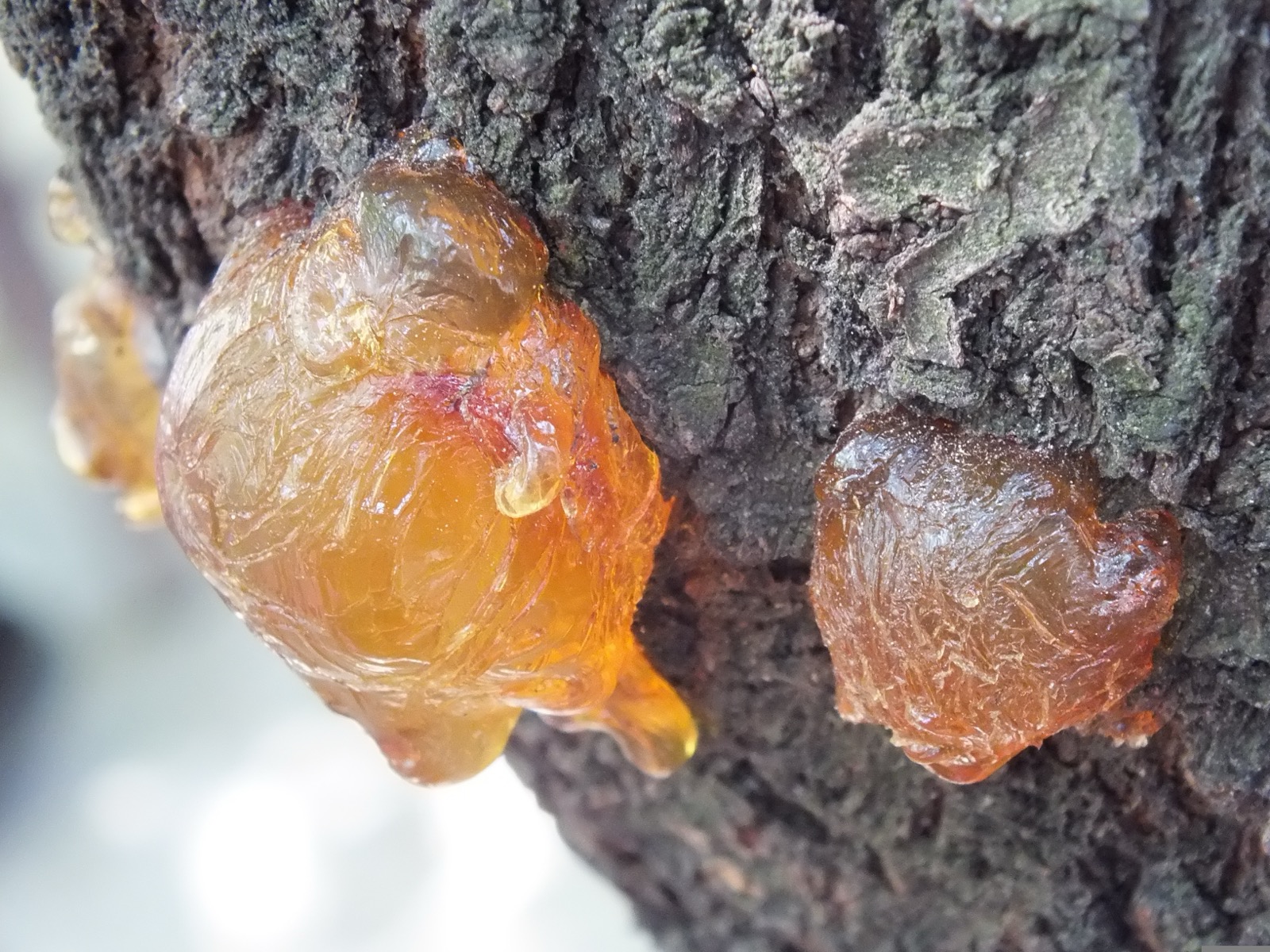
When an apple tree branch or fruit peel sustains surface damage, specialized cells dedifferentiate to form a soft, protective scar tissue known as callus. Botanical scientists isolate plant stem cells are innately undifferentiated cells located in the meristems of plants[3], culturing them in nutrient-rich media to reproduce without soil or seasonal limitations.
This biotechnical extraction yields distinct advantages for premium skincare:
- Purity and consistency: Cultured in controlled environments, callus extracts remain free from atmospheric pollutants, pesticides, or seasonal variations.
- Resource sustainability: A single micro-sample of fruit or stem tissue can supply ongoing cell lines without repeatedly stripping living trees.
- Concentrated metabolite profile: Under controlled laboratory stimulation, cultured plant cells accumulate specialized protective proteins and antioxidant metabolites at higher ratios than standard orchard fruit.
Do Plant Stem Cells Turn Into Human Cells?
A widespread misconception is that botanical stem cells graft onto or replace human skin cells. In cosmetic reality, plant cells cannot integrate into human biology. Instead, the extracted cellular fluid acts as a nutrient bath rich in protective phytonutrients, trace minerals, and epigenetic signal factors that nourish the surface skin environment.
3. Key Bioactive Mechanisms: Epigenetic Defense and Polyphenol Shields
Topical applications of Malus domestica callus culture extract function through two complementary biochemical pathways:
1. Epigenetic Maintenance of Surface Longevity
Plant stem cells harbor distinctive peptide profiles and epigenetic factors that regulate stress responses. When formulated into lightweight Japanese emulsions or essences, these factors help shield epidermal keratinocytes against ultraviolet exposure and urban pollutants, helping maintain natural turnover rhythms.
2. Polyphenol Antioxidant Shield
Apple tissue contains concentrated polyphenols representing a large family of naturally occurring phenols[4]. The primary flavonoids found in apple extracts—such as quercetin glucosides, catechin, and chlorogenic acid—neutralize free radicals generated by blue light and environmental stress before they damage structural collagen precursors.
Topical serums target the epidermis is the outermost of the three major layers that constitute the skin[5]. By reinforcing antioxidant defenses across the stratum corneum and upper epidermis, apple callus extract preserves natural hydration barriers and helps skin maintain its youthful bounce and spring.
4. Comparing Apple Stem Cells and Traditional Plant Extracts
To appreciate the role of apple stem cell extract in modern formulations, consider how it compares with conventional botanical extracts and synthetic anti-aging actives:
Scroll horizontally to view full table
| Comparison Attribute | Aomori Apple Stem Cell Extract | Standard Apple Fruit Extract | Synthetic Retinol |
|---|---|---|---|
| Source & Production | Cultured callus cells in sterile bioreactors | Solvent extraction of pressed orchard fruit | Laboratory chemical synthesis |
| Primary Bioactive | Cellular epigenetic factors & polyphenols | Fruit acids (malic acid) & simple sugars | Pure Vitamin A derivative |
| Primary Skin Focus | Cellular environmental defense & elasticity | Mild surface smoothing & hydration | Cell turnover acceleration |
| Irritation Risk | Extremely low (soothing, neutral profile) | Low to moderate (depending on acidity) | Moderate to high (flaking, redness) |
| Daytime Compatibility | Full daytime stability (non-photosensitizing) | Acceptable with sunscreen | Nighttime preferred (photo-degradable) |
| Routine Placement | Watery toner, first essence, or booster serum | Exfoliating toners or wash-off packs | Targeted evening care step |