title: Japanese Centella Asiatica Asiaticoside Gel Guide
slug: japanese-centella-asiatica-asiaticoside-gel
category: ingredients
published_at: '2026-11-27'
updated_at: '2026-11-27'
meta_description: Discover how Japanese centella asiatica asiaticoside gels soothe oily and fluctuating skin with lightweight hydration and friction-free cica care.
keywords:
japanese centella asiatica asiaticoside gel
cica gel japan
asiaticoside skincare
oily skin soothing gel
fluctuating skin barrier care
author: Seibun Lab Editorial Team
Japanese Centella Asiatica Asiaticoside Gel Guide
When Asian skincare popularized Centella asiatica—widely known as CICA (tsubokusa)—international markets were flooded with thick, paste-like recovery ointments. While nourishing for severely compromised dry skin, these heavy creams often cause pore congestion, midday shine, and breakouts for individuals with oily, combination, or acne-prone skin types.
Recognizing this common frustration, Japanese cosmetic laboratories re-engineered CICA. By pairing purified active triterpenoids—particularly asiaticoside—with refreshing, non-sticky water-gel matrixes, Japanese brands created an ultra-light soothing staple. Here is how Japanese CICA water gels soothe irritation, balance moisture, and protect fluctuating skin barriers without an oily residue.
The Science of CICA: Asiaticoside and Triterpenoids
Centella asiatica is an herb native to Asian wetlands, long utilized in traditional medicine for its calming properties. The therapeutic benefits of centella are concentrated in four active triterpenoid saponins:
Asiaticoside: A glycoside that supports epidermal cellular resilience and soothes surface reactivity without greasiness.
Madecassoside: A complementary glycoside recognized for dampening localized inflammatory pathways and soothing redness.
Asiatic Acid & Madecassic Acid: Free aglycone forms that reinforce the skin's moisture mantle.
In high-quality Japanese formulations, manufacturers often isolate these purified triterpenoid fractions rather than relying on crude plant extracts, ensuring consistent potency and reducing the likelihood that adverse contact dermatitis or acute flushing[1] will occur from raw botanical impurities.
Scroll horizontally to view full comparison
CICA Fraction
Molecular Nature
Primary Function
Formulation Affinity
Asiaticoside
Purified Triterpenoid Glycoside
Strengthens barrier feel and calms roughness
Aqueous gels, watery serums
Madecassoside
Purified Triterpenoid Glycoside
Soothes redness and post-acne irritation
Hydrating lotions, light emulsions
Centella Asiatica Leaf Extract
Full Botanical Matrix
Broad antioxidant and surface hydration
Soothing toners, mist sprays
Why Japanese Gel Formulations Excel for Oily and Fluctuating Skin
The Japanese skincare philosophy places intense emphasis on texture (shokkan) and friction minimization. This distinctive engineering makes Japanese CICA gels uniquely suited for complex skin profiles:
1. Water-Burst Polymer Matrix (Mizu-Jieru)
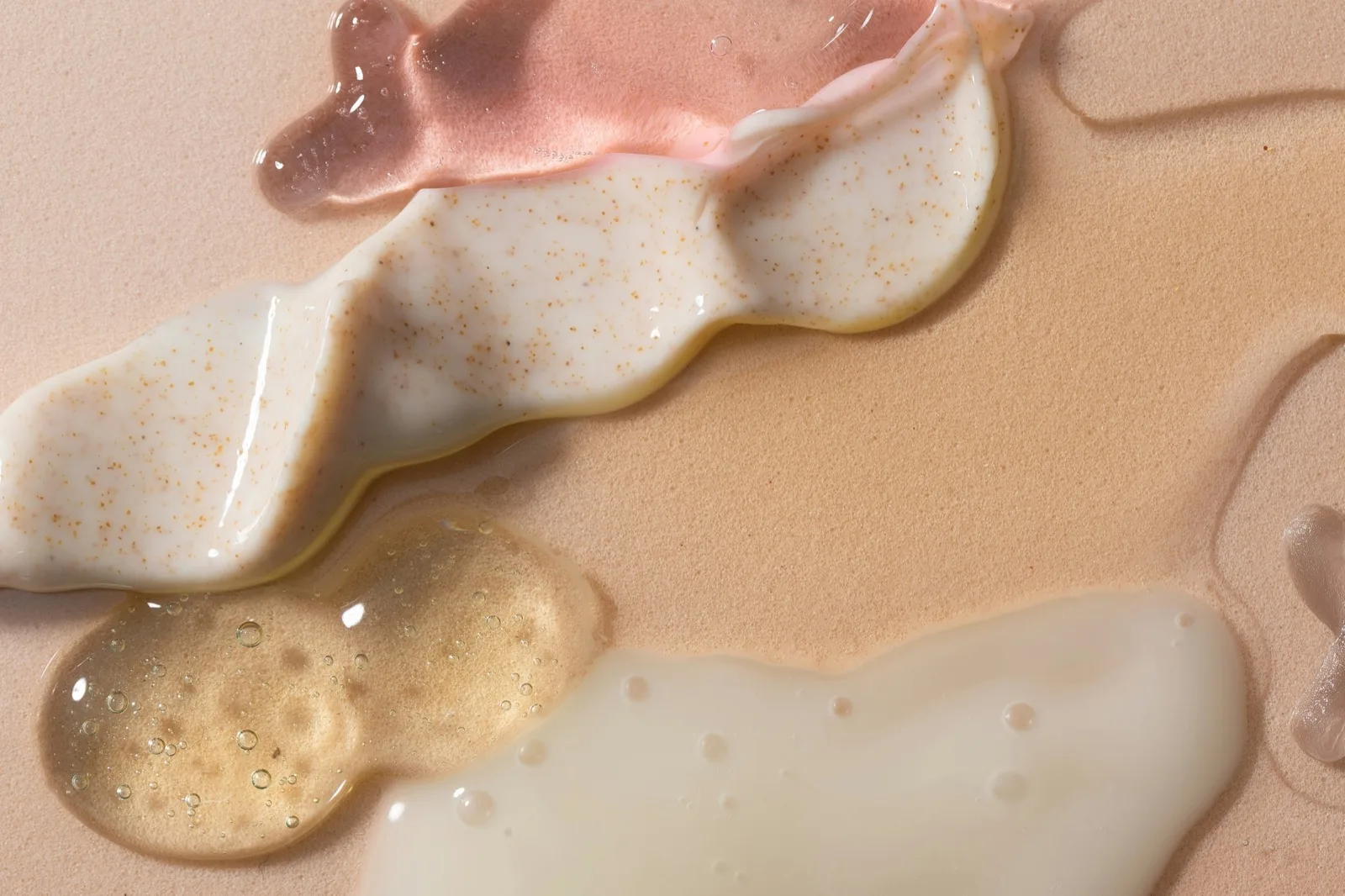
Instead of relying on heavy vegetable butters or mineral waxes to suspend botanicals, Japanese formulators use high-water polymer networks (such as carbomer or sodium acrylate crosspolymers). Upon skin contact, skin temperature and natural salts break the polymer veil, releasing a burst of cool hydration that absorbs immediately into the stratum corneum without tackiness.
2. Dual Action with Japanese Quasi-Drug Actives
Japanese CICA gels rarely contain centella alone. They frequently combine asiaticoside with Japanese Quasi-Drug (iyaku-bukaihin) anti-roughness actives such as dipotassium glycyrrhizate or allantoin. This hybrid pairing delivers multi-angled calming for sudden flare-ups caused by pollen, seasonal transitions, or face masks.
3. Friction-Free Application (Masatsu-Resu)
Physical friction is a major contributor to cumulative epidermal barrier breakdown and dehydration[2]. Thick balms require firm rubbing that aggravates inflamed acne lesions or sensitized cheeks. In contrast, Japanese CICA gels boast exceptional "slip," gliding across the face under light fingertip pressure without tugging vulnerable tissue.
Step-by-Step Routine: How to Layer CICA Water Gel
To maximize calming benefits for oily, congested, or fluctuating skin, incorporate CICA water gel through this balanced routine:
Morning: Weightless Balancing Layer
Gentle Cleanse: Wash with a mild amino-acid foaming cleanser to remove nighttime sebum without stripping moisture.
Conditioning Lotion (Keshosui): Pat a light, watery toner across the face.
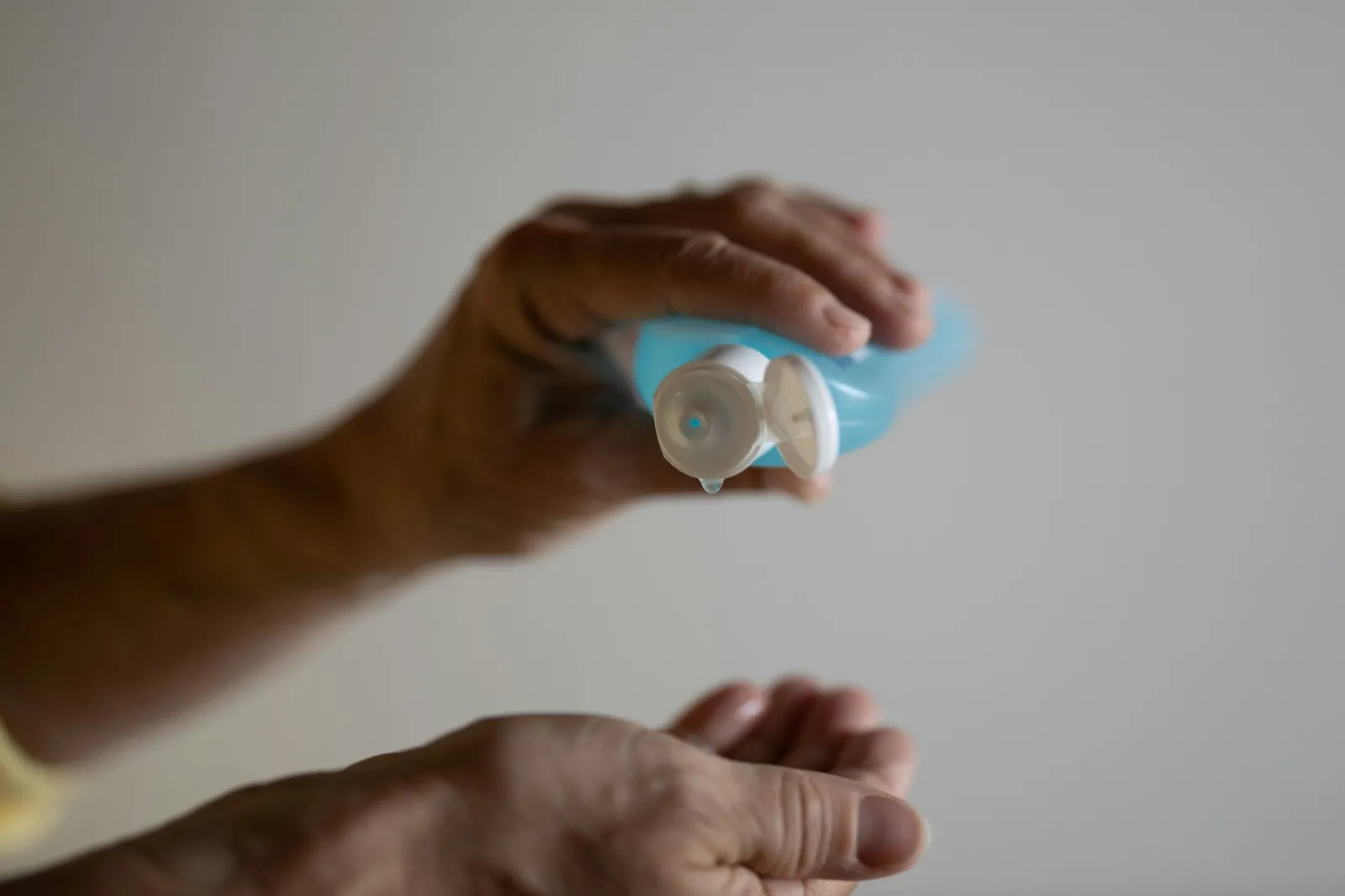
CICA Gel Application: Dispense a nickel-sized amount of CICA gel. Smooth gently over the entire face, focusing on flushed cheeks or oily T-zones.
UV Defense: Follow immediately with a lightweight Japanese sunscreen milk to maintain daily UV shielding.
Evening: Cooling Recovery Pack
After evening double cleansing, apply a slightly thicker layer of CICA gel like a sleeping pack. Store the gel tub in the refrigerator during warm summer months; the chilled gel cools heated post-sun skin, soothing redness and curbing excess overnight sebum production.
Signs to Stop and When to See a Doctor
While purified asiaticoside and water-gel bases are formulated for high tolerability, reactive skin can occasionally experience sensitivity:
Localized Stinging or Heat: Mild transient cooling is standard, but burning upon contact suggests underlying barrier fissures.
Micro-Comedones or Bumps: If tiny bumps form, check the formula for heavy silicone cross-polymers or synthetic film-formers that may disagree with your skin type.
Spreading Rash or Itching: Hives or persistent redness indicate contact allergy to preservatives or botanical additives.
[!WARNING]
If you develop acute blistering, facial swelling, or worsening pustular dermatitis, rinse the area with cool water, discontinue usage immediately, and consult a dermatologist. For daytime defense, always support fragile skin with broad-spectrum daily sunscreen defense[3].
FAQ
Q1. How does Japanese CICA gel differ from Korean CICA creams?
A. Japanese formulas prioritize water-light gel textures, whereas Korean versions often favor rich creams.(Details)
Korean CICA balms typically rely on shea butter or panthenol-rich occlusive bases tailored for very dry or laser-treated skin. Japanese CICA products emphasize weightless water-burst gels and hybrid medicated actives designed for humid climates and friction-free daily wear.
Q2. Is asiaticoside safe for active acne breakouts?
A. Yes, purified asiaticoside calms inflammation without nourishing acne-causing bacteria.(Details)
Unlike rich plant oils that can feed acne bacteria, oil-free CICA water gels provide soothing hydration directly to inflamed blemishes, calming redness around breakouts without clogging follicular openings.
Q3. Can centella asiatica gel replace my daily moisturizer?
A. Yes for oily and combination skin, but dry skin may need a light emulsion overtop.(Details)
For oily or congested skin types in humid conditions, a hydrating CICA gel provides ample hydration and barrier support on its own. For very dry skin, layer the gel under a ceramide-rich cream to lock in moisture.
Q4. Does CICA gel cause pilling under makeup or sunscreen?
A. Modern Japanese gels absorb cleanly without pilling if allowed to dry for 60 seconds.(Details)
Japanese formulations balance polymer levels to prevent heavy film formation. Allow the water gel 30 to 60 seconds to absorb into the stratum corneum before applying your daily sunscreen or foundation for a smooth, pill-free canvas.
Q5. Why is CICA recommended for fluctuating skin (yuragi-hada)?
A. It stabilizes skin reactivity triggered by seasonal shifts, pollen, and temperature swings.(Details)
In Japanese skincare, "yuragi-hada" describes skin that becomes temporarily sensitive due to weather shifts or stress. The triterpenoids in CICA soothe hyper-reactive nerve endings and support barrier equilibrium without overwhelming fragile tissue.
Summary and Key Takeaways
Japanese centella asiatica asiaticoside gels offer a targeted approach for complex, oily, and sensitive skin types:
Purified Botanical Science: Focuses on potent triterpenoids (asiaticoside and madecassoside) to calm irritation effectively.
Water-Burst Sensation: Delivers refreshing, zero-residue moisture that prevents greasy buildup on oily complexions.
Friction-Free Soothing: Fluid gel textures glide across sensitive skin, minimizing physical irritation during application.
All-Climate Versatility: Adapts flexibly from lightweight daytime hydration to an intensive cooling evening mask.
By adopting a Japanese CICA water gel into your routine, you can keep reactive and oily skin feeling calm, hydrated, and perfectly balanced every day.
Disclaimer: This article is for general information and education about Japanese cosmetics and their labels. It is not a substitute for professional medical advice, diagnosis, or treatment. Skincare results vary from person to person. Product formulas, availability, prices, and regulations change, and products sold in Japan can differ from versions sold elsewhere, so always check the current label. Do a patch test before introducing a new product, and consult a doctor or dermatologist if you have a skin condition or specific concerns.