title: Japanese Cherry Leaf Sakura Mochi Coumarin Skincare Guide slug: japanese-cherry-leaf-sakura-mochi-coumarin category: ingredients published_at: '2026-11-27' updated_at: '2026-11-27' meta_description: Explore Japanese cherry leaf extract and coumarin in skincare. Learn why sakura mochi aromas, Prunus yedoensis flavonoids, and spring editions charm J-Beauty. keywords:
- japanese cherry leaf sakura mochi coumarin
- prunus yedoensis leaf extract soothing redness
- coumarin sweet vanilla aroma cherry blossom j beauty
- oshima zakura salt cured leaf extract antioxidant
- seasonal spring limited edition japanese skincare author: Seibun Lab Editorial Team
Japanese Cherry Leaf Sakura Mochi Coumarin Skincare Guide
Every spring across Japan, the arrival of the cherry blossom front (sakura-zensen) transforms both natural landscapes and drugstore beauty aisles. Alongside fleeting floral canopies, Japanese sweet shops (wagashi-ya) display delicate pink rice cakes wrapped in translucent, salt-cured green leaves: sakura mochi. It is this culinary leaf wrapper that exudes the sweet, faintly almond-vanilla fragrance that people worldwide recognize as the true scent of Japanese cherry blossoms.
In modern J-Beauty biotechnology, cosmetic chemists extract the active polyphenols and aromatic fractions of cherry foliage to craft soothing, limited-edition spring formulas. Because microvascular nutrient delivery and dermal moisture capacity naturally decline across biological aging transitions, abundant botanical extracts provide essential barrier hydration support.[1]
The Chemistry of Coumarin: Why Fresh Sakura Has No Scent
A surprising reality of botanical science is that freshly plucked cherry blossoms and leaves are virtually scentless. The beloved sakura fragrance is created through enzymatic biochemical transformation:
- Bound Glycosides in Living Foliage: Within living cherry leaves, the aromatic compound coumarin exists in an inactive, water-soluble form bound to sugar molecules (coumaric acid glucoside).
- Enzymatic Cleavage via Salt-Curing: In Izu and Shizuoka Prefecture, where over seventy percent of Japan's culinary cherry leaves are harvested, leaves from the native Oshima-zakura tree are blanched and packed in natural sea salt for six months. During this resting period, plant enzymes (glucosidases) cleave the sugar bond.
- Liberation of Volatile Coumarin: Free coumarin is released, producing its characteristic sweet, warm, comforting aroma reminiscent of vanilla beans, fresh hay, and marzipan.
In Japanese cosmetic fragrance formulation, micro-dosed coumarin fractions are standardized to evoke the cultural nostalgia of springtime without exceeding cosmetic regulatory thresholds.
Skin Benefits of Prunus Yedoensis Cherry Leaf Extract
Beyond its seasonal aromatherapeutic charm, Japanese cherry leaf extract (Prunus yedoensis leaf extract, known domestically as sakura-yo chushutsu-eki) serves as a functional skincare active:
- Isoquercitrin and Flavonoid Antioxidants: Cherry foliage contains concentrated bioflavonoids that scavenge reactive oxygen species (ROS) triggered by shifting spring winds, fluctuating humidity, and early UV exposure.
- Soothing Environmental Redness: Quasi-drug research in Japan highlights cherry leaf extract's capacity to calm superficial histamine-driven flushing and soothe delicate skin challenged by airborne cedar pollen (kafun).
- Surface Clarity and Smoothness: By supporting healthy epidermal turnover and inhibiting dull surface protein oxidation, cherry leaf botanicals help complexions maintain a fresh, translucent, petal-like radiance.
Unlike heavy synthetic perfumes, water-extracted cherry leaf delivers gentle botanical comfort with a light, non-tacky finish.
Seasonal Cosmetics Culture: The Spring Limited Edition Phenomenon
In Japan, cosmetic culture is intimately synced with the solar calendar. The concept of kisetsu-gentei (seasonal limited editions) reaches its cultural zenith during cherry blossom season:
1. Spring Calming Facial Mists
Formulated with cherry leaf extract and hyaluronic acid, fine-spray mists are carried in handbags to rehydrate pollen-stressed complexions throughout urban commutes.
2. Barrier-Comfort Hand Creams
Because spring transitions in Japan involve brisk breezes and indoor heating, lightweight hand lotions scented with natural cherry leaf coumarin provide non-greasy emollient slip for desk workers.
3. Gentle Conditioning Cleansers
Limited spring wash-off gels and enzyme powders incorporate cherry leaf water to cleanse away seasonal dust and micro-pollutants without stripping essential intercellular ceramides.
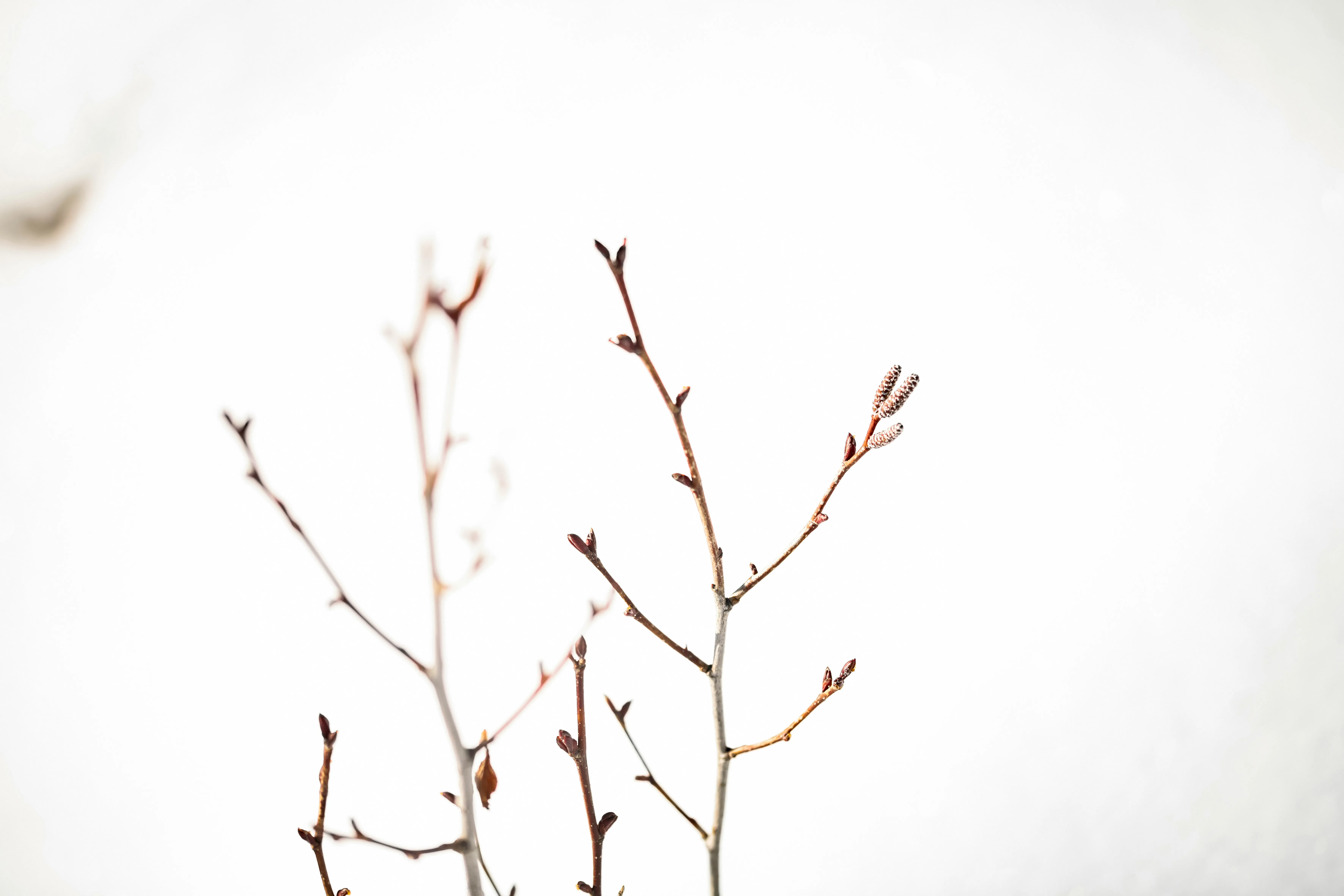
Comparison: Cherry Leaf vs Cherry Blossom Extracts
Both the leaves and the flowers of Japanese cherry trees appear in cosmetic formulations, serving distinct aesthetic and dermatological purposes:
Scroll horizontally to see full comparison
| Characteristic | Cherry Leaf Extract (*Sakura-ba*) | Cherry Blossom Extract (*Sakura-hana*) |
|---|---|---|
| Botanical Source | *Prunus speciosa* or *P. yedoensis* foliage | Double-flowered cherry petals (*Sato-zakura*) |
| Signature Phytochemicals | Coumarin, isoquercitrin, prunetin | Caffeoyl glucose, quercetin glucosides |
| Primary J-Beauty Focus | Redness soothing, calming barrier care | Anti-glycation defense, collagen matrix support |
| Aromatic Profile | Sweet, warm coumarin (*sakura mochi* scent) | Extremely subtle, faint, delicate floral note |
| Optimal Product Pairing | Soothing lotions, spring barrier mists | Firming serums, brightening night essences |