Japanese Fermented Black Soybean Kuromame Beauty Guide
IngredientsBy Editorial Team
title: Japanese Fermented Black Soybean Kuromame Beauty Guide
slug: japanese-fermented-black-soybean-kuromame-beauty
category: ingredients
published_at: '2026-11-27'
updated_at: '2026-11-27'
meta_description: Discover Japanese fermented black soybean (kuromame) beauty secrets. Learn how anthocyanins, isoflavones, and tea rituals nourish skin barrier and hair.
keywords:
japanese fermented black soybean kuromame beauty
tamba kuromame fermented extract skincare
black soybean anthocyanin c3g anti glycation
kuromame cha roasted tea inner beauty
fermented soy isoflavone aglycone collagen
author: Seibun Lab Editorial Team
Japanese Fermented Black Soybean Kuromame Beauty Guide
In Japanese culinary culture, shiny sweet black soybeans (kuromame) form an essential component of New Year osechi ryori, symbolizing health, resilience, and tireless vitality throughout the coming year. Beyond the dining table, Japanese dermatological science has uncovered extraordinary cosmetic benefits locked within the midnight-black hulls of these prized legumes.
When subjected to modern bio-fermentation with specialized koji molds and beneficial lactic acid cultures, ordinary black soybeans transform into high-performance cosmetic extracts (kuro-daizu hakko ekisu). Because microvascular circulation and cellular antioxidant defenses gradually diminish across natural aging milestones, polyphenol-dense botanicals provide functional outer barrier support.[1]
This guide details the unique phytochemistry of Tamba black soybeans, explains how fermentation enhances polyphenol bioavailability, outlines topical and ingestible rituals, and explores how this ancient legume supports radiant daily beauty.
The Phytochemistry of the Black Hull: Anthocyanins and Isoflavones
While yellow soybeans are famed for general protein and standard isoflavones, black soybeans (Glycine max) synthesize high concentrations of dark polyphenolic pigments within their outer seed coat:
Cyanidin-3-Glucoside (C3G): The primary anthocyanin responsible for the deep indigo-black color. C3G possesses remarkable free-radical scavenging capacity, significantly outperforming standard vitamin E and green tea catechins in neutralizing surface oxidative stress.
Genistein and Daidzein Isoflavones: Plant-derived phytoestrogens that support healthy collagen architecture, reinforce epidermal firmness, and help maintain natural dermal density.
Saponins and Trace Minerals: Natural surfactants and minerals (including iron, magnesium, and potassium) that purify follicular tissue and encourage smooth fluid balance.
Why Fermentation Enhances Greater Bioavailability
In raw soybeans, isoflavones exist bound to bulky sugar molecules known as glucosides. These large molecular complexes struggle to absorb through dense keratin layers of the skin stratum corneum:
Enzymatic Cleavage into Aglycones: During traditional microbial fermentation, enzymes cleave the sugar molecules away, converting glucosides into compact aglycones (free genistein and daidzein). These smaller aglycone molecules absorb smoothly into epidermal lipid bilayers.
Enhanced Amino Acid Concentration: Fermentation hydrolyzes complex legume proteins into low-molecular-weight peptides and free amino acids that mimic human Natural Moisturizing Factors (NMF).
Anti-Glycation Support: Laboratory investigations demonstrate that fermented black soybean broth inhibits advanced glycation end-products (AGEs), helping prevent the yellowish, stiff dullness associated with sugar-induced collagen degradation.
Scroll horizontally to see full comparison
Botanical Extract
Key Polyphenol Class
Primary Skin Function
Antioxidant Capacity
Fermented Black Soybean
Anthocyanins (C3G) & Aglycone Isoflavones
Dual antioxidant defense + collagen density support
Exceptionally high (broad spectrum)
Standard Yellow Soy Milk Extract
Glucoside isoflavones & lecithin
Surface moisturizing and softening
Moderate
Green Tea Leaf Extract
Epigallocatechin gallate (EGCG)
Sebum regulation and soothing redness
Very high (primarily water-soluble)
Topical Applications: Lotions, Serums, and Scalp Tonics
In Japanese cosmetic formulations, fermented black soybean extract serves several versatile roles:
1. Barrier-Conditioning Lotions (Keshosui)
Formulated as lightweight water essences, black soybean ferments provide deep hydration directly after cleansing. They soothe dry micro-flaking and prime the skin to absorb heavier emulsions.
2. Antioxidant Firming Serums
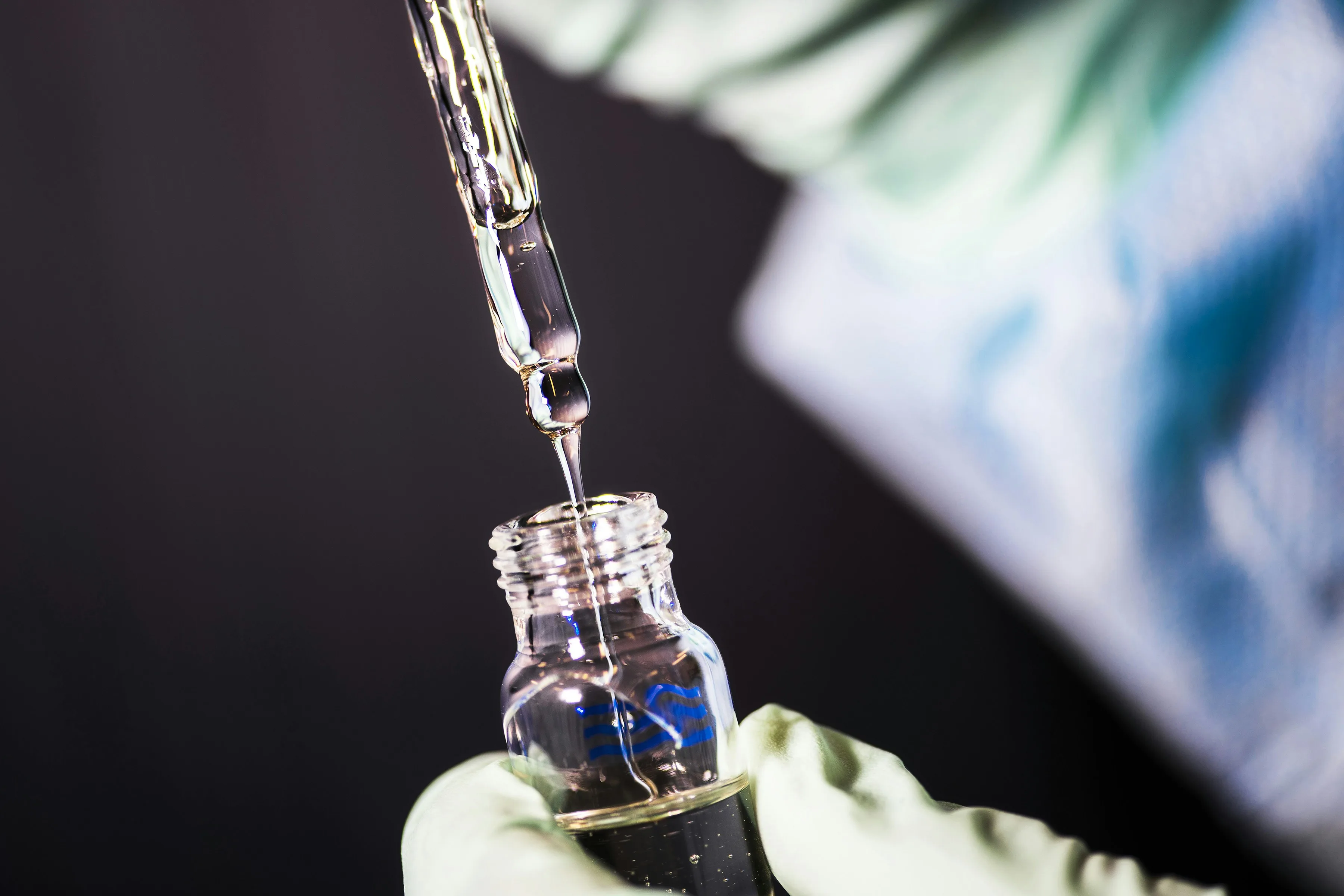
Concentrated drops blended with hyaluronic acid and ceramides target environmental fatigue, loss of elasticity, and uneven skin tone caused by urban pollution.
3. Scalp and Hair Follicle Lotions
Because anthocyanins and isoflavones support microvascular comfort around hair roots, Japanese hair specialists frequently include fermented kuromame in leave-on scalp tonics. It calms scalp dryness, protects delicate follicle cells from oxidative stress, and maintains hair softness.
Formulating with pure fermented legume extracts free from irritating synthetic dyes prevents contact dermatitis across sensitized facial skin barriers.[2]
Inner Beauty Synergy: The Daily Kuromame-Cha Ritual
In Japan, topical skincare is rarely practiced in isolation; it is paired with mindful dietary wellness (shoku-iku). One of the most popular daily beverages is roasted black soybean tea (kuromame-cha):
100% Caffeine-Free: Unlike green tea or coffee, roasted kuromame-cha contains zero caffeine, making it suited for relaxing evening hydration before bed without disrupting restorative sleep.
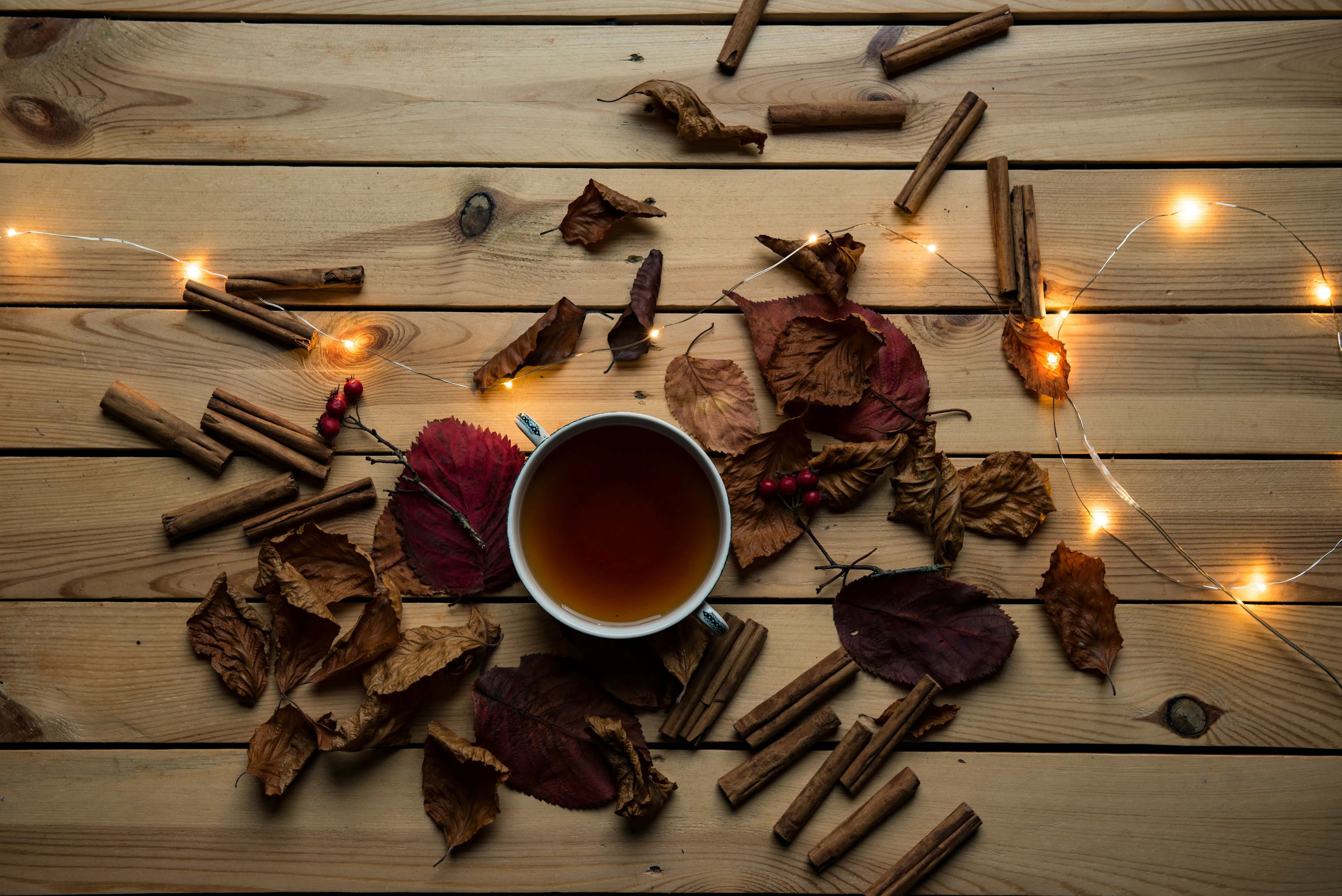
Water-Soluble Anthocyanin Infusion: Steeping whole roasted black soybeans in boiling water releases rich purple-black anthocyanins into the liquor, providing bioavailable antioxidants that support microvascular health from within.
Edible Steepped Beans: After finishing the tea, Japanese health practitioners often eat the plump, softened beans remaining at the bottom of the cup, benefiting from rich dietary fiber and minerals.
Complementing internal flavonoid nourishment with reliable daytime broad-spectrum sunscreen protects vulnerable skin structures from cumulative ultraviolet damage.[3]
Signs to Stop and When to See a Doctor
While fermented black soybean extracts and herbal teas are generally biocompatible and nutritious, individuals with specific legume allergies should exercise prudence.
Discontinue topical use and consult a certified medical practitioner if you experience:
Immediate itching, hives, or contact redness upon applying soy-derived serums
Swelling around the eyes, lips, or throat after consuming black soybean tea or supplements
Worsening of inflammatory breakouts resembling contact folliculitis
Flaking or burning sensations along sensitized facial contours
Disclaimer: This article is for general information and education about Japanese cosmetics and their labels. It is not a substitute for professional medical advice, diagnosis, or treatment. Skincare results vary from person to person. Product formulas, availability, prices, and regulations change, and products sold in Japan can differ from versions sold elsewhere, so always check the current label. Do a patch test before introducing a new product, and consult a doctor or dermatologist if you have a skin condition or specific concerns.
FAQ
Q1. Is fermented black soybean extract suitable for sensitive skin?
A. Yes, fermentation gently breaks down proteins into soothing peptides.(Details)
Because fermentation hydrolyzes complex proteins into mild amino acids and aglycones, high-quality extracts are gentle and well-tolerated. However, individuals with confirmed clinical soy allergies should perform a 24-hour patch test prior to use.
Q2. How does black soybean differ from regular yellow soybean in skincare?
A. Black soybeans contain dense anthocyanin polyphenols in their hulls.(Details)
While yellow soybeans contain isoflavones and moisture-binding proteins, black soybeans uniquely feature concentrated dark anthocyanin pigments (cyanidin-3-glucoside) that provide superior defense against oxidative stress and environmental dullness.
Q3. Can drinking kuromame tea improve skin hydration?
A. Yes, caffeine-free hydration combined with polyphenols supports skin wellness.(Details)
Drinking unsweetened kuromame tea provides gentle systemic hydration without the diuretic effects of caffeinated drinks. Water-soluble flavonoids absorb through the digestive tract, supporting microcirculation and general cellular hydration.
Q4. Does black soybean extract help prevent glycation in mature skin?
A. Yes, research indicates black soybean polyphenols inhibit AGE formation.(Details)
Glycation occurs when excess sugars cross-link with collagen fibers, turning them rigid and discolored. The anthocyanins and fermented isoflavones in kuromame help intercept reactive sugar intermediates, preserving dermal elasticity and brightness.
Q5. Can I use black soybean extract alongside vitamin C and retinol?
A. Yes, its soothing antioxidant profile layers smoothly with active ingredients.(Details)
Because fermented black soybean extract is non-acidic and rich in buffering amino acids, it pairs safely with exfoliants, vitamin C, and retinoids, helping cushion skin against potential active-ingredient flaking or irritation.