Japanese Hinoki Bath Blocks and Essential Oil Guide
IngredientsBy Editorial Team
title: Japanese Hinoki Bath Blocks and Essential Oil Guide
slug: japanese-hinoki-bath-blocks-and-essential-oil
category: ingredients
published_at: '2026-11-27'
updated_at: '2026-11-27'
meta_description: Discover Japanese hinoki bath blocks and essential oil. Learn how cypress phytoncides transform daily warm soaking into an aromatic forest bathing ritual.
keywords:
japanese hinoki bath blocks and essential oil
hinoki cypress wood bath blocks japan
hinoki essential oil forest bathing soaking
shinrin yoku phytoncide aromatherapeutic bath
natural cypress ofuro relaxation ritual
author: Seibun Lab Editorial Team
Japanese Hinoki Bath Blocks and Essential Oil Guide
For centuries, travelers venturing through the mist-shrouded Kii Peninsula or the mountains of Kiso have cherished the quintessential Japanese hot spring experience: steeping neck-deep in a fragrant wooden tub crafted from Japanese cypress (hinoki). The moment hot mineral water meets raw hinoki timber, the steam fills the air with a clean, woodsy, balsamic aroma that slows the pulse and evokes the stillness of ancient mountain cedar groves.
While building a bespoke solid-wood bathtub is an extravagant luxury, modern Japanese personal care makes this sensory experience accessible in any home through two simple, sustainable tools: floating hinoki bath blocks (hinoki tama) and distilled hinoki essential oil. Because microcirculation and vascular temperature regulation alter across physiological aging transitions, mindful warm bathing encourages healthy systemic relaxation.[1]
This guide explores the biochemical chemistry of cypress phytoncides, explains how to use wood blocks and pure oils safely in standard bathtubs, and outlines essential dilution guidelines for sensitive skin.
The Chemistry of Forest Bathing: Phytoncides and Terpenes
In Japan, the practice of spending mindful time in evergreen woods is known as shinrin-yoku (forest bathing). Trees emit volatile organic compounds into the atmosphere to defend themselves against fungal pests, wood-boring insects, and mold. These airborne botanical molecules are collectively called phytoncides:
Alpha-Pinene: A crisp monoterpene also present in pine and rosemary. Inhaling alpha-pinene steam relaxes sympathetic nervous activity, promoting deeper diaphragm breathing and lowering pulse rates.
Cadinol and Cadinene: Heavier sesquiterpenes that give aged hinoki its deep, grounding base notes. They exhibit natural antimicrobial and mild antifungal properties, historically explaining why hinoki timber resists rotting in damp bathhouses.
Hinokitiol: A potent natural tropolone compound with recognized skin-clarifying properties. While true Chamaecyparis obtusa contains subtle trace amounts (predominantly found in Aomori hiba cypress), it reinforces the purifying aura of the steam.
Hinoki Bath Blocks vs. Pure Distilled Essential Oil
Enthusiasts seeking a traditional cypress aroma at home can choose between natural floating wood blocks and concentrated steam-distilled oils:
Floating wood blocks provide tactile pleasure and a subtle fragrance that never overpowers small apartments. Concentrated essential oils offer flexibility for diffusers, sauna buckets, and salt scrubs.
How to Use Hinoki Bath Blocks in Your Evening Soak
Using natural wood blocks requires zero preparation, but following traditional Japanese care guidelines preserves their fragrant resins for years:
Step 1: Submerge Blocks in Warm Bathwater
Fill your bathtub with clean water warmed to approximately 38°C to 40°C. Float three to six untreated hinoki blocks or spheres directly on the water surface while the tub fills. As steam warms the wood fibers, internal essential resins rise and evaporate into the air.
Step 2: Use for Gentle Acupressure
While soaking, hold the smooth wooden balls in your palms, rolling them gently across tight shoulder lines, the nape of the neck, or beneath the arches of your feet. The smooth, water-resistant wood provides comforting myofascial relief without scratching skin.
Step 3: Sand Lightly When Fragrance Fades
After months of repeated use, ambient bath oils and water minerals may coat the outer pores of the wood. To refresh the fragrance, simply buff the exterior lightly with fine-grit sandpaper (around 400-grit) and rinse under running water. Fresh wood grains and latent oils will immediately release new aromatics.
Step 4: Stand Blocks Upright to Dry Completely
Never leave wooden blocks floating in damp bathwater overnight. Remove them immediately after bathing, wipe them with a towel, and stand them on end in a well-ventilated, shaded spot. Allowing them to dry fully prevents black surface mildew and maintains wood integrity.
Safe Dilution Protocols for Pure Hinoki Essential Oil
Pure essential oil distilled from cypress wood (hinoki kiyu) or cypress needles (hinoki youyu) is exceptionally potent. Because concentrated plant terpenes do not dissolve in plain water, placing undiluted drops into a hot bath allows pure oil to float on the surface, making direct contact with sensitive skin.
Diluting concentrated cypress essential oils into gentle carrier bases prevents acute contact dermatitis and cutaneous irritation during aromatic bathing sessions.[2]
Follow these safe dispensing techniques:
Epsom Salt or Sea Salt Carrier: Mix 2 to 3 drops of hinoki essential oil into half a cup of mineral bath salts before pouring into the tub. The salt crystals absorb the oil and disperse it uniformly throughout the bath.
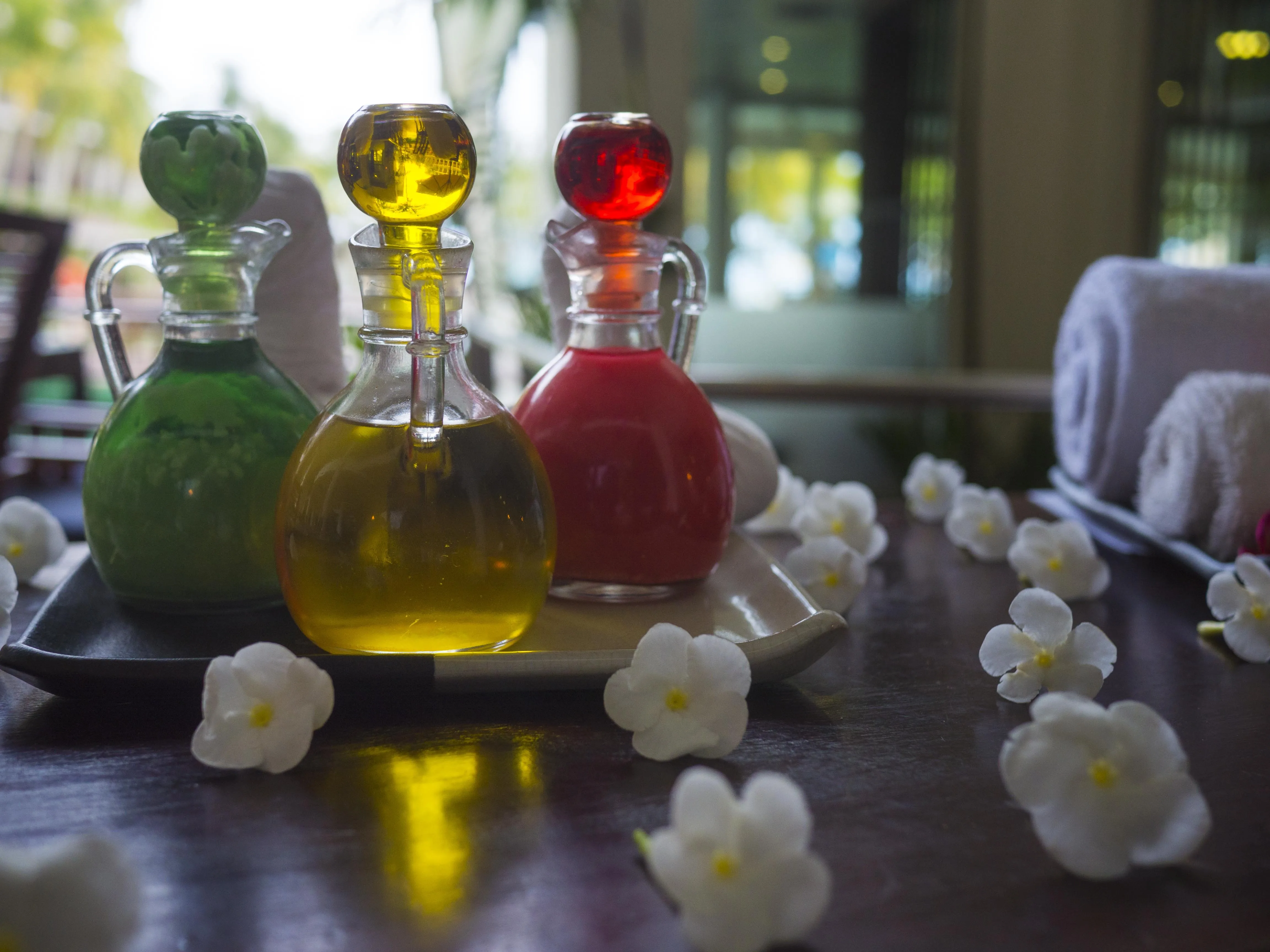
Botanical Carrier Oil: Blend 2 drops of hinoki oil into one tablespoon of jojoba, sweet almond, or camellia oil. Pour into the warm bath to enjoy simultaneous aromatherapy and lipid barrier nourishment.
Bathroom Steam Drop Technique: If you have sensitive skin, skip putting oil into the water entirely. Instead, place one drop onto the dry corner of the shower tile or a ceramic aroma stone placed beside the tub. The hot steam will diffuse the scent throughout the room without direct dermal contact.
Combining restorative evening soak routines with diligent morning broad-spectrum sunscreen protects delicate skin from environmental stressors and solar damage.[3]
Signs to Stop and When to See a Doctor
While pure natural hinoki wood and high-quality cypress oils are gentle, concentrated plant terpenes can provoke allergic responses in sensitive individuals.
Discontinue use and consult a certified medical practitioner if you experience:
Itchy red patches, hives, or stinging sensations on parts of the body submerged in water
Respiratory tightness, coughing, or throat irritation triggered by inhaling hot essential oil vapor
Localized dermatitis or scaly eruptions that linger days after bathing
Burning sensations around delicate mucous membranes or inner thighs
Disclaimer: This article is for general information and education about Japanese cosmetics and their labels. It is not a substitute for professional medical advice, diagnosis, or treatment. Skincare results vary from person to person. Product formulas, availability, prices, and regulations change, and products sold in Japan can differ from versions sold elsewhere, so always check the current label. Do a patch test before introducing a new product, and consult a doctor or dermatologist if you have a skin condition or specific concerns.
FAQ
Q1. Can I leave hinoki bath blocks in the water between baths?
A. No, blocks must be removed and air-dried after each use.(Details)
Leaving raw wood submerged in stagnant water encourages mildew and waterlogging. Always take blocks out of the tub, shake off excess moisture, and prop them on end in a dry, ventilated area out of direct sunlight.
Q2. How many drops of hinoki essential oil should I add to a bath?
A. Two to three drops properly pre-diluted in salt or oil is optimal.(Details)
Because Japanese cypress is naturally rich in active terpenes, two to three drops provide abundant fragrance. Always blend with a carrier like bath salt or vegetable oil first, rather than dropping undiluted oil directly onto open water.
Q3. What is the difference between hinoki wood oil and hinoki leaf oil?
A. Wood oil is deep and balsamic; leaf oil is fresh, green, and crisp.(Details)
Wood oil (*hinoki kiyu*) is distilled from heartwood shavings, producing warm, cedar-like base notes reminiscent of traditional hot spring baths. Leaf oil (*hinoki youyu*) is distilled from needle clippings, smelling brighter and more herbal like crushed pine.
Q4. Can people with sensitive skin use hinoki bath blocks safely?
A. Yes, untreated wood blocks release gentle aroma without skin contact risk.(Details)
Unlike concentrated liquid oils that can cause dermal irritation if undiluted, solid wood blocks release their aromatic resins gradually into the steam. They are suited for sensitive individuals who want natural forest aromatics without concentrated chemicals in the bathwater.
Q5. How long do hinoki bath blocks retain their natural fragrance?
A. Solid blocks last for several years when periodically lightly sanded.(Details)
Because essential oils saturate the entire interior of natural cypress heartwood, the fragrance never completely disappears. Sanding the exterior with fine sandpaper every few months removes surface deposits and restores the fresh scent indefinitely.