Japanese Persimmon Leaf Tea Vitamin C Beauty Guide
IngredientsBy Editorial Team
title: Japanese Persimmon Leaf Tea Vitamin C Beauty Guide
slug: japanese-persimmon-leaf-tea-vitamin-c-beauty
category: ingredients
published_at: '2026-11-27'
updated_at: '2026-11-27'
meta_description: Discover Japanese persimmon leaf tea (kaki no ha cha). Learn how heat-stable provitamin C and tannins brighten skin and support daily antioxidant wellness.
keywords:
japanese persimmon leaf tea vitamin c beauty
kaki no ha cha heat stable provitamin c
caffeine free herbal tea japanese inner beauty
persimmon leaf tannin antioxidant collagen support
traditional japanese herbal tea radiant skin
author: Seibun Lab Editorial Team
Japanese Persimmon Leaf Tea Vitamin C Beauty Guide
While Japan's beloved persimmon fruit (kaki) signals the golden arrival of autumn, health and beauty connoisseurs across ancient capitals like Nara and Kyoto have treasured the tree's emerald foliage for centuries. During early summer, tender green leaves are harvested, washed, steamed, and naturally dried to craft kaki no ha cha (persimmon leaf tea).
Unlike citrus fruits or green tea whose delicate vitamin C oxidizes and decomposes rapidly when exposed to heat, persimmon leaves harbor a remarkable biochemical secret: heat-stable provitamin C. Combined with abundant botanical tannins and bioflavonoids, this caffeine-free infusion provides whole-body antioxidant protection from within. Because microvascular nutrient delivery and dermal collagen synthesis naturally decline across biological aging transitions, flavonoid-rich botanical teas support systemic antioxidant defenses.[1]
This guide details the unique chemistry of persimmon leaf provitamin C, explores its synergistic tannins and flavonoids, explains proper hot-water brewing methods, and outlines how daily consumption complements topical skincare.
The Chemistry of Provitamin C: Heat Stability Without Loss
Standard L-ascorbic acid is notoriously fragile. Exposure to boiling water above 80 degrees Celsius, oxygen, or daylight breaks down its chemical structure within minutes, rendering most hot lemon teas devoid of active vitamin C:
Flavonoid-Bound Precursors (Provitamin C): In fresh persimmon foliage, ascorbic acid does not circulate as free, vulnerable molecules. Instead, it is chemically conjugated with bioflavonoids (including astragalin, isoquercitrin, and catechin tannins) into stable complexes termed provitamin C.
Thermal Resistance During Boiling: These protective molecular bonds act as a biochemical shield. Boiling water (100°C) readily extracts the complex into the tea liquor without rupturing the vitamin bond.
Internal Bioactivation: Once ingested, digestive enzymes gently cleave the flavonoid bond, releasing free, active L-ascorbic acid steadily into the bloodstream without stomach upset.
Zero Caffeine Content: Unlike green tea (sencha) or roasted green tea (hojicha), persimmon leaves contain virtually zero caffeine, making it ideal for evening hydration before bed without interfering with restorative deep sleep.
Persimmon Leaf Tea vs. Other Popular Japanese Teas
Scroll horizontally to see full comparison
Tea Variety
Vitamin C Profile
Caffeine Level
Primary Phytochemicals
Persimmon Leaf (*Kaki no Ha*)
Extremely high (100–200mg/100g); heat-stable
0 mg (Caffeine-free)
Provitamin C, astragalin, condensed tannins
Japanese Green Tea (*Sencha*)
Moderate; partially heat-sensitive
20–30 mg per cup
Epigallocatechin gallate (EGCG), theanine
Roasted Green Tea (*Hojicha*)
Low (heat degrades vitamin C during roasting)
10–15 mg per cup
Pyrazines (aromatic relaxation), catechins
Barley Tea (*Mugicha*)
Negligible
0 mg (Caffeine-free)
GABA, alkylpyrazines, trace minerals
Synergistic Skin Benefits: Tannins, Rutin, and Collagen Support
Drinking persimmon leaf tea provides systemic advantages that elevate your everyday skincare regimen:
1. Collagen Architecture Synthesis Support
Active vitamin C serves as an indispensable co-factor for prolyl and lysyl hydroxylase enzymes, which cross-link amino acids into sturdy triple-helix collagen fibers. Regular provitamin C intake supports natural dermal firmness and elasticity.
2. Capillary Resistance via Rutin
Persimmon leaves synthesize rutin (vitamin P), a citrus-like bioflavonoid that strengthens fragile microcapillary walls. By supporting vascular resilience, rutin promotes healthy nutrient exchange to the lowest epidermal layers, reducing dullness caused by sluggish peripheral circulation.
3. Astringent Persimmon Tannins (Kaki Tannin)
Rich in polymeric condensed tannins, persimmon leaf extract exhibits natural astringent and radical-scavenging properties. These tannins help minimize excess sebum oxidation and defend dermal structures against environmental oxidative stress.
Formulating with pure water-extracted botanical infusions rather than aggressive synthetic acid solutions avoids acute contact dermatitis across reactive epidermal barriers.[2]
How to Brew Persimmon Leaf Tea for Optimal Nutrient Extraction
To maximize provitamin C yield and enjoy its naturally sweet, earthy flavor, follow these traditional brewing recommendations:
Method 1: Classic Hot Teapot Infusion
Place 3 to 5 grams (roughly 1 to 2 tablespoons) of dried persimmon leaves into a ceramic or heat-resistant glass teapot.
Pour 300 to 400 milliliters of freshly boiled water (around 90°C to 100°C) over the leaves.
Steep for 3 to 5 minutes to allow the water-soluble flavonoids and vitamin complexes to infuse into the liquor.
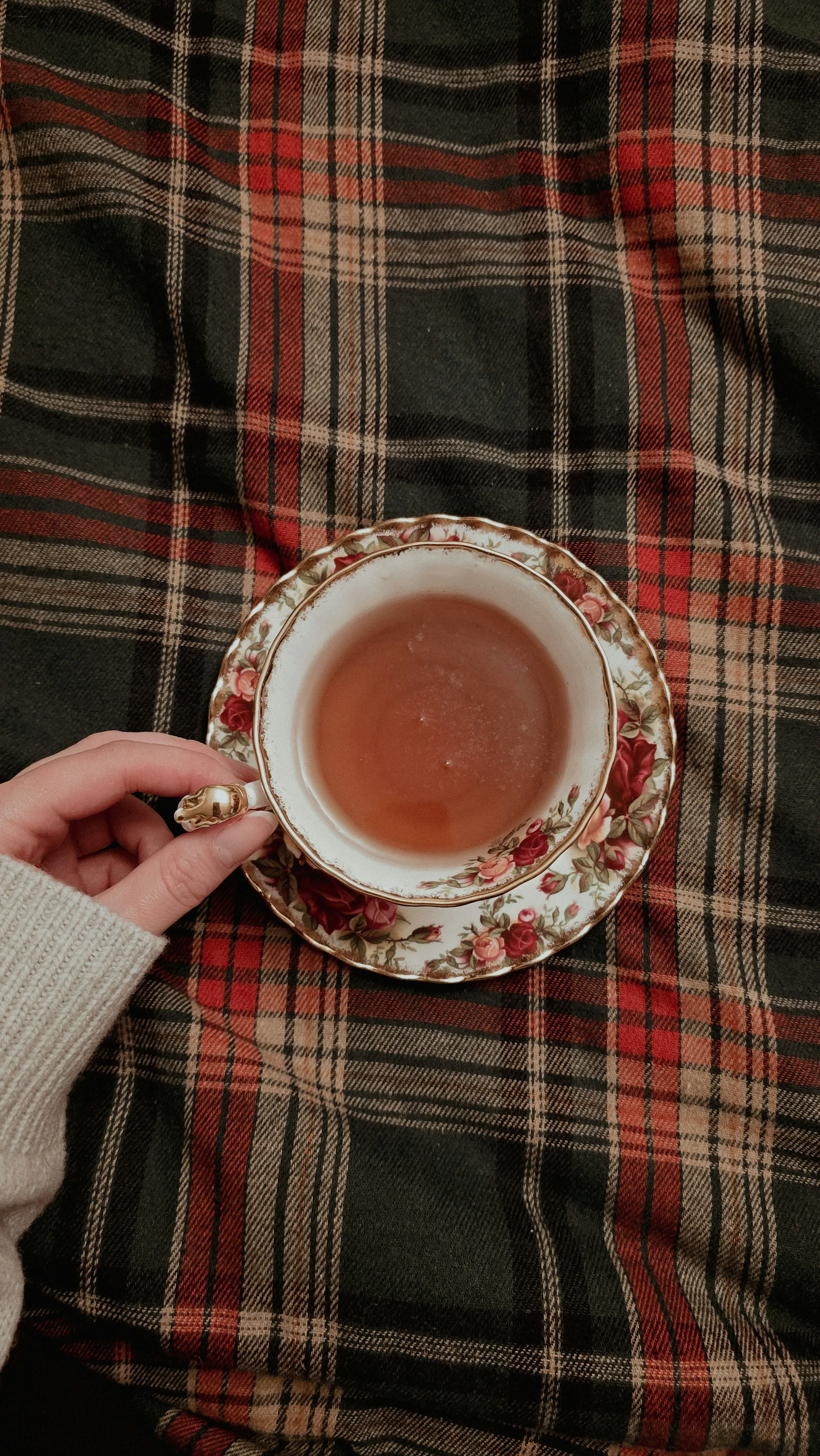
Strain into a cup. The resulting tea has a light golden-amber color with a clean, mildly herbal flavor reminiscent of dried apple peel.
For hot summer afternoons, place 10 grams of persimmon leaves into a 1-liter glass pitcher filled with pure cold water. Leave in the refrigerator for 4 to 6 hours. Cold steeping draws out abundant sweet amino acids while keeping tannin astringency exceptionally mellow.
Method 3: Topical Compresses and Bath Infusion
After brewing, do not discard spent tea leaves. Enclose them in a cotton pouch and drop them into your evening bath, or soak sterile cotton pads in cooled persimmon tea to apply as an astringent facial compress over sun-warmed cheeks.
Complementing regular internal provitamin C intake with diligent morning broad-spectrum sunscreen protects vulnerable skin structures from cumulative ultraviolet photodamage.[3]
Signs to Stop and When to See a Doctor
While persimmon leaf tea is a gentle, food-grade herbal beverage, excessive tannin intake or botanical allergies can occasionally require caution.
Discontinue use and consult a certified medical practitioner if you experience:
Digestive discomfort, mild nausea, or constipation triggered by drinking large volumes of high-tannin tea on an empty stomach
Sudden itchy rash, hives, or lip swelling indicative of a botanical allergy to the Ebenaceae plant family
Localized irritation or redness when using tea infusions topically as facial compresses
Any interference with iron absorption if diagnosed with clinical iron-deficiency anemia (tannins can bind dietary non-heme iron)
Disclaimer: This article is for general information and education about Japanese cosmetics and their labels. It is not a substitute for professional medical advice, diagnosis, or treatment. Skincare results vary from person to person. Product formulas, availability, prices, and regulations change, and products sold in Japan can differ from versions sold elsewhere, so always check the current label. Do a patch test before introducing a new product, and consult a doctor or dermatologist if you have a skin condition or specific concerns.
FAQ
Q1. What does Japanese persimmon leaf tea taste like?
A. Mellow, earthy, slightly sweet, and completely free of bitterness.(Details)
Unlike standard green tea which can turn bitter if over-steeped, persimmon leaf tea has a soft, rounded botanical flavor with subtle fruity undertones and zero caffeine astringency, making it very approachable for everyday sipping.
Q2. Does boiling water really not destroy the vitamin C in persimmon leaves?
A. Yes, bound provitamin C resists heat far better than free ascorbic acid.(Details)
Because the vitamin C is naturally conjugated with protective bioflavonoids and tannins, it remains stable up to 100°C during typical 5-minute brewing, allowing you to enjoy a hot steaming cup without sacrificing active nutritional potency.
Q3. Can pregnant or nursing women drink kaki no ha cha?
A. Yes, it is widely recommended in Japan due to its zero-caffeine profile.(Details)
Because persimmon leaf tea contains no caffeine and provides natural hydration alongside vitamin C and minerals, it is a traditional favorite among pregnant and nursing women in Japan. However, drink in moderation alongside meals to avoid tannin binding with dietary iron.
Q4. Can I use cooled persimmon leaf tea as a facial toner?
A. Yes, freshly brewed cooled tea acts as a mild antioxidant toner.(Details)
Cooled persimmon leaf infusion is rich in soothing polyphenols and astringent tannins that temporarily tighten pore openings. Keep fresh tea refrigerated and use within 48 hours to prevent microbial growth since it contains no preservatives.
Q5. How many cups of persimmon leaf tea should I drink daily?
A. One to three cups per day provides balanced daily antioxidant support.(Details)
Drinking one to three cups throughout the day or enjoying a warm mug in the evening delivers consistent, bioavailable provitamin C without overwhelming your digestive system with excessive tannins.