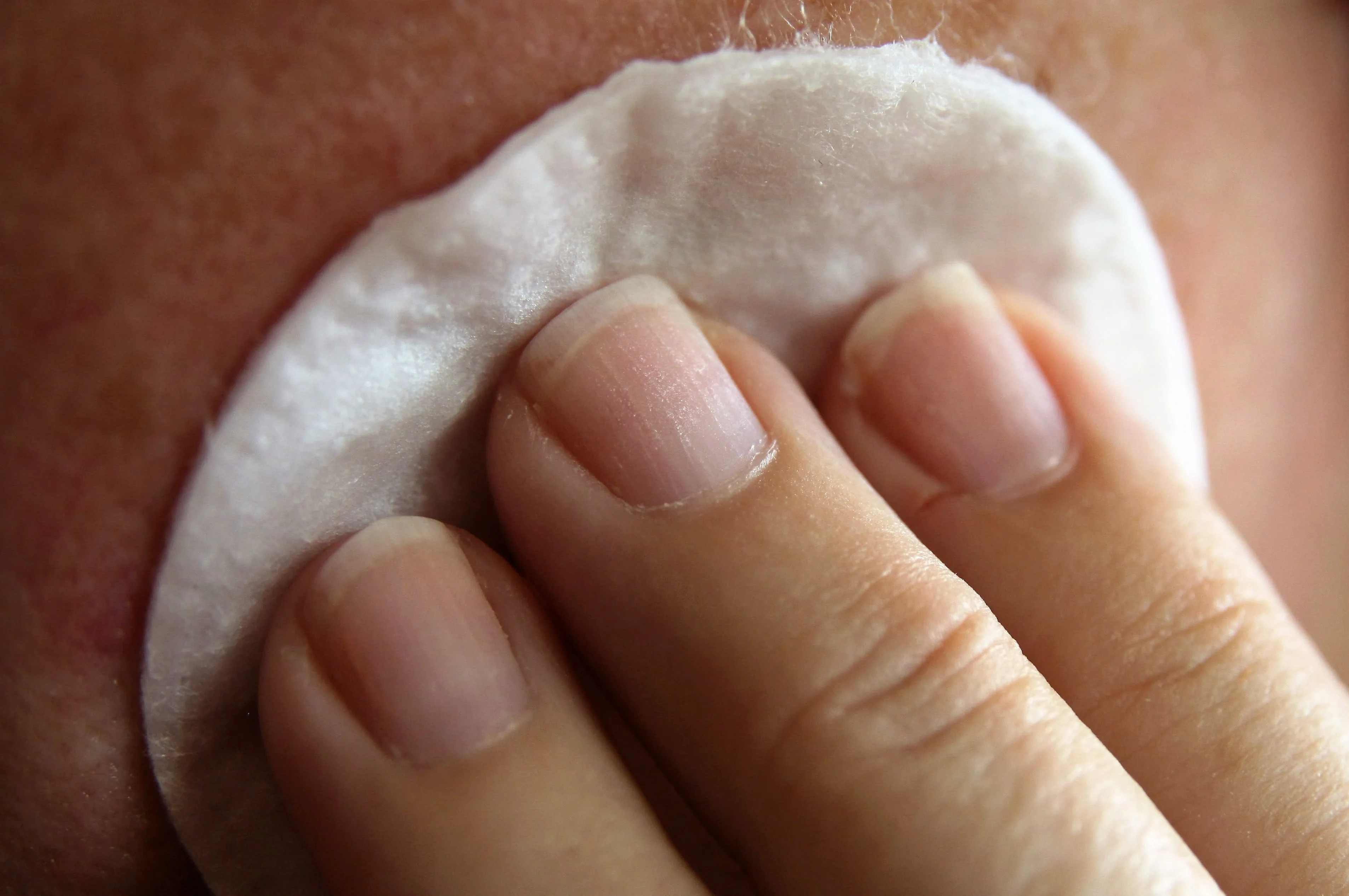
title: Japanese Retinol Ester: Retinyl Palmitate Gentle Guide slug: japanese-retinol-ester-retinyl-palmitate-gentle category: ingredients category_label: Ingredients published_at: '2026-11-27' updated_at: '2026-11-27' meta_description: Discover Japanese retinyl palmitate skincare for gentle vitamin A care. Learn conversion steps, low-irritation benefits, and safe gradual routine tips. description: Discover Japanese retinyl palmitate skincare for gentle vitamin A care. Learn conversion steps, low-irritation benefits, and safe gradual routine tips. lead_image: /images/stock/skincare-face-hands-care-eyecatch.png lead_image_alt: Gentle Japanese evening skincare application featuring retinyl palmitate lotion thumbnail: /images/stock/skincare-face-hands-care-eyecatch.png thumbnail_alt: Gentle Japanese evening skincare application featuring retinyl palmitate lotion author: Editorial Team publish: false
Japanese Retinol Ester: Retinyl Palmitate Gentle Guide
Vitamin A derivatives are universally recognized among dermatologists as gold-standard cosmetic ingredients for smoothing fine lines, refining texture, and sustaining epidermal elasticity. However, for individuals with sensitive, thin, or easily irritated complexions, high-strength pure retinol or prescription tretinoin often provokes severe peeling, tightness, and redness—an unpleasant cascade known as the retinoid reaction.
To solve this barrier dilemma, Japanese beauty laboratories have long championed retinyl palmitate (parumichin-san rechinōru), the most stable ester form of vitamin A. Favored across Japanese drugstore and department store brands alike, retinyl palmitate allows users to enjoy the gradual conditioning benefits of vitamin A while preserving the delicate moisture barrier (hada-zukuri).
In this clinical and practical guide, we examine the biochemistry of retinyl palmitate, compare its metabolic pathway to pure retinol, detail safe phased introduction routines, and outline essential daytime UV precautions.

The Chemistry of Retinol Esters: Enzymatic Conversion Steps
To understand why retinyl palmitate behaves so gently, one must trace the physiological conversion chain required for topical vitamin A to function within the skin:
[The Vitamin A Metabolic Cascade]

Retinyl Palmitate (Retinol Ester)
       │
       ▼ (Cleaved by epidermal esterase enzymes)
Pure Retinol (Free Vitamin Alcohol)
       │
       ▼ (Oxidized by alcohol dehydrogenases)
Retinal / Retinaldehyde
       │
       ▼ (Oxidized by retinal dehydrogenases)
Retinoic Acid (Active Cellular Messenger)
Pure retinol requires two enzymatic conversions to become active retinoic acid. In contrast, retinyl palmitate requires three steps: epidermal esterase enzymes must first cleave the lipid palmitic acid bond to yield free retinol.
This additional metabolic step creates a natural slow-release mechanism. Instead of flooding cellular receptors with an abrupt surge of active acid, retinyl palmitate converts gradually, allowing the stratum corneum to acclimate without triggering widespread erythema.
As skin experiences cellular slowdown and natural epidermal thinning over time[1], supporting gentle cell renewal through stable retinol esters provides sustainable textural refinement.
Why Japanese Formulations Favor Retinyl Palmitate
Japanese cosmetic formulators prefer retinyl palmitate over high-percentage free retinol for four primary practical reasons:
- Photochemical & Thermal Stability: Pure retinol rapidly oxidizes upon exposure to ambient air, light, and heat, turning yellow-brown and losing efficacy. Retinyl palmitate is substantially more stable, retaining functional potency throughout the entire product shelf life.
- Barrier-Friendly Tolerance: The attached palmitate fatty acid buffers cellular shock. It delivers moisture-binding lipid support, ensuring the outermost skin barrier remains intact and supple.
- Multi-Step Routine Harmony: Being mild and non-stripping, retinyl palmitate blends effortlessly into watery lotions (keshosui), sheet masks, and delicate eye creams without pilling.
- Ideal Beginner Stepping Stone: It enables first-time vitamin A users to build epidermal retinoid receptor tolerance safely before advancing to stronger active concentrations.
Scroll horizontally to view full comparison
| Comparison Parameter | Pure Retinol (0.1%–1.0%) | Japanese Retinyl Palmitate (Ester) |
|---|---|---|
| Conversion Steps | 2 steps (Retinol -> Retinal -> Retinoic Acid) | 3 steps (Ester Cleavage -> Retinol -> Retinal -> Acid) |
| Irritation Potential | High; frequent flaking, burning, and dryness | Very low to negligible; mild and comfortable |
| Active Stability | Fragile; requires opaque, airless packaging | High chemical resilience against light and oxidation |
| Primary Intended Use | Intensive corrective care for established wrinkles | Daily preventative maintenance, sensitive skin entry |
| Routine Placement | Strictly nighttime use; spaced 2–3 nights weekly | Nighttime routine; suitable for daily continuous use |