title: Japanese Super Hyaluronic Acid: Acetylated HA Guide slug: japanese-sodium-hyaluronate-acetylated-super-ha category: ingredients category_label: Ingredients published_at: '2026-11-27' updated_at: '2026-11-27' meta_description: Discover Japanese sodium acetylated hyaluronate (Super HA). Learn amphiphilic hydration science, double water retention, and routine layering tips. description: Discover Japanese sodium acetylated hyaluronate (Super HA). Learn amphiphilic hydration science, double water retention, and routine layering tips. lead_image: /images/stock/pure-water-droplets-hydration-glass-surface.webp lead_image_alt: Pristine water droplets demonstrating intense hydration from Japanese Super Hyaluronic Acid thumbnail: /images/stock/pure-water-droplets-hydration-glass-surface.webp thumbnail_alt: Pristine water droplets demonstrating intense hydration from Japanese Super Hyaluronic Acid author: Editorial Team publish: false
Japanese Super Hyaluronic Acid: Acetylated HA Guide
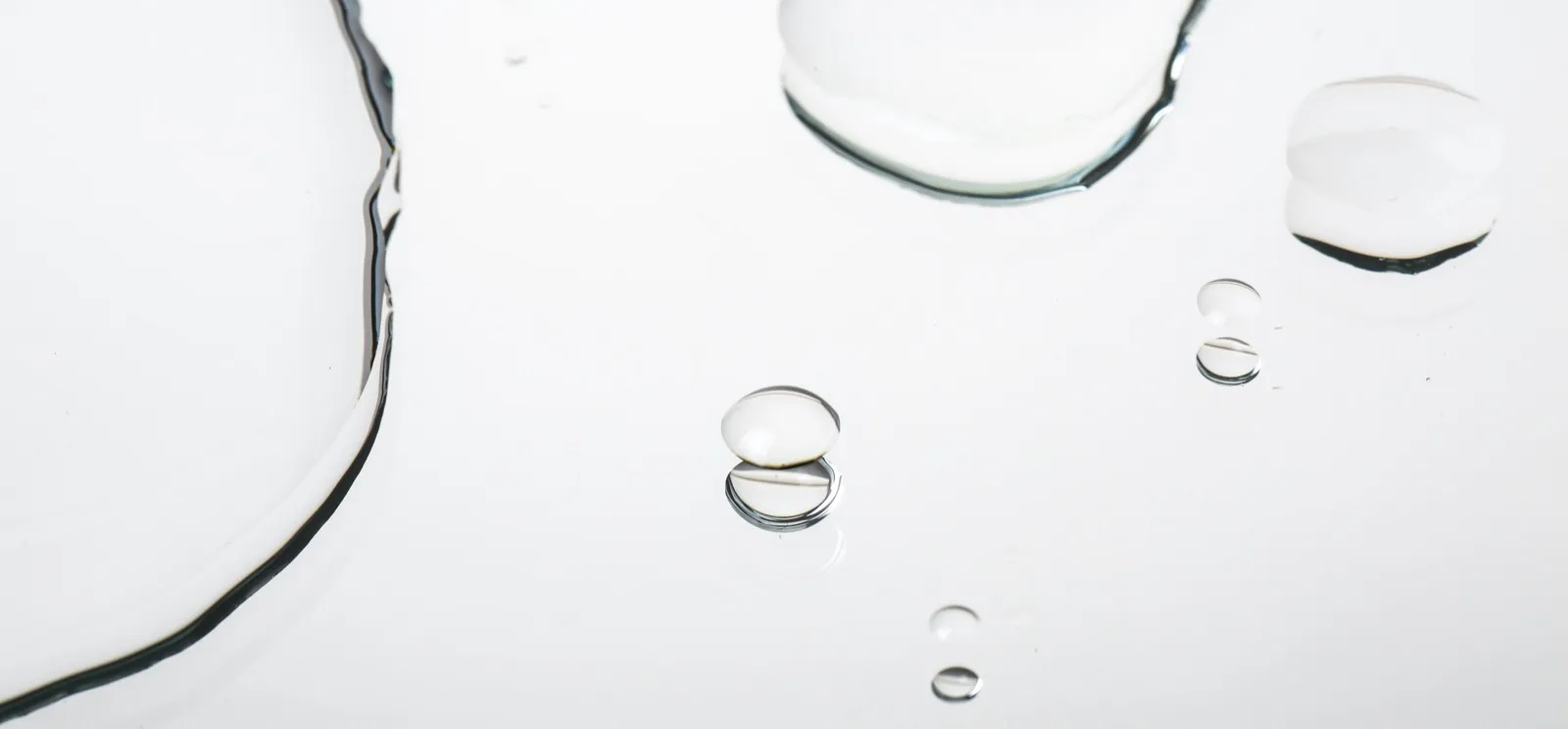
Hyaluronic acid is globally synonymous with cosmetic hydration. Capable of binding up to 1,000 times its molecular weight in water, it forms the backbone of countless moisturizing serums. Yet, standard sodium hyaluronate possesses a notable clinical limitation: because it is entirely water-soluble and purely hydrophilic, it remains on the surface and easily washes away or desorbs when ambient humidity drops.
To overcome these structural constraints, Japanese pharmaceutical laboratories synthesized Sodium Acetylated Hyaluronate (Asechiru-ka Hiaruron-san Natoriumu), affectionately marketed across J-Beauty as Super Hyaluronic Acid (Sūpā Hiaruron-san). By partially replacing the hydrophilic hydroxyl groups of hyaluronic acid with lipophilic acetyl groups, Japanese chemists created an amphiphilic molecule that adheres tenaciously to both water and epidermal lipids.
In this clinical and practical guide, we examine the molecular science of acetylated hyaluronic acid, contrast its performance with standard sodium hyaluronate, demonstrate optimal routine layering, and review essential skin tolerance tips.
The Chemistry of Acetylation: The Amphiphilic Advantage
Standard hyaluronic acid is a linear glycosaminoglycan consisting of repeating disaccharide units of D-glucuronic acid and N-acetyl-D-glucosamine. Because it carries abundant hydroxyl groups, it binds water readily but has virtually no affinity for skin lipids.
Through precision chemical modification, formulators substitute a portion of these hydroxyl groups with acetyl groups (CH3CO-):
[Molecular Evolution: Standard HA vs Acetylated HA]

Standard Sodium Hyaluronate:
  - 100% Hydrophilic (Water-Loving)
  - Attracts moisture to the outer epidermal surface
  - Low affinity for sebum or intercellular lipid lamellae
  - Easily rinses away during perspiration or cleansing

Sodium Acetylated Hyaluronate (Super HA):
  - Amphiphilic (Both Water-Loving and Oil-Loving)
  - Retains hydrophilic binding sites to capture water molecules
  - Lipophilic acetyl groups anchor directly into stratum corneum lipids
  - Binds roughly twice as much water and resists rapid desorption
This dual affinity—termed amphiphilicity—transforms how the polymer behaves on human skin. While the hydrophilic portions attract moisture from surrounding air and lower epidermal layers, the lipophilic anchors bed into the stratum corneum's intercellular lipids.
As skin experiences barrier vulnerability and natural glycosaminoglycan loss over time[1], acetylated hyaluronic acid establishes a durable, long-lasting moisture reservoir that does not evaporate easily.

Performance Metrics: Standard HA vs Super Hyaluronic Acid
Clinical laboratory evaluations highlight three major cosmetic advantages of acetylated hyaluronic acid over standard high-molecular-weight sodium hyaluronate:
- Double Moisture-Holding Capacity: Acetylated HA holds approximately double the bound water mass per gram compared to regular sodium hyaluronate, maintaining higher epidermal moisture levels over a 12-hour testing window.
- Stratum Corneum Anchoring (Wash-Off Resistance): Due to its lipid-loving acetyl groups, Super HA adheres firmly to epidermal surface keratinocytes, providing sustained hydration even after mild perspiration or water exposure.
- Silky, Non-Tacky Texture: High-molecular regular hyaluronic acid can leave a sticky, rubbery film if applied heavily. In contrast, acetylated HA imparts a velvety, cushiony slip that absorbs cleanly without tacky residue.
Scroll horizontally to view full comparison
| Comparison Parameter | Standard Sodium Hyaluronate | Sodium Acetylated Hyaluronate (Super HA) |
|---|---|---|
| Molecular Character | Purely hydrophilic polymer | Amphiphilic (hydrophilic + lipophilic moieties) |
| Moisture Retention Power | High (~1,000x molecular weight in water) | Approximately 2x greater water-binding capacity |
| Stratum Corneum Adhesion | Superficial; vulnerable to environmental evaporation | High; anchors firmly into intercellular lipid matrix |
| Sensory Feel | Can become slightly tight or sticky upon drying | Silky, cushiony, deeply plumping with zero tackiness |
| Japanese Product Format | Everyday basic toners, cleansing waters | Multi-molecular rich lotions (*keshosui*), sleeping packs |