Japanese Squalane: Sugarcane vs Olive Origin Guide
IngredientsBy Editorial Team
title: Japanese Squalane: Sugarcane vs Olive Origin Guide
slug: japanese-squalane-derived-from-sugarcane-vs-olive
category: ingredients
published_at: '2026-11-27'
updated_at: '2026-11-27'
meta_description: Compare Japanese squalane derived from sugarcane and olive. Discover how high-purity hydrogenation creates non-oxidizing, lightweight lipid barrier care.
keywords:
japanese squalane derived from sugarcane vs olive
plant squalane japan
sugarcane squalane
olive squalane
high purity facial oil
author: Seibun Lab Editorial Team
Japanese Squalane: Sugarcane vs Olive Origin Guide
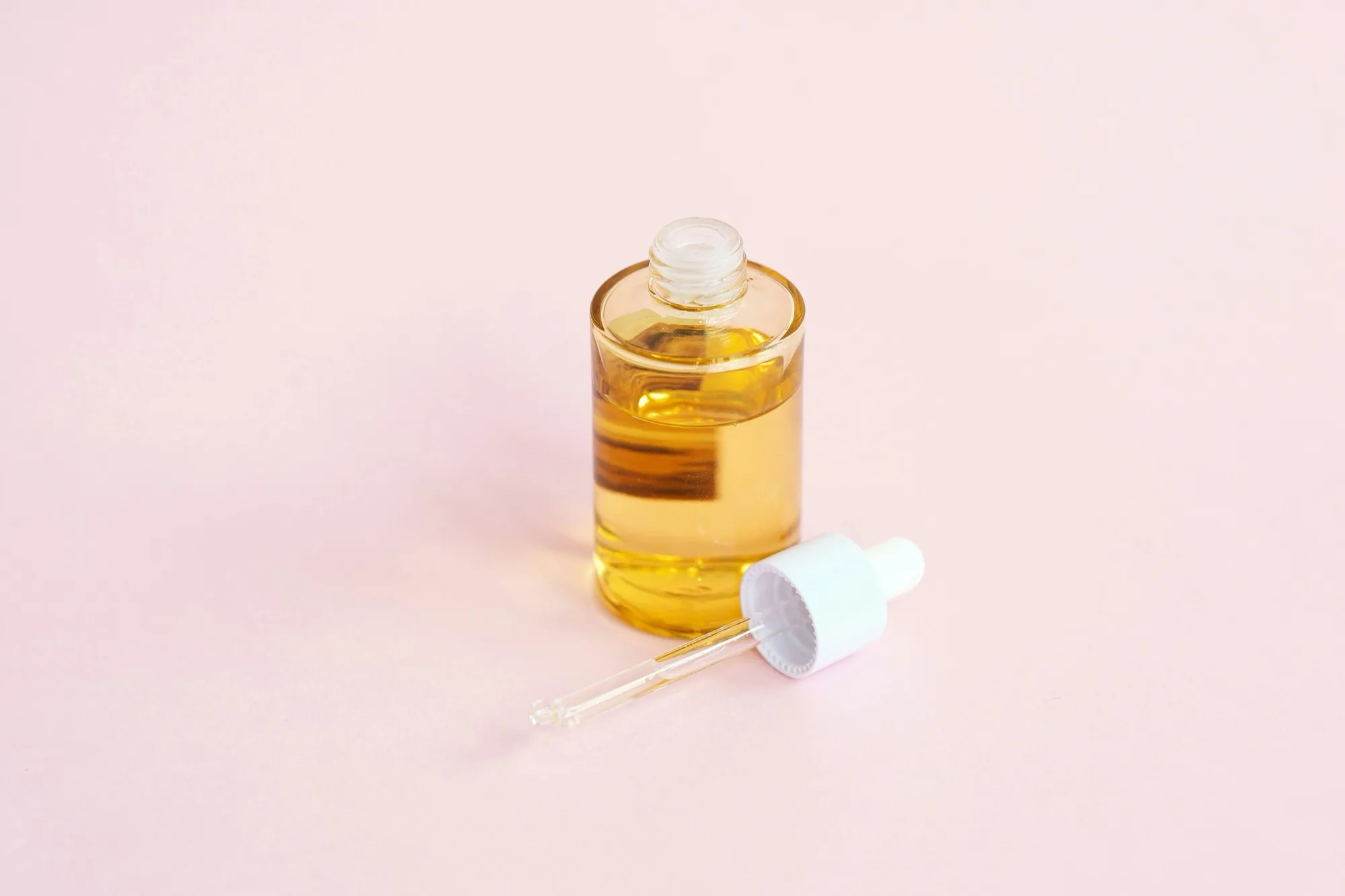
Few cosmetic ingredients capture the essence of Japanese minimalist skincare quite like pure squalane (sukwaran). In Japanese beauty philosophy, where over-formulated products with dozens of emulsifiers and preservatives can overwhelm sensitive skin, a single drop of crystal-clear squalane oil is revered for sealing moisture while feeling completely weightless.
Historically, Japan pioneered the commercial refining of squalane from deep-sea shark liver (aizame) in the mid-twentieth century. Today, ethical commitments and biotechnology innovations have transformed the industry. Japanese formulators now specialize in multi-stage catalytic hydrogenation of sustainable botanical feedstocks—most notably sugarcane and olive. Here is the science behind Japanese squalane, how sugarcane and olive variants compare, and why Japanese refining purity sets the global gold standard for sensitive lipid barriers.
The Science: Squalene vs Squalane and Full Saturation
To understand why squalane is exceptionally stable, one must distinguish between natural squalene (with an "e") and cosmetic squalane (with an "a"):
Squalene (C30H50): The Vulnerable Sebum Lipid
Squalene is an unsaturated triterpene hydrocarbon naturally produced by human sebaceous glands, constituting approximately 10% to 14% of human sebum. While essential for lubricating the epidermis:
It possesses six double bonds, making it chemically unstable.
Exposure to ambient oxygen, urban ozone, and solar ultraviolet radiation causes squalene to undergo rapid lipid peroxidation.
Peroxidized squalene is highly comedogenic, provoking inflammatory follicular micro-comedones and exacerbating acne.
Squalane (C30H62): The Fully Saturated Alkane
To prevent this oxidation hazard, Japanese chemists subject raw squalene to precision catalytic hydrogenation. Hydrogen atoms are bonded to every double bond, converting the reactive molecule into a fully saturated, stable hydrocarbon alkane:
Zero Peroxidation Risk: With no double bonds remaining, squalane does not oxidize, turn rancid, or discolor, even when exposed to intense heat and sunlight.
Biomimetic Affinity: Because its carbon skeleton mirrors human sebum, squalane absorbs smoothly into stratum corneum intercellular lipid bilayers without triggering reactive oiliness.
Scroll horizontally to view full comparison
Botanical Source
Refining Method
Molecular Uniformity
Sensory Feel
Sustainability Profile
Sugarcane Squalane
Yeast fermentation of sucrose + hydrogenation
Exceptionally High (Consistent C30 chain)
Ultra-light, dry-oil slip, zero drag
Renewable, low carbon footprint, 100% vegan
Olive Squalane
Fractionation of olive unsaponifiables + hydrogenation
Moderate to High (Natural trace isomers)
Slightly richer, cushiony, velvety finish
Upcycled agricultural byproduct from olive pressing
Traditional Shark Squalane
Deep-sea shark liver oil distillation
High (Historical benchmark)
Smooth, emollient cushion
Phased out across modern Japanese clean formulations
As natural aging and epidermal lipid depletion[1] diminish innate sebum volume from the late twenties onward, replenishing the stratum corneum with non-oxidizing squalane preserves skin suppleness.
Sugarcane vs Olive: Purity, Viscosity, and Sustainability
While both plant sources yield high-grade squalane, Japanese cosmetic scientists recognize distinct physical and structural nuances between them:
Sugarcane Squalane: The Biotechnology Benchmark
Sugarcane-derived squalane (often produced via bio-fermentation of Brazilian sugarcane juice by engineered yeast strains) represents the cutting edge of green chemistry:
Monodisperse Purity: The biochemical fermentation yields beta-farnesene, which is dimerized into squalane with virtually 100% molecular uniformity.
Featherweight Sensory Profile: Because the carbon chains are remarkably homogeneous, sugarcane squalane exhibits exceptionally low viscosity. It spreads with a silken, "dry-oil" sensation that absorbs within seconds, making it ideal for oily and combination complexions.
Zero Heavy Odor: The raw material has no residual vegetable scent or fatty aroma.
Olive Squalane: The Upcycled Botanical Classic
Olive squalane is recovered from the unsaponifiable fraction of pressed olive oil (Olea europaea):
Trace Botanical Complexity: Depending on harvest weather and olive cultivars, olive squalene can contain minor trace plant sterols or varied hydrocarbon isomers before hydrogenation.
Cushiony Richness: Olive squalane often possesses a subtly denser hand-feel, offering greater tactile cushioning that very dry, mature, or eczema-prone complexions appreciate during arid winters.
Japanese Purification Standard: Leading Japanese ingredient manufacturers (such as Nikko Chemicals) utilize high-vacuum fractional distillation to deodorize and decolor olive squalane, achieving 99.5%+ purity to ensure zero residual olive proteins that could provoke contact allergies.
The "One Drop" Ritual: How Japanese Minimalists Use Squalane
In Japan, high-purity squalane is rarely slathered on in heavy handfuls. Instead, it is famous for the disciplined "One Drop" ritual (hito-tsubu biyou):
Hydrate First (Keshosui): Generously pat a watery, alcohol-free conditioning toner across the face until skin is thoroughly moist.
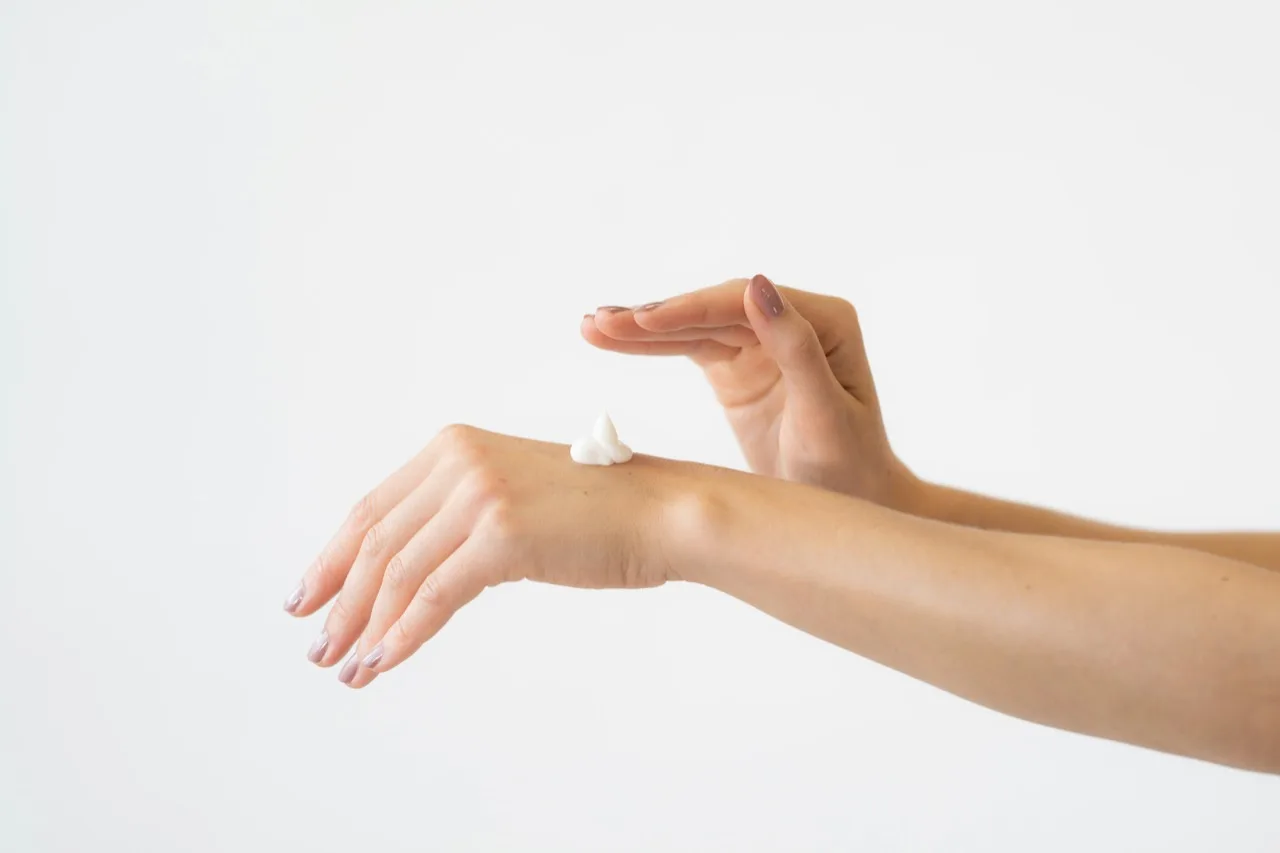
Dispense Single Drop: While the skin is still dewy, dispense exactly one drop of squalane onto clean, damp palms.
Warm and Press: Rub palms together to spread the micro-droplet, then press palms firmly against cheeks, forehead, and neck.
Natural Emulsification: The residual water on the skin bonds with the micro-layer of squalane, forming a fresh, weightless emulsion directly on the stratum corneum that locks in hydration without needing heavy synthetic emulsifiers.
Multi-Functional Utility
Cuticle and Nail Care: Massage half a drop into nail beds to soothe dry winter cuticles.
Hair Tip Polish: Smooth one drop through damp hair ends before blow-drying to protect against thermal moisture loss.
Sensitive Baby Massage: High-purity squalane contains no fragrances, making it trusted by Japanese pediatricians for infant dry patches.
Signs to Stop and When to See a Doctor
High-purity Japanese squalane has one of the lowest irritation indices in cosmetic dermatology. Nevertheless, adverse contact dermatitis or chemical stinging[2] can occur if users react to formula additives or improper cleansing:
Micro-Congestion: If you notice tiny white bumps after starting squalane, you are likely applying too much oil; scale back strictly to one drop.
Flushing or Pruritus: Itching or redness generally stems from added botanical essential oils or synthetic fragrances rather than the inert squalane itself.
Flaking Despite Oil Use: Pure oil provides occlusive lipids but zero water. If skin remains dry, increase your underlying hydrating toner layers before sealing with squalane.
[!WARNING]
If you develop acute swelling, persistent eczema flare-ups, or spreading follicular rash, discontinue use immediately and consult a dermatologist. For daytime routines, always layer squalane under broad-spectrum daily sunscreen defense[3] to guard against ultraviolet photodamage.
FAQ
Q1. Does plant-derived squalane clog pores or cause acne?
A. No, fully saturated squalane has a comedogenic rating of zero to one.(Details)
While unhydrogenated squalene oxidizes and clogs pores, fully hydrogenated squalane is an inert alkane that does not oxidize or feed Cutibacterium acnes bacteria. Its biomimetic structure dissolves excess hardened sebum, making it safe for acne-prone complexions.
Q2. Does squalane oil oxidize or go rancid in hot weather?
A. No, squalane is completely saturated and remains photostable for years.(Details)
Because catalytic hydrogenation removes all vulnerable carbon-carbon double bonds, squalane is immune to heat, light, and oxidative degradation. It does not require synthetic preservatives or antioxidants like BHT to maintain fresh stability.
Q3. Can I use pure squalane oil in place of my daily moisturizer?
A. Yes, provided it is applied directly over thoroughly damp, hydrated skin.(Details)
Squalane is an occlusive emollient that locks in moisture but contains no water itself. As long as you apply multiple layers of hydrating toner (keshosui) first, a single drop of squalane will seal that hydration effectively, replacing heavy synthetic creams.
Q4. Is sugarcane squalane identical to human sebum?
A. It closely mimics human sebum lipids while offering superior chemical stability.(Details)
Human sebum naturally contains squalene (with an 'e'), which is prone to rancidity. Sugarcane squalane provides the same biological compatibility and lipid-replenishing texture as native sebum, but with saturated bonds that resist oxidation completely.
Q5. Why do Japanese dermatologists recommend squalane for compromised barriers?
A. Pure squalane contains zero emulsifiers, fragrances, or common allergens.(Details)
Commercial creams require emulsifiers to blend water and oils, which can disrupt weak skin barriers. High-purity Japanese squalane is a single-ingredient lipid that protects damaged skin without chemical additives, making it ideal for reactive barriers.
Summary and Key Takeaways
Japanese squalane represents the pinnacle of purity-driven lipid skincare:
Full Saturation Stability: Precision hydrogenation transforms reactive squalene into an oxidation-proof, pore-conscious alkane.
Sugarcane vs Olive: Sugarcane delivers unmatched molecular uniformity and dry-oil lightness, while olive provides a richer, upcycled cushion.
The "One Drop" Efficiency: A single drop massaged over damp skin creates a lightweight biomimetic emulsion that locks in moisture without heaviness.
Universal Barrier Care: Completely free from fragrances, preservatives, and emulsifiers, making it ideal for ultra-sensitive and acne-prone skin.
By integrating pure Japanese sugarcane or olive squalane into your daily regimen, you provide your skin barrier with dependable, non-oxidizing lipid nourishment that keeps complexions supple, calm, and naturally radiant.
Disclaimer: This article is for general information and education about Japanese cosmetics and their labels. It is not a substitute for professional medical advice, diagnosis, or treatment. Skincare results vary from person to person. Product formulas, availability, prices, and regulations change, and products sold in Japan can differ from versions sold elsewhere, so always check the current label. Do a patch test before introducing a new product, and consult a doctor or dermatologist if you have a skin condition or specific concerns.