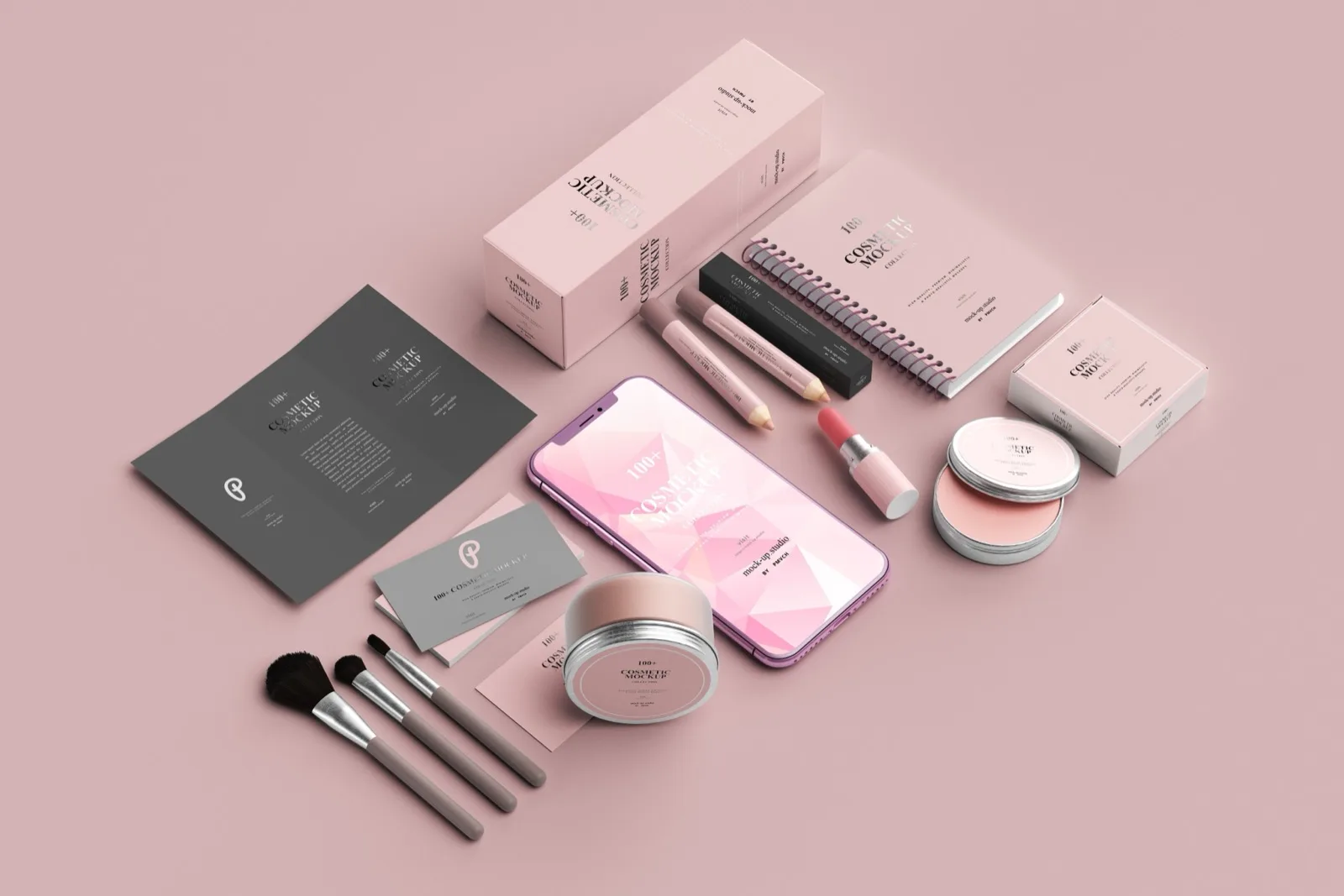
title: Japanese Sulfur Acne Spot Paste: Blemish Care Guide slug: japanese-sulfur-acne-spot-treatment-paste category: ingredients category_label: Ingredients published_at: '2026-11-27' updated_at: '2026-11-27' meta_description: Explore Japanese sulfur acne spot treatments and pastes. Learn quasi-drug versus OTC classifications, keratolytic action, and safe application tips. description: Explore Japanese sulfur acne spot treatments and pastes. Learn quasi-drug versus OTC classifications, keratolytic action, and safe application tips. lead_image: /images/stock/skincare-items-flatlay-pink-background.webp lead_image_alt: Japanese sulfur acne spot paste and targeted blemish skincare products thumbnail: /images/stock/skincare-items-flatlay-pink-background.webp thumbnail_alt: Japanese sulfur acne spot paste and targeted blemish skincare products author: Editorial Team publish: false
Japanese Sulfur Acne Spot Paste: Blemish Care Guide
When an unexpected red bump or clogged pore emerges, Japanese consumers frequently reach for a classic remedy found in drugstores nationwide: sulfur-based spot pastes and creams. Known in Japan for generations through iconic heritage brands, elemental sulfur (iou) remains one of the most reliable and affordable active ingredients for addressing localized breakouts.
However, selecting and using Japanese sulfur formulas requires an understanding of regulatory categories. Products sold in Japan range from mild quasi-drug clarifying lotions to concentrated Class-2 over-the-counter (OTC) pharmaceutical pastes. Applying these potent topical formulas incorrectly can lead to localized peeling, redness, or barrier compromise.
In this clinical and practical guide, we examine the biochemical mechanisms of sulfur, clarify the legal distinctions between Japanese OTC medicines and quasi-drugs, demonstrate proper pinpoint application, and review essential skin safety guidelines.

The Biological Action: How Elemental Sulfur Refines Blemishes
Elemental sulfur targets breakout pathways through three distinct physiological actions:
- Keratolytic Softening: Sulfur reacts with cysteine residues in epidermal keratin to soften and loosen thickened stratum corneum plugs that trap sebum inside the follicle.
- Sebum Adsorption: The mineral particles possess natural oil-absorbing properties, blotting excess sebum pooling around the follicular opening.
- Microbiome Balancing: When applied topically, sulfur interacts with organic skin compounds to generate pentathionic acid and hydrogen sulfide, which help maintain a clean follicular environment.
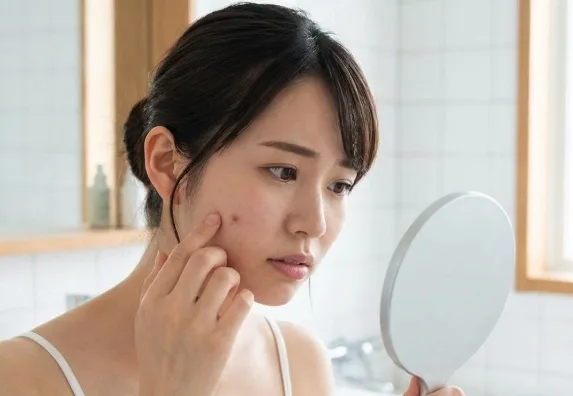
As skin experiences barrier vulnerability and follicular changes over time[1], clogged pores can rapidly turn into noticeable blemishes. Sulfur provides rapid targeted intervention to dry out active plugs before follicular distension worsens.
Japanese Regulatory Classes: OTC Medicine vs Quasi-Drug Formulations
When shopping in Japan or browsing Japanese skincare importers, you will encounter sulfur across two distinct regulatory tiers:
[Japanese Regulatory Classifications for Sulfur Products]

1. Class-2 OTC Pharmaceutical (Dai-Ni-Rui Iyakuhin):
   - Classified as an approved non-prescription acne medicine
   - Higher sulfur concentration (often 3% combined with resorcinol or glycyrrhetinic acid)
   - Labeled specifically for managing active acne lesions and breakouts
   - Sold in licensed Japanese pharmacies or certified drugstores

2. Quasi-Drug (Iyaku-Bukai-Hin):
   - Formulated with controlled active concentrations for daily prevention
   - Often blended into clarifying facial washes, powders, or gentle spot gels
   - Labeled to: "Prevent acne, cleanse skin, and control excess shine"
   - Readily available on open retail shelves and convenience stores
Understanding this classification prevents misuse: Class-2 pharmaceutical pastes are intensive short-term interventions, whereas quasi-drug formulas are engineered for ongoing blemish prevention.
Scroll horizontally to view full comparison
| Comparison Factor | Class-2 OTC Sulfur Acne Paste | Quasi-Drug Sulfur Skincare |
|---|---|---|
| Regulatory Framework | Pharmaceutical (PMD Act OTC Medicine) | Quasi-Drug (*iyaku-bukai-hin*) |
| Primary Stated Role | Targeted intervention for active inflammatory pimples | Preventing new clogged pores and balancing sebum |
| Active Ingredients | Sulfur (~3%), Resorcinol, Dipotassium Glycyrrhizate | Controlled sulfur, botanical extracts, clay |
| Application Method | Pinpoint spot application onto individual lesions only | Wider area application (wash, toner, or spot gel) |
| Drying Potential | High; causes localized flaking if overapplied | Mild to moderate; formulated with buffering humectants |