title: Japanese Upcycled Beauty Ingredients in Skincare Guide slug: japanese-upcycled-beauty-ingredients-sake-rice category: ingredients published_at: '2026-11-27' updated_at: '2026-11-27' meta_description: Discover Japanese upcycled beauty ingredients. Learn how sake lees, rice bran, and yuzu peels create sustainable, circular J-Beauty skincare science. keywords:
- japanese upcycled beauty ingredients sake rice
- circular j beauty sustainable cosmetic chemistry
- sake lees rice bran upcycled extracts mottainai
- yuzu peel pomace phytoceramides zero waste
- japanese regional agro waste cosmetic valorization author: Seibun Lab Editorial Team
Japanese Upcycled Beauty Ingredients in Skincare Guide
Long before modern environmental acronyms entered global discourse, the Japanese cultural concept of mottainai dictated that every natural resource possesses intrinsic value that should never be squandered. From traditional woodblock craftspeople utilizing every timber scrap to rural farmsteads fermenting every grain of rice, circular resource stewardship has anchored Japanese daily life for centuries.
In today's global beauty landscape, this timeless philosophy drives one of the most sophisticated clean skincare movements: Japanese upcycled cosmetics. Rather than clearing wild acreage to cultivate monoculture cosmetic crops, Japanese manufacturers partner with domestic agricultural cooperatives and historic craft breweries to extract potent bio-actives from existing processing side-streams. Because microvascular nutrient delivery and dermal moisture capacity naturally decline across biological aging transitions, abundant botanical extracts provide essential barrier hydration support.[1]
The Mottainai Philosophy Meets Green Cosmetic Chemistry
Upcycling in cosmetic chemistry differs fundamentally from simple recycling. While recycling down-grades materials into lower-value formats, upcycling (or valorization) transforms agricultural byproducts into elevated, laboratory-grade active compounds through scientific refinement:
- Zero Additional Land Use: Utilizing agricultural residues requires no newly cleared farmland, synthetic fertilizers, or dedicated irrigation systems, sharply reducing product life-cycle carbon footprints.
- Support for Regional Farming Economies: Purchasing distillation residues and fruit rinds provides vital secondary revenue streams for small-scale citrus growers in Shikoku or rice farmers in Niigata.
- Enhanced Biochemical Purity: Modern Japanese extraction facilities employ green solvents, cold-pressing, enzymatic hydrolysis, and supercritical carbon dioxide methods to isolate cosmetic compounds without toxic petroleum residues.
Major Upcycled Agricultural Superstars in J-Beauty
Four major side-streams dominate the sustainable Japanese cosmetic supply chain:
1. Sake Lees (Sake Kasu)
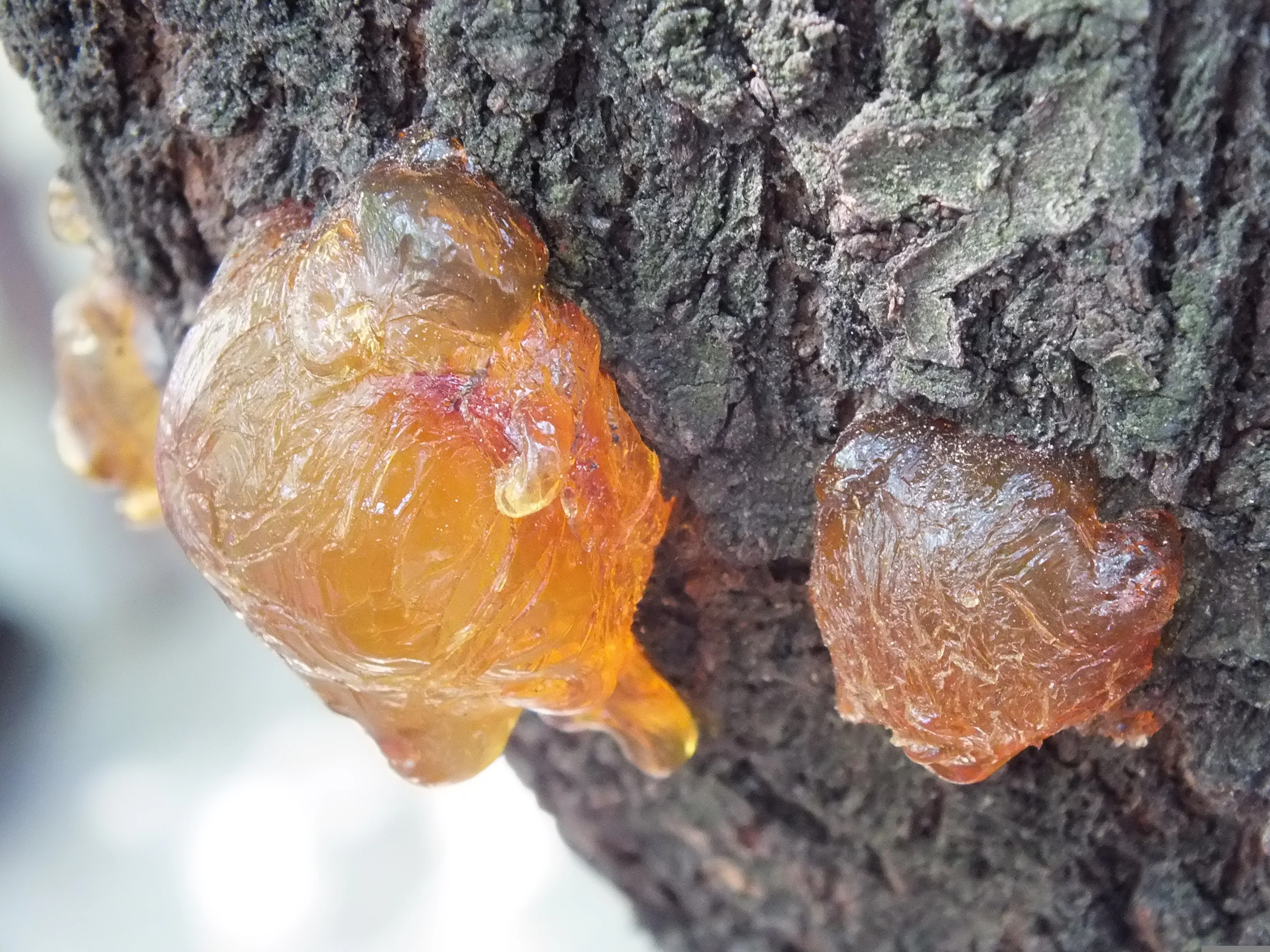
During sake brewing, fermented rice mash is pressed to liberate liquid alcohol, leaving behind dense nutrient cakes. Once considered an industrial agricultural byproduct, this cake is rich in yeast peptides, glucosylceramides, and amino acids. Japanese laboratories extract these compounds into nourishing wash-off facial packs and brightening essences.
2. Rice Bran and Germ (Kome Nuka)
Polishing brown rice into pristine white grains produces millions of tons of powdery bran annually. Cold-pressing this residue yields rice bran oil and concentrated extracts containing gamma-oryzanol and ferulic acid, which defend cutaneous lipids against daytime ultraviolet oxidation.
3. Pressed Citrus and Yuzu Peels
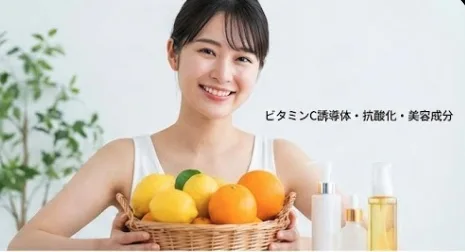
Kochi and Tokushima prefectures lead Japan in harvesting aromatic yuzu, sudachi, and mikan citrus fruits. After regional juice factories squeeze out the tart juice, mountainous piles of peel remained. Cosmetic chemists now steam-distill the rinds to capture aromatic terpenes and extract yuzu ceramides that structurally resemble human stratum corneum lipids.
4. Forestry Thinnings and Sawdust
Selective forest thinning (kambatsu) is necessary to maintain mountain watershed health in Japan. Distillers gather hiba, hinoki, and sugi sawdust from local sawmills to extract therapeutic antimicrobial oils that scent body cleansers and mist formulations.
Traceability and Quality Control Standards in Japan
A common misconception regarding upcycled beauty is that using agricultural side-streams compromises cosmetic safety or cleanliness. In Japan, regulatory oversight ensures the opposite:
- Strict Pesticide Residue Testing: All incoming botanical pomace must pass rigorous multi-residue pesticide screens under the Ministry of Health, Labour and Welfare (MHLW) guidelines before entering cosmetic extraction.
- Microbial Pasteurization: Because food residues contain native yeasts and natural moisture, immediate flash pasteurization and sterile vacuum dehydration prevent mold formation.
- Analytical Standardization: Extracts are standardized to precise marker compound percentages (such as specific flavonoid or ceramide minimums), ensuring that every production batch delivers consistent skincare performance.
Comparison: Upcycled Botanical Extracts vs Virgin Sourced Actives
Understanding the formulation differences between upcycled side-streams and virgin single-crop extracts clarifies their environmental and cosmetic benefits:
Scroll horizontally to see full comparison
| Dimension | Japanese Upcycled Botanical Extracts | Virgin Single-Crop Botanical Actives |
|---|---|---|
| Resource Source | Existing brewing, juice, and milling byproducts | Dedicated crops grown solely for cosmetic harvest |
| Carbon Footprint | Minimal; shares footprint with food production | Higher; accounts for full agricultural life cycle |
| Bioactive Potency | Equal or higher; skins/rinds contain peak defense | Varies depending on whole plant processing |
| Supply Resilience | Tied to domestic staple foods (rice, citrus) | Vulnerable to climate shocks and overseas transit |
| Optimal Routine Step | Hydrating essences, soothing emulsions, face masks | Targeted corrective serums and active treatments |