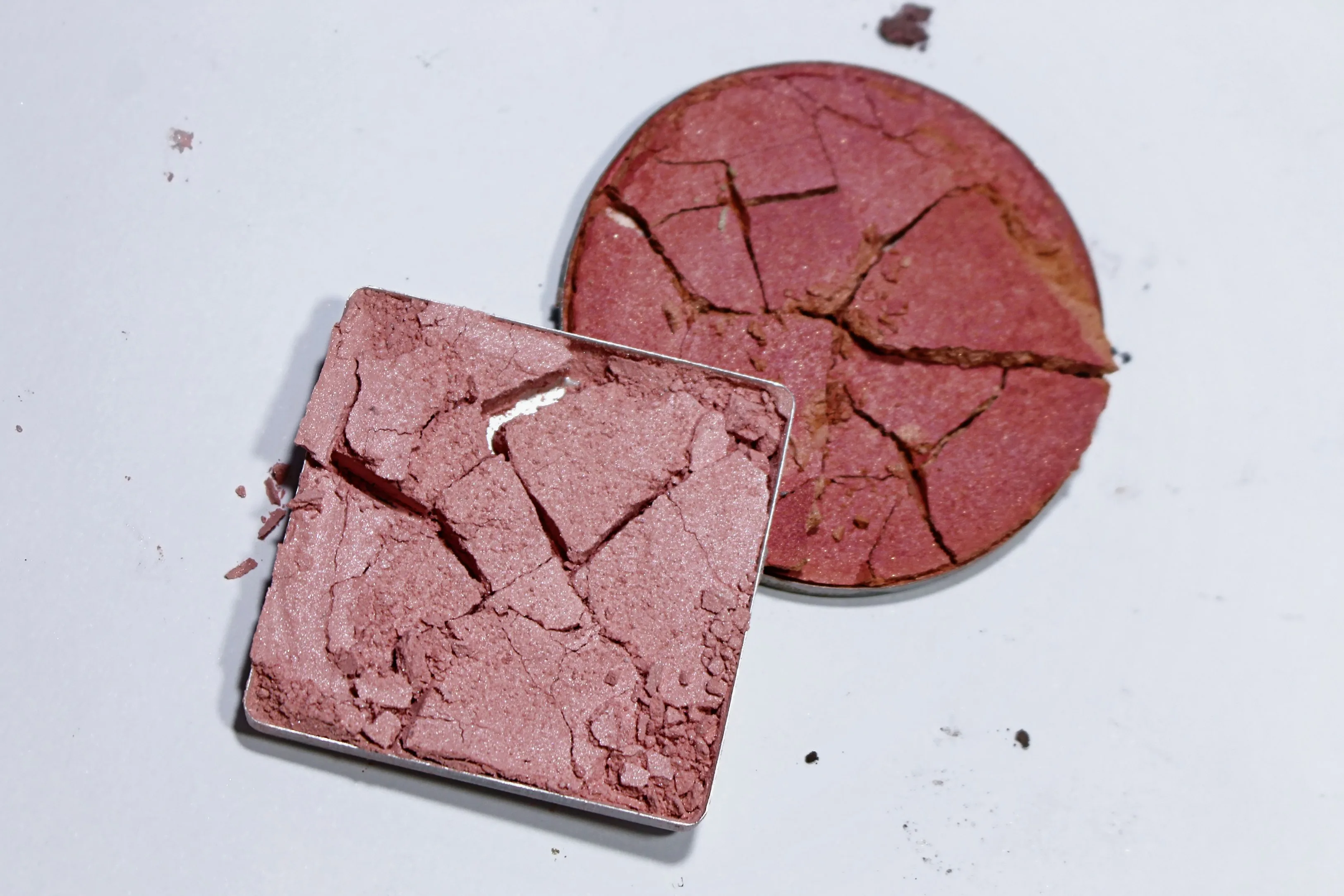
title: Japanese Apricot Blush: Sun-Kissed Cheeks Guide slug: japanese-apricot-blush-sun-kissed-cheeks category: routines category_label: Routines published_at: '2026-11-27' updated_at: '2026-11-27' meta_description: Master Japanese apricot blush techniques for sun-kissed cheeks. Learn sheer warm-peach layering, nose bridge placement, and subtraction makeup tips. description: Master Japanese apricot blush techniques for sun-kissed cheeks. Learn sheer warm-peach layering, nose bridge placement, and subtraction makeup tips. lead_image: /images/stock/makeup-broken-blush-powder-texture.webp lead_image_alt: Soft apricot and warm peach powder blush texture showing fine translucent micro-pearl pigments thumbnail: /images/stock/makeup-broken-blush-powder-texture.webp thumbnail_alt: Soft apricot and warm peach powder blush texture showing fine translucent micro-pearl pigments author: Editorial Team publish: false
Japanese Apricot Blush: Sun-Kissed Cheeks Guide
Achieving an authentic, healthy warmth is an enduring goal in summer and transition-season makeup. In western beauty routines, warmth is typically constructed using dark, clay-toned contour powders, heavy bronzers, and intense golden shimmers. However, on fair-to-medium Asian skin tones and neutral-warm complexions, dark contour powders frequently appear muddy, unnatural, or overly sculpted for daytime wear.
Japanese beauty (J-Beauty) approaches sun-kissed warmth from an entirely different chromatic perspective. Instead of mimicking deep tan melanin with brown pigments, Japanese formulators utilize delicate apricot (anzu-iro), soft coral, and warm peach hues. Combined with the beloved Japanese sun-kissed flush technique (hiyake-fu chiku), a continuous horizontal wash of sheer apricot powder across the cheeks and nasal bridge replicates the youthful glow of an afternoon outdoors.
In this comprehensive guide, we explore why apricot tones flatter diverse complexions, explain the anatomical geometry of the bridge flush, provide a step-by-step horizontal diffusion routine, and review essential photoprotective skin health reminders.
The Apricot Aesthetic: Why Warm Orange-Pink Outperforms Heavy Bronzers
The scientific rationale behind Japanese apricot blush rests in cutaneous chromophore balance:
[Chromatic Warmth Comparison]

Western Heavy Bronzer:
High Iron Oxide Brown + Heavy Matte Clays
  --> Creates artificial shadows that can flatten facial bone structure
  --> Tends to look ashen or muddy on Asian and neutral undertones

Japanese Apricot Blush:
Subtle Yellow-Orange + Soft Coral + Translucent Mica
  --> Harmonizes naturally with underlying subcutaneous carotene and capillaries
  --> Radiates translucent vitality (*kesshoku-kan*) without muddy borders
As biological skin aging naturally diminishes physiological barrier function over time[1], the epidermis loses natural micro-circulatory radiance, leading to dullness. Opaque bronzer formulas can settle into fine dehydration lines across the cheek apples, drawing attention to textural irregularities. In contrast, Japanese apricot blush formulas suspend micro-milled pigments in emollient squalane and silk powders, melting onto skin texture to produce a sheer, luminous veil.

Anatomy of the Japanese Sun-Kissed Flush (Hiyake-fu Chiku)
The traditional Japanese placement for sun-kissed blush differs markedly from western diagonal contouring:
- High-Cheek Centering: Instead of placing color beneath the cheekbones to carve hollows, color is positioned on the high apex of the cheekbone directly below the pupils.
- Horizontal Continuity Across the Nasal Bridge: The brush lightly connects both cheek planes by dusting horizontally over the bridge of the nose. This optical bridge mimics where natural solar ultraviolet light first touches facial contours.
- Soft-Edge Subtraction: The outer boundaries are diffused into bare skin using clean brush bristles, ensuring the color looks like an authentic physiological flush rather than cosmetic pigment.
Scroll horizontally to view full comparison
| Placement Zone | Japanese Brush Movement | Visual Effect on Facial Geometry |
|---|---|---|
| High Cheek Apex | Circular buffing directly beneath outer ocular margin | Lifts mid-face, adds plump youthfulness and natural volume |
| Nose Bridge Center | Light horizontal swipe connecting both cheek planes | Shortens the visual length of the mid-face, creating a cute, rested look |
| Chin Tip (Residual) | Single delicate vertical tap with leftover pigment | Harmonizes facial warmth and unifies lower third balance |
| Temple Perimeter | Soft upward feathering into the hairline | Frames the ocular area with warm, soft-focus dimension |