Japanese Cream Highlighter Guide Dewy Temple Glow Routine
RoutinesBy Seibun Lab Editorial Team
title: Japanese Cream Highlighter Guide Dewy Temple Glow Routine
slug: japanese-cream-highlighter-dewy-temple-glow
category: routines
category_label: Routines
published_at: '2026-11-27'
updated_at: '2026-11-27'
meta_description: Master Japanese cream highlighter techniques for a dewy temple glow. Learn raw balm textures, non-sparkle gloss formulas, and subtle light-sculpting steps.
description: Master Japanese cream highlighter techniques for a dewy temple glow. Learn raw balm textures, non-sparkle gloss formulas, and subtle light-sculpting steps.
lead_image: /images/stock/woman-closed-eyes-glowing-skin-warm-light.webp
lead_image_alt: Soft glowing skin highlight across temple and high cheekbones in warm natural light
thumbnail: /images/stock/woman-closed-eyes-glowing-skin-warm-light.webp
thumbnail_alt: Soft glowing skin highlight across temple and high cheekbones in warm natural light
author: Editorial Team
publish: false
Japanese Cream Highlighter Guide Dewy Temple Glow Routine
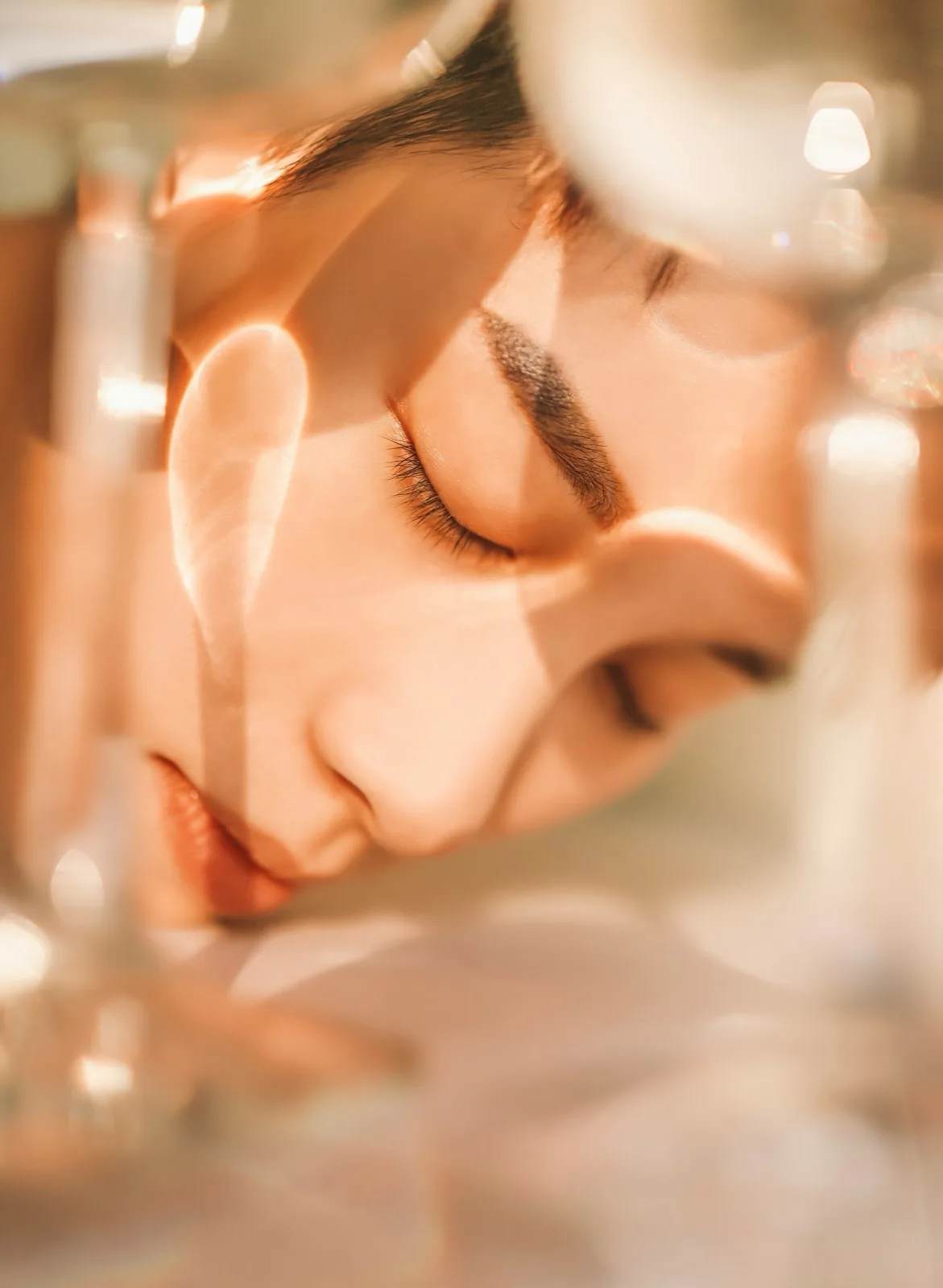
In modern Japanese makeup artistry, the goal of highlighting is not to beam intense metallic reflection across the room, but to recreate the subtle, lit-from-within glow of well-rested skin. This concept—often referred to as nama-hada (fresh, raw skin sheen) or tsuya-kan (refined luster)—relies heavily on innovative Japanese cream and balm highlighters.
Unlike conventional powder highlighters that can settle into fine lines or emphasize pore texture, Japanese cream formulas blend botanical plant oils, ester complexes, and sub-micronized light-refracting pearls. When tapped along the orbital bone and temple curves, they catch ambient daylight naturally, offering elegant three-dimensional structure without obvious makeup boundaries.
Powder Strobe vs Japanese Cream Balm: Key Differences
Understanding the texture and optical behavior of Japanese cream highlighters clarifies why they deliver such a distinctly natural aesthetic:
Sub-micronized optical pearls suspended in clear ester balms
Surface Texture
Dry powder shimmer that sits atop foundation
Melting cream-to-skin balm that fuses with base makeup
Visual Effect
High-contrast, reflective strobe beam
Soft, dewy water-like sheen (*mizu-tsuya*)
Texture Emphasizing
Can accentuate enlarged pores, fine lines, and roughness
Gently smooths and softens skin texture via light diffusion
Daytime Wearability
Dramatic for evening events or digital photography
Effortless, polite, and fresh for workplace environments
The Science of Japanese Melting Balm Highlighters
The tactile sensation of Japanese highlighters—often described as nama-rea (raw, melting, soft texture)—comes from careful cosmetic lipid engineering.
Clinical observations in dermatology confirm that skin aging naturally diminishes physiological barrier function over time[1], resulting in lower natural sebum secretion across the upper cheeks and outer temples. When mature or dehydrated skin is dusted with dry powder highlighters, dry patches become noticeably magnified.
Japanese cosmetic chemists solve this by combining low-melting-point vegetable waxes (such as jojoba seed wax and candelilla wax) with lightweight botanical emollients. Upon contact with body heat, the solid balm instantly softens into an ultra-thin liquid veil. Rather than masking the skin, it imparts a healthy moisture sheen that mimics freshly applied facial oil without greasy heaviness.
Step-by-Step Temple Glow Application Routine
To create the coveted Japanese dewy temple highlight (C-zone glow), follow this strategic placement guide:
Complete Base Makeup First: Apply your liquid foundation, concealer, and a light dusting of translucent powder. Setting the base first prevents the cream highlighter from disturbing underlying pigment.
Warm the Product: Swirl your clean ring finger or a dense synthetic stippling brush over the highlighter surface for 3 seconds to let body warmth activate the moisturizing balm.
Trace the Curved "C-Zone": Tap the product along the high curve of your cheekbone, sweeping upward in a gentle crescent shape around the outer edge of your eye toward the temple hairline.
Feather the Edges: Using light tapping motions (never dragging), blend the outer borders into your skin until no visible demarcation line exists.
Target the Inner Light Points: With remaining product on your finger, dab a pinhead-sized dot on the center of the eyelid and the bridge between your eyes for a cohesive, fresh-faced glow.
Signs to Stop and When to Consult a Dermatologist
While cream highlighters contain nourishing emollients, monitoring skin comfort is essential:
Signs of Sensitivity: If you develop itching, erythema, or micro-bumps along cheekbones after wearing highlighting balms, remove the product immediately. Contact dermatitis represents a common clinical diagnosis in outpatient dermatology[2] when botanical fragrances or specific ester oils disagree with reactive skin barriers.
Sun Care Compatibility: Highlighting oils can focus sunlight on high cheekbone areas; remember that sun exposure and ultraviolet radiation demand diligent daily defense measures[3] by applying broad-spectrum UV protection underneath all makeup layers.
Medical Follow-Up: If redness or swelling around the eye contours persists past 48 hours, seek assessment from a board-certified dermatologist.
FAQ
Q1. Will cream highlighters cause foundation underneath to separate or lift?
A. Not if you use gentle tapping motions rather than wiping.(Details)
Rubbing or dragging a cream product across set foundation can dissolve base layers. Always use clean fingertips or a damp sponge to lightly press the balm onto high points, allowing the product to melt without friction.
Q2. Can oily skin types wear Japanese cream highlighters?
A. Yes, but focus placement strictly on temples and high cheekbones.(Details)
Those with oily skin should avoid applying cream highlighters to the nose tip, forehead, or chin where natural sebum concentrates. Restricting application to the outer C-zone adds healthy dimension without looking greasy.
Q3. How do I choose between champagne, pink, and clear gloss highlighters?
A. Match the undertone to your skin tone and desired effect.(Details)
Clear gloss balms provide pure wet reflection suitable for all skin tones. Champagne and warm gold tones flatter olive and golden complexions, while soft rose and lavender pearls counteract yellow dullness on fair-to-medium skin.
Q4. Can cream highlighter be applied directly on bare skin?
A. Yes, it looks exceptionally natural over daily sunscreen alone.(Details)
For minimal no-makeup days, tapping a clear or soft pearl balm along cheekbones and temples over sunscreen gives an immediate rested, hydrated glow without requiring foundation.
Q5. How long does a cream highlighter stay dewy throughout the day?
A. Most Japanese formulas maintain soft dewiness for 6 to 8 hours.(Details)
Because they are formulated with cohesive vegetable waxes, they resist fading. A quick touch-up by tapping a small amount over makeup instantly revives tired skin in the late afternoon.
Summary and Key Takeaways
Japanese cream highlighters redefine facial illumination by focusing on soft, touchable dewiness rather than loud artificial shimmer. By selecting melting balm formulations and placing them mindfully along the orbital C-zone, you can sculpt facial dimensions with gentle, authentic radiance.
Disclaimer: This article is for general information and education about Japanese cosmetics and their labels. It is not a substitute for professional medical advice, diagnosis, or treatment. Skincare results vary from person to person. Product formulas, availability, prices, and regulations change, and products sold in Japan can differ from versions sold elsewhere, so always check the current label. Do a patch test before introducing a new product, and consult a doctor or dermatologist if you have a skin condition or specific concerns.