Japanese Dry Scalp Moisturizing Lotion Serum Guide
When winter arrives with crisp outdoor breezes and dry indoor heating, many people notice an uncomfortable tight sensation beneath their hair. Fine, white flakes begin dusting the shoulders of dark coats, accompanied by persistent itching along the crown.
In Western markets, consumer instinct is often to immediately purchase harsh anti-dandruff shampoos formulated with zinc pyrithione or selenium sulfide. However, within Japanese beauty and aesthetic clinics, dermatologists emphasize that dry winter flaking (kansei fuke) is fundamentally a moisture barrier deficit, not a bacterial infection. Stripping an already parched scalp with aggressive clarifying washes often intensifies the problem.
The Japanese solution is as logical as it is elegant: care for the scalp like facial skin by applying a specialized leave-in scalp moisturizing lotion or serum (tōhi yō keshōsui). Just as natural aging and cumulative mechanical tension gradually reduce scalp elasticity,[1] winter dehydration impairs the stratum corneum's ability to retain water. Here is a comprehensive guide to understanding Japanese scalp lotions, comparing key ingredients, and distinguishing simple dry flakes from conditions requiring clinical attention.
Dry Dandruff vs. Oily Dandruff: Identifying Your Flake Type
Before selecting a topical product, it is vital to identify whether your flaking stems from simple barrier dehydration or an inflammatory microbial condition.
Scroll horizontally to see full comparison
Feature
Dry Flakes (*Kansei Fuke*)
Oily Flakes (*Shisei Fuke / Seborrheic*)
Visual Appearance
Fine, powdery, snow-like white specks that scatter easily
Thick, yellowish, sticky clumps that cling to hair shafts
Underlying Cause
Low atmospheric humidity, hot water stripping, barrier lipid depletion
If your flakes are fine, powdery, and worsen after hot showers or blow drying, your scalp is calling for topical hydration.
The Architecture of Japanese Scalp Lotions: What Makes Them Unique
Applying standard facial toner to the head is impractical because water droplets become trapped in hair strands, while thick face creams leave roots limp and greasy. Japanese pharmaceutical and cosmetic houses engineered scalp serums to solve these precise mechanical challenges:
1. Water-Based, Zero-Oil Formulations
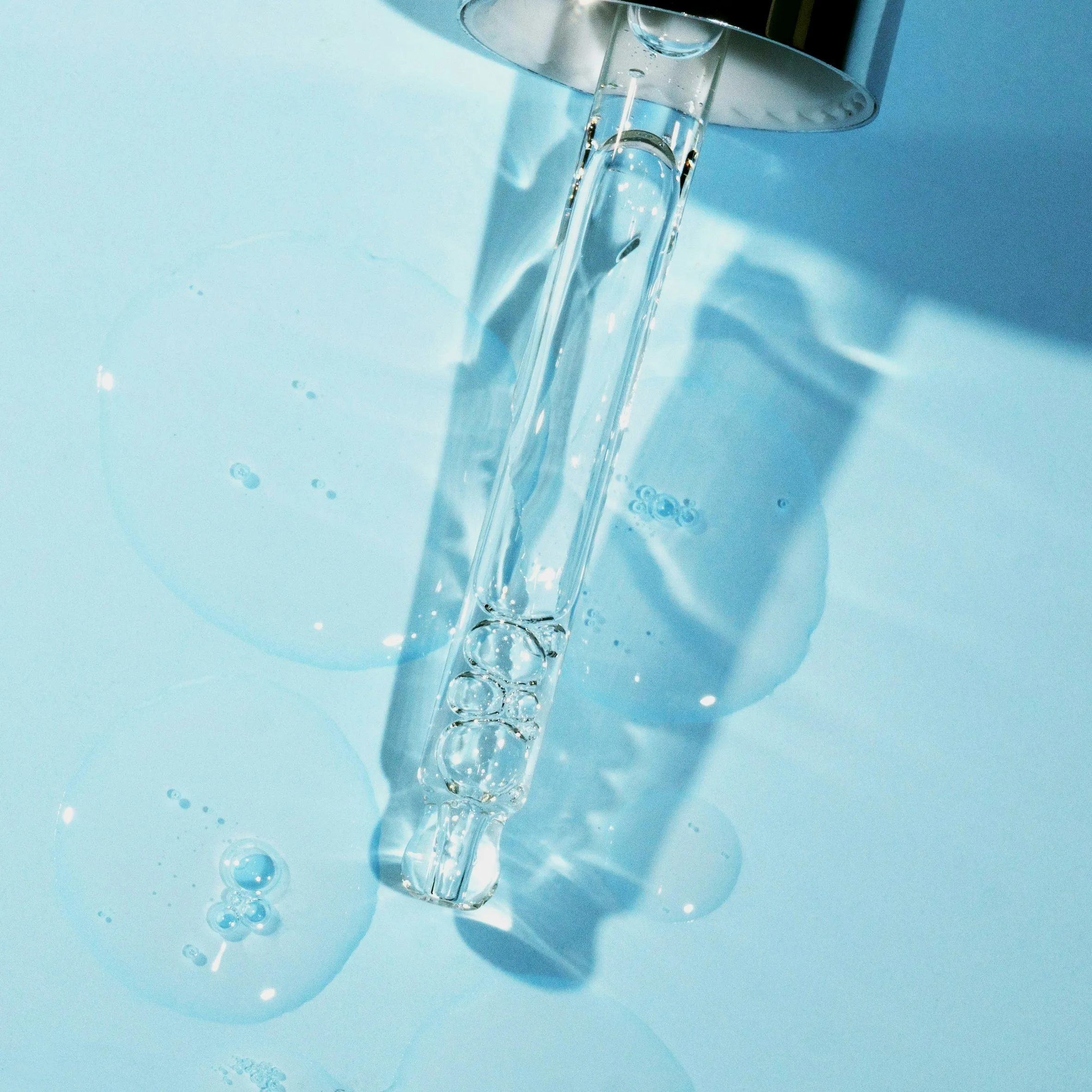
Unlike heavy styling oils or pomades, Japanese scalp moisturizing lotions are lightweight, water-soluble solutions. They absorb rapidly into the epidermis without coating hair shafts in oil or deflating blow-dried volume.
2. Functional Biomimetic Hydrators
Ceramide Functioning Agents (e.g., Cetyl-PG Hydroxyethyl Palmitamide): Pioneered by brands like Curél, synthetic pseudo-ceramides interlock between corneocytes to restore the moisture-retaining lipid barrier.
Dipotassium Glycyrrhizate (Kanzō Ekisu): A licorice-root-derived soothing agent recognized under Japanese Quasi-Drug standards to calm micro-redness and itching.
Hyaluronic Acid & Polyglutamic Acid: Powerful humectants that draw ambient moisture into the surface layer without feeling sticky.
3. Alcohol-Free and Menthol-Free Design
While traditional men's hair tonics relied on high concentrations of ethanol and camphor for a tingling sensation, modern Japanese scalp lotions for dry skin are strictly formulated without drying ethanol, artificial fragrance, or harsh cooling agents.
4. Direct-Touch Precision Nozzles
Most Japanese scalp bottles feature a rounded, dome-shaped nozzle (direct-touch nozzle). Users press the tip directly against the parted scalp, dispensing measured drops straight to the skin without product loss in hair lengths.
How to Apply Scalp Moisturizing Lotion: The 4-Step Routine
Incorporating a scalp serum takes under two minutes following your evening shower or morning styling routine.
[Towel-Blot Hair Thoroughly] -> [Part Hair into 4 Sections] -> [Apply Drops Directly to Scalp] -> [Gentle Finger-Pad Press Massage]
1. Apply on Damp or Dry Scalp
The optimal time for application is immediately after towel drying your hair following a shower, before blow drying. The damp stratum corneum is exceptionally pliable and receptive to humectants. However, alcohol-free formulas can also be applied to dry hair in the morning.
2. Part Hair in Grids
Use a comb or your index finger to create clean partings across the scalp:
Down the center from forehead to crown.
Along the left and right temples.
Across the lower crown above the nape.
3. Dispense Along the Skin
Gently glide the bottle tip along each parting line, dispensing a light bead of lotion directly onto the skin. Use approximately 5 to 8 drops across the entire head.
4. Press In With Finger Pads
Using the soft, fleshy pads of both hands, gently press the scalp upward toward the crown. Do not rub vigorously. Rhythmic pulsing presses distribute the lotion across the galea aponeurotica and stimulate micro-circulation.
Standout Japanese Drugstore Formulations
When seeking gentle scalp hydration, several renowned Japanese brands lead the category:
Curél Scalp Moisture Care Lotion: The gold standard for sensitive, itchy scalps. Features Kao's proprietary pseudo-ceramide technology in a fragrance-free, alcohol-free liquid with a soft silicone direct-application nozzle.
Minon Medicated Hair & Scalp Conditioner / Essence: Designed by Daiichi Sankyo Healthcare, utilizing nine essential amino acids to reinforce fragile skin barriers without irritation.
Orbis Scalp Clarifying Essence: Formulated with botanical extracts and hyaluronic acid to maintain long-term hydration along exposed crown parting zones.
Signs to Stop and When to See a Doctor
While cosmetic scalp lotions provide soothing relief for seasonal winter dryness, they are not intended for chronic inflammatory skin diseases.
Because allergic contact dermatitis remains a frequent scalp concern evaluated by physicians,[2] immediately rinse your scalp with lukewarm water and discontinue use if you experience stinging, intensifying itching, or raised follicular bumps after application. Always perform an inner-arm patch test before using botanical extracts.
When spending extended daytime hours outdoors, remember that daily sunscreen defense remains essential along vulnerable hair parting zones[3] where exposed scalp skin is prone to solar photodamage.
[!CAUTION]
If you observe thick, adherent yellowish scales, weeping crusts, bleeding from scratching, or patches of circular hair loss, do not attempt to resolve these symptoms with cosmetic lotions. These signs frequently indicate seborrheic dermatitis, scalp psoriasis, or fungal infections requiring prescription topical therapies from a board-certified dermatologist.
FAQ
Q1. Will scalp moisturizing lotion make my hair look greasy or flat?
A. No, Japanese scalp lotions are water-based and dry completely weightless.(Details)
Unlike hair oils or balms, scalp lotions contain zero heavy lipids or silicones. They absorb rapidly into the skin within seconds, leaving hair roots clean, buoyant, and voluminous after blow drying.
Q2. How often should I apply scalp lotion during winter?
A. Applying once or twice daily provides continuous barrier support.(Details)
For optimal results, apply after your evening shower on towel-damp hair. Those with severe winter tightness can also apply a few drops in the morning before styling to buffer against dry indoor radiator heating.
Q3. Can I use regular facial toner on my scalp?
A. While gentle toners are safe, dedicated scalp nozzles ensure proper delivery.(Details)
Gentle, alcohol-free facial hydrating toners are biochemically safe for scalp skin. However, facial spray bottles or pour tops coat hair fibers rather than reaching the scalp. Specialized scalp bottles feature precision nozzles designed specifically to bypass dense hair.
Q4. Does dry scalp lotion help stimulate hair growth?
A. Scalp lotions maintain healthy skin conditions, but are not growth medications.(Details)
A well-hydrated, flexible scalp barrier provides an optimal environment for hair follicles. However, moisturizing lotions do not contain pharmaceutical active agents like minoxidil and are not intended for pattern hair loss or thinning.
Q5. What is the difference between a scalp tonic and a scalp lotion?
A. Tonics usually contain stimulating alcohol and menthol, while lotions focus on gentle hydration.(Details)
Traditional scalp tonics (*tonikku*) emphasize cooling sensory sensations and invigorating astringency through ethanol and menthol. In contrast, modern scalp moisturizing lotions (*keshōsui*) are gentle, alcohol-free humectant formulas designed specifically to support dry, sensitive skin barriers.
Disclaimer: This article is for general information and education about Japanese cosmetics and their labels. It is not a substitute for professional medical advice, diagnosis, or treatment. Skincare results vary from person to person. Product formulas, availability, prices, and regulations change, and products sold in Japan can differ from versions sold elsewhere, so always check the current label. Do a patch test before introducing a new product, and consult a doctor or dermatologist if you have a skin condition or specific concerns.