title: Japanese Foaming Net and Soap Whipper Tutorial
slug: japanese-foaming-net-soap-whipper-tutorial
category: routines
published_at: '2026-11-28'
updated_at: '2026-11-28'
meta_description: Learn how Japanese foaming nets and soap whippers create dense micro-lather. Master the friction-free foam cushion technique for radiant, balanced skin.
keywords:
japanese foaming net soap whipper tutorial
awadate netto dense marshmallow foam whip
friction free face cleansing cushion routine
awa hour soap whipper pump container
japanese drugstore facial wash lather tips
author: Seibun Lab Editorial Team
Japanese Foaming Net and Soap Whipper Tutorial
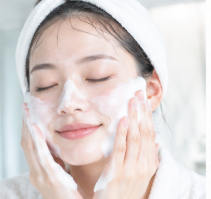
If you observe a Japanese facial care routine, one golden rule reigns supreme above all others: never let your bare fingers rub directly against your facial skin during cleansing. In J-Beauty dermatological theory, the physical friction (masatsu) generated by dragging palms or fingers across the face disrupts the delicate stratum corneum, triggers micro-inflammation, and accelerates premature sagging and hyperpigmentation.
Instead, Japanese skincare relies on foam cleansing (awa sengan). Using simple, inexpensive tools readily found in 100-yen shops (like Daiso or Seria) and neighborhood drugstores—namely foaming nets (awadate netto) and pump soap whippers (awa awa whippers)—a tiny dab of paste is transformed into an enormous, stiff mound of micro-bubbles that holds its shape even when turned upside down.
The Philosophy of Frictionless Foam Cleansing
Why does lather density matter so much? The secret lies in interfacial physics and surface tension.
Scroll horizontally to view full table
Lather Consistency
Physical Micro-Structure
Dermatological Skin Impact
Thin, Watery Suds
Large, fragile air pockets that pop instantly under pressure
Fingers collapse the lather, grinding directly against epidermal ridges
Dense Japanese Micro-Foam
Microscopic, uniform bubbles with high internal surface tension
Acts as an elastic shock absorber; fingers never touch the face
Cream / Milk Cleanser Alone
Viscous emulsion with low lather
Gentle, but requires gentle massage; can drag if insufficient volume is used
Aerosol Carbonated Foam
High-pressure dissolved carbonic gas micro-bubbles
When lather is whipped until its bubbles reach microscopic proportions, the collective surface area increases exponentially. Capillary suction naturally draws oxidized sebum, environmental particulate matter, and dissolved impurities into the foam matrix without needing mechanical scrubbing.
Foaming Nets vs Pump Whippers: Tool Comparison
Japanese drugstores offer two dominant categories of foaming tools, each designed to maximize convenience:
Multi-Layer Foaming Nets (Awadate Netto):
Constructed from pleated, double- or triple-layered polyethylene mesh gathered with a small ring or ribbon. Many models contain a tiny interior sponge cube that stores water and releases micro-bubbles when squeezed. Nets are lightweight, travel-friendly, dry quickly, and cost around 100 to 200 yen.
Pump-Action Soap Whippers (Awa Hour / Awa-Awa Pots):
A lidded plastic container featuring an internal perforated plunger plate connected to a handle. By adding a small splash of water and a pea-sized dab of cleanser, pumping the handle up and down for twenty seconds whips a luxurious bowl full of stiff meringue foam effortlessly.
Because microvascular nutrient delivery and dermal moisture capacity naturally decline across biological aging transitions, abundant botanical extracts provide essential barrier hydration support.[1] Preserving natural moisture during the cleansing phase ensures that hydrating lotions applied afterward absorb smoothly.
Step-by-Step Tutorial: Whipping Marshmallow Foam
Creating rich, gravity-defying lather takes under thirty seconds once you master the balance of water and cleanser:
Step 1: Wet the Net with Lukewarm Water: Submerge the foaming net in lukewarm water (around 32°C to 34°C / 90°F to 93°F). Shake off excess water droplets so the net remains damp but not dripping wet. Too much water dilutes lather.
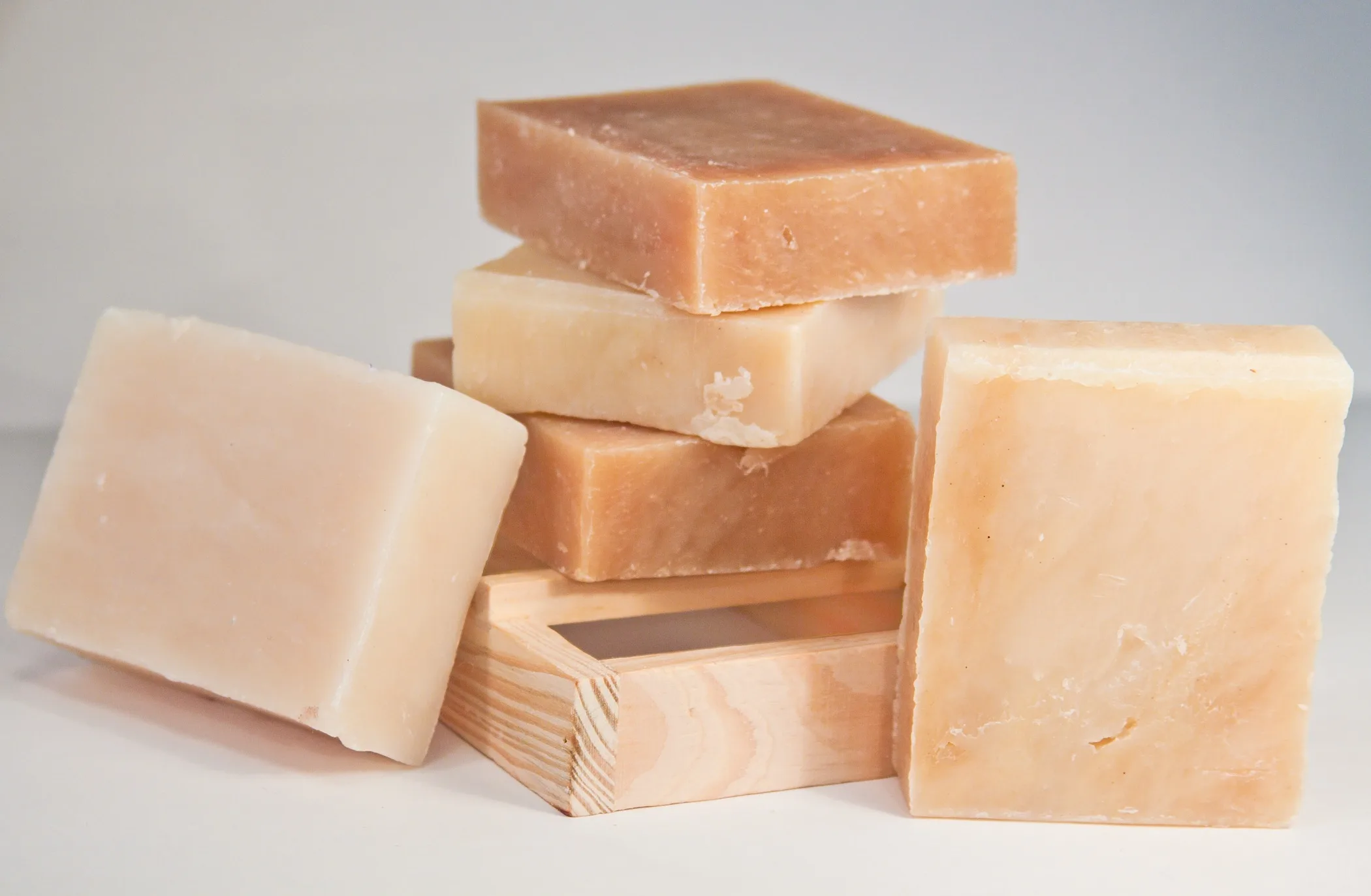
Step 2: Dispense a Pea-Sized Amount: Squeeze approximately one centimeter of cleansing paste directly onto the center of the mesh, or rub a bar soap across the netting three to four times.
Step 3: Rub Mesh Between Palms: Rub the bunched net vigorously between your open palms in circular motions. In ten seconds, fine bubbles will begin billowing through the mesh layers.
Step 4: Squeeze Foam from Root to Ring: Hold the hanging ring with one hand and gently pull the gathered mesh through your other fist, squeezing the accumulated foam toward the top like frosting from a pastry bag.
Step 5: Inspect Foam Density: Place the foam on your palm and turn your hand upside down. If the foam holds its shape without drooping or dripping, your lather is ready.
The Floating Hands Cleansing Method
Once your cloud of foam is prepared, apply the classic Japanese floating hands technique (ukite senzoku):
Apply Foam to Oily T-Zone First: Place the dense mound over your forehead, nose, and chin where sebaceous secretions are concentrated.
Roll the Foam Cushion: Press your palms gently against the foam, using the elastic rebound of the bubbles to pulse against your skin. Your fingertips should never make direct contact with your face; imagine the foam as an elastic pillow separating your hands from your skin.
Spend Under 40 Seconds on Face: Move to the cheeks and eye area with light pressing motions. Keep the total lather contact time under forty seconds to prevent overwashing.
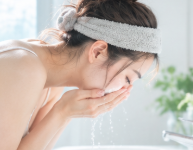
Rinse with Lukewarm Splashes: Cup lukewarm water in both hands and splash your face fifteen to twenty times until all traces of foam dissolve. Never scrub with a washcloth or let harsh shower spray beat directly down onto facial skin.
Essential Hygiene and Net Maintenance Guidelines
Because foaming nets reside in humid bathrooms, diligent hygiene prevents microbial contamination:
Never Rub the Net Directly Against Your Face: The polyethylene mesh is an abrasive plastic tool designed exclusively to whip lather in your hands. Never use the net as a washcloth on facial skin.
Rinse Thoroughly After Each Use: Wash all lingering soap scum out of the mesh under running water. Squeeze out excess moisture completely.
Hang in an Airy, Dry Location: Hang the net by its ring in a well-ventilated space outside the damp shower stall so it air-dries quickly.
Replace Every 2 to 3 Months: Like toothbrushes, foaming nets should be replaced every two to three months to maintain hygiene. Conducting patch tests avoids provoking contact dermatitis across reactive epidermal barriers.[2]
Daytime Photoprotection: Clean skin requires continued defense. Daily cosmetic lotions cannot substitute for broad-spectrum sunscreens recommended for long-term health.[3]
Disclaimer: This article is for general information and education about Japanese cosmetics and their labels. It is not a substitute for professional medical advice, diagnosis, or treatment. Skincare results vary from person to person. Product formulas, availability, prices, and regulations change, and products sold in Japan can differ from versions sold elsewhere, so always check the current label. Do a patch test before introducing a new product, and consult a doctor or dermatologist if you have a skin condition or specific concerns.
FAQ
Q1. Why does my foaming net only produce loose, watery bubbles?
A. Too much water is the primary cause of loose, runny lather.(Details)
To achieve dense, stiff meringue foam, the net should be damp rather than dripping. Shake the net firmly three to four times after wetting it to remove excess water before applying cleanser. If the lather feels too dry, add just a single drop of water to your palm and continue rubbing.
Q2. Can I use a foaming net with bar soap, powder cleansers, and liquids?
A. Yes, foaming nets work exceptionally well with all foaming cleanser formats.(Details)
Nets are versatile tools that work across traditional bar soaps, enzyme powders, liquid washes, and standard paste tubes. For enzyme powders or liquid cleansers, sprinkle or pour the product directly onto the damp mesh and rub between your hands.
Q3. How does a pump soap whipper differ from a foaming net?
A. Pump whippers create huge volumes of uniform micro-lather with effortless pumping.(Details)
While foaming nets require manual hand friction, pump-action whippers (like the famous Awa Hour) use an internal perforated plate to blend air, water, and cleanser rapidly inside a container. In twenty seconds of pumping, they produce a large bowl full of dense, marshmallow-thick foam without getting hands messy.
Q4. Can people with dry or sensitive skin use foaming nets?
A. Yes, dense foam is actually much gentler on sensitive barriers than under-foamed paste.(Details)
Rubbing un-foamed cleanser directly onto sensitive skin exposes the stratum corneum to high local surfactant concentrations and harsh physical friction. Whipping cleanser with a net dilutes the surfactants uniformly into air and water, allowing the foam cushion to cleanse without aggressive friction.
Q5. Can I use hot water to make lather faster?
A. Lukewarm water around 32°C to 34°C is optimal to avoid stripping natural lipids.(Details)
While hot water lathers quickly, washing with water hotter than body temperature dissolves the skin's essential intercellular ceramides and natural moisturizing factors, causing immediate dryness and tight discomfort. Stick to comfortable lukewarm water for both lathering and rinsing.