Japanese Hair Milk Before Blow Drying Heat Care Guide
RoutinesBy Miho Tanaka
title: Japanese Hair Milk Before Blow Drying Heat Care Guide
slug: japanese-hair-milk-before-blow-drying-heat-care
category: routines
published_at: '2026-11-27'
updated_at: '2026-11-27'
meta_description: Learn how Japanese hair milk protects damp strands before blow drying. Discover emulsion heat care rituals, internal moisture replenishment, and top tips.
keywords:
japanese hair milk before blow drying heat care
out bath treatment emulsion hair japan
japanese heat care hair milk routine
hair milk vs hair oil blow dry
orbis essence in hair milk review
author: Seibun Lab Editorial Team
Japanese Hair Milk Before Blow Drying Heat Care Guide
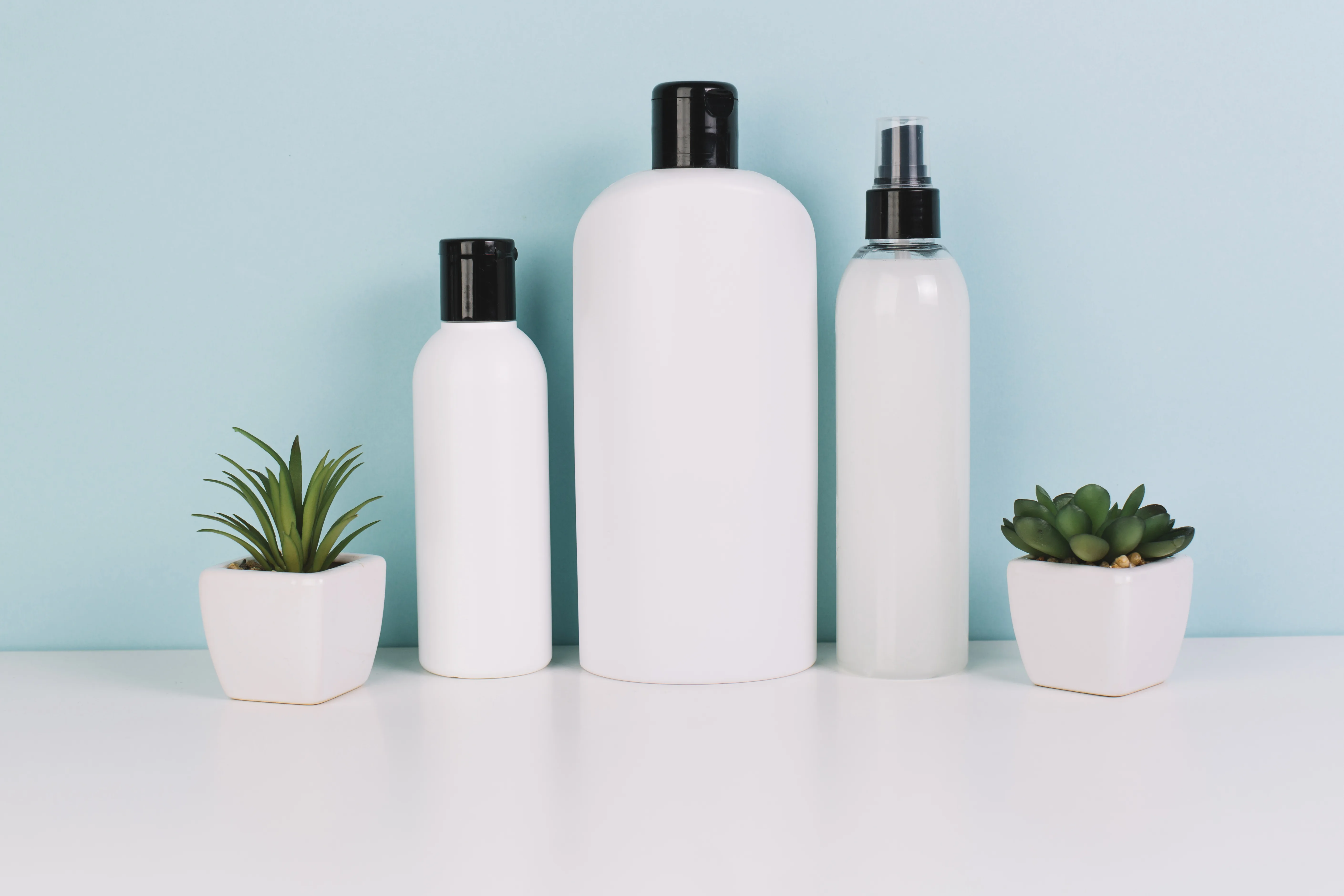
In Japanese beauty salons and drugstores, post-shower hair care rarely ends with a vigorous towel rub and immediate exposure to hot dryer airflow. Instead, one indispensable product stands beside nearly every bathroom mirror: leave-in hair milk (hea miruku).
While hair oils remain popular worldwide for surface gloss and sealing, Japanese hair care specialists have long championed emulsion-based hair milk as the foundational first layer of daily heat protection. When applied to damp, towel-blotted hair, hair milk distributes lightweight moisture deep into dehydrated cuticles before heat styling begins.
Why do Japanese routines insist on emulsion milk prior to blow drying, and how does this simple habit prevent daily heat roughness? Just as natural aging and daily thermal friction gradually wear down lipid integrity,[1] unmitigated dryer heat leaches water molecules from fragile strands. Here is a scientific breakdown of Japanese pre-blowout hair milk rituals, how milk differs from oil, and how to master the technique at home.
The Thermal Moisture Paradox: Why Japanese Hair Care Prioritizes Emulsions
Blow drying is essential for hair health because lingering scalp dampness encourages fungal overgrowth and leaves wet, swollen cuticles vulnerable to friction. However, hot dryer air (typically 80°C to 100°C) presents an obvious thermodynamic challenge: rapid water evaporation.
When bare, unconditioned wet hair meets concentrated hot air:
Flash Dehydration: Water inside the hair cortex boils and vaporizes too swiftly, leaving the protein matrix porous, rigid, and prone to breakage.
Cuticle Warping: Uneven surface desiccation causes delicate cuticle scales to lift and curl outward, resulting in persistent frizz and tangles.
Loss of Suppleness: Thermal exposure without protective humectants strips natural moisture levels, creating the stiff texture known in Japan as pasatsuki (dry roughness).
Hair milk resolves this thermal dilemma through its unique oil-in-water (O/W) emulsion architecture. The outer water phase delivers humectants (such as glycerin, amino acids, and hyaluronic acid) directly into thirsty fibers, while microscopic lipid droplets create a breathable cushion that slows down moisture evaporation. As the blow dryer warms the hair, the milk absorbs the initial heat impact, preserving internal hydration and leaving lengths pliable.
Hair Milk vs. Hair Oil: Matching Formulation to Cuticle Physiology
A common question among those exploring Japanese hair rituals is whether to choose hair milk or hair oil (hea oiru). While both belong to the category of leave-in conditioning (auto-basu toritomento), they serve fundamentally different physiological purposes.
Step 2 (External Shielding): Lightly layer one to two drops of hair oil over the very tips of the hair to seal cuticles before blow drying, locking in the milk's water content.
This layering ensures that damp strands receive balanced nourishment: internal softness from milk plus outer thermal resistance from oil.
Step-by-Step Japanese Heat Care Application Ritual
Executing the Japanese hair milk ritual properly ensures uniform coverage without scalp greasiness or weighed-down roots.
Before dispensing any product, gently press excess water out of your hair using a clean cotton or microfiber towel. Never vigorously rub hair, as friction lifts delicate wet cuticles. Hair should be damp and pliable, but not dripping wet.
2. Measure the Proper Dosage
Dispense the appropriate amount into your palm:
Short to Chin-Length: 1 pump (dime-sized)
Medium / Shoulder-Length: 1.5 to 2 pumps (nickel-sized)
Long / Thick Hair: 2 to 3 pumps (quarter-sized)
Rub palms and fingertips together to warm the emulsion, ensuring even distribution across your hands.
3. Apply From Mid-Lengths to Tips
Begin application at the ends—where thermal wear and dehydration are most severe. Gently smooth the milk through the hair using your fingers like a wide rake. Gradually work upward toward the mid-lengths.
[!IMPORTANT]
Keep leave-in hair milk at least 5 to 7 centimeters away from the scalp. Applying rich emulsions directly to roots can congest hair follicles and flatten natural crown volume.
4. Distribute With a Wide-Tooth Comb
Gently pass a wide-tooth detangling comb through the hair from ends upward. This step breaks up product clumps, ensuring that every strand receives a microscopic protective coating before hot air exposure.
5. Blow Drying: Warm Roots First, Finish With Cool Air
Position your dryer nozzle pointed downward along the direction of cuticle growth:
Dry the roots and scalp area first using warm, gentle airflow.
Transition to mid-lengths and ends, drying down the hair shaft.
Once hair is approximately 90% dry, switch to the cold shot button for 30 seconds. Cool airflow instantly sets the cuticle scales flat, locking in shine and suppleness.
Functional Ingredients to Seek in Japanese Formulations
Japanese hair milk formulations emphasize functional biomimetic ingredients designed to integrate smoothly with hair keratin:
Hydrolyzed Silk and Keratin: Small-molecule protein fragments that bond temporarily to surface fissures, smoothing jagged cuticles.
Ceramide NP / AP / EOP: Natural intercellular lipids that reinforce hair fiber moisture retention.
Gamma-Docosalactone (Eru-Karakuton): A plant-derived heat-activated compound derived from rapeseed. When activated by blow dryer warmth, it forms a protective bond with hair amino groups, enhancing long-term smoothness.
Camellia Japonica Seed Oil (Tsubaki-abura): A traditional Japanese botanical lipid rich in oleic acid that delivers lightweight nourishment without heavy residue.
Prominent, widely accessible Japanese drugstore and salon staples include the fragrance-free Orbis Essence in Hair Milk, the salon-grade Milbon Elujuda Emulsion, and nourishing formulas from Diane Perfect Beauty.
Signs to Stop and When to See a Doctor
While hair milk is formulated for gentle cosmetic conditioning along hair shafts, improper usage or individual sensitivities can trigger scalp reactions.
Because contact dermatitis remains a frequent scalp concern evaluated by dermatologists,[2] immediately rinse your hair and scalp with lukewarm water if you experience itching, burning, redness, or follicular bumps around your hairline, neck, or ears. Discontinue use of the product if irritation persists.
When spending extended hours outdoors in direct sunlight, remember that diligent daily sunscreen defense remains vital for exposed scalp borders[3] and parting lines, as thermal hair milks do not offer UV radiation filtering unless explicitly formulated with certified UV broad-spectrum filters. If you notice unusual persistent scalp scaling, patchy shedding, or severe inflammation, consult a certified dermatologist for professional clinical assessment.
FAQ
Q1. Can Japanese hair milk be applied to dry hair in the morning?
A. Yes, hair milk works wonderfully on dry hair to smooth morning bedhead and flyaways.(Details)
While hair milk is designed primarily for damp hair before blow drying, a small half-pump smoothed over dry ends in the morning instantly restores suppleness, calms sleep-induced friction, and prepares hair for gentle brushing or light heat styling.
Q2. Is hair milk suitable for very fine, limp hair?
A. Yes, fine hair often responds better to lightweight milk than heavy botanical oils.(Details)
Because hair milk contains an emulsion base of water and light humectants, it hydrates fine strands from within without leaving the greasy, weighed-down film that pure oils can cause. Simply limit application strictly to the bottom third of the hair.
Q3. How does gamma-docosalactone react with blow dryer heat?
A. Gamma-docosalactone utilizes blow dryer heat to form temporary bonds with hair proteins.(Details)
Known in Japan as *eru-karakuton*, this botanical derivative undergoes a reaction under hairdryer warmth (around 60°C or higher) that helps it align with hair keratin, smoothing cuticle edges and providing lingering frizz resistance through subsequent wash cycles.
Q4. Should I use hair milk before or after blow drying?
A. Hair milk should always be applied before blow drying on towel-damp hair.(Details)
Applying milk while hair retains moisture allows humectants to reach within the swollen cortex and cushions strands against rapid thermal evaporation. Applying it only after blow drying reduces its internal hydrating efficiency.
Q5. Can I use hair milk if I let my hair air-dry naturally?
A. Yes, hair milk still delivers excellent moisture replenishment during air drying.(Details)
Even without heat activation, the humectants and ceramides in hair milk soften the cuticle layer and prevent coarse friction while damp strands dry at room temperature, making it a versatile leave-in conditioner for low-maintenance routines.
Disclaimer: This article is for general information and education about Japanese cosmetics and their labels. It is not a substitute for professional medical advice, diagnosis, or treatment. Skincare results vary from person to person. Product formulas, availability, prices, and regulations change, and products sold in Japan can differ from versions sold elsewhere, so always check the current label. Do a patch test before introducing a new product, and consult a doctor or dermatologist if you have a skin condition or specific concerns.