Japanese Head Spa Waterfall and Halo Water Therapy Guide
RoutinesBy Seibun Lab Editorial Team
title: Japanese Head Spa Waterfall and Halo Water Therapy Guide
slug: japanese-head-spa-waterfall-halo-water-therapy
category: routines
published_at: '2026-11-27'
updated_at: '2026-11-27'
meta_description: Discover why Japanese head spa halo water therapy (toshinyoku) went viral. Learn the carbonated scalp detox science and parasympathetic calming rituals.
keywords:
japanese head spa waterfall halo water therapy
toshinyoku head bath japan
viral japanese head spa water halo
carbonated scalp spa takara belmont
japanese scalp relaxation treatment
author: Seibun Lab Editorial Team
Japanese Head Spa Waterfall and Halo Water Therapy Guide
Across TikTok, Instagram Reels, and YouTube, short videos of a serene beauty ritual in Tokyo have amassed tens of millions of views: a client reclines in a dimly lit salon while an arched metal halo cascades a smooth, curtain-like waterfall of warm water over their hairline, as the back of the head rests submerged in a steaming bath.
Known in Japan as tōshinyoku (literally "head immersion bathing"), this halo waterfall therapy represents one of the most sought-after salon wellness experiences in modern Japanese haircare. Pioneered by professional salon equipment innovators such as Takara Belmont, the ritual is far more than mesmerizing ASMR video material.
Supporting natural barrier resilience and moisture retention across cranial skin requires gentle thermal stimulation without mechanical trauma.[1] Here is the physiological and biophysical science behind Japanese waterfall head spas, how carbonated water clarifies follicular buildup, and why this soothing water ring calms the autonomic nervous system.
What Is Toshinyoku? The Engineering of the Halo Waterfall
Traditional salon shampoos rely on manual water sprays and vigorous finger scrubbing. While effective, aggressive rubbing can pull on hair shafts and irritate delicate scalp tissue. Tōshinyoku completely re-imagines the hair basin into a hydrotherapy sanctuary:
1. The Immersion Basin (Head Bath)
The stylist places a specialized silicone stopper in the shampoo bowl, allowing warm water to pool around the occipital bone and nape. The entire back of the head and hair mass remain completely submerged in a temperature-controlled bath (typically 38°C to 40°C).
2. The Semicircular Halo Fixture
An arched metallic manifold is positioned directly above the client's forehead. Fed by a high-efficiency pump, dozens of micro-apertures release a continuous, low-pressure sheet of water that envelops the frontal hairline and temples.
3. Acoustic Resonance and Alpha Wave Entrainment
The falling water creates a gentle, rhythmic sound that echoes softly within the basin. Clinical trials conducted by Japanese salon researchers revealed that this continuous aquatic white noise shifts brainwave patterns from alert beta waves into restorative alpha and theta states within three minutes of activation.
Scroll horizontally to view full comparison
Scalp Cleansing Method
Sebum Dissolution Mechanism
Mechanical Friction Index
Nervous System Response
Waterfall Head Spa (*Tōshinyoku*)
Continuous thermal & carbonated flow
Zero (Completely hands-free hydro-flow)
Deep parasympathetic relaxation
Traditional Salon Shampoo
Surfactant lather & finger pads
Moderate (Requires manual circular scrubbing)
Refreshing, alertness stimulation
At-Home Scalp Scrub
Salt/sugar physical granules
High (Physical abrasive friction on follicles)
Invigorating, potential irritation risk
Astringent Clarifying Rinse
High surfactant / acidic chemical rinse
Low to Moderate (Rinse-and-strip action)
Neutral, can cause scalp dryness
The Scalp Science: Thermal Circulation and Carbonated Water Cleansing
The profound clarifying efficiency of tōshinyoku relies heavily on the integration of carbonated water (tansansui):
1. High-Concentration Dissolved CO2
Japanese head spas infuse the waterfall stream with compressed carbon dioxide gas at concentrations exceeding 1,000 ppm:
The Bohr Effect: When dissolved carbon dioxide molecules contact the scalp, they absorb into the upper dermis. The local vascular system interprets this temporary CO2 rise as oxygen depletion, causing micro-capillaries to dilate immediately.
Enhanced Micro-Circulation: Blood flow around dormant hair follicles increases dramatically, delivering fresh oxygen and nutrients to cranial tissue.
2. Zero-Friction Sebum Emulsification
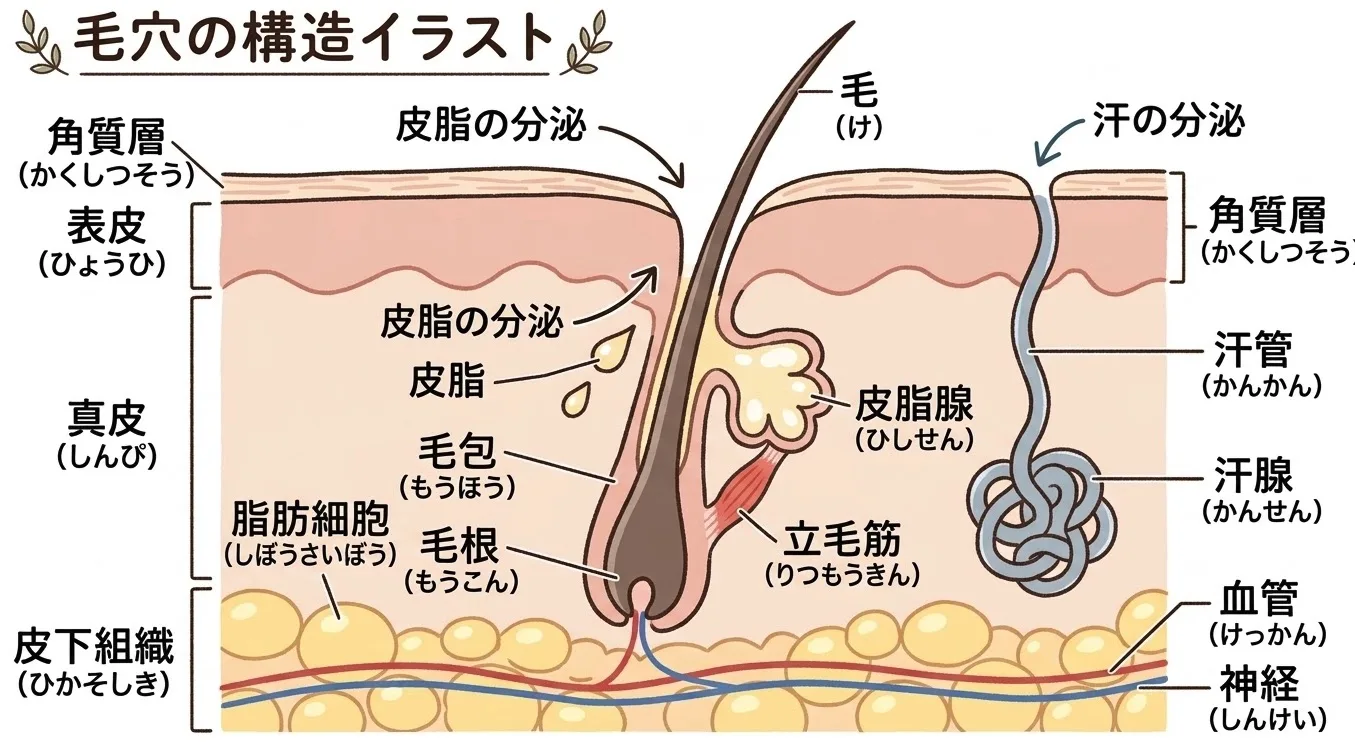
Oxidized sebum trapped around follicular funnels (kakusen) consists of hardened lipids and dead keratinocytes that resist plain water. The effervescent micro-bubbles of carbonated water gently break the surface tension, liquefying and lifting stubborn grease without requiring aggressive fingernail clawing.
3. Cuticle Acidification (pH 4.5 to 5.5)
Tap water is slightly alkaline, which can cause hair cuticles to swell. Carbonated water maintains a natural acidic pH of 4.5 to 5.5. As the waterfall cascades through the hair fibers, it gently tightens the cuticle scales, neutralizing chemical residues from salon hair dyes and leaving strands remarkably glossy and silky.
Neurological Reset: Soothing the Autonomic Nervous System
Beyond scalp hygiene, the primary allure of the Japanese waterfall head spa is its neurological impact:
The Frontal Nerve Confluence: The hairline and forehead harbor a dense network of sensory branches from the trigeminal and vagus nerves. The constant, warm pressure of falling water gently massages these nerve endings.
Parasympathetic Shift: Under chronic modern stress, the sympathetic "fight-or-flight" nervous system remains chronically activated, causing scalp tension, restricted cranial blood flow, and sleep disturbances. Five minutes of tōshinyoku triggers a dramatic release of parasympathetic tone, slowing heart rate and inducing profound mental calm.
Tension Headache Relief: The combination of warm occipital immersion and frontal hydro-pressure releases tightness in the galea aponeurotica (the fibrous sheet spanning the top of the skull), relieving eye strain and neck stiffness.
Step-by-Step Salon Protocol: What to Expect
An authentic Japanese head spa experience typically encompasses a comprehensive 60-to-90-minute ritual:
Microscopic Scalp Consultation: The aesthetician uses a 200x digital trichoscope to examine sebum buildup, follicular congestion, and scalp redness.
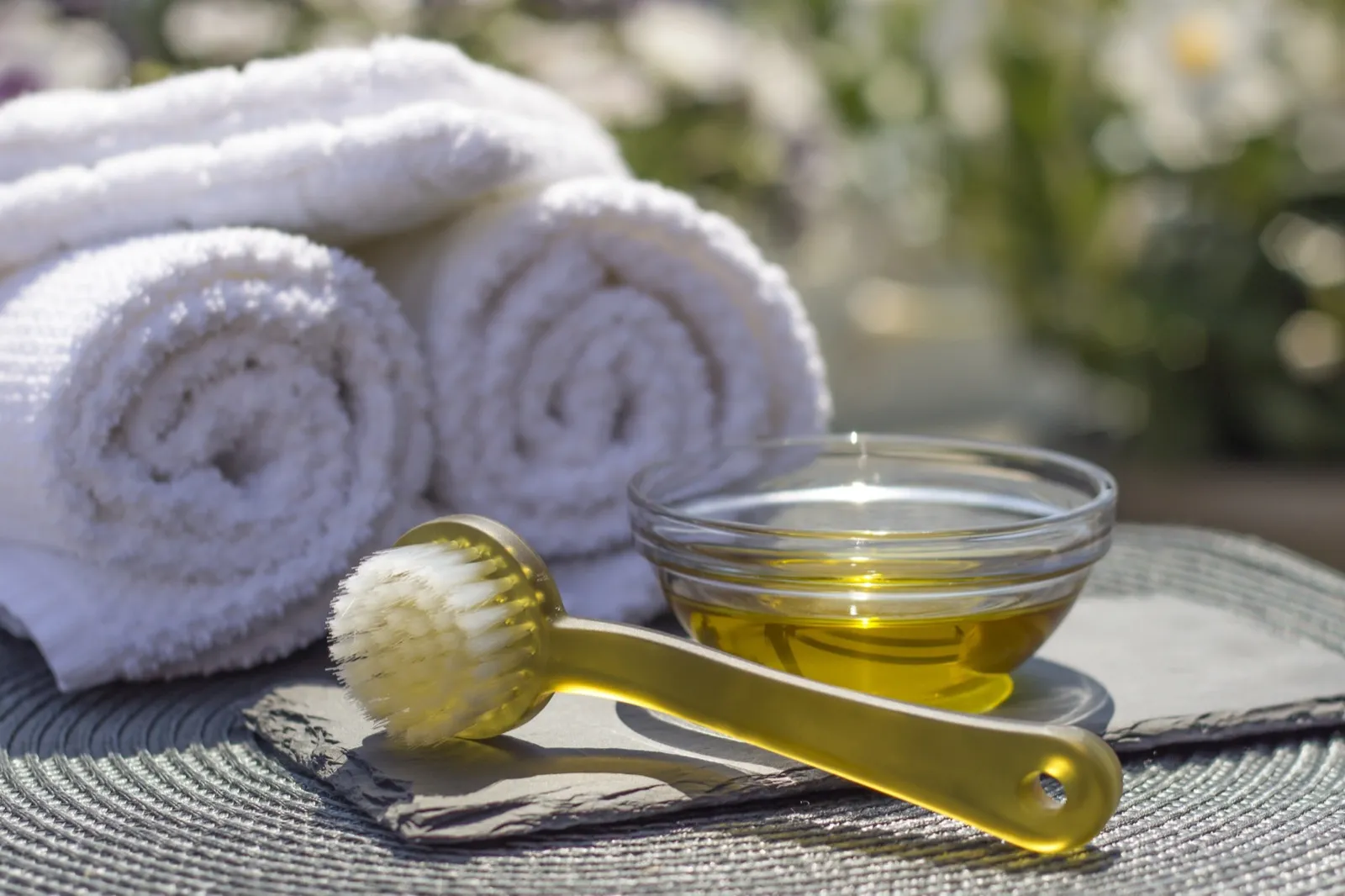
Pre-Cleansing Oil Massage: A lightweight botanical oil is smoothed over the scalp with gentle Shiatsu finger pressure to soften hardened sebum.
The Toshinyoku Waterfall (5 to 7 Minutes): The halo fixture is activated, enveloping the client in warm, carbonated cascading water and rhythmic acoustics.
Deep Shiatsu Cranial Massage: Using rich, foaming amino acid shampoo, the therapist works through pressure points along the crown, temples, and occipital ridge.
Conditioning Scalp Essence: After rinsing, a hydrating, cooling botanical lotion is misted onto the clean scalp, followed by gentle blow-drying.
Signs to Stop and When to See a Doctor
While gentle hydrotherapy is exceptionally safe, underlying dermatological conditions require clinical guidance.
Watch for these warning signs:
Immediate scalp stinging, throbbing, or intense burning when exposed to warm water or salon tonics.
Persistent flaking, yellow crusts, or severe itching indicative of seborrheic dermatitis.
Localized hair shedding or sudden bald patches (alopecia areata).
Discontinue use immediately and consult a medical professional if adverse contact dermatitis or scalp-cleansing irritation develops.[2] If your scalp exhibits chronic inflammation or painful pustules, avoid salon head spas and seek an evaluation from a board-certified dermatologist.
FAQ
Q1. Can I recreate the waterfall halo head spa at home?
A. While the exact halo fixture requires salon plumbing, you can replicate key elements at home.(Details)
You can purchase carbonated effervescent bath tablets designed for hair washing, dissolve them in a warm basin, and gently ladle the water over your hairline while soaking in the bath. Pairing this with a soft silicone scalp brush and slow palm pressing delivers comparable relaxation and clarifying benefits.
Q2. Is toshinyoku safe for color-treated or lightened hair?
A. Yes, slightly acidic carbonated water actually helps preserve fresh salon hair color.(Details)
Post-color salon hair often retains residual alkaline agents that degrade hair protein over time. The mildly acidic pH (4.5 to 5.5) of carbonated water neutralizes alkaline residues and closes the cuticle scales, locking in dye pigments and enhancing color longevity.
Q3. How often should someone get a waterfall head spa?
A. Once every four to six weeks is the ideal frequency aligned with the scalp's renewal cycle.(Details)
The epidermal turnover cycle of the scalp spans approximately 28 days. Scheduling a professional waterfall head spa once a month keeps follicular openings clear of oxidized sebum while providing consistent autonomic nervous system relaxation.
Q4. Will head spa water therapy help with hair thinning?
A. It supports an optimal scalp environment but does not replace medical solutions.(Details)
By clearing clogged sebum and stimulating micro-capillary circulation, head spas create healthier conditions for hair growth. However, genetic androgenetic alopecia is driven by DHT hormones; head spas support overall hair wellness but cannot substitute for proven medical topicals.
Q5. What should I do if my scalp feels dry or itchy after a head spa?
A. Apply a gentle, alcohol-free scalp lotion containing ceramides or hyaluronic acid.(Details)
Just like facial skin, cranial skin requires moisture replenishment after deep cleansing. If water was too warm or your scalp was stripped of natural oils, spray a hydrating scalp essence directly onto the roots and massage gently with clean fingertips.
Summary and Key Takeaways
The viral sensation of the Japanese waterfall halo head spa (tōshinyoku) is underpinned by sound cosmetic science and mindful Japanese hospitality:
Hydro-Acoustic Sanctuary: Continuous cascading warm water induces deep parasympathetic nervous system calm.
Circulation Stimulation: Dissolved CO2 triggers micro-capillary dilation, nourishing the hair root matrix.
pH Neutralization: Naturally tightens hair cuticles, enhancing shine and preserving salon color.
Daytime UV Defense: Complement your scalp care regimen by shielding hair partings and facial contours with broad-spectrum daily sunscreen defense.[3]
By transforming routine hair washing into an immersive sensory therapy, Japanese head spas provide a rejuvenating escape that nurtures both healthy hair and a peaceful mind.
Disclaimer: This article is for general information and education about Japanese cosmetics and their labels. It is not a substitute for professional medical advice, diagnosis, or treatment. Skincare results vary from person to person. Product formulas, availability, prices, and regulations change, and products sold in Japan can differ from versions sold elsewhere, so always check the current label. Do a patch test before introducing a new product, and consult a doctor or dermatologist if you have a skin condition or specific concerns.