Japanese Heated Sonic Facial Cleansing Brush Guide
RoutinesBy Miho Tanaka
title: Japanese Heated Sonic Facial Cleansing Brush Guide
slug: japanese-heated-facial-cleansing-brush-sonic
category: routines
published_at: 2026-11-28
updated_at: 2026-11-28
meta_description: Discover Japanese heated sonic facial brushes. Learn thermal pore softening, acoustic vibration tips, and barrier limits to avoid over-cleansing.
keywords: japanese heated cleansing brush, sonic facial brush, thermal cleansing device, pore care brush, barrier safe cleansing
author: Editorial Team
Japanese Heated Sonic Facial Cleansing Brush Guide
High-tech facial cleansing devices have become popular worldwide, but Japanese engineering approaches power cleansing with distinct caution: minimizing mechanical friction while maximizing thermal comfort. Rather than harsh oscillating nylon bristles that scratch the stratum corneum, modern Japanese heated sonic cleansing brushes combine gentle silicone micro-nodes with mild warmth (typically 38 to 42 degrees Celsius) and high-frequency acoustic pulsation. This pairing softens stubborn sebum without aggressive scrubbing.
Quick answer: A Japanese heated sonic facial brush uses gentle thermal warming to liquefy hardened sebum plugs while acoustic micro-vibrations dislodge pore impurities into a dense foam cushion. To prevent epidermal barrier impairment, usage should be restricted to once or twice weekly for no longer than 60 seconds total, letting the tool skate weightlessly over skin without downward pressure.
Thermal Acoustic Engineering in Japanese Beauty Devices
In Japanese dermatological thinking, friction (masatsu) is regarded as a primary trigger for barrier disruption, hyperpigmentation, and premature skin roughness. Early mechanical cleansing brushes faced criticism among Japanese estheticians because rotating nylon bristles stripped away essential intercellular lipids like ceramides.
Modern Japanese beauty appliance designers re-engineered the category around two non-abrasive physical mechanisms:
Controlled Thermal Softening: Human sebum solidifies at lower temperatures into waxy keratin plugs within pore funnels. Applying gentle thermal heat (around 40 degrees Celsius) naturally softens oxidized lipids, facilitating effortless clearance without mechanical force.
Acoustic Sonic Pulsation: High-frequency sonic sound waves (typically 8,000 to 12,000 vibrations per minute) transmit through flexible silicone touch-points. These micro-pulses agitate water and cleanser foam into tiny cavitation bubbles that lift debris out of pore recesses.
Constructed from non-porous, quick-drying silicone, these waterproof devices prevent mold formation while providing a soothing facial spa ritual.
Device Comparison: Heated Sonic Brush vs Traditional Bristles vs Manual Washing
Understanding the engineering differences helps you decide if a heated sonic brush aligns with your skin tolerance.
Scroll horizontally to view full table
Feature
Japanese Heated Sonic Silicone Brush
Traditional Rotating Nylon Brush
Manual Foam Cushion Washing
Cleansing Mechanism
Sonic acoustic pulses + 40°C thermal warming
360-degree rotating or oscillating bristles
Manual lather bubbles pressed with palms
Contact Surface
Ultra-soft rounded silicone micro-nodes
Stiff synthetic nylon filaments
Hands and fingertips cushioned by foam
Sebum Liquefaction
High (thermal heat softens stubborn lipids)
Low (relies purely on mechanical abrasion)
Moderate (uses lukewarm tap water warmth)
Friction Risk
Low (glides over thick lather without dragging)
High (can abrade and scratch delicate skin)
Extremely low (no device contact)
Hygiene & Drying
Non-porous silicone; dries in minutes
Dense nylon bristle core traps moisture/mold
Zero device maintenance required
Usage Frequency
1 to 2 times weekly (targeted pore care)
1 to 2 times weekly (often too harsh)
Twice daily (morning and evening routine)
Thermal Safety Standards in Japanese Devices
Japanese electrical beauty appliances comply with stringent domestic safety guidelines. Built-in PTC thermistors and automatic shut-off timers ensure that thermal plates do not exceed 42 degrees Celsius, preventing low-temperature thermal burns while effectively warming congested T-zone areas.
Critical Warning: Preventing Barrier Impairment from Overuse
While the sensation of thermal sonic cleansing is deeply relaxing, excessive device use poses significant risks to the epidermal moisture barrier:
Over-Exfoliation Hazard: Daily acoustic vibration removes not only oxidized sebum but also immature corneocytes and essential barrier ceramides.
Increased Transepidermal Water Loss (TEWL): When the stratum corneum is stripped thin by frequent device sessions, moisture rapidly evaporates, triggering rebound oiliness, tautness, and stinging sensations.
Micro-Capillary Dilation: Prolonged heat and vibration over fragile cheek contours can exacerbate redness in rosacea-prone or reactive skin.
Because microvascular nutrient delivery and dermal moisture capacity naturally decline across biological aging transitions, abundant botanical extracts provide essential barrier hydration support.[1] In parallel skincare practices, conducting patch tests avoids provoking contact dermatitis across reactive epidermal barriers.[2] Furthermore, daily cosmetic lotions cannot substitute for broad-spectrum sunscreens recommended for long-term health.[3]
Guidelines for Safe At-Home Heated Sonic Cleansing
Adopt these mindful habits to achieve clean pores without compromising barrier defenses:
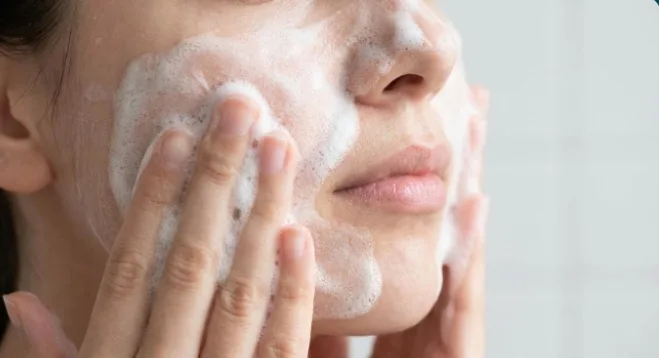
Lather Cleanser into Thick Foam First: Always whip your foaming face wash into a dense cushion before applying the device. The device should never touch bare, unlathered skin.
Never Press Downward: Rest the silicone touch-points lightly against the lather. Do not push the device into the skin; let the acoustic vibrations do the work.
Strict 60-Second Time Limit: Divide your cleansing time deliberately: 20 seconds on the nose and chin, 20 seconds on the forehead, and only 10 seconds per cheek. Built-in smart timers will pulse to signal when to move to the next zone.
Cap Frequency at Once or Twice Weekly: Regard heated sonic cleansing as a weekly clarifying ritual, not an everyday habit. Everyday cleansing is ideally performed with gentle manual foam washing.
Rinse and Store in Well-Ventilated Air: Rinse the silicone head under running water, wipe dry with a soft cloth, and store on its charging cradle in a dry bedroom rather than inside a steamy shower stall.
Signs to Stop and When to See a Doctor
Discontinue power device cleansing immediately and consult a board-certified dermatologist if you experience:
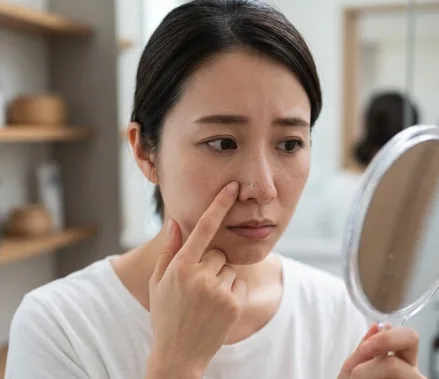
Persistent facial redness, burning, or tingling upon applying gentle watery toners (clear signs of an impaired barrier)
Tight, shiny, paper-thin skin texture accompanied by flaking or raw sensitivity
Eruptions of small red papules or perioral dermatitis along the jawline and mouth corners
Broken facial capillaries (telangiectasia) around the nose wings or cheeks
Dermatologists can recommend barrier-repairing topical moisturizers and advise whether your skin barrier requires a complete break from mechanical devices.
FAQ
Q1. Can I use a heated sonic cleansing brush every day?
A. No, limit usage to once or twice a week to avoid stripping your skin barrier. (Details)
Daily use of sonic vibrations and thermal heat depletes natural intercellular lipids and thins the protective stratum corneum. For everyday maintenance, rely on gentle manual lather cleansing, reserving the heated sonic tool for a weekly pore-clearing session.
Q2. How does thermal heat benefit pore cleansing?
A. Mild warmth softens hardened sebum plugs, making debris easier to dislodge. (Details)
Sebum solidifies in cool room air into dense plugs. Warming the skin gently to approximately 40 degrees Celsius liquefies viscous lipid components, allowing sonic pulsations to wash them away without aggressive mechanical squeezing or harsh scrubbing.
Q3. Can people with acne-prone skin use sonic cleansing brushes?
A. Use caution and avoid running the vibrating head over active pustules or cysts. (Details)
While sonic brushes help clear non-inflamed blackheads and whiteheads on the T-zone, running a vibrating device over inflamed acne papules can rupture lesion walls and spread bacteria. Keep the tool strictly focused on congested areas without active inflammation.
Q4. What type of cleanser pairs optimally with heated sonic devices?
A. Rich, foaming cream or gel cleansers that generate dense micro-bubbles. (Details)
Avoid cleansing oils or gritty exfoliating scrubs, as abrasive beads can damage the silicone nodes and cause severe micro-scratches on the skin. A rich amino acid foaming wash provides the ideal protective cushion between the silicone nodes and your epidermis.
Q5. How should I sanitize my silicone cleansing device?
A. Wash thoroughly with gentle soap, rinse, and dry completely after each use. (Details)
Because medical-grade silicone is non-porous, it naturally resists microbial growth. Rinse the head thoroughly with warm water, wash with mild soap to remove cleanser residue, pat dry with a clean towel, and charge in a dry, ventilated room.
Summary
Japanese heated sonic facial cleansing brushes represent a sophisticated marriage of thermal lipid softening and gentle acoustic vibration. By replacing abrasive bristle friction with temperature-assisted micro-pulsations, these devices deliver clear, refreshed pores with minimal mechanical strain. By respecting strict usage limits, maintaining a rich foam cushion, and monitoring barrier comfort, you can safely enjoy the clarifying benefits of modern Japanese beauty technology.
Disclaimer: This article is for general information and education about Japanese cosmetics and their labels. It is not a substitute for professional medical advice, diagnosis, or treatment. Skincare results vary from person to person. Product formulas, availability, prices, and regulations change, and products sold in Japan can differ from versions sold elsewhere, so always check the current label. Do a patch test before introducing a new product, and consult a doctor or dermatologist if you have a skin condition or specific concerns.