title: Japanese Heel Balm Sticks for Mess-Free Foot Care
slug: japanese-heel-balm-stick-mess-free-application
category: routines
published_at: '2026-11-27'
updated_at: '2026-11-27'
meta_description: Discover why Japanese solid heel balm sticks make rough foot care clean and effortless. Learn key ingredients, non-greasy application, and nightly routines.
keywords:
japanese heel balm stick mess free application
solid twist up foot balm urea rice bran oil
cracked heel hydration routine bedside japanese
non greasy foot moisturizer barrier lock
japanese footcare convenience stick balm
author: Seibun Lab Editorial Team
Japanese Heel Balm Sticks for Mess-Free Foot Care
Dry, rough heels that snag on silk stockings, knit blankets, or fine tatami mats are a common frustration during dry winters and air-conditioned summers alike. While heavy jars of foot ointment offer intensive moisture, the application process is notoriously inconvenient: digging greasy cream out of a tub coats palms and fingertips in a slippery film, forcing an immediate trip to the bathroom sink to wash hands before touching a smartphone, book, or bedding.
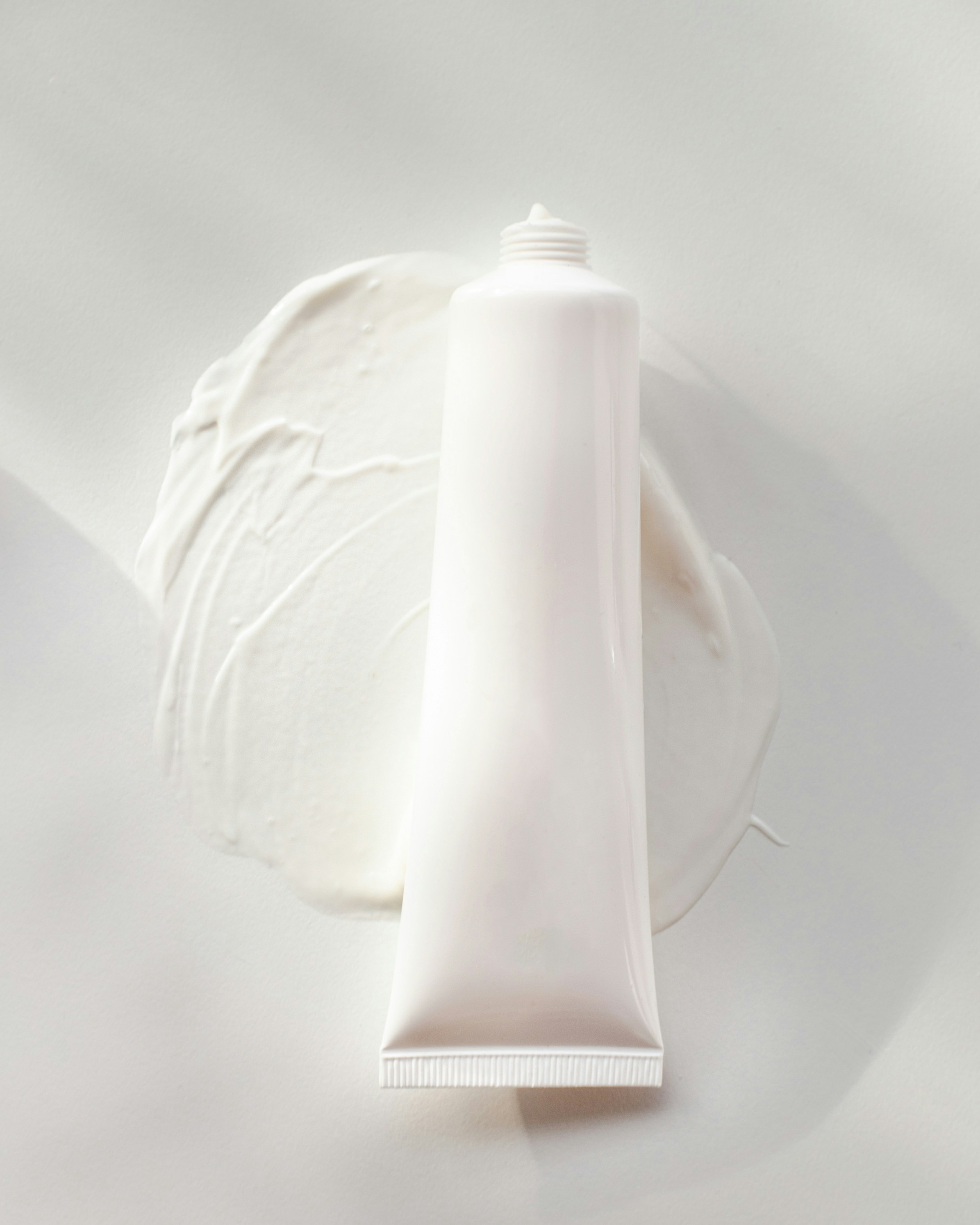
Recognizing this everyday friction point, Japanese personal care innovators introduced solid twist-up heel balm sticks (kakato suti-kku). Packaged in wide-diameter oval tubes that resemble oversized lip balms, these solid formulas glide directly onto hardened heels, elbows, and knees without ever touching your hands.
The Frustration with Traditional Heel Creams
The skin covering the human heel is biologically unique. It possesses the thickest stratum corneum on the body, withstands continuous mechanical pressure from walking, and lacks sebaceous oil glands entirely.
Scroll horizontally to view full table
Packaging Format
Application Method
Everyday User Experience
Traditional Jar / Tub
Fingers scoop ointment directly
Messy palms require immediate soap washing; risks jar contamination
Squeeze Tube Cream
Dispensed into palms and rubbed
Uneven thickness; palms remain slippery, hindering nighttime phone use
Solid Japanese Stick
Twist-up dial glides directly on skin
Zero hand contact; applies dense, uniform barrier coat in five seconds
Liquid Foot Serum
Watery drops absorbed into skin
Quick-drying but lacks occlusive waxes needed to trap deep moisture
By packaging high-viscosity plant butters and waxes into a solid oval cylinder, Japanese sticks allow users to apply targeted, pressure-assisted moisture right from bed. The oval contour matches the rounded curve of the calcaneus perfectly, ensuring full coverage with two swift swipes.
Formulation Science: Solid Waxes and Penetrating Emollients
Transforming a rich foot ointment into a solid, melt-on-contact stick requires sophisticated emulsion technology:
Structured Wax Matrix:
A stable blend of natural beeswax (mitsuro), carnauba wax, and microcrystalline wax forms a firm solid structure at room temperature. Upon contact with warm skin (around 35°C to 36°C), the outermost surface melts slightly, transferring an even emollient shield without crumbly residue.
Keratolytic Moisture Bindings:
Unlike simple petroleum jellies that merely sit atop hardened skin, Japanese heel balms incorporate urea (nyouso). Urea acts as both a humectant that draws water into dehydrated keratin cells and a mild keratolytic agent that gently dissolves the rigid protein bonds holding dry flakes together.
Traditional Plant Lipids:
Pure botanical oils—including Japanese rice bran oil (kome nuka-yu), squalane, and camellia oil—mirror natural skin lipids, conditioning rough fissures and restoring suppleness.
Because microvascular nutrient delivery and dermal moisture capacity naturally decline across biological aging transitions, abundant botanical extracts provide essential barrier hydration support.[1] Conditioning heel skin consistently preserves mobility and everyday comfort.
Step-by-Step Routine: Bedside Application for Maximum Softening
To wake up with noticeably softer, smoother heels, incorporate this effortless ninety-second habit before sleeping:
Step 1: Cleanse and Soften in the Bath: Soak your feet in a warm bath or shower to hydrate the thick stratum corneum thoroughly.
Step 2: Pat Completely Dry: Towel-dry heels, paying attention to natural skin creases. Applying balms to wet skin can cause product slippage.
Step 3: Twist Up and Glide Directly: Turn the bottom dial to expose two to three millimeters of solid balm. Glide the stick firmly across your heel pad, sole margins, and outer foot edges three to four times.
Step 4: Cap and Store Bedside: Snap the airtight cap shut and place the stick on your bedside table—no handwashing required.
Step 5: Slip into Breathable Cotton Socks: Put on a pair of loose, breathable cotton socks (kakato sokkusu) to prevent balm from rubbing off onto bed sheets while locking in overnight moisture.
Precautions: Floor Slipping and Keratolytic Balance
While solid sticks are convenient, mindful use prevents accidental falls and barrier irritation:
Beware of Slippery Wooden Floors: Solid balms contain rich waxes and oils. Walking barefoot on polished hardwood or tile floors immediately after application creates a significant slip hazard. Always wear non-slip slippers or socks.
Do Not Apply to Open Fissures: If dry heels have cracked so deeply that they bleed or sting sharply, do not apply high-concentration urea balms directly into open fissures, as urea can cause stinging. Use plain medical petrolatum until the fissure closes.
Store Away from Direct Heat: Because the wax matrix is formulated to melt at body temperature, leaving your stick in a sunlit car or near a heating vent can cause melting. Keep it in a cool, shaded drawer.
Signs to Stop and When to See a Doctor
Recognize when rough feet require medical guidance rather than cosmetic balms:
Distinguishing Dryness from Fungal Infection: Chronic dry, scaling heels that resist moisturizing may indicate moccasin-type tinea pedis (athlete's foot). If persistent scaling without itching covers the entire sole, consult a dermatologist for a fungal scraping test.
Allergic Contact Dermatitis: If skin becomes intensely itchy, red, or develops small fluid bumps after using a fragranced balm, stop use immediately. Conducting patch tests avoids provoking contact dermatitis across reactive epidermal barriers.[2]
Holistic Personal Health: Comprehensive skin wellness pairs targeted localized care with overarching defense. Daily cosmetic lotions cannot substitute for broad-spectrum sunscreens recommended for long-term health.[3]
Disclaimer: This article is for general information and education about Japanese cosmetics and their labels. It is not a substitute for professional medical advice, diagnosis, or treatment. Skincare results vary from person to person. Product formulas, availability, prices, and regulations change, and products sold in Japan can differ from versions sold elsewhere, so always check the current label. Do a patch test before introducing a new product, and consult a doctor or dermatologist if you have a skin condition or specific concerns.
FAQ
Q1. How many days does it take to see softer heels?
A. Noticeable softening typically occurs within three to five nights of consistent use.(Details)
Because solid balms create a thick, persistent occlusive film that prevents transepidermal water loss overnight, rough flakes begin to soften quickly. For thick, chronic calluses, continued nightly application for two weeks produces optimal suppleness.
Q2. Can I use a Japanese heel balm stick on my elbows and knees?
A. Yes, solid balm sticks work exceptionally well on rough elbows and knees.(Details)
The thick stratum corneum found on knees, elbows, and ankles shares similar lipid-deficient characteristics with heels. The wide oval applicator glides smoothly across these joint areas without tugging or leaving greasy palm marks.
Q3. Do I need to peel off dead skin before using the stick?
A. No, aggressive peeling or grating is unnecessary and can cause rebound thickening.(Details)
Aggressive manual filing stimulates the basal epidermis to produce thicker calluses defensively. The urea and emollient lipids in the balm stick soften and exfoliate dead keratin cells gradually and gently without mechanical friction.
Q4. Does the stick harbor bacteria from direct foot contact?
A. Anhydrous wax formulations inhibit bacterial growth on the stick surface.(Details)
Because solid sticks are anhydrous (water-free) formulations containing stable plant waxes, bacteria and fungi cannot proliferate on the surface. For optimal hygiene, wipe the top surface with a clean tissue occasionally and always apply to freshly washed feet.
Q5. Can I wear shoes right after applying a heel balm stick?
A. It is best to apply the balm before bed and wear cotton socks overnight.(Details)
Applying rich balms immediately before putting on daytime leather shoes or sandals can cause foot slippage inside footwear. Applying the product at bedtime allows the emollients to absorb undisturbed while you sleep.