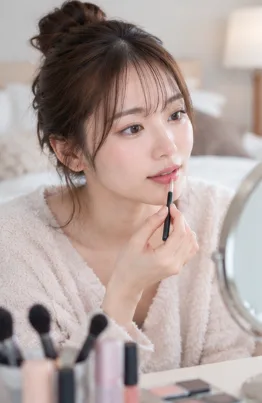
title: Japanese Lip Oil Stain: Glossy Non-Sticky Tint Guide slug: japanese-lip-oil-stain-glossy-non-sticky-tint category: routines category_label: Routines published_at: '2026-11-27' updated_at: '2026-11-27' meta_description: Explore Japanese lip oil stains and non-sticky glossy tints. Learn moisture-barrier sealing, long-wear dye tech, and nenmaku lip makeup tips. description: Explore Japanese lip oil stains and non-sticky glossy tints. Learn moisture-barrier sealing, long-wear dye tech, and nenmaku lip makeup tips. lead_image: /images/stock/makeup-lip-application-eyecatch.webp lead_image_alt: Applying Japanese glossy lip oil stain with curved flocking doe-foot applicator thumbnail: /images/stock/makeup-lip-application-eyecatch.webp thumbnail_alt: Applying Japanese glossy lip oil stain with curved flocking doe-foot applicator author: Editorial Team publish: false
Japanese Lip Oil Stain: Glossy Non-Sticky Tint Guide
Lip makeup frequently forces a frustrating trade-off: traditional matte lip tints provide long-lasting color but rapidly dehydrate delicate labial mucosa, causing peeling and painful cracks. Conversely, high-shine lip glosses deliver plumping nourishment but wipe away on the first sip of water, often leaving a gooey, stringy residue that traps windblown hair.
Japanese beauty (J-Beauty) solved this cosmetic paradox through dual-phase lip oil stains (oiru tinto). Grounded in the philosophy of cosmetic subtraction (hikizan meiku), Japanese cosmetic chemists developed oil-in-water hybrid emulsions. Upon contact with lip moisture and body warmth, the formulation separates into two functional tiers: water-soluble dye molecules stain the outermost keratin layers, while a lightweight, non-sticky lipid veil floats to the surface to lock in hydration.
In this clinical guide, we explore the dual-phase chemistry of Japanese lip oil stains, analyze the trending mucous-membrane (nenmaku) aesthetic, outline a five-minute color-fixing method, and review essential labial barrier safety guidelines.

The Dual-Phase Chemistry: How Japanese Lip Oil Stains Achieve Shine Without Stickiness
The innovation behind Japanese oil tints lies in spontaneous phase inversion upon application:
[Phase Inversion Dynamics of Japanese Lip Oil Tints]

In the Tube (Stable Emulsion):
Water/Polyol Base + Soluble Dyes + Micro-Dispersed Botanical Oils + Low-Viscosity Esters

Upon Lip Contact (Spontaneous Separation):
  |
  +---> Lower Phase: Hydrophilic dyes bond chemically with lip keratin (*long-lasting tint*)
  |
  +---> Upper Phase: Squalane and cosmetic esters rise upward (*mirror-like gloss barrier*)
  |
Result: Zero stickiness + high hydration veil + all-day color retention
As biological skin aging naturally diminishes physiological barrier function over time[1], the lips—which possess no sebaceous glands and an extraordinarily thin stratum corneum—suffer accelerated moisture evaporation. Traditional alcohol-based western tints exacerbate this dehydration. Japanese lip oil stains solve this vulnerability by continuously replenishing the lipid barrier while keeping color intact.
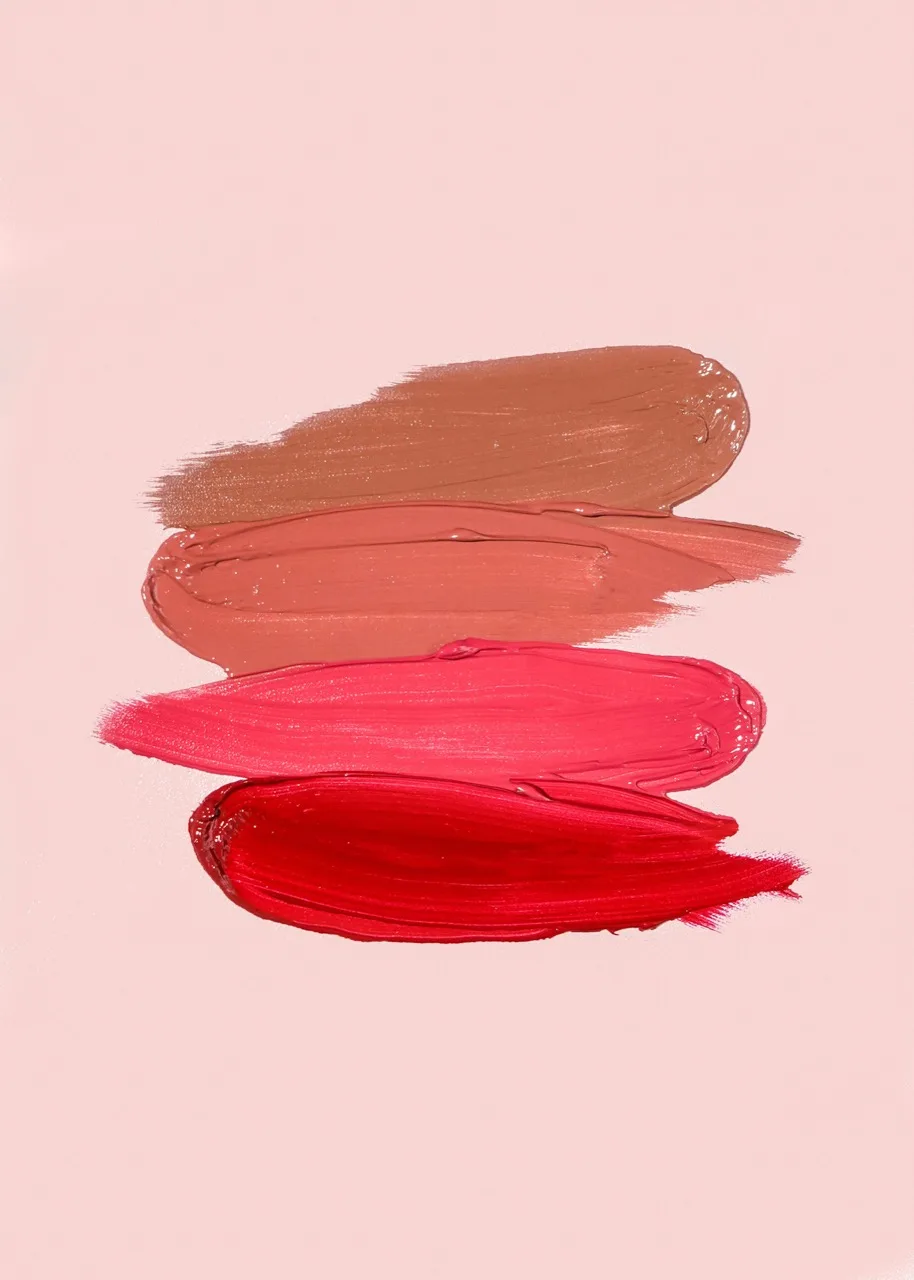
The Mucous-Membrane Color Aesthetic (Nenmaku Rippu)
A major trend in Japanese lip makeup is nenmaku rippu (mucous-membrane lip color)—shades designed to mimic the natural, healthy color of the inner labial mucosa:
Scroll horizontally to view full comparison
| Nenmaku Color Family | Pigment Balance | Natural Complexion Harmony | Visual Lip Aesthetic |
|---|---|---|---|
| Muted Fig / Rose (*Ichijiku*) | Neutral pink-rose with soft mauve undertone | Cool complexions (*buru-be*) | Plump, natural inner-lip flush, understated elegance |
| Warm Apricot Peach (*Anzu*) | Soft coral-orange with beige undertone | Warm complexions (*ie-be*) | Youthful, sunny vitality, healthy capillary glow |
| Cinnamon Nude (*Shinamon*) | Neutral milk-tea brown with rose undertone | Universal (office and professional) | Sophisticated, polished subtraction nude |