Japanese Loose Setting Powder: Baking vs Dusting Guide
RoutinesBy Seibun Lab Editorial Team
title: Japanese Loose Setting Powder: Baking vs Dusting Guide
slug: japanese-loose-setting-powder-baking-vs-dusting
category: routines
category_label: Routines
published_at: '2026-11-27'
updated_at: '2026-11-27'
meta_description: Master Japanese fuwanose dusting with loose setting powder. Compare western baking vs sheer dusting for shine control without chalky cakey makeup.
description: Master Japanese fuwanose dusting with loose setting powder. Compare western baking vs sheer dusting for shine control without chalky cakey makeup.
lead_image: /images/stock/essential-makeup-brushes-and-sheer-application.webp
lead_image_alt: Soft makeup brush applying translucent Japanese loose setting powder
thumbnail: /images/stock/essential-makeup-brushes-and-sheer-application.webp
thumbnail_alt: Soft makeup brush applying translucent Japanese loose setting powder
author: Editorial Team
publish: false
Japanese Loose Setting Powder: Baking vs Dusting Guide
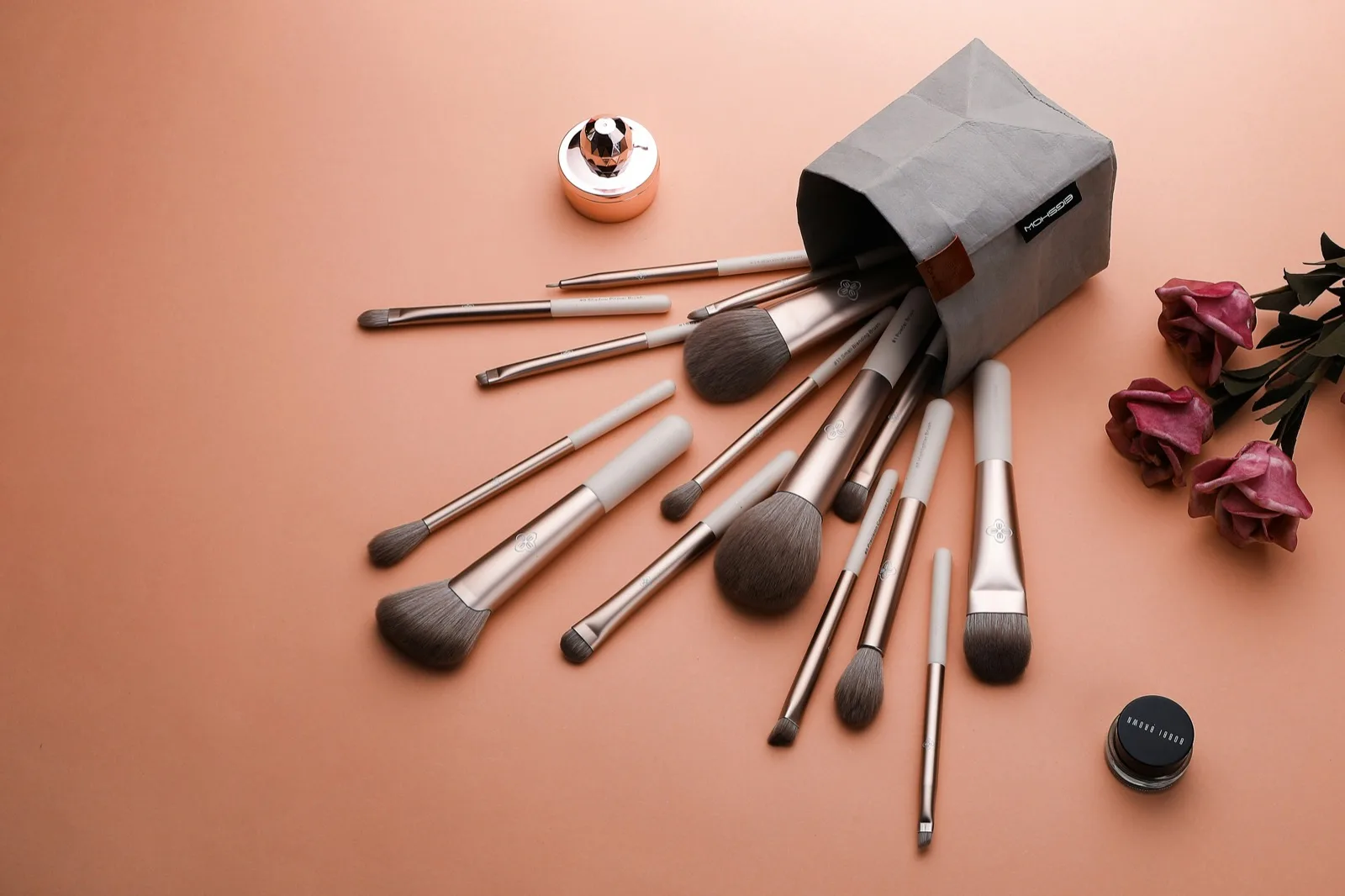
In modern cosmetics, loose setting powder serves as the invisible anchor for liquid foundations and concealers. However, the technique used to apply this finishing layer dramatically alters how skin looks and feels throughout the day. While heavy "baking" gained widespread international popularity through high-glamour digital tutorials, Japanese daily base makeup relies on a distinctly gentle philosophy known as fuwanose—the art of soft, airy dusting.
Rather than blanketing the face in dry starch to lock down makeup with thick opacity, Japanese loose setting powders are engineered with micronized spherical silica, silk powder, and moisturizing squalane coatings. Understanding how to properly dust this ultra-fine veil allows you to preserve hydration, prevent midday caking, and achieve a naturally blurred complexion that stays fresh under varying humidity. As skin aging naturally diminishes physiological barrier function over time[1], adopting gentle, non-stripping finishing methods becomes essential for daily comfort.
Baking vs Japanese Dusting: Core Technique Comparison
To select the right setting strategy for your skin type and climate, consider how baking contrasts with traditional Japanese dusting:
Scroll horizontally to view full comparison
Feature
Western Baking Technique
Japanese Dusting ("Fuwanose")
Primary Objective
Total matte longevity, high contrast highlighting
Natural blur (*toumeikan*), breathable oil control
Powder Volume
Generous, heavy pile left on skin for 3–10 minutes
Microscopic veil rubbed into puff or swept with brush
Application Tool
Damp sponge wedge or dense velour puff pressed firmly
Plush deep-pile puff rubbed together, or large dome brush
Skin Finish
Flat, airbrushed matte that resists studio lights
Soft-focus satin retaining natural skin luster
Dryness Risk
High risk of accentuating dry flakes and crow's feet
Low risk; maintains skin moisture balance
Midday Wear
Can crack or feel taut in low humidity
Gradually melds with sebum to look naturally dewy
Why Japanese Formulations Favor Sheer Dusting
Japanese cosmetics manufacturers formulate loose powders with skin barrier comfort at the forefront. Standard Western baking powders often rely heavily on untreated talc and cornstarch, which rapidly strip surface sebum. In contrast, Japanese loose powders incorporate several specialized ingredient technologies:
Amino Acid and Ceramide Coatings: Individual mica and silica particles are wrapped in plant-derived amino acids or pseudo-ceramides. This prevents the powder granules from directly absorbing moisture from the stratum corneum, avoiding the tight, parched sensation common after traditional setting.
Selective Sebum-Absorbing Beads: Porous spherical silica selectively absorbs fluid excess squalene and fatty acids while leaving heavier epidermal moisture intact. This selective absorption curbs shiny T-zones without producing dry white patches around the cheeks.
Prismatic Light-Diffusing Spheres: Rather than relying on white pigment opacity, Japanese formulations use microscopic translucent glass-like beads that bounce light across texture, creating an optical soft-focus blur that disguises enlarged pores.
The 4-Step Japanese "Fuwanose" Application Routine
Achieving an invisible, cake-free finish requires careful dosage and gentle hand motions. Follow this authentic Japanese salon method:
Step 1: Work Powder Deep into the Puff (Puff Rubbing)
Dispense a small amount of loose powder into the container lid. Press your plush powder puff into the grains, then fold the puff in half and knead it gently between your palms. This forces the micro-particles into the interior fibers rather than leaving loose clumps sitting on the surface.
Step 2: Remove Excess on the Back of the Hand
Tap the puffed velour lightly against the back of your non-dominant hand or a clean tissue. The surface of the puff should look almost bare, with no visible white powder clumps. This step prevents powder overload onto fresh foundation.
Step 3: Gently Press and Roll Over the T-Zone
Begin where natural sebum surfaces first: the sides of the nose, the center of the forehead, and the chin. Press the puff gently against the skin and roll it across pores in a delicate rocking motion. Avoid dragging or swiping, which can displace underlying liquid base.
Step 4: Dust Cheeks with an Airy Finishing Brush
For dry-prone areas like the cheekbones and under-eye zones, take a large, fluffy dome brush, swirl it over the residual powder on the lid, tap off the excess, and lightly sweep in circular downward motions. This diffuses light across fine lines without settling into creases. Because sun exposure and ultraviolet radiation demand diligent daily defense measures[3], always ensure your underlying broad-spectrum sunscreen is fully set before beginning powder dusting.
Signs to Stop and When to See a Doctor
Because contact dermatitis represents a common clinical diagnosis in outpatient dermatology[2], mindful handling is necessary when introducing new facial makeup:
Persistent Stinging or Erythema: If you experience a burning sensation, prickling heat, or contact redness immediately after dusting powder, discontinue use immediately and gently rinse the area with lukewarm water.
Flaking or Barrier Roughness: Over-powdering during cold, arid weather can strip lipid balance. If your skin feels taut or shows localized micro-peeling, reduce powder usage and focus on barrier replenishment.
Consulting a Specialist: When facial redness, hives, or swelling fails to resolve within 24 to 48 hours following cosmetics use, seek a professional evaluation from a certified dermatologist.
FAQ
Q1. Can dry or mature skin types use Japanese loose setting powder?
A. Yes, Japanese amino-acid-coated powders are specifically suited for dry skin.(Details)
Unlike conventional drying powders, Japanese formulas contain coated micro-particles and squalane. Lightly sweeping powder across the T-zone while leaving cheeks sheer prevents tightness and keeps mature skin hydrated.
Q2. Is translucent powder better than tinted loose powder?
A. Translucent powder provides sheer setting without altering foundation undertones.(Details)
Translucent formulas melt invisibly into any skin tone. However, lightly tinted pink or lavender powders can counteract dullness and deliver a brighter, refreshed complexion if desired.
Q3. Why does baking often look cakey in daylight?
A. Baking stacks dense powder layers that trap texture and absorb natural oils.(Details)
While baking photographs smoothly under controlled artificial studio lighting, natural sunlight exposes the thick, powdery accumulation. Japanese dusting relies on translucent optical scattering to look soft under real-world daylight.
Q4. Should I apply loose powder before or after cream blush?
A. Apply cream blush first, then set with sheer loose powder.(Details)
Layering cream products directly over dry powder can create patchy clumps. Applying cream blush to liquid foundation first and dusting a sheer powder veil over top creates a natural, long-lasting flush from within.
Q5. How do I touch up midday shine without adding powder build-up?
A. Blot excess sebum with plain tissue before dusting a minimal amount of powder.(Details)
Never layer powder directly on top of liquid midday sebum, which causes uneven clumping. Gently press oil-blotting paper or soft tissue over shiny spots first, then lightly pat with a well-kneaded puff.
Summary and Key Takeaways
The Japanese fuwanose dusting technique offers an elegant alternative to heavy baking. By kneading micronized, moisturizing loose powder deep into a soft puff and applying it in targeted, featherweight motions, you can secure foundation, control midday oil, and maintain a luminous, breathable complexion throughout the day.
Disclaimer: This article is for general information and education about Japanese cosmetics and their labels. It is not a substitute for professional medical advice, diagnosis, or treatment. Skincare results vary from person to person. Product formulas, availability, prices, and regulations change, and products sold in Japan can differ from versions sold elsewhere, so always check the current label. Do a patch test before introducing a new product, and consult a doctor or dermatologist if you have a skin condition or specific concerns.