title: Japanese Muted Rose Lip Tint MLBB Shades Guide
slug: japanese-muted-rose-lip-tint-mlbb-shades
category: routines
category_label: Routines
published_at: '2026-11-27'
updated_at: '2026-11-27'
meta_description: Explore Japanese muted rose lip tints and nenmaku MLBB shades. Learn natural pigment layering, long-wear moisture formulas, and subtle lip-blurring steps.
description: Explore Japanese muted rose lip tints and nenmaku MLBB shades. Learn natural pigment layering, long-wear moisture formulas, and subtle lip-blurring steps.
lead_image: /images/stock/makeup-lip-application-eyecatch.webp
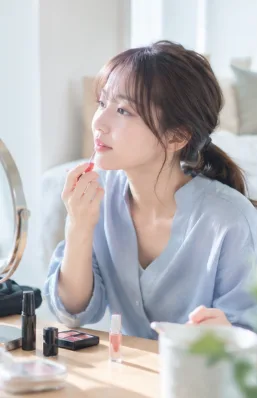
lead_image_alt: Applying delicate Japanese muted rose lip tint for natural MLBB finish
thumbnail: /images/stock/makeup-lip-application-eyecatch.webp
thumbnail_alt: Applying delicate Japanese muted rose lip tint for natural MLBB finish
author: Editorial Team
publish: false
Japanese Muted Rose Lip Tint MLBB Shades Guide
In global makeup trends, full-coverage matte lipsticks and high-contrast liquid stains often demand meticulous lip-lining and frequent touch-ups. In Japan, however, lip aesthetics have centered on a soft, effortlessly sophisticated phenomenon known as nenmaku lip (mucous membrane lip colors) and kusumi rose (muted, dusty rose MLBB tones).
Rather than painting over the mouth with opaque pigments, Japanese muted rose tints are engineered to enhance your inherent lip undertone. Formulated with lightweight oil-in-water emulsions, botanical squalane, and film-forming polymers, these tints deposit a sheer veil of color that stains gently while sealing moisture beneath an elastic, mirror-like gloss that resists mask transfer and dry flaking.
Opaque Matte vs Japanese Muted Rose Tint: Key Differences
Understanding the formulation architecture of Japanese MLBB tints highlights why they wear so comfortably throughout long workdays:
Scroll horizontally to view full comparison
Lip Color Attribute
Heavy Matte Liquid Lipsticks
Japanese Muted Rose Lip Tints
Aesthetic Focus
Bold, graphic, high-saturation color block
Translucent, natural *nenmaku* inner tissue color
Texture on Lips
Dry, velvety-flat, zero-slip film
Bouncy, cushiony, non-sticky oil-gel barrier
Pigment Undertone
Often stark true reds, cool berries, or stark nudes
Dusty rose, fig mauve, and tea-tinted beige
Aging & Line Emphasis
Tends to settle into vertical lip creases
Visually blurs lip lines through light-plumping gloss
Fading Behavior
Crumbles, cracks, or wears off unevenly in center
Fades into an even, natural soft-pink stain
The Cultural Significance of "Nenmaku" (Mucous Membrane) Lip Colors
The explosive popularity of nenmaku lip shades in Japan reflects the core Japanese cosmetic value of hikizan (subtraction makeup). The term refers specifically to the soft, flushed pink-beige hue of inner oral mucosal tissue.
From a physiological perspective, the lips lack sebaceous glands and possess an exceptionally thin stratum corneum. Dermatological studies demonstrate that skin aging naturally diminishes physiological barrier function over time[1], leading to loss of natural vermilion border volume and diminished micro-circulation.
By selecting muted rose pigments that replicate youthful capillary flush—infused with hydrating hyaluronic acid and ceramides—Japanese lip tints restore visual vitality without appearing artificial. The dusty, desaturated (kusumi) undertone prevents the shade from clashing with warm or neutral Asian skin tones, creating a flattering everyday wash of color.
Step-by-Step Application for Long-Lasting MLBB Color
To maximize the longevity and translucency of your Japanese muted rose lip tint, follow this simple layering method:
Hydrate and Blot: Prep lips with a non-waxy lip balm 5 minutes prior to makeup. Blot gently with a tissue so no slick oil remains to block tint adhesion.
Apply to the Center First: Swipe the wand along the inner center of the upper and lower lip, depositing the concentrated pigment at the focal point.
Blend Outward with Fingertip: Softly pat the pigment outward toward the lip borders using your ring finger. Keep the vermilion line blurred rather than crisply outlined.
Wait for Film Formation (Gelling Reaction): Avoid pressing or rubbing your lips together for 60 seconds. Japanese gel-tint technologies require this brief resting window to separate into a color-bonding base layer and a clear protective surface shine.
Layer for Added Depth: For a subtle gradient effect (gradé-lip), apply a second light dab only to the center-most waterline of the bottom lip.
Signs to Stop and When to Consult a Dermatologist
Because the lip vermilion border is sensitive to environmental triggers and cosmetic additives, gentle lip care is crucial:
Signs of Sensitivity: If you experience tingling, cracking, peeling, or persistent burning after using a lip stain, remove the product immediately. Contact dermatitis represents a common clinical diagnosis in outpatient dermatology[2] when synthetic dyes (such as certain Red lake pigments) or synthetic flavors cause cheilitis.
Sun Care Defense: Lips are particularly vulnerable to photoaging and actinic damage; always remember that sun exposure and ultraviolet radiation demand diligent daily defense measures[3] via UV-protective daytime balms.
When to Seek Medical Care: If lip swelling, severe chapping, or fissure formation persists past 48 hours, consult a board-certified dermatologist for clinical evaluation.
FAQ
Q1. Can Japanese muted rose tints be worn on deeply pigmented lips?
A. Yes, choose fig-rose or deep cocoa-rose shades for natural harmony.(Details)
While very pale milky-rose tints can look washed out over pigmented lips, deeper Japanese fig-rose (*ichijiku*) and tea-rose tones harmonize with natural lip melanin, deepening the undertone while adding healthy translucency.
Q2. How long does the stain effect last after eating and drinking?
A. The underlying tint stain typically persists for 4 to 6 hours.(Details)
While the top glossy shine will transfer onto cups or utensils, the micro-pigment stain bonds to surface stratum corneum cells, leaving an even, soft rose flush that remains until evening cleansing.
Q3. Do Japanese lip tints dry out the lips like Western liquid lipsticks?
A. No, Japanese formulations prioritize oil-in-water moisture retention.(Details)
Unlike drying alcohol-based stains, Japanese lip tints utilize squalane, camellia seed oil, and glycerin. They form a flexible hydration shield that keeps delicate lip tissue soft and supple all day.
Q4. Can I apply lip gloss over a Japanese muted rose tint?
A. Yes, but most Japanese tints already feature an integrated gel gloss.(Details)
Because these tints are engineered to produce a self-leveling glass film upon application, an extra clear gloss is usually unnecessary. However, tapping a clear shimmer balm onto the center of the lip adds extra dimension.
Q5. How should I remove a long-wear Japanese lip tint at night?
A. Use a dedicated dual-layer point makeup remover on a cotton pad.(Details)
Soak a soft cotton pad in a gentle biphase oil-water eye and lip makeup remover, press it against closed lips for 10 seconds to dissolve the polymer stain, and gently wipe away without aggressive friction.
Summary and Key Takeaways
Japanese muted rose lip tints capture the essence of everyday elegance through translucent, natural nenmaku tones. By enhancing rather than masking your natural lip color, they deliver long-lasting hydration and subtle refinement that complements minimalist beauty routines effortlessly.
Disclaimer: This article is for general information and education about Japanese cosmetics and their labels. It is not a substitute for professional medical advice, diagnosis, or treatment. Skincare results vary from person to person. Product formulas, availability, prices, and regulations change, and products sold in Japan can differ from versions sold elsewhere, so always check the current label. Do a patch test before introducing a new product, and consult a doctor or dermatologist if you have a skin condition or specific concerns.