Japanese Puppy Eyeliner Guide Downturned Eye Technique
RoutinesBy Seibun Lab Editorial Team
title: Japanese Puppy Eyeliner Guide Downturned Eye Technique
slug: japanese-puppy-eyeliner-downturned-eye-makeup
category: routines
category_label: Routines
published_at: '2026-11-27'
updated_at: '2026-11-27'
meta_description: Learn Japanese puppy eyeliner techniques for soft downturned eyes. Master tare-me angles, soft brown pencil blending, and natural eye-opening methods.
description: Learn Japanese puppy eyeliner techniques for soft downturned eyes. Master tare-me angles, soft brown pencil blending, and natural eye-opening methods.
lead_image: /images/stock/woman-checking-skin-condition-eye-closeup.webp
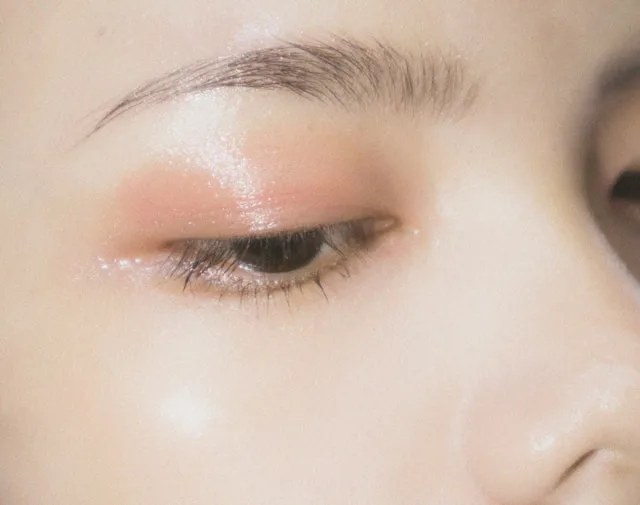
lead_image_alt: Close-up view of delicate eye contour and natural downward-sloping Japanese eyeliner technique
thumbnail: /images/stock/woman-checking-skin-condition-eye-closeup.webp
thumbnail_alt: Close-up view of delicate eye contour and natural downward-sloping Japanese eyeliner technique
author: Editorial Team
publish: false
Japanese Puppy Eyeliner Guide Downturned Eye Technique
In global cosmetic culture, eyeliner is often synonymous with sharp, upward-angled cat eyes designed to lift and sharpen facial features. In Japan, however, eye aesthetics have long favored an entirely different visual balance: the soft, rounded, and endearing tare-me (downturned or puppy eye) look.
Rather than commanding attention with aggressive graphic lines, Japanese puppy eyeliner works in harmony with the natural orbital anatomy of East Asian and hooded eyelids. By following the downward slope of the upper eyelid margin and diffusing pigment into soft shadows, this technique creates an open, gentle gaze (yasashii megane) that aligns naturally with modern minimalist and subtraction makeup (hikizan meiku) principles.
Cat Eye vs Japanese Puppy Eyeliner: Aesthetic Breakdown
Understanding the architectural differences between an upward cat eye and a downward puppy eye helps you decide which technique suits your facial morphology:
Scroll horizontally to view full comparison
Feature
Western Cat Eye (Winged Eyeliner)
Japanese Puppy Eye (*Tare-me* Eyeliner)
Flick Direction
Angled upward toward the tail of the eyebrow
Angled softly downward along upper lash curve
Perceived Mood
Sultry, assertive, glamorous, sharp
Innocent, friendly, relaxed, approachable
Ideal Pigment Tone
Intense carbon black liquid or felt-tip ink
Soft ash brown, milk tea brown, or muted charcoal
Edge Definition
Razor-sharp, opaque graphic perimeter
Softly smudged, graduated shadow transition
Compatibility with Hooded Eyes
Can fold or disappear beneath eyelid hooding
Bypasses hooding creases by staying on the outer lash line
The Anatomy of the Japanese Tare-me Line
The secret to mastering Japanese puppy eyeliner lies in understanding where the natural lash line ends and how far to extend the outer stroke.
Clinical observations in facial dermatology note that skin aging naturally diminishes physiological barrier function over time[1], often leading to delicate skin thinning around the outer eye corners. For this reason, dragging stiff liquid pens across the thin eyelid margin can cause micro-tugging and uneven pigment skips. Japanese beauty routines prioritize buttery gel pencils or ultra-fine liquid pens (0.1mm micro-tips) infused with moisturizing plant waxes that glide effortlessly across eyelid folds.
The key structural rules of tare-me eyeliner include:
Following the Upper Lid Trajectory: Instead of angling upward at the final lash, continue drawing smoothly downward along the natural slant of the upper lid by 2 to 3 millimeters.
Connecting the Outer Triangle (Sankaku-zone): Lightly shade the outer third of the lower lash line with a matching matte shadow, connecting it softly to the upper downward tail to create natural depth without harsh borders.
Maintaining Iris Centricity: Keep the eyeliner line ultra-thin over the center of the pupil so the eye appears wide, round, and bright.
Step-by-Step Puppy Eyeliner Tutorial
Follow this step-by-step Japanese application routine to achieve clean, enduring puppy liner:
Prep and Absorb Moisture: Gently dust a transparent, oil-absorbing setting powder over the eyelids and outer corners. Excess skin sebum or rich eye creams cause pencil liners to smudge prematurely.
Tightline the Waterline: Using a creamy brown gel pencil, gently fill the spaces between your upper eyelashes from underneath (in-line technique). This creates subtle fullness without consuming eyelid space.
Trace the Downward Tail: Looking straight into a mirror with your eyes relaxed, place your pen at the outer corner where the top and bottom lids meet. Draw a soft, downward-sloping line extending roughly 2 to 3 millimeters, tapering gently to a fine point.
Diffuse with Shadow: Using an angled detailing brush, press a soft cocoa or taupe powder shadow over the pencil line to blur any stark edges and lock the cream pigment in place.
Balance the Lower Outer Corner: Tap the remaining shadow on your brush along the outer third of the lower lash line, creating a soft shadow in the outer triangle (sankaku-zone).
Signs to Stop and When to Consult a Dermatologist
Because the periocular region features the thinnest skin on the human body, meticulous hygiene and gentle application are vital:
Signs of Sensitivity: If you experience red eyelids, persistent itching, swelling, or excessive watering after applying eye makeup, discontinue use immediately. Contact dermatitis represents a common clinical diagnosis in outpatient dermatology[2] when preservative systems or fragrance ingredients irritate the delicate conjunctiva and eyelid skin.
Sun Exposure Protection: Eyelid skin is highly susceptible to photoaging; always remember that sun exposure and ultraviolet radiation demand diligent daily defense measures[3] via gentle mineral sunscreens formulated for sensitive eye contours.
When to Seek Medical Care: If eyelid erythema persists for more than 48 hours, or if you notice crusting along lash roots, consult a board-certified dermatologist or ophthalmologist.
FAQ
Q1. Can people with monolid or hooded eyes wear puppy eyeliner?
A. Yes, puppy eyeliner is exceptionally flattering on hooded and monolid eyes.(Details)
Unlike upward cat-eye wings that often get swallowed or distorted by eyelid folds, puppy eyeliner extends outward and slightly downward away from crease lines. This keeps the eyeliner clearly visible when eyes are fully open.
Q2. What eyeliner shades work well for the Japanese puppy look?
A. Soft warm brown, milk chocolate, and deep taupe are ideal.(Details)
Stark jet-black pigment creates severe high-contrast edges that clash with the sweet, relaxed mood of tare-me makeup. Choosing medium-to-dark brown shades provides rich definition while maintaining soft, natural shadows.
Q3. How do I prevent puppy eyeliner from smudging onto my lower eyelid?
A. Set both the upper tail and lower outer triangle with translucent powder.(Details)
Because the downward tail sits close to the tear duct and natural smile creases, oil and moisture can cause transfers. Prepping with translucent setting powder and layering a matching powder shadow over gel liner ensures all-day wear.
Q4. Should I curl my eyelashes before or after applying puppy eyeliner?
A. Curl eyelashes first before drawing your eyeliner line.(Details)
Curling lashes afterward can scrape or lift fresh eyeliner pigment off the eyelid margin. Curl first, apply mascara to real lashes, and then finish by tracing your downward liner and outer flick.
Q5. Can puppy eyeliner be combined with aegyo sal (tear bag) makeup?
A. Yes, puppy liner and natural tear bag shading are classic pairings.(Details)
Pairing a subtle downward eyeliner tail with gentle under-eye contouring (*namidabukuro*) enhances rounded orbital dimensions, creating the signature bright, open-eyed Japanese visual balance.
Summary and Key Takeaways
Japanese puppy eyeliner (tare-me) offers a refreshing, effortless alternative to high-drama winged liner. By honoring the natural curvature of your eyelids and substituting harsh black lines with diffused brown tones, you can achieve an endearing, rested look that complements everyday styles. Practice gentle, friction-free application to accentuate your eyes while safeguarding delicate periocular skin.
Disclaimer: This article is for general information and education about Japanese cosmetics and their labels. It is not a substitute for professional medical advice, diagnosis, or treatment. Skincare results vary from person to person. Product formulas, availability, prices, and regulations change, and products sold in Japan can differ from versions sold elsewhere, so always check the current label. Do a patch test before introducing a new product, and consult a doctor or dermatologist if you have a skin condition or specific concerns.