Japanese Sheer Berry Lip Balm: Tinted Moisture Guide
RoutinesBy Seibun Lab Editorial Team
title: Japanese Sheer Berry Lip Balm: Tinted Moisture Guide
slug: japanese-sheer-berry-lip-balm-tinted-moisture
category: routines
category_label: Routines
published_at: '2026-11-27'
updated_at: '2026-11-27'
meta_description: Discover mirror-free Japanese sheer berry lip balms. Learn tint-in-balm hydration, natural berry flush layering, and daily lip barrier conditioning tips.
description: Discover mirror-free Japanese sheer berry lip balms. Learn tint-in-balm hydration, natural berry flush layering, and daily lip barrier conditioning tips.
lead_image: /images/stock/liquid-lip-color-swatches-pink.jpg
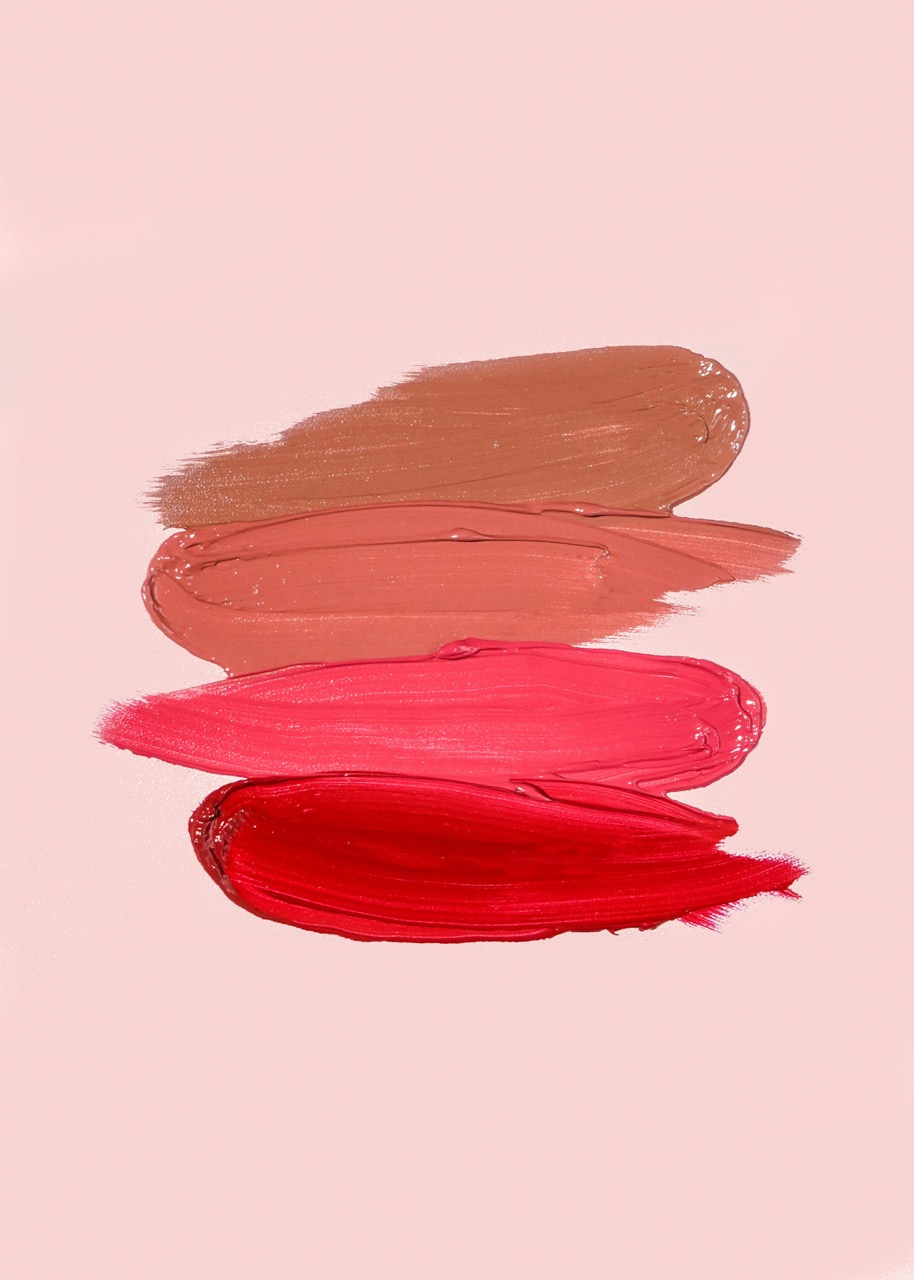
lead_image_alt: Sheer berry and pink hydrating tinted lip balm swatches on clean surface
thumbnail: /images/stock/liquid-lip-color-swatches-pink.jpg
thumbnail_alt: Sheer berry and pink hydrating tinted lip balm swatches on clean surface
author: Editorial Team
publish: false
Japanese Sheer Berry Lip Balm: Tinted Moisture Guide
In daily makeup routines, maintaining vibrant lip color often comes at the expense of moisture. Conventional matte lipsticks and high-impact liquid tints rely on volatile film-formers and alcohol carriers that can dehydrate the fragile vermilion border of the lips, causing cracked vertical lines and rough flaking by midday.
In Japan, daily cosmetics heavily prioritize barrier comfort and effortless maintenance. This philosophy gave rise to the phenomenon of kagami-irazu ("no-mirror-needed") tinted lip balms. Specifically, sheer berry tones—ranging from soft cranberry to translucent raspberry—have become a staple of modern Japanese subtraction makeup (hikizan makeup). Rather than depositing an opaque, high-contrast pigment that demands precise lip-lining, Japanese sheer berry balms melt upon body heat contact, infusing lips with transparent color that enhances your natural undertone while providing rich occlusive moisture. As skin aging naturally diminishes physiological barrier function over time[1], opting for conditioning tinted balms protects vulnerable lip tissue from dry air and chapping.
Opaque Lipstick vs Japanese Sheer Berry Tint-in-Balm
To understand why Japanese tinted balms have gained widespread international popularity, consider how they compare to traditional opaque lip products:
Scroll horizontally to view full comparison
Feature
Traditional Opaque Matte Lipstick
Japanese Sheer Berry Tint-in-Balm
Application Convenience
Requires a mirror, precise lining, and clean edges
Zero settling; softens and smooths dead skin flakes
Midday Reapplication
Must wipe clean before reapplying to prevent buildup
Can be layered repeatedly like standard lip balm
Lip Finish
Flat matte or heavy satin
Fresh, glassy sheen with natural color wash
Ingredient Technologies Behind Japanese Tinted Balms
Japanese beauty chemists engineer tinted balms to deliver consistent color payoff alongside gentle daily barrier protection:
Melty-Oil Wax Matrix: Formulated with synthetic hydrocarbon oils and vegetable esters that liquefy near human skin temperature (around 36°C / 97°F). This allows the balm stick to transition from a firm solid into a silky oil veil upon touching the lips, preventing dragging on sensitive, chapped tissue.
Moisture-Binding Botanical Lipids: High-purity squalane, camellia seed oil (tsubaki), and jojoba seed oil coat the lips in a non-sticky protective shield. These botanical emollients lock in hydration and prevent water loss through the delicate, stratum-corneum-sparse lip surface.
Subtle Stain Dyes: Rather than heavy iron oxide pigments that sit mechanically on top of lips, Japanese balms incorporate water-soluble red dyes and micro-encapsulated tints. These dyes bond gently with outer keratin layers, ensuring a persistent rosy-berry flush remains even after the initial balm gloss is worn away.
The 4-Step Mirror-Free Application Method
To maximize both hydration and the dimensional berry tint, follow this simple technique designed for busy commuters and students:
Step 1: Smooth the Lip Canvas
If your lips are feeling tight or parched, gently press a warm, damp tissue against your mouth for a few seconds to soften surface roughness. Never pick or scrub dry flakes, which damages the fragile mucosal junction.
Step 2: Warm and Glide from the Center
Uncap the balm and hold the stick directly against the center of your bottom lip for two seconds. The body heat softens the tip. Gently glide the stick outward toward the mouth corners in two smooth strokes.
Step 3: Press Lips Together (Pucker Blending)
Press your upper and lower lips together gently twice. This natural rolling pressure evenly diffuses the sheer berry tint toward the outer lip contour, creating a soft gradient effect that looks professionally blended without ever consulting a pocket mirror.
Step 4: Layer the Center for Depth
If you desire a deeper, fruit-stained finish, swipe the balm one additional time across the inner center of the lips. The translucent formula builds rich berry saturation without adding heavy texture or cakey residue. Because sun exposure and ultraviolet radiation demand diligent daily defense measures[3], choosing a tinted berry balm with integrated SPF 15 to 25 shields delicate lip tissue from photo-induced discoloration.
Signs to Stop and When to See a Doctor
Because contact dermatitis represents a common clinical diagnosis in outpatient dermatology[2], the lips are particularly susceptible to allergic and irritant contact reactions:
Lip Stinging or Swelling (Cheilitis): If you experience persistent tingling, burning, swelling, or micro-blisters after using a tinted lip balm, discontinue use immediately and cleanse gently with cool water.
Cracking at the Mouth Corners: Persistent fissures, deep peeling, or yellow crusting at the lip corners indicate localized inflammation that cosmetic balms cannot resolve.
When to Seek Evaluation: If lip irritation, cracking, or swelling does not resolve within 48 to 72 hours following product discontinuation, consult a certified dermatologist for therapeutic care.
FAQ
Q1. Can warm or yellow undertones wear sheer berry lip balms?
A. Yes, Japanese berry balms feature balanced, neutral undertones.(Details)
Unlike stark Western cool-toned fuchsias, Japanese sheer berry balms incorporate muted cranberry and fig undertones. Their translucent finish allows your natural lip warmth to shine through, flattering both warm and cool complexions.
Q2. How long does the tint last after the balm wears off?
A. The sheer berry stain typically persists for 3 to 5 hours.(Details)
While the glossy emollient film naturally transfers onto cups or napkins, the specialized stain dye binds lightly to surface keratin, maintaining an awake, healthy flush throughout the morning.
Q3. Can I use a sheer berry balm as a cream blush?
A. Yes, many Japanese tint-in-balms double as dewy cheek flushes.(Details)
Dabbing a small amount onto your fingertips and tapping it onto the apples of your cheeks creates a coordinated, healthy flush with a natural skin luster, ideal for streamlined minimalist routines.
Q4. Does tinted lip balm require makeup remover at night?
A. A gentle foaming facial cleanser or warm water wash is usually sufficient.(Details)
Because these balms rely on plant oils rather than waterproof waxes, everyday facial cleansing washes them clean. For persistent tint dyes, wipe gently with a damp cotton pad moistened with micellar water.
Q5. Can I layer sheer berry balm over matte lipstick?
A. Yes, it revives dry matte lipstick with moisture and luster.(Details)
Tapping the balm lightly over dry lipstick restores comfort and adds a fresh, juicy dimensional sheen to your existing lip color without displacing the base pigment.
Summary and Key Takeaways
Japanese sheer berry lip balms offer the ultimate harmony of skincare and minimalist makeup. With their smooth, mirror-free glide, weightless moisture, and flattering watercolor stain, they keep lips comfortable, hydrated, and effortlessly polished all day long.
Disclaimer: This article is for general information and education about Japanese cosmetics and their labels. It is not a substitute for professional medical advice, diagnosis, or treatment. Skincare results vary from person to person. Product formulas, availability, prices, and regulations change, and products sold in Japan can differ from versions sold elsewhere, so always check the current label. Do a patch test before introducing a new product, and consult a doctor or dermatologist if you have a skin condition or specific concerns.