Japanese Skincare Layering Order: Thin to Thick Guide
RoutinesBy Seibun Lab Editorial Team
title: Japanese Skincare Layering Order: Thin to Thick Guide
slug: japanese-skincare-layering-order-thin-to-thick
category: routines
published_at: '2026-11-27'
updated_at: '2026-11-27'
meta_description: Master the Japanese skincare layering order from thin to thick. Learn why applying water before oil maximizes moisture absorption and prevents pilling.
keywords:
japanese skincare layering order thin to thick
j-beauty routine steps
keshosui before emulsion
skincare pilling prevention
water before oil skincare
author: Seibun Lab Editorial Team
Japanese Skincare Layering Order: Thin to Thick Guide
When building an effective skincare regimen, product quality is only half the equation. The order in which you apply your products dictates whether active ingredients absorb into the skin or evaporate uselessly into ambient air.
In Japanese skincare, this sequence is governed by a precise biophysical principle: water before oil, light before heavy (mizuppoi mono kara abura-ppoi mono e). Rather than relying on a single heavy moisturizer, J-Beauty rituals layer lightweight textures progressively, building an elastic moisture veil that mimics the skin's natural architecture. Here is the science behind the Japanese layering sequence, why applying oil first blocks hydration, and how to avoid product pilling (moromoro).
The Fundamental Biophysics: Why Water Must Precede Oil
To understand why sequence matters, we must examine the physical barrier of human skin:
The "Brick and Mortar" Stratum Corneum
The outermost epidermal layer resembles a brick wall:
The Bricks (Corneocytes): Flat protein envelopes packed with keratin filaments and water-binding Natural Moisturizing Factors (NMF).
The Mortar (Intercellular Lipids): Organized lamellar sheets composed of ceramides, cholesterol, and fatty acids.
For humectant molecules (like hyaluronic acid, glycerin, or amino acids) to enter the stratum corneum, they require immediate access to the hydrophilic zones within and between corneocytes.
The Occlusive Barrier Blockade
If you apply a lipid-rich cream, heavy facial oil, or silicone ointment first:
Hydrophobic Shielding: Lipids form an occlusive film over the skin surface.
Water Repulsion: Because oil and water do not mix naturally, applying a watery lotion over an oily film causes the water to bead up on the surface.
Dehydration Paradox: Unable to absorb into the stratum corneum, the watery lotion evaporates, leaving the underlying skin dry despite multiple product layers.
Scroll horizontally to view full comparison
Step
Product Category
Viscosity / Base
Primary Function
Absorption Target
1. Prepare
Conditioning Lotion (*Keshosui*)
Watery, zero-lipid solution
Drenches keratin; primes barrier pathways
Corneocyte NMF hydration
2. Target
Serum / Essence (*Biyoueki*)
Fluid gel, aqueous active concentrate
Delivers high-potency functional ingredients
Deep stratum corneum layers
3. Balance
Milky Emulsion (*Nyueki*)
Water-in-oil or oil-in-water fluid (10–25% oil)
Replenishes physiological lipids & soft cushion
Intercellular lamellar lipids
4. Seal
Face Cream / Balm (*Kuriimu*)
Rich lipid emulsion (25–50%+ oil/wax)
Forms occlusive barrier against TEWL
Skin surface sealing veil
As natural aging and epidermal moisture loss[1] deplete internal water and lipid reservoirs over time, respecting this physiological progression restores supple resilience.
The 4-Step Japanese Architecture: From Lotion to Emulsion
The classic Japanese routine is celebrated for its intentional simplicity, typically revolving around four core steps:
Step 1: Conditioning Lotion (Keshosui)
Unlike Western astringent toners that strip sebum with alcohol, Japanese keshosui is a concentrated hydration bath. Its low viscosity allows it to flood the stratum corneum within seconds, softening hardened surface cells and increasing the permeability of subsequent active layers.
Step 2: Targeted Essence / Serum (Biyoueki)
Because the skin is now thoroughly saturated with water, high-potency serums (containing tranexamic acid, niacinamide, or vitamin C derivatives) glide across the face smoothly, absorbing deeply without barrier resistance.
Step 3: Milky Lotion / Emulsion (Nyueki)
Nyueki is the signature cornerstone of J-Beauty. It is a lightweight milk that contains both water-binding humectants and softening lipids (like squalane or ceramides). It acts as a bridge, anchoring the watery hydration of steps 1 and 2 while introducing essential fatty acids. For oily or humid summer routines, nyueki frequently serves as the final moisturizing step.
Step 4: Sealing Cream (Kuriimu)
During dry winter months or for mature complexions, a rich cream provides the final protective lock. Its higher wax and butter content physically traps the underlying water, preventing dry indoor air from pulling moisture back out of the skin.
Solving the Pilling Mystery (Moromoro): Formulation Friction
A common frustration when layering multiple skincare products is pilling—the formation of tiny rubbery balls (moromoro) that roll off the face. Pilling is not dead skin; it is a physical formulation conflict:
1. Polymer Clashing
Many hydrating serums contain high-molecular-weight film formers (such as carbomer, xanthan gum, or high-molecular hyaluronic acid). If you layer a silicone-heavy primer, rich sunscreen, or foundation before these polymers dry, the shear friction tears the polymer lattice, rolling it into tiny pellets.
2. The 60-Second Absorption Rule
Rather than rushing from step to step, allow 30 to 60 seconds between each layer. This brief pause gives watery humectants time to absorb into the stratum corneum, ensuring that the skin surface feels supple rather than wet before you introduce lipid emollients.
3. Palm Pressing (Hando Puresu) over Rubbing
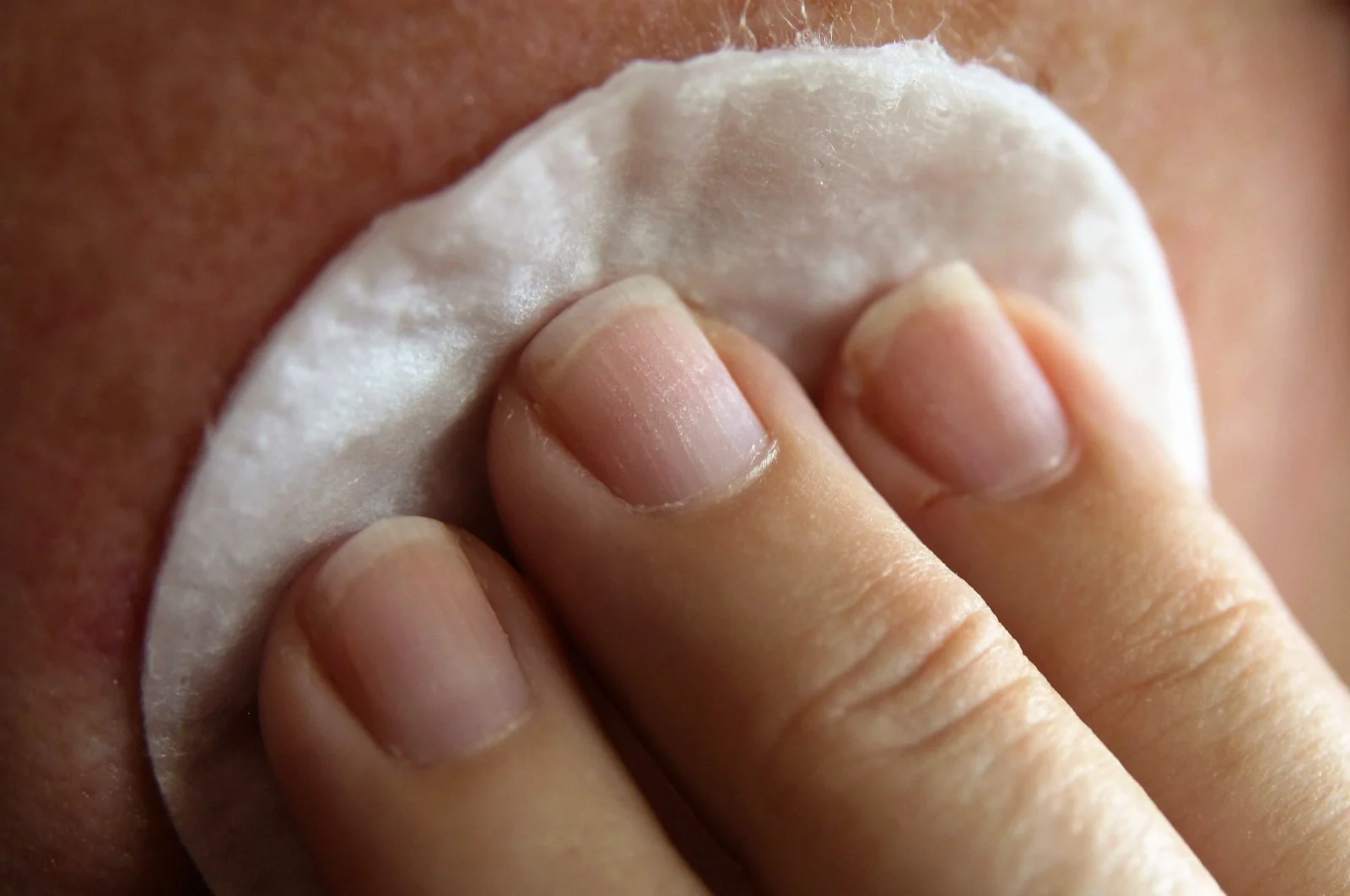
Vigorous circular rubbing creates excessive friction that destabilizes delicate cosmetic emulsions. Using the traditional Japanese palm-press method—cupping hands and pressing gently into the skin—deposits products evenly while preventing adverse contact dermatitis or vehicle friction[2].
Signs to Stop and When to See a Doctor
While layering thin products is exceptionally gentle, overloading the skin with too many competing active formulas can provoke barrier distress:
Surface Tackiness That Lingers: If your face remains uncomfortably sticky 10 minutes after application, you are using too much product or too many polymer-rich serums; scale back to lotion and emulsion.
Sudden Follicular Congestion: Breakouts appearing after introducing a multi-step routine usually indicate that your final cream or oil is too occlusive for your climate.
Flushing or Chemical Tingling: Combining multiple acidic actives across consecutive steps can compromise barrier pH balance, leading to redness and burning.
[!WARNING]
If you experience severe facial erythema, acute weeping dermatitis, or hives, rinse the face gently with cool water, discontinue active layering, and consult a dermatologist. For morning routines, always conclude your layering architecture with broad-spectrum daily sunscreen defense[3].
FAQ
Q1. What happens if I apply face cream before lotion?
A. The heavy oils in the cream block the watery lotion from absorbing.(Details)
Face creams contain high concentrations of occlusive oils and waxes. Applying a cream first forms a hydrophobic seal over the skin, causing any subsequently applied watery lotion to sit on top and evaporate without hydrating the stratum corneum.
Q2. Do I really need both an emulsion (nyueki) and a cream?
A. Most individuals only need one or the other based on skin type and season.(Details)
In Japanese skincare, an emulsion (nyueki) is sufficient for normal, oily, or combination skin, especially during warm seasons. Dry, mature, or winter-stressed skin can layer a rich cream over an emulsion for maximum lipid barrier defense.
Q3. How long should I wait between layering each skincare step?
A. Wait about 30 to 60 seconds until the previous layer feels absorbed and tacky.(Details)
You do not need to wait several minutes between steps. Waiting 30 to 60 seconds allows watery lotions to absorb into the stratum corneum, preventing product pilling when subsequent emulsions or creams are pressed on.
Q4. Where does Japanese sunscreen fit in the morning layering order?
A. Sunscreen is always the final step of morning skincare, before makeup.(Details)
In morning routines, sunscreen is applied after your moisturizer (emulsion or cream) has settled. Applying skincare products over sunscreen disrupts the protective UV-filtering film, compromising sun defense.
Q5. Can I skip the lotion step if I have oily skin?
A. No, watery lotion is especially vital for balancing dehydrated oily skin.(Details)
Oily complexions often suffer from "inner-dry" dehydration, where lack of water triggers sebaceous glands to overproduce oil. Watery conditioning lotions replenish vital moisture without adding pore-clogging lipids, keeping sebum production balanced.
Summary and Key Takeaways
Mastering the Japanese thin-to-thick layering sequence ensures that every drop of skincare delivers optimal benefits:
Water Precedes Oil: Always apply watery conditioning lotions first to hydrate corneocytes before introducing lipid barriers.
Emulsions as the Bridge: Lightweight milky emulsions (nyueki) balance moisture and oil, providing ideal hydration without heaviness.
Seal Strategically: Reserve heavier creams and oils for dry areas, nighttime routines, or harsh winter climates.
Gentle Pressing Over Rubbing: Use soft palm-pressing and allow brief pauses between steps to minimize friction and prevent product pilling.
By respecting the natural biophysics of your skin barrier, you create a harmonious, glowing complexion that stays deeply hydrated and resilient throughout the day.
Disclaimer: This article is for general information and education about Japanese cosmetics and their labels. It is not a substitute for professional medical advice, diagnosis, or treatment. Skincare results vary from person to person. Product formulas, availability, prices, and regulations change, and products sold in Japan can differ from versions sold elsewhere, so always check the current label. Do a patch test before introducing a new product, and consult a doctor or dermatologist if you have a skin condition or specific concerns.