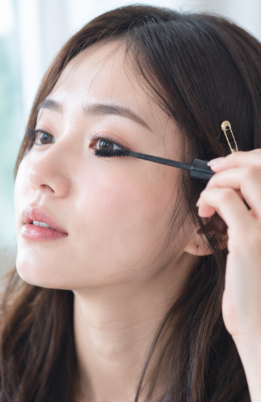
title: Japanese Soft Brown Mascara: Natural Daytime Look Guide slug: japanese-soft-brown-mascara-natural-daytime-look category: routines category_label: Routines published_at: '2026-11-27' updated_at: '2026-11-27' meta_description: Explore Japanese soft brown and ash mascaras for daytime looks. Learn nukekan subtraction aesthetics, curl micro-fibers, and gentle removal tips. description: Explore Japanese soft brown and ash mascaras for daytime looks. Learn nukekan subtraction aesthetics, curl micro-fibers, and gentle removal tips. lead_image: /images/stock/makeup-eye-mascara-step.png lead_image_alt: Applying Japanese soft brown mascara with curved micro-wand for natural daytime lash separation thumbnail: /images/stock/makeup-eye-mascara-step.png thumbnail_alt: Applying Japanese soft brown mascara with curved micro-wand for natural daytime lash separation author: Editorial Team publish: false
Japanese Soft Brown Mascara: Natural Daytime Look Guide
In traditional cosmetic routines, mascara is almost universally synonymous with intense carbon black. Heavy pitch-black pigments, thick volumizing fibers, and spider-lash drama have long defined western eye makeup. However, in soft daytime natural lighting and professional office environments, stark black eyelashes can look jarring, casting harsh shadows across the under-eye hollows and aging the eye area.
Japanese beauty (J-Beauty) formulators pioneered soft brown and ash-toned mascaras to cultivate cosmetic subtraction (hikizan meiku). Built around the concept of nukekan—the deliberate creation of breathing space, softness, and effortless natural elegance—Japanese brown mascaras define ocular shape while preserving a rested, approachable gaze. Rather than weighing lashes down under thick black wax, these formulas combine micro-fine fibers with humidity-resistant curling resins and warm undertones.
In this clinical and stylistic guide, we examine the chromatic science of Japanese brown mascaras, compare warm and ash undertones, outline a damage-free root-lock application method, and review peri-orbital ocular safety protocols.
The Aesthetic of Nukekan: Why Soft Brown Outperforms Stark Black
The optical advantage of Japanese soft brown mascara lies in contrast reduction and facial harmony:
[Stark Black vs Soft Brown Optical Dynamics]

Stark Jet Black Mascara:
High Carbon Black (Extreme Chromatic Contrast)
  --> Absorbs incident daylight, creating a sharp graphic outline
  --> Emphasizes under-eye dark circles, shadows, and eye tiredness

Japanese Soft Brown Mascara:
Iron Oxide Browns + Soft Ash-Greige + Micro-Pearl Veils
  --> Softly scatters ambient daylight around the iris
  --> Softens facial contours, enhances eye openness, and creates effortless *nukekan*
As natural skin aging naturally diminishes physiological barrier function over time[1], the periorbital tissue loses subcutaneous volume, accentuating tear troughs and eyelid folds. Heavy black mascara amplifies these hollow shadows, creating an exhausted appearance. Conversely, Japanese brown mascaras reflect warm light, brightening the ocular zone and complementing natural eye colors beautifully.
Chromatic Tone Architecture: Ash Brown, Milk Tea, and Muted Cocoa
Japanese beauty brands do not view brown as a single generic shade. They engineer precise sub-tones tailored to personal color palettes:
Scroll horizontally to view full comparison
| Japanese Shade Name | Pigment Undertone Balance | Ideal Personal Color Match | Visual Eye Impression |
|---|---|---|---|
| Ash Greige Brown (*Asshu Buraun*) | Cool gray + neutral cocoa (zero orange) | Cool-toned complexions (*buru-be*) | Chic, modern, translucent, sophisticated |
| Milk Tea Brown (*Miruku-tii Buraun*) | Soft beige-cream + light amber | Light warm complexions (*ie-be*) | Gentle, sweet, airy, youthful brightness |
| Cassis / Burgundy Brown (*Kashisu Buraun*) | Deep red-plum + chocolate brown | Olive and dark eye complexions | Romantic, radiant, subtle color accent |
| Bitter Chocolate (*Bitaa Choko*) | Deep espresso brown with low red undertones | Universal (office and professional) | Defined yet soft; ideal black replacement |