title: Japanese Soft Taupe Eyeshadow: Cool-Tone Palette Guide slug: japanese-soft-taupe-eyeshadow-cool-tone-palette category: routines category_label: Routines published_at: '2026-11-27' updated_at: '2026-11-27' meta_description: Explore Japanese soft taupe eyeshadow palettes. Learn cool-toned greige layering, low-saturation shading, and transparent subtraction eye makeup tips. description: Explore Japanese soft taupe eyeshadow palettes. Learn cool-toned greige layering, low-saturation shading, and transparent subtraction eye makeup tips. lead_image: /images/stock/hero-japanese-neutral-eyeshadow-palette-pigment.jpg lead_image_alt: Japanese soft taupe and greige eyeshadow palette with neutral cool tones and delicate shimmer thumbnail: /images/stock/hero-japanese-neutral-eyeshadow-palette-pigment.jpg thumbnail_alt: Japanese soft taupe and greige eyeshadow palette with neutral cool tones and delicate shimmer author: Editorial Team publish: false
Japanese Soft Taupe Eyeshadow: Cool-Tone Palette Guide
For beauty enthusiasts with cool undertones (buru-be in Japanese color theory), finding neutral eyeshadows that do not turn muddy, orange, or overly harsh is an ongoing challenge. Conventional neutral palettes lean heavily warm—packed with golden bronzes, terracottas, and coppers—which clash against cool, pink, or olive skin tones. Conversely, intense western smoky cool-toned palettes rely on dense charcoal pigments and chalky grays that can look bruising on delicate Asian ocular contours.
Japanese beauty (J-Beauty) formulators solve this chromatic puzzle through low-saturation soft taupe and greige (beige-gray) palettes. Grounded in the concept of cosmetic subtraction (hikizan meiku), these quads provide transparent shading rather than opaque coverage. By infusing cool taupe tones with faint rosy undertones and micro-milled pearl particles, Japanese palettes create realistic, shadow-like depth that enhances facial bone structure without looking like heavy makeup.
In this guide, we break down the formulation architecture of Japanese soft taupe eyeshadows, examine how low saturation benefits cool complexions, outline a foolproof four-quad gradation routine, and review peri-orbital ocular safety guidelines.
The Low-Saturation Revolution: Understanding Japanese Soft Taupe
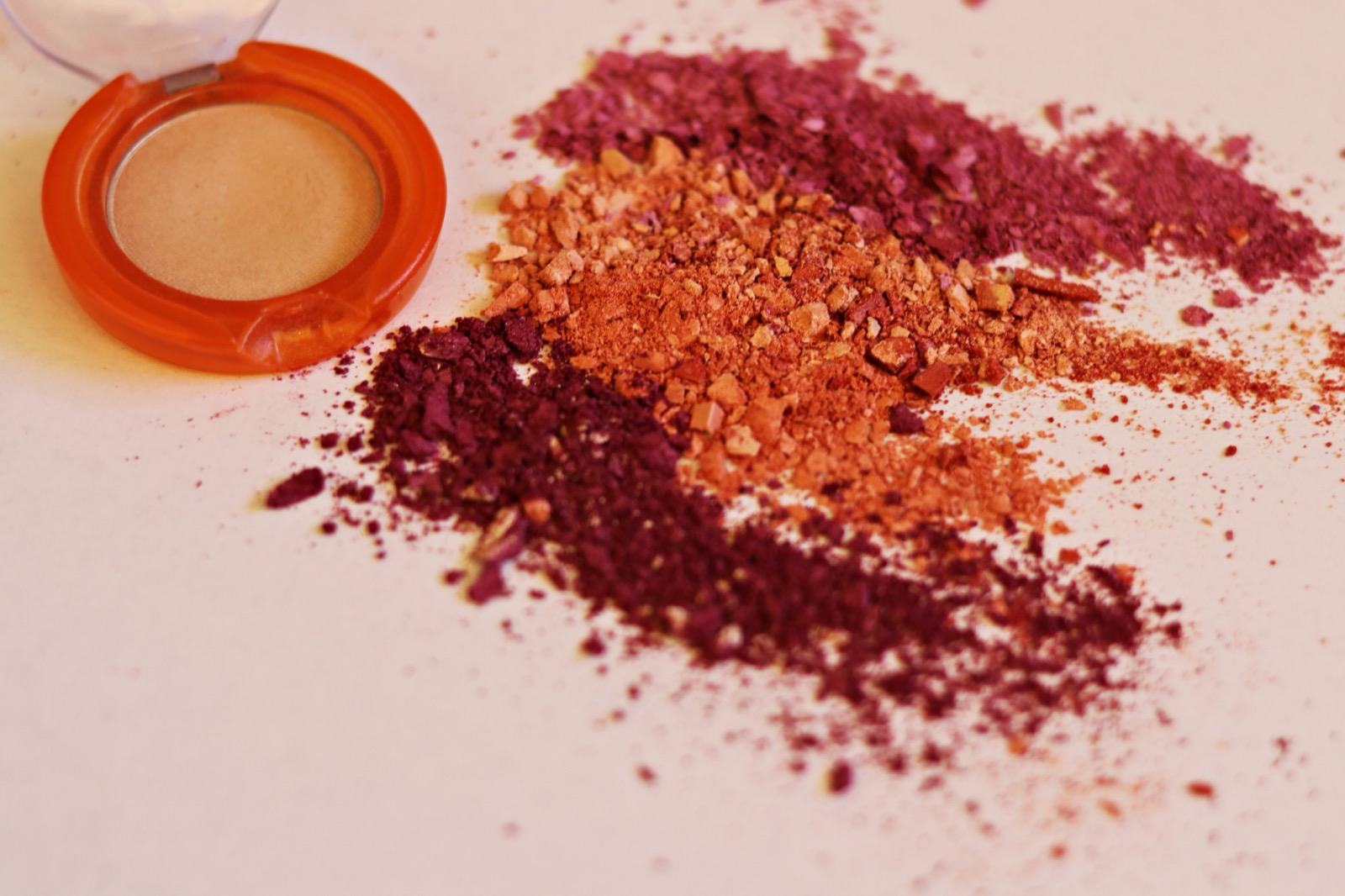
In recent years, Japanese cosmetic trends shifted away from high-pigment glitter towards low saturation (tei-saido). Japanese soft taupe sits at the precise intersection between cool grayish-brown, muted lavender-mauve, and soft bone beige.
[Chromatic Architecture: Japanese Soft Taupe]

Warm Bronze (Opaque Gold/Copper)  <-- Avoid for Cool Undertones
      |
      V
Low-Saturation Japanese Soft Taupe (Sheer Greige + Muted Mauve + Pearl)
      |
      V
Cool Charcoal (Dense Black/Dark Gray) <-- Avoid for Daytime Softness
When formulating these palettes, Japanese cosmetic chemists prioritize translucency. As skin aging naturally diminishes physiological barrier function over time[1], the eyelid skin thins and natural periorbital micro-veins become more apparent. Opaque matte shadows cling to dehydration patches and highlight eyelid creases. In contrast, Japanese soft taupe shadows utilize coated mica and silicone-treated powders that glide across delicate lids, delivering an airy veil that mimics the skin's natural shadows.
Why Western Cool-Tone Palettes Often Look Bruised on Asian Skin
Many cosmetics shoppers wonder why western cool palettes often produce an unflattering, bruised appearance. The answer lies in pigment concentration and undertone ratios:
- High Carbon Black and Ultramarine Loads: Heavy western cool palettes rely on dense black and ultramarine blue pigments to create dramatic cut creases. On delicate hooded or monolid eyelid structures, these concentrated pigments pool into dense patches, resembling physical contusions rather than natural shadow.
- Lack of Balancing Warmth or Mauve Micro-Pigment: Japanese taupes subtly incorporate microscopic pink or mauve undertones (kusu-mi rozu). This micro-hue harmonizes cool gray tones with the underlying subcutaneous vascular network, preventing the gray from looking ashen or dull.
- Powder Vehicle Rigidity: Japanese formulations suspend pigments in emollient squalane, jojoba oil, or amino acid binders, allowing each layer to blend smoothly across eyelid folds without dry demarcation lines.
Scroll horizontally to view full comparison
| Palette Sector | Typical Shade Designation | Japanese Formulation Role |
|---|---|---|
| Top-Left (Base/Illumination) | Translucent Icy Pink or Bone Greige | Clears eyelid discoloration, primes texture with soft pearl veil |
| Top-Right (Main Transition) | Soft Muted Taupe / Sheer Mauve | Defines ocular socket contour without visible pigment borders |
| Bottom-Left (Contour/Hollow) | Cool Ash-Brown / Deep Greige | Enhances outer corner depth and sculpts lower lash shadow (*kage*) |
| Bottom-Right (Tightline/Definition) | Soft Espresso or Smudged Cocoa Gray | Anchors lash roots softly, avoiding harsh black liquid eyeliner lines |