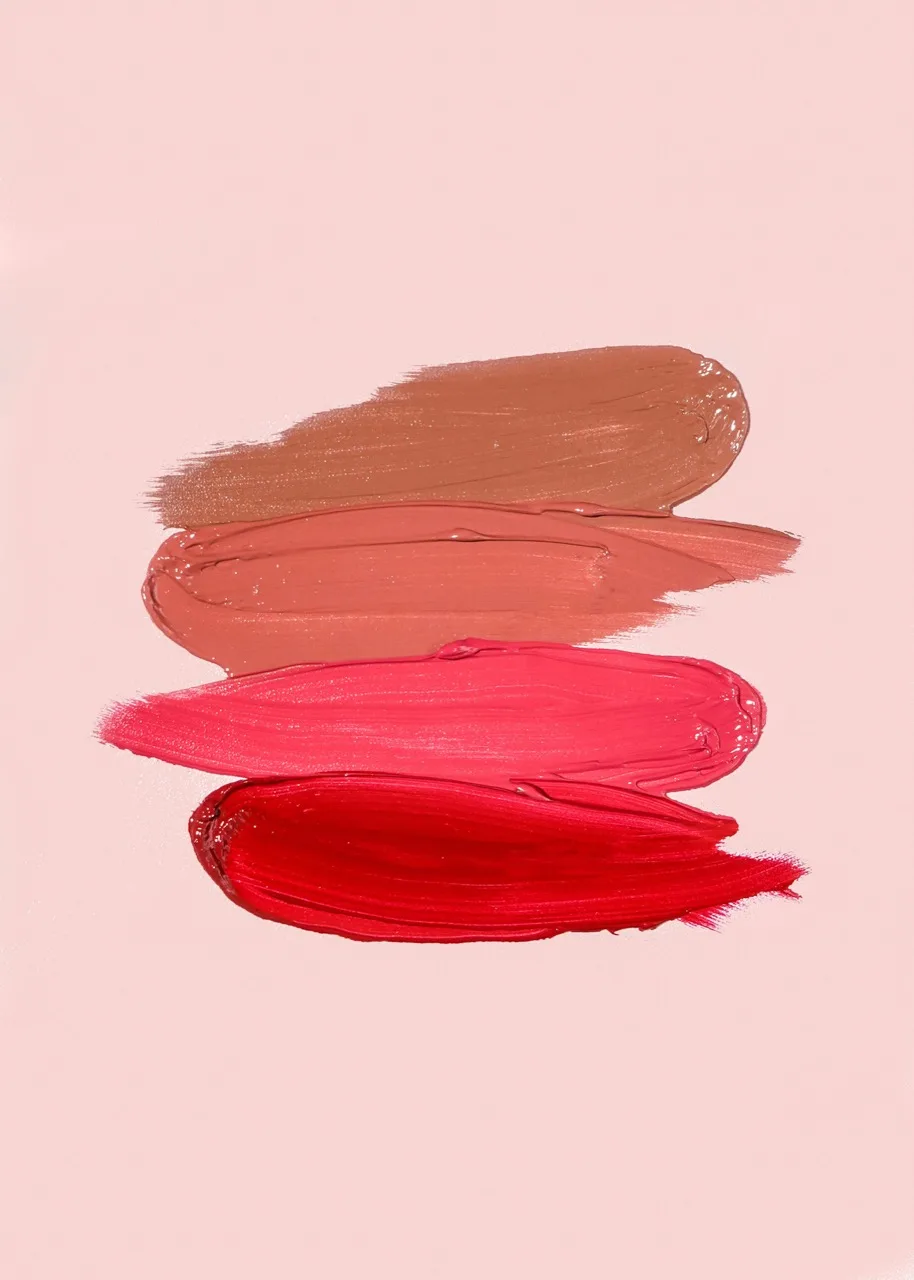
title: Japanese Watercolor Blush: Liquid Sheer Layers Guide slug: japanese-watercolor-blush-liquid-sheer-layers category: routines category_label: Routines published_at: '2026-11-27' updated_at: '2026-11-27' meta_description: Master Japanese watercolor blush techniques with sheer liquid layers. Learn moisture formulas, damp sponge tapping, and subtraction makeup tips. description: Master Japanese watercolor blush techniques with sheer liquid layers. Learn moisture formulas, damp sponge tapping, and subtraction makeup tips. lead_image: /images/stock/liquid-lip-color-swatches-pink.webp lead_image_alt: Translucent pink and peach watercolor liquid blush swatches blending sheerly on skin thumbnail: /images/stock/liquid-lip-color-swatches-pink.webp thumbnail_alt: Translucent pink and peach watercolor liquid blush swatches blending sheerly on skin author: Editorial Team publish: false
Japanese Watercolor Blush: Liquid Sheer Layers Guide
Few makeup finishes look as fresh, youthful, and naturally radiant as a Japanese watercolor flush. In traditional cosmetics application, powder blush is brushed across the cheekbones at the very end of a routine. However, powder pigments can cling to dry patches, emphasize enlarged cheek pores, and create a powdery texture that looks distinctly cosmetic.
Japanese beauty (J-Beauty) formulators pioneered liquid watercolor blush (riki-ddo chiku) to achieve authentic cosmetic subtraction (hikizan meiku). Inspired by traditional Japanese watercolor paintings (suisai-ga), where translucent washes of pigment bloom softly into moist paper, these liquid tints utilize low-viscosity water bases packed with humectants. Instead of sitting on the surface like an opaque mask, they blend into the skin to evoke genuine subcutaneous vitality (kesshoku-kan).
In this clinical guide, we explore the fluid mechanics of Japanese watercolor blushes, explain how to build sheer multi-dimensional gradients, review the under-blushing technique, and discuss dermatological cheek barrier maintenance.
The Watercolor Philosophy: Liquid Subtraction vs Opaque Powder Cakes
The watercolor blush aesthetic is fundamentally about depth and translucency rather than surface coverage:
[Powder Blush vs Watercolor Liquid Blush Mechanics]

Conventional Powder Blush:
Dry Talc / Mica + Solid Pigment Particles
  --> Sits on top of the stratum corneum as a dry particulate veil
  --> Reflects light from the exterior; can look dusty or emphasize skin texture

Japanese Watercolor Liquid Blush:
Water/Glycerin Emulsion + Micro-Dispersed Dyes + Hyaluronic Acid
  --> Merges with underlying base makeup via vertical liquid capillary diffusion
  --> Radiates light through the translucent layer, mimicking natural flushed capillaries
As biological skin aging naturally diminishes physiological barrier function over time[1], the delicate skin across the cheek apples becomes more prone to dehydration. Dry powders absorb residual sebum, accentuating fine lines. In contrast, Japanese liquid blushes infuse hydrating ingredients like squalane, sodium hyaluronate, and botanical oils directly onto the cheeks, preserving skin plumpness throughout the day.
Fluid Chemistry: Water-Base Suspension vs Traditional Silicone Emulsions
Japanese liquid blushes stand apart from western liquid blushes through their lightweight emulsion chemistry:
Scroll horizontally to view full comparison
| Formulation Element | Japanese Watercolor Liquid Tint | Western Heavy Liquid/Gel Blush |
|---|---|---|
| Primary Solvent Base | Deionized water, butylene glycol, floral waters | Volatile silicones (cyclopentasiloxane) or dense oils |
| Pigment Dispersion | Micro-milled water-soluble lakes with low opacity | Dense mineral iron oxides with high single-swipe opacity |
| Drying Time | Moderate; allows smooth sponge play before setting | Fast-drying; prone to spot-staining if not blended rapidly |
| Optical Finish | Luminous, dewy, sheer watercolor bloom | Matte velvet or intense metallic highlight sheen |